Barra of Mendocino
Barra of Mendocino operates from Redwood Valley's inland growing terrain, where cooler nights and volcanic soils produce wines with structure and restraint uncommon in warmer California appellations. For those exploring Mendocino County's less-trafficked wine corridor, Barra is a serious reference point.

Pearl is the En Primeur Club membership app — saves, bookings, and concierge access live there. Same editors, same standards.
- Address
- 7051 N State St, Redwood Valley, CA 95470
- Phone
- (707) 485-0322
- Website
- barraofmendocino.com
- Directions
- Get directions
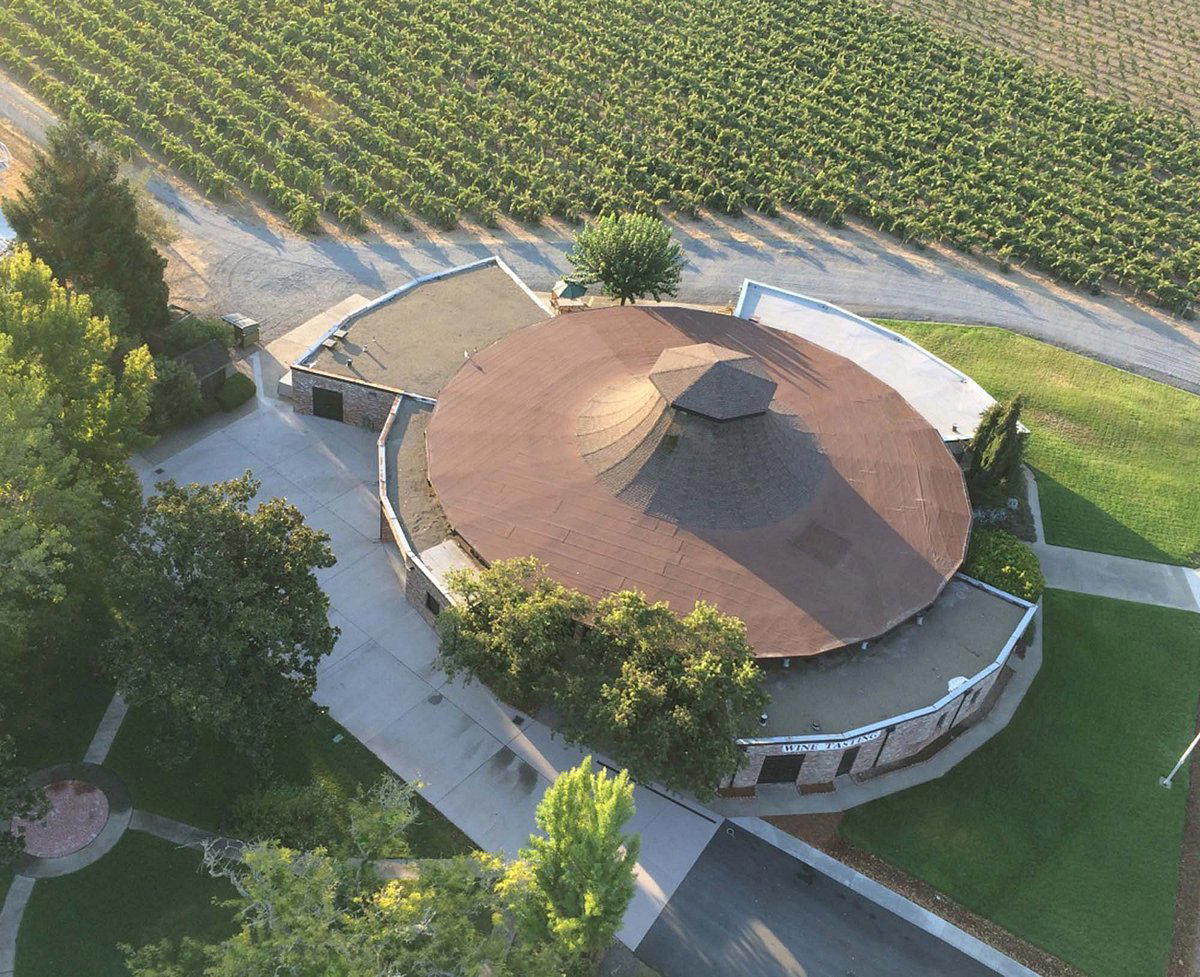
Redwood Valley's Inland Character and Why It Matters
Mendocino County's wine identity tends to get absorbed into broader Northern California narratives, but Redwood Valley earns its own reading. Sitting inland from the coastal fog belt that defines the Anderson Valley appellation to the southwest, Redwood Valley works with a Continental climate influence: warm days, cold nights, and soils with volcanic and alluvial complexity that press distinct mineral signatures into the fruit. The diurnal temperature swings here can exceed 50 degrees Fahrenheit on a summer night, a range that preserves acidity and slows ripening in ways that warmer valley floors simply cannot replicate. That thermal differential is the first thing to understand about any serious producer working this terrain.
Barra of Mendocino, located at 7051 North State Street in Redwood Valley, works within this climatic reality. For context, peers in the same Redwood Valley corridor include Frey Vineyards, Girasole Vineyards, Graziano Family of Wines, and Hidden Cellars Winery, a cohort that collectively argues for Redwood Valley as a distinct appellation with a coherent identity rather than a northern footnote to Ukiah.
What the Terrain Produces
Redwood Valley's soils shift across the appellation, ranging from well-drained benchland loams to heavier valley floor clays, with volcanic intrusions that appear in pockets throughout the region. Benchland sites above the valley floor drain faster, stress the vine, and concentrate flavors without adding sugar load. This is the structural backbone of Mendocino's more compelling red wines. Cabernet Sauvignon planted on these sites tends toward firmer tannins and cooler-climate fruit profiles than its Napa Valley counterparts, where later-season warmth pushes toward plush, high-alcohol expressions.
The contrast between Redwood Valley producers and the premium Napa tier is instructive. Wineries like Accendo Cellars in St. Helena or Alpha Omega Winery in Rutherford operate in an appellation where land cost and critical consensus have locked in a particular stylistic expectation: density, polish, and warmth. Redwood Valley works against that consensus, not by defiance, but by geography.
The Approachability Question: Price Tier and Access
One of the more consistent patterns across Mendocino County's serious producers is a price-to-quality ratio that sits below comparable-quality northern Sonoma and Napa producers. The structural drivers are real estate, land cost, and appellation cachet: Redwood Valley has not attracted the speculative attention that has pushed Alexander Valley and Napa floor prices into premium territory. Alexander Valley Vineyards in Geyserville operates in an appellation with stronger national name recognition, and that recognition carries a price premium regardless of vintage performance.
For the buyer working from quality signals rather than appellation prestige, this creates a specific opportunity. Getting to the winery from Ukiah is a short drive north on US-101; Redwood Valley sits roughly ten miles north of Ukiah's town center, making it a practical addition to any Mendocino County tasting itinerary without requiring a dedicated overnight stop.
Redwood Valley in the Wider California Wine Map
California's wine geography rewards producers who can find climate and soil combinations that differentiate their output from the dominant warm-valley Cabernet template. Paso Robles has managed this through its own diurnal range, and producers like Adelaida Vineyards in Paso Robles have built reputations on exactly that thermal logic. The Willamette Valley in Oregon takes the argument further into cool-climate Pinot Noir territory; Adelsheim Vineyard in Newberg is a useful reference for how a consistent cool-climate program builds over decades. Mendocino's Rhône-focused producers offer another angle: Andrew Murray Vineyards in Los Olivos and Alban Vineyards in Arroyo Grande demonstrate what dedicated varietal focus produces in California's cooler coastal corridors.
Redwood Valley's position in this broader map is as a northern inland appellation with legitimate cool-climate credentials that remain underweighted in mainstream California wine coverage. The concentration of award-recognized producers along a relatively short corridor of North State Street makes the region punching above its profile weight. Chance Creek Vineyards is another name worth tracking in this corridor.
For broader international reference points, the category of cool-climate producers working in regions that trade below their quality ceiling has parallels from Burgundy to the Peloponnese. Achaia Clauss in Patras operates in a region where historical depth exceeds current international recognition, a dynamic not entirely different from Redwood Valley's position in California's wine hierarchy. The Speyside parallel is instructive too: Aberlour in Aberlour built its reputation on terroir-specific craft in a region overshadowed by its neighbors' marketing reach.
Planning a Visit
Barra of Mendocino's address at 7051 North State Street places it on the main corridor through Redwood Valley, accessible directly off US-101. The winery sits within a compact wine country corridor that includes several of Mendocino's more serious independent producers, making it practical to combine with visits to neighboring estates on the same day. For a fuller picture of what Redwood Valley and Mendocino County offer across wine, food, and accommodation, the full Redwood Valley restaurants guide covers the wider scene.
The seasonal timing question is worth considering. Redwood Valley's harvest window tends to run later than warmer appellation counterparts due to the cooler nights slowing the ripening curve, so late September and October visits often catch the most activity on the production side. Spring and early summer visits offer the advantage of quieter tasting rooms before the regional tourist season builds through the Anderson Valley corridor to the south.
How It Stacks Up
Comparable venues nearby, for context on price, style, and recognition.
| Venue | Cuisine | Notes |
|---|---|---|
| Barra of MendocinoThis venue — the venue you are viewing | Zinfandel, Cabernet Sauvignon | Not listed |
| Rapscallion Spirits | Redwood Valley AVA | Redwood Valley |
| Redwood Valley Cellars | Zinfandel, Carignan | Redwood Valley |
| Saint Gregory Winery | Pinot Noir, Pinot Grigio | Redwood Valley |
| Hidden Cellars Winery | Zinfandel, Carignane | Redwood Valley |
| Silversmith Vineyards | Cabernet Sauvignon, Syrah | Redwood Valley |
Continue exploring
More in Redwood Valley
Wineries in Redwood Valley
Browse all →
Details
- Rustic
- Scenic
- Cozy
- Elegant
- Group Outing
- Celebration
- Wine Education
- Family
- Estate Grounds
- Garden
- Picnic Area
- Organic
- Vineyard
- Garden
- Zinfandel
- Cabernet Sauvignon
- Petite Sirah
- Pinot Noir
- Chardonnay
- Pinot Blanc
- Merlot
- Sangiovese
- Muscat Canelli
- Still Red
- Still White
- Still Rosé
- Tasting Room
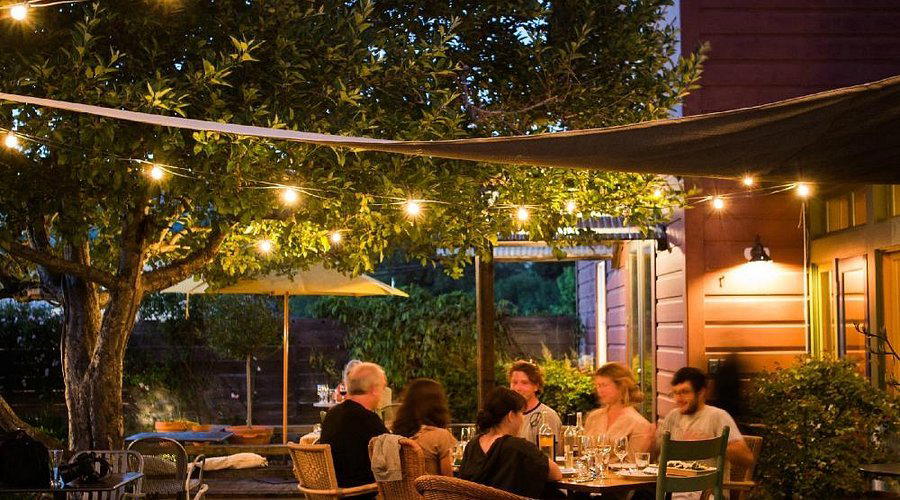
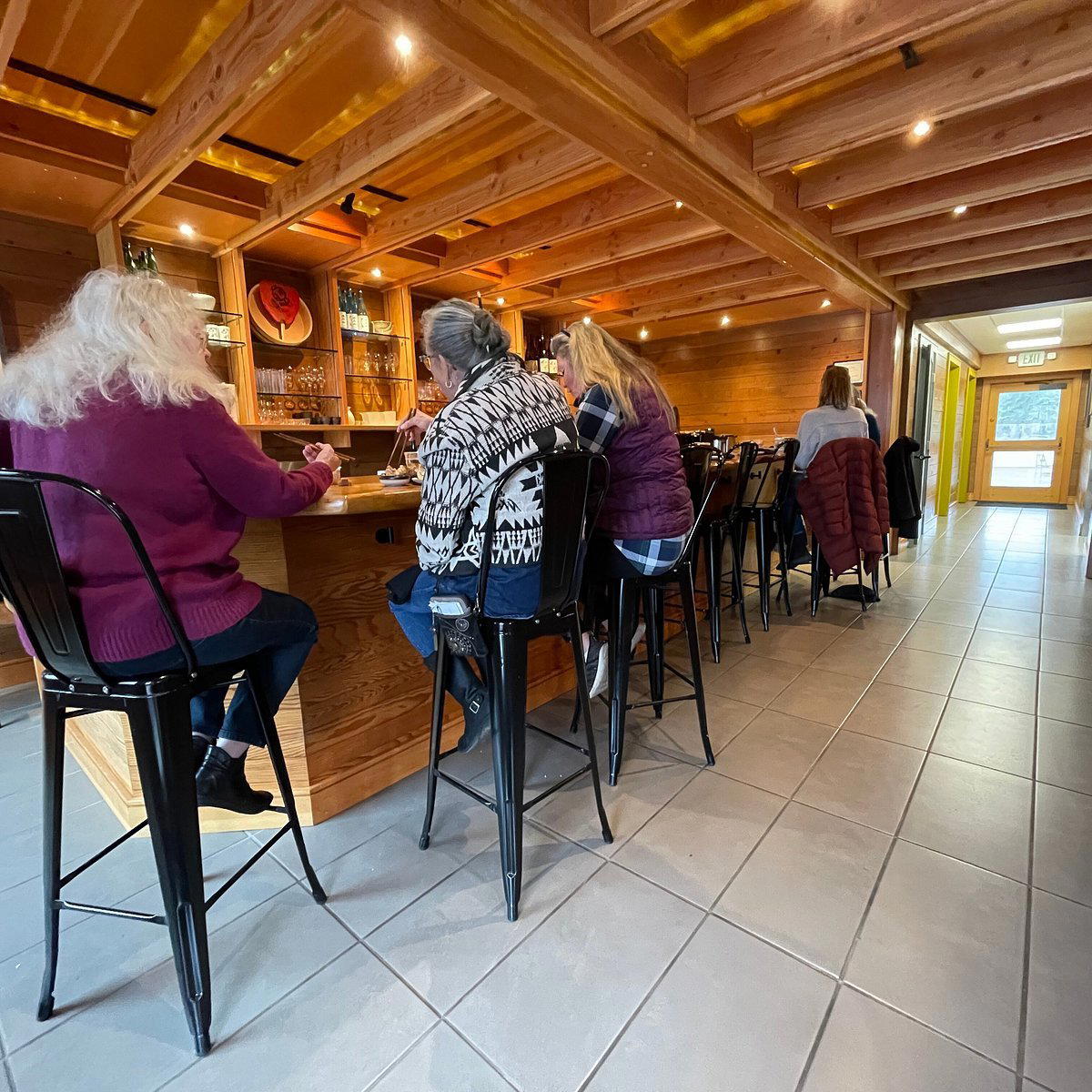
Gorgeous and cozy tasting room with high wood beam ceilings, beautiful gardens, vineyard views, and a relaxed, welcoming atmosphere praised by guests.