Hidden Cellars Winery
The winery sits within a cluster of estate-focused producers where agricultural philosophy and food-pairing hospitality tend to matter more than production scale.

Pearl is the En Primeur Club membership app — saves, bookings, and concierge access live there. Same editors, same standards.
- Address
- Redwood Valley, United States
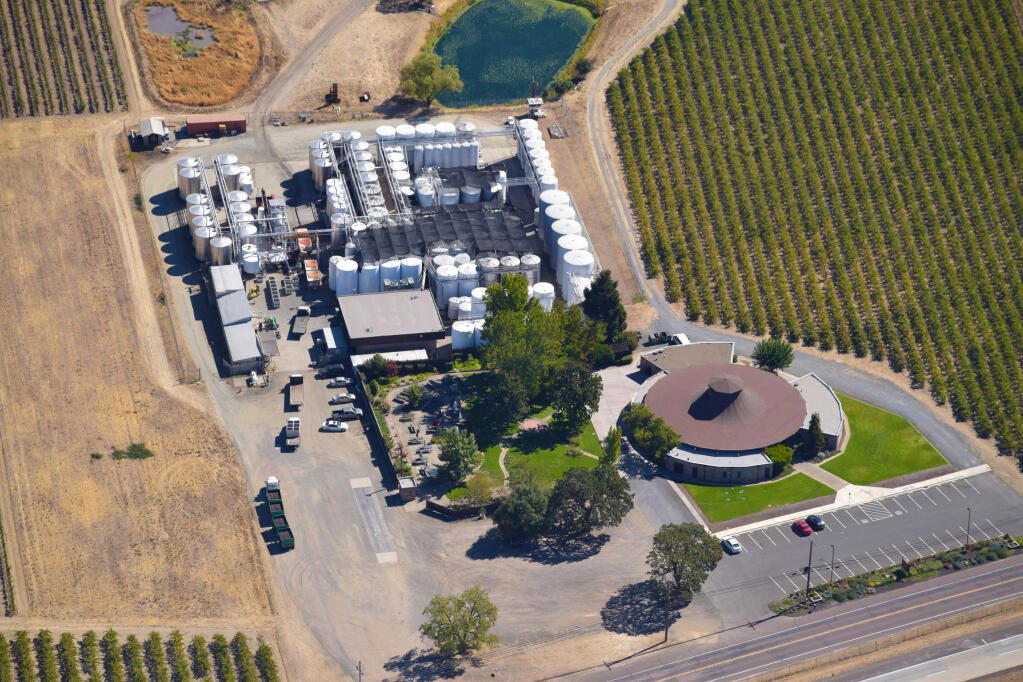
Redwood Valley's Quieter Register
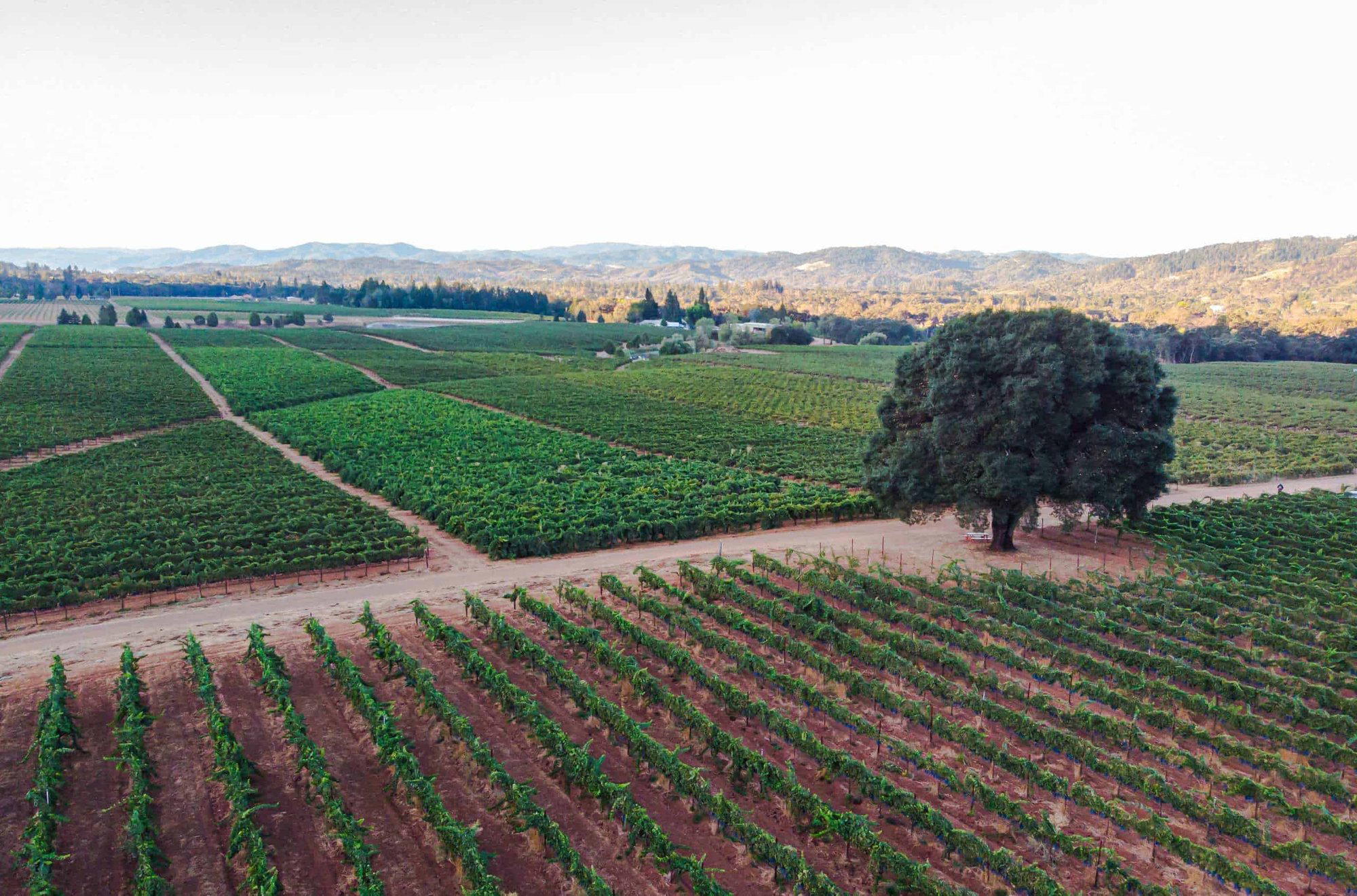
Mendocino County's wine identity gets written, most of the time, in Ukiah and Anderson Valley ink. Redwood Valley, running north along the Russian River's upper corridor, operates at a different register: fewer visitors, smaller production runs, and a producer community that has historically skewed toward organic and biodynamic farming before those terms carried marketing weight. Frey Vineyards certified biodynamic decades before the broader California wine trade treated the designation as a premium signal. Barra of Mendocino and Girasole Vineyards have similarly built their identities around estate farming rather than negociant sourcing. Within that context, Hidden Cellars Winery occupies a position that merits attention on its own terms.
The valley's floor sits at roughly 1,000 feet, with afternoon heat that pushes Zinfandel and Petite Sirah to full ripeness while morning fog from the coast keeps acidity intact. That thermal pattern produces wines that read differently from Napa's more discussed Cabernet register or Sonoma Coast's cool-climate Pinot profile. Producers here are working with a climate that rewards patience and attentiveness rather than intervention, and the resulting wines tend to suit the table more readily than the tasting room solo-sip format.
Across California wine country, 2 Star Prestige producers tend to cluster in one of two modes: the established estate with generational tenure, or the focused smaller producer whose wines have moved from local notice to broader critical attention.
For context on what that tier means in a competitive sense: producers at comparable recognition levels in Northern California include Accendo Cellars in St. Helena and Alpha Omega Winery in Rutherford, both operating in the Napa prestige tier where land values and visitor infrastructure are substantially higher. In Redwood Valley, that same recognition tier arrives without the appellation premium built into Napa real estate, which has pricing implications for the visitor. Comparable Prestige-tier producers in other California regions include Adelaida Vineyards in Paso Robles and Alban Vineyards in Arroyo Grande, both of which operate in appellations where the tasting room experience hasn't yet been priced to match the wine's critical standing. Redwood Valley follows a similar logic.
The Food Pairing Argument for Mendocino Reds
The editorial angle that matters most for Hidden Cellars sits in how Redwood Valley wines function at the table rather than in isolation. Mendocino County's red varieties, Zinfandel in particular, have a structural quality that differs from the jammy, high-alcohol expressions associated with some Lodi or southern San Joaquin Valley bottlings. The valley's diurnal temperature swings preserve enough acid to make the wines genuinely useful alongside food, rather than requiring the meal to work around the wine.
That food-pairing orientation is not incidental to the region. Producers like Graziano Family of Wines have long positioned their portfolio around Italian varieties, including Barbera and Sangiovese, that are inherently built for the table. Chance Creek Vineyards represents the smaller-estate end of the same conversation. Across this producer community, the working assumption is that the wine is going somewhere, not just being assessed. Hidden Cellars, with Prestige recognition in a valley where the cultural norm leans toward hospitality over spectacle, fits that orientation.
The broader California comparison is instructive. Wineries in warmer inland appellations can produce fruit-forward wines that read well in the tasting room but struggle to integrate with a meal's acidity and protein. Redwood Valley's climate produces wines with more give, more textural flexibility. That quality is harder to communicate in a tasting note than the sheer concentration of a Napa Cabernet, which is partly why the appellation remains underexposed relative to its actual quality ceiling.
Placing Hidden Cellars in the California Wine Map
Outside California, the Prestige-tier comparison set extends further. Adelsheim Vineyard in Newberg operates in Oregon's Willamette Valley with a similar orientation toward estate farming and food-pairing hospitality. Alexander Valley Vineyards in Geyserville sits closer geographically in Sonoma County and shares the historical estate identity. Andrew Murray Vineyards in Los Olivos works with Rhône varieties in Santa Barbara County's warmer zones, demonstrating how California's range of microclimates produces genuinely different wine types at comparable quality tiers.
What unites these producers at the Prestige level is a consistent approach: identifiable vineyard sourcing, production decisions that prioritize wine character over volume, and tasting room experiences calibrated to the wine rather than the gift shop. Hidden Cellars belongs to that pattern, operating in an appellation where the physical environment reinforces rather than undercuts the hospitality premise.
For the visitor planning a Northern California wine itinerary, Redwood Valley requires a deliberate northward commitment from the Sonoma-Napa corridor, roughly two hours from San Francisco depending on routing. That distance filters the day-tripper traffic and means the producers who receive visitors are generally set up to handle them well, with appointments carrying more weight than walk-in traffic. Wine regions where appointment culture predominates tend to offer more considered experiences than those running high-volume tastings. Redwood Valley's distance from the Bay Area concentrates that dynamic.
What to Consider Before Planning a Visit
Contacting the winery through its website or by phone before visiting is the reliable approach. For orientation on the broader Redwood Valley producer community, our full Redwood Valley restaurants and winery guide maps the area's key addresses across categories.
Producers at equivalent recognition levels in more visited appellations command significantly higher tasting fees. Redwood Valley's relative obscurity is, from a value perspective, an advantage rather than a liability. For visitors who have worked through the standard Napa-Sonoma circuit and are looking for production-serious, food-oriented alternatives, this appellation, and Hidden Cellars within it, represents a logical next step.
International comparison points offer a useful frame. Aberlour in Aberlour and Achaia Clauss in Patras both demonstrate how producer recognition at a regional level can exist well outside the most-photographed appellations, with quality that rewards the visitor who makes the effort to reach them. Redwood Valley follows the same principle within the California context.
Comparison Snapshot
Comparable venues nearby, for context on price, style, and recognition.
| Venue | Cuisine | Notes |
|---|---|---|
| Hidden Cellars WineryThis venue — the venue you are viewing | Zinfandel, Carignane | Not listed |
| Cole Bailey Vineyards | Winery | Redwood Valley |
| Chance Creek Vineyards | Sauvignon Blanc | Redwood Valley |
| Powicana Farm & Winery | Petite Sirah | Redwood Valley |
| Neese Vineyards | Zinfandel, Cabernet Sauvignon | Redwood Valley |
| Saint Gregory Winery | Pinot Noir, Pinot Grigio | Redwood Valley |
Continue exploring
More in Redwood Valley
Details
- Rustic
- Quiet
- Wine Education
- Group Outing
- Vineyard Tour
- Estate Grounds
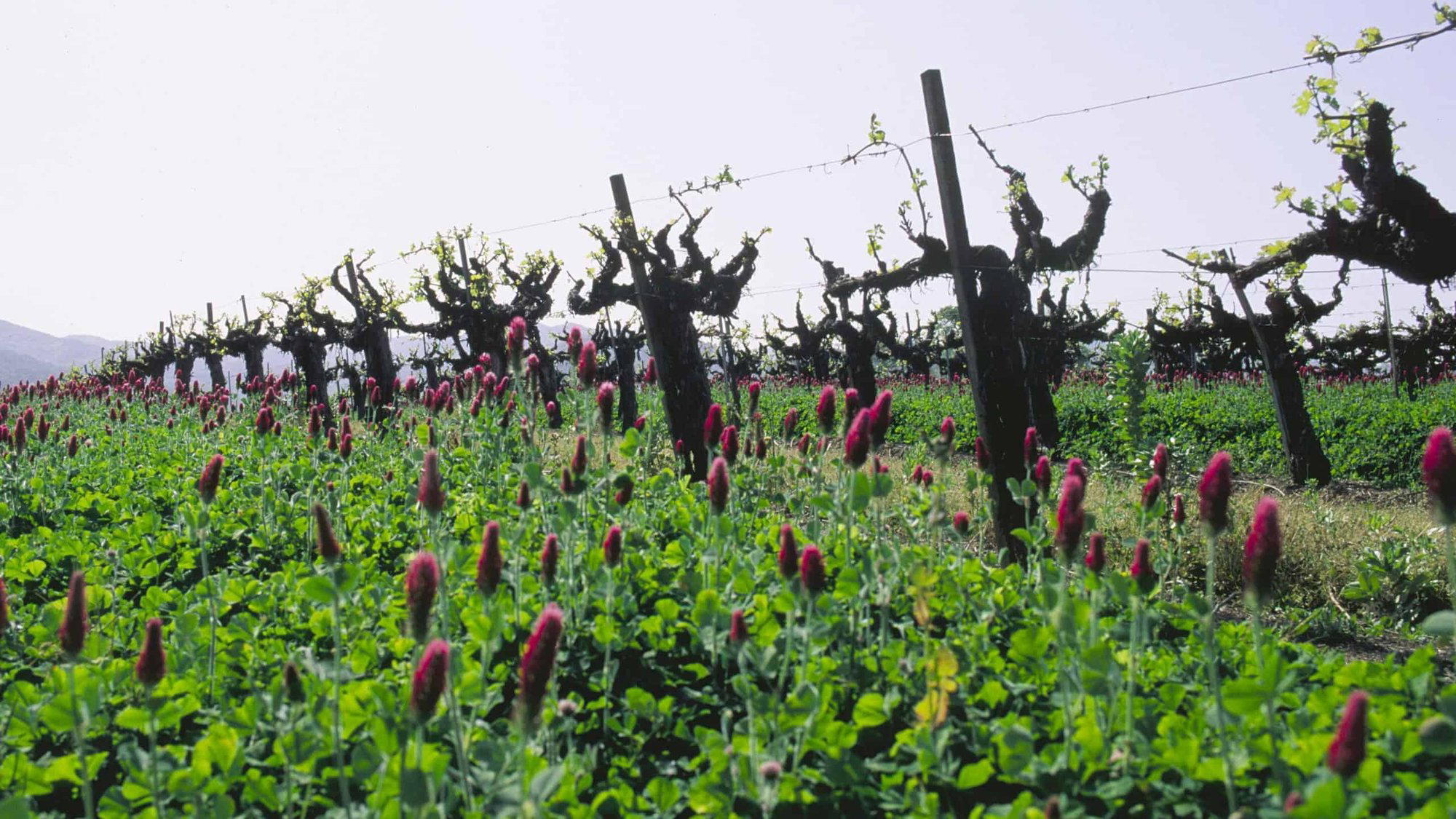
- Organic
- Vineyard
- Zinfandel
- Carignane
- Petite Sirah
- Still Red
- Standard Tasting
- English
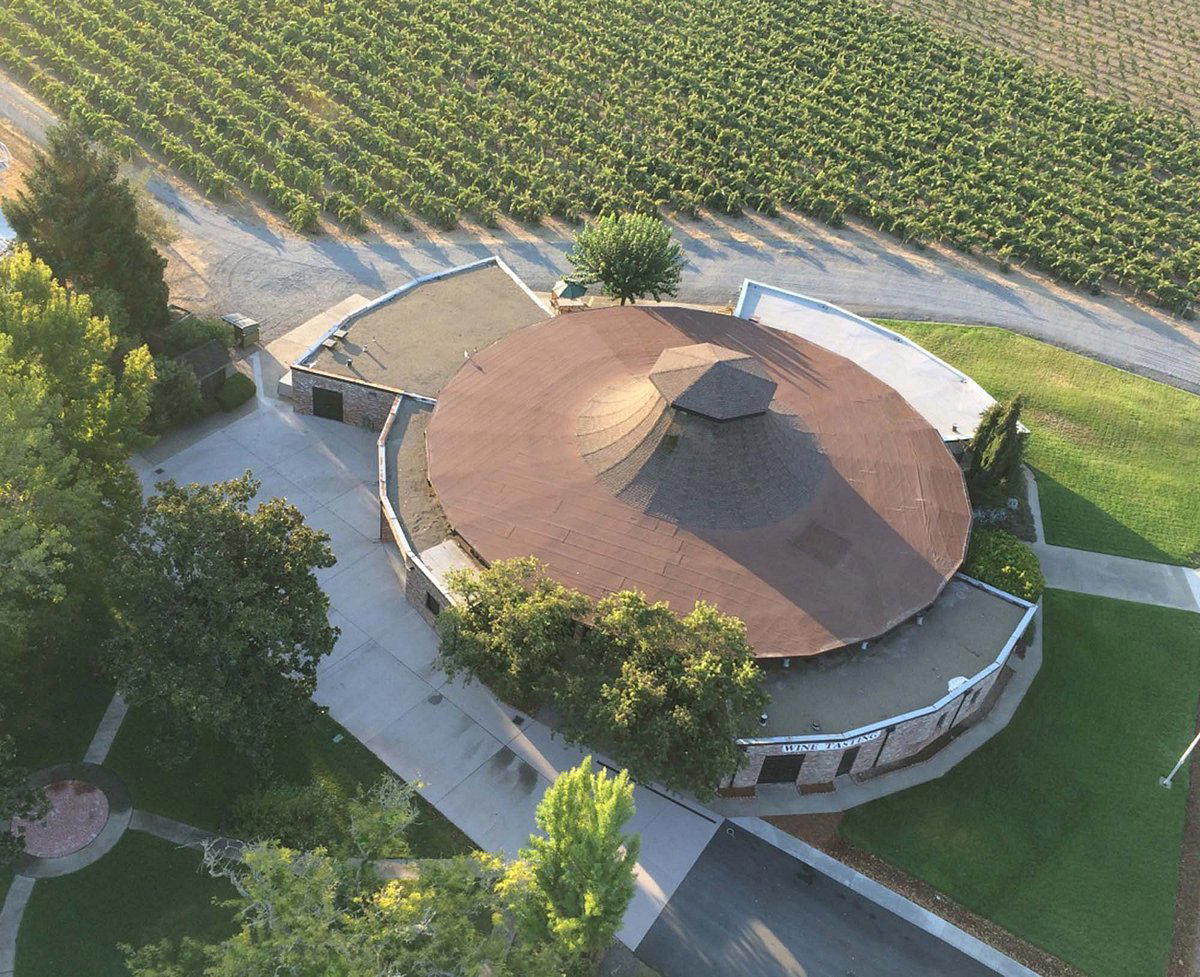
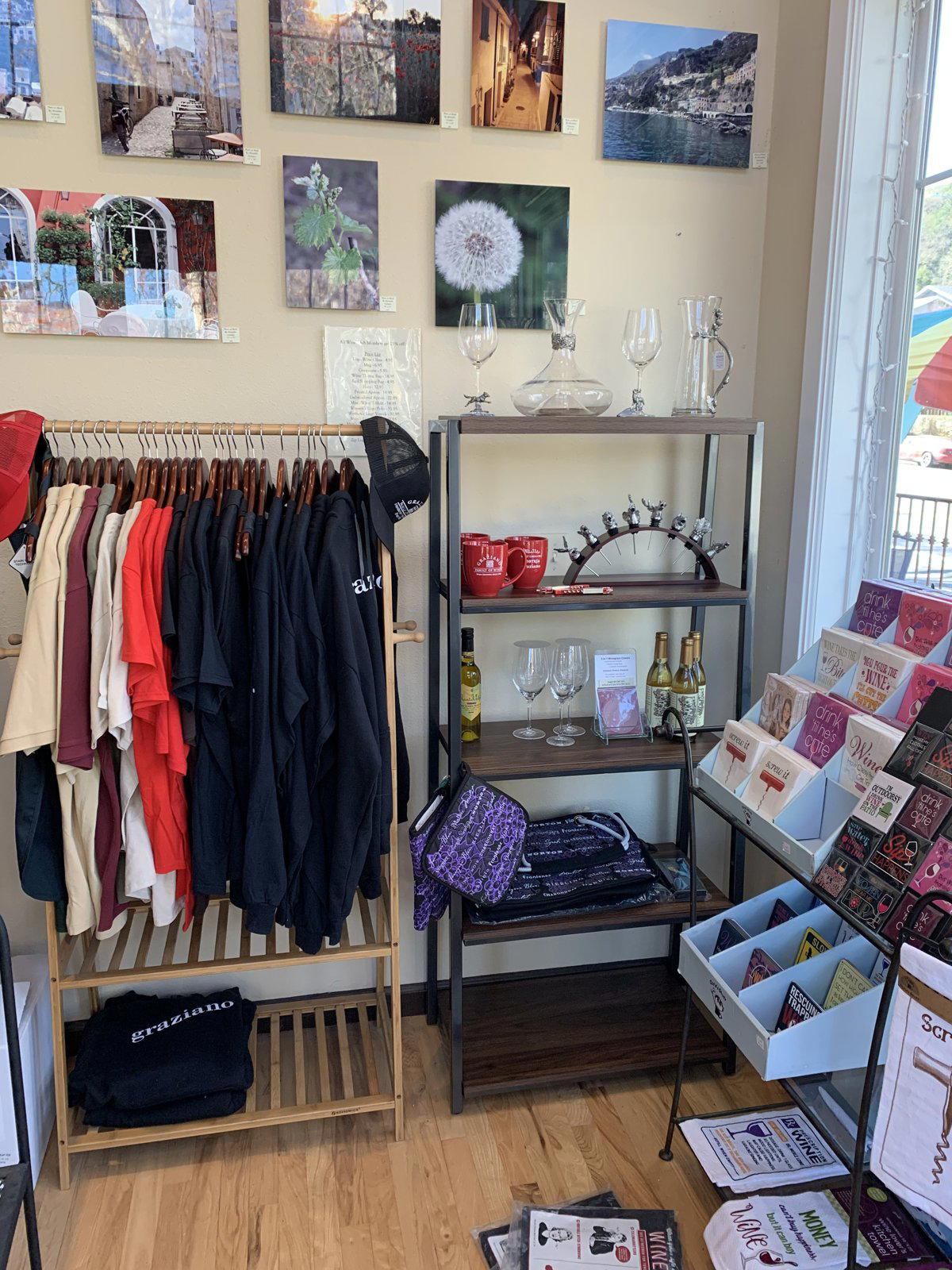
Peaceful, unpretentious tasting room with a focus on wine quality over architectural grandeur; welcoming and relaxed atmosphere.