
Falstaff Winery - Listed
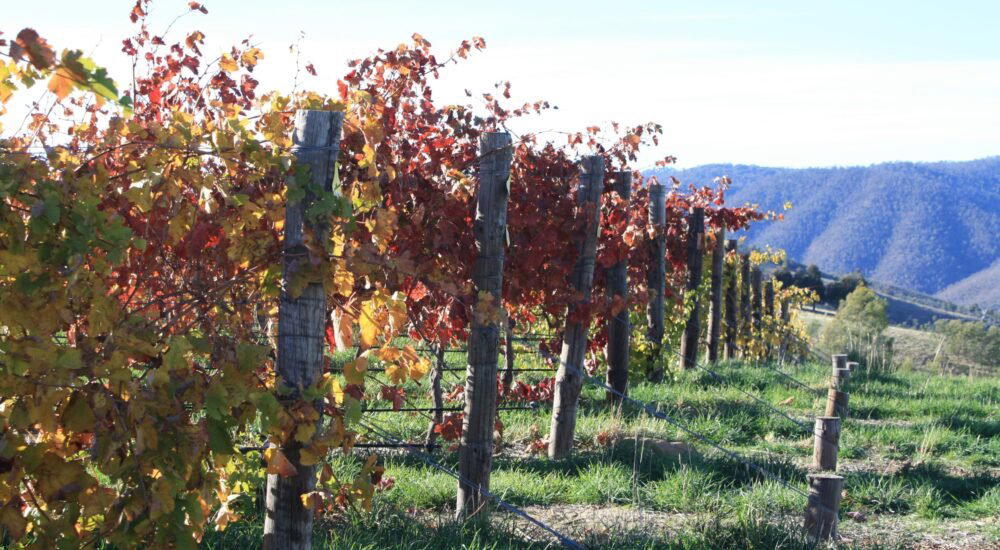
The estate is on Taminick Gap Road, a corridor where granitic soils and the Warby Ranges' moderating influence shape wines with a character distinct from the broader King Valley and Rutherglen belt. A serious address for anyone tracing Victorian terroir.

Pearl is the En Primeur Club membership app — saves, bookings, and concierge access live there. Same editors, same standards.
- Address
- 779 Taminick Gap Rd, Glenrowan VIC 3675
- Phone
- +61 3 5766 1600
- Website
- baileysofglenrowan.com
- Directions
- Get directions
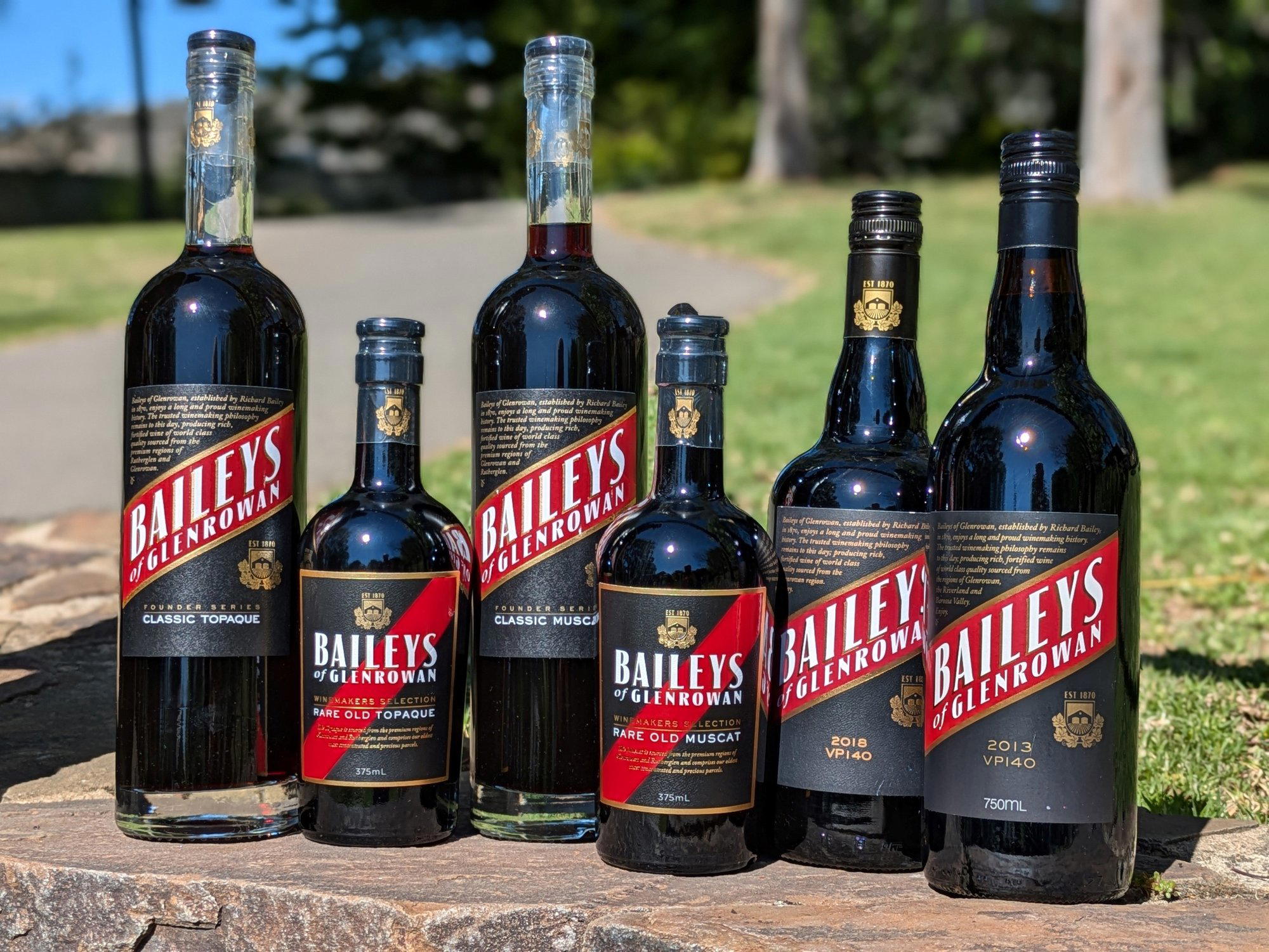
Glenrowan and the Country It Grows On
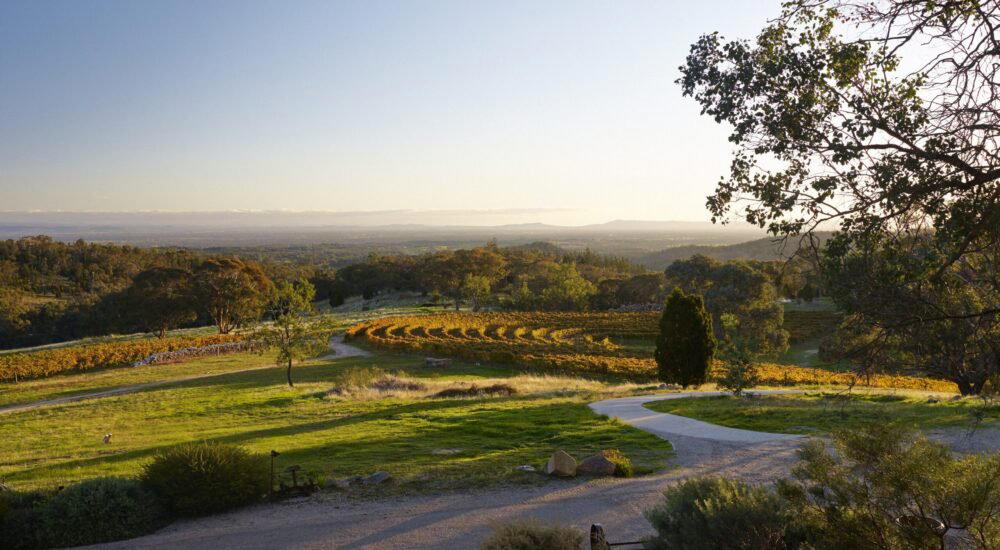
North East Victoria's wine map carries two distinct reputations that often get conflated. The fortified tradition anchored around Rutherglen — Muscat and Topaque aged in timber under corrugated-iron roofs — pulls most of the international attention. But Glenrowan, sitting to the south-west along the Hume Freeway corridor, has always operated as a separate proposition: granite-influenced soils, slightly higher elevation, and a diurnal range that slows ripening in ways that affect the structure of both table wine and fortified styles. Baileys of Glenrowan, at 779 Taminick Gap Road, sits precisely within that geography, and the distinction matters when tasting the wines against their Rutherglen neighbours.
The Warby Ranges form a natural windbreak along the estate's western edge, moderating afternoon heat and extending the growing season into conditions that favour phenolic development without sacrificing acid. In a region where Shiraz historically ran warm and generous, that topographic advantage produces a version of the variety with more structural tension than the pure-fruit exuberance typical of lower-lying Rutherglen plots. The same principle applies to the fortified program: extended hang-time on Muscat and Muscadelle grapes in this micro-zone creates a different flavour trajectory compared to the same varieties harvested under more direct Rutherglen heat.
That tier sits above entry-level recognition and signals a body of work across multiple vintages rather than a single standout release. For a Glenrowan address, the rating contextualises the estate within a competitive set that includes producers like All Saints Estate in Rutherglen and broader Victorian references such as Bass Phillip in Gippsland and Leading's Wines in Great Western, each operating as a regional anchor in their own right.
Producers like Henschke, Clarendon Hills, and Penfolds occupy the national conversation at volume, but the structural argument for a smaller, geographically specific producer is often more interesting to the committed taster: the award reflects what the land is doing, not what a marketing infrastructure is projecting. North East Victoria has enough history and enough soil diversity that a prestige-rated estate from Glenrowan warrants the same analytical attention as any comparable Victorian address.
Shiraz as a Terroir Document
Shiraz is where Glenrowan's terroir argument is most legible. The variety has deep roots in North East Victoria, commercial plantings here predate Federation, and the accumulated site knowledge shows in older-vine material that has adapted to the granite-loam profiles along Taminick Gap Road. Granite soils drain efficiently, forcing vine roots deeper in dry years and contributing a mineral tension that counters the region's warm-climate tendencies. That tension is the defining characteristic separating Glenrowan Shiraz from the broader Victorian warm-climate category.
It is worth placing this in a national context. South Australian Shiraz from the Barossa Valley operates on deep, clay-rich soils that encourage concentration and plush texture. McLaren Vale adds iron-stone complexity. Heathcote's Cambrian-era soils produce a different mineral signature again. Glenrowan's granite profile sits closest in character to some of the higher-altitude Eden Valley material, though the climate runs warmer. Producers across the country working with site-specific Shiraz, from Brokenwood in Hunter Valley to Cape Mentelle in Margaret River, share the same underlying principle: the variety reads differently depending on what it grows in, and the leading expressions make that reading explicit.
The Fortified Tradition
Any serious engagement with Baileys of Glenrowan runs through its fortified program. North East Victoria's fortified wines are among the most historically significant in Australia's entire wine output, a tradition of solera-style aging that produces Muscat and Topaque at a range of classifications from Rutherglen to Grand and Rare. Glenrowan participates in that tradition with its own soil signature, and the estate's longstanding commitment to the style places it in the company of producers that have maintained the category through decades when Australian table wine commanded more commercial attention.
The category comparison is instructive. Fortified wine across Australia's other regions, the tawny ports of McLaren Vale, the Apera styles from larger producers like Angove Family Winemakers in Renmark, operates on a different register to the oxidative, rancio-rich complexity of North East Victorian Muscat. The Glenrowan version sits within that North East Victorian tradition but inflects it with the specific maturation conditions of the Taminick Gap site.
Reading the Estate in Its Regional Context
Glenrowan itself is a small town whose name carries historical resonance well beyond wine, it is the site of Ned Kelly's last stand in 1880, a fact that shapes the region's tourism infrastructure more than most wine producers would probably prefer. The wine story runs parallel and often gets underreported because the region lacks the critical mass of cellar-door traffic that Rutherglen, the Yarra Valley, or the Mornington Peninsula attract. That relative quietness is, in practical terms, an advantage for the serious visitor: the tasting experience at an estate like Baileys operates without the weekend-crowd dynamic that characterises higher-profile Victorian wine destinations.
The nearest comparison in terms of regional character and scale is Brown Brothers in King Valley, a larger, family-owned North East Victorian operation that has expanded its varietal range significantly in recent decades. The comparison is useful precisely because the two estates represent different strategic positions within the same broad geography: Brown Brothers has moved toward volume and varietal diversity; Glenrowan producers have maintained a tighter regional focus around Shiraz and fortified styles. Neither position is inherently superior, but for the taster interested in what the specific terrain produces rather than what the market wants, the Glenrowan focus is the more coherent argument.
Further afield, the Victorian producer field includes estates like Blue Pyrenees Estate in Pyrenees, another region where elevation and soil character produce wines distinct from the state's warmer zones, and the Gippsland benchmark set by Bass Phillip. Placed within that matrix, Baileys occupies a position defined by warm-climate depth and fortified heritage, rather than the cool-climate precision that characterises the state's southern regions.
Planning a Visit
Baileys of Glenrowan sits on Taminick Gap Road, accessible from the Hume Freeway between Melbourne and Albury-Wodonga. The drive from Melbourne runs approximately three hours; from Albury, it is closer to 45 minutes. Glenrowan is a small township and the estate sits slightly outside the village centre, so arrival by car is the standard approach. Given the limited hospitality infrastructure in Glenrowan itself, visitors combining the region with Rutherglen, where accommodation options are more developed, find the pairing natural: both towns are within 30 kilometres of each other along the King Valley corridor, and the contrast in soil character and style between Rutherglen and Glenrowan Muscat makes a single-day comparison tasting a useful exercise.
For broader context on what the area offers, our full Glenrowan restaurants and venue guide covers the region's dining and hospitality picture alongside its wine addresses.
Side-by-Side Snapshot
Comparable venues nearby, for context on price, style, and recognition.
| Venue | Cuisine | Price | Awards | Notes |
|---|---|---|---|---|
| Baileys of GlenrowanThis venue — the venue you are viewing | shiraz, muscat | Not listed | Falstaff Winery - Listed | Not listed |
| Four Pillars Distillery | Yarra Valley | Not listed | Not listed | Healesville |
| Morris Wines | Muscat a Petits Grains Rouge, Muscadelle | Not listed | Not listed | Browns Plains |
| Brown Brothers | Shiraz, Prosecco | $50–100 | Not listed | King Valley |
| Sorrenberg | Chardonnay, Sauvignon Blanc | Not listed | Not listed | Beechworth |
| Chief's Son Distillery | Mornington Peninsula | Not listed | Not listed | Somerville |
Recognition history
Dated appearances from independent guides and award organizations, with the underlying list record or original source where available.
Falstaff Winery - Listed
Falstaff
Continue exploring
More in Glenrowan
Wineries in Glenrowan
Browse all →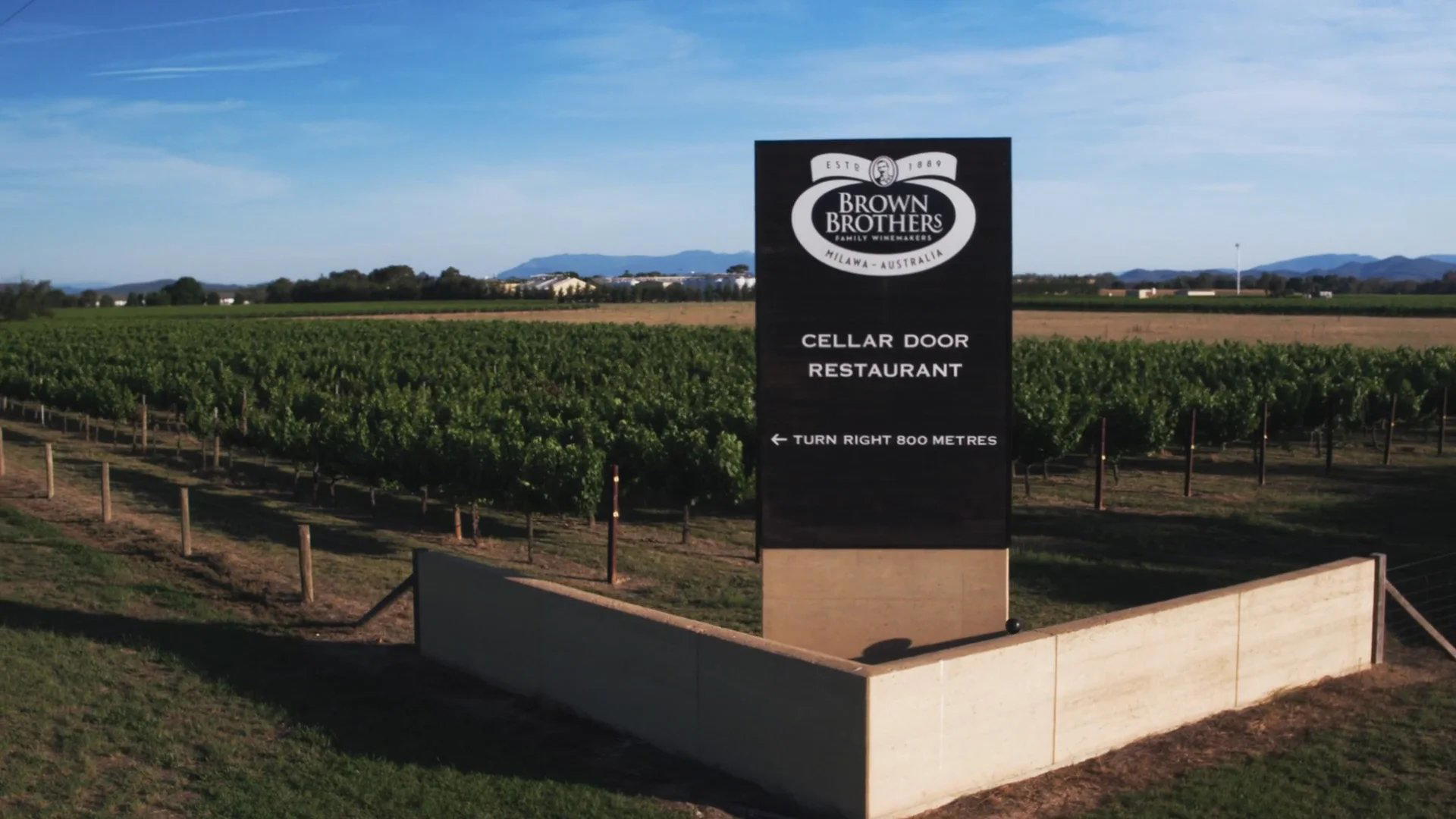

Restaurants in Glenrowan
Browse all →
Details
- Rustic
- Scenic
- Classic
- Well Known
- Group Outing
- Family
- Wine Education
- Estate Grounds
- Garden
- Historic Building
- Organic
- Vineyard
- Garden
- Shiraz
- Muscat
- Topaque
- Still Red
- Fortified
- Cellar Door Tasting
Delightful garden setting with beautiful greenery, shady trees, and heritage-listed buildings offering a peaceful, historic atmosphere.