
A small, family-run Piedmont estate in Alba, Azienda Vitivinicola Cascina Casanova is strongest for travelers who want vineyard context rather than architectural theatre. The focus is Nebbiolo, Barbera and Dolcetto, with estate holdings reaching toward La Morra and a low-impact cultivation philosophy that keeps the emphasis on land, grape and rural continuity.

Pearl is the En Primeur Club membership app — saves, bookings, and concierge access live there. Same editors, same standards.
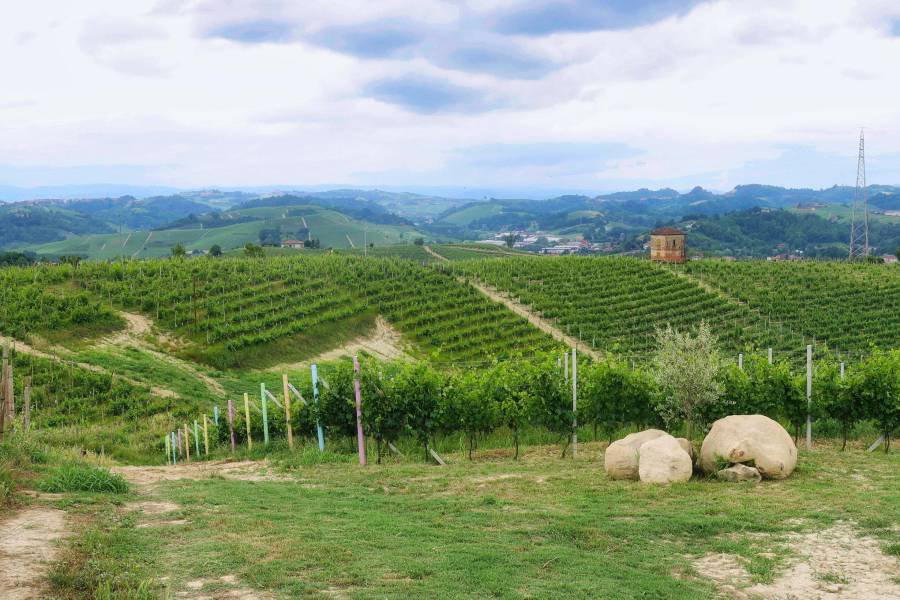
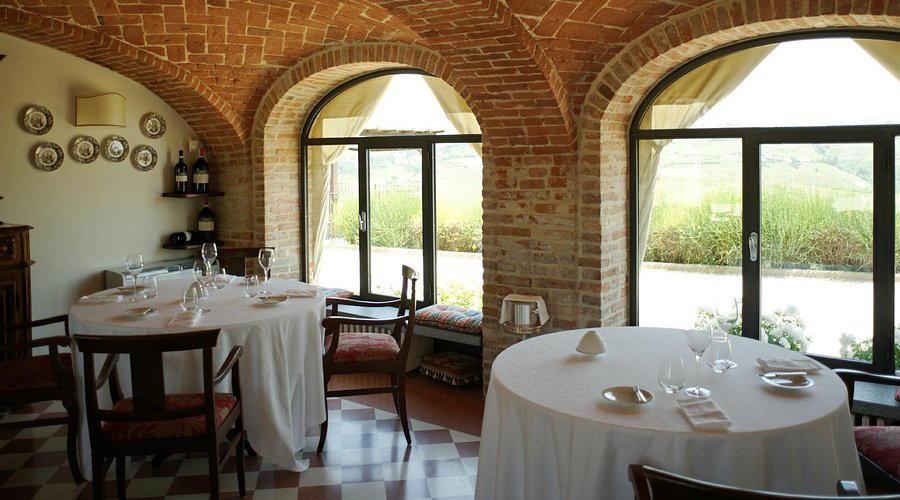
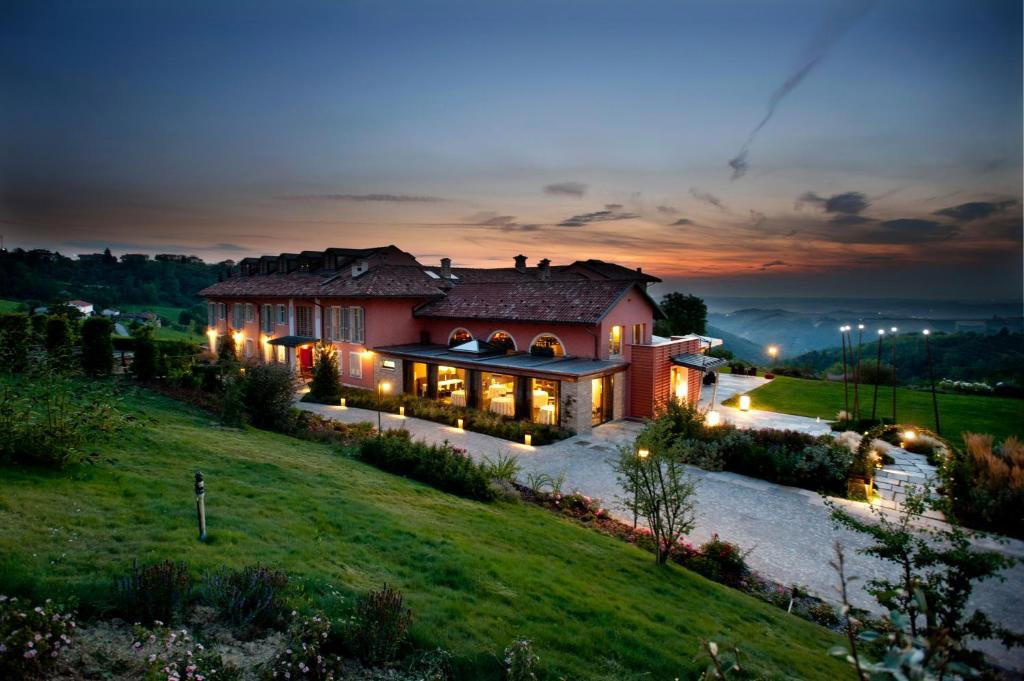
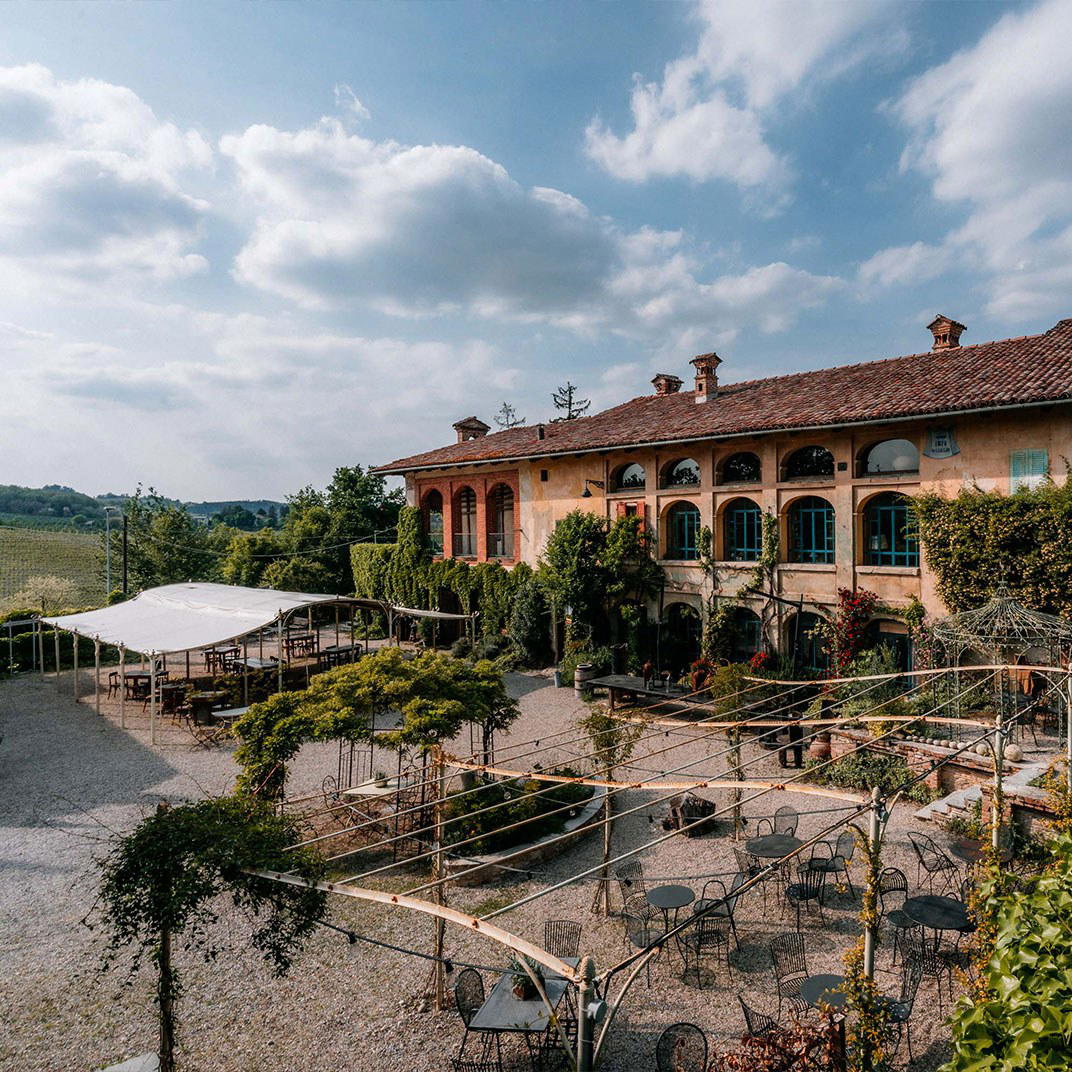
Azienda Vitivinicola Cascina Casanova in Alba is best understood as a small, family-run Piedmont estate with a traditional rural feel. The picture is deliberately modest: this is not a venue defined by architectural showmanship or a highly polished hospitality identity. Its appeal rests on vineyard work, low-impact cultivation, and an atmosphere that feels authentic, down-to-earth, rustic, scenic, and classic.
For travelers researching Alba, that distinction matters. The area is often approached through wine, landscape, and agricultural heritage, and Cascina Casanova fits that frame without needing an inflated story around it. The estate’s public profile, as here, is not built on named awards, exact scores, chef-led dining, elaborate service formats, or a published list of special amenities. It is better presented plainly: a Piedmont wine estate in Alba where the rural setting and family-run character are central to the experience.
Alba wine without the showroom gloss
One grounded way to describe Azienda Vitivinicola Cascina Casanova is as a quieter Alba estate where the focus remains close to the land. Its traditional rural feel is part of the draw. Rather than presenting itself through grand design, spectacle, or a luxury-hospitality script, the estate is associated with vineyard work and low-impact cultivation.
That makes the venue useful for visitors who want a more down-to-earth sense of Piedmont. The atmosphere is rustic and scenic, but the point is not decorative scenery alone. The emphasis is on a working estate identity: small scale, family-run character, and a classic rural setting that keeps attention on cultivation rather than display.
Specific grape varieties, individual labels, cellar formats, tour structures, reservation rules, language availability, opening hours, and named accolades are not confirmed here. The reliable editorial takeaway is simpler: Cascina Casanova belongs on an Alba list for travelers looking for an authentic, low-key wine-estate atmosphere rather than a showpiece address.
Terroir is the argument, not the decoration
At Cascina Casanova, the strongest theme is the relationship between the estate and its land. The description points to vineyard work and low-impact cultivation, which gives the venue its substance. In practical editorial terms, that means the estate should be framed through agricultural context rather than invented details about menus, hospitality packages, or awards.
This is also why the venue’s style should be described carefully. “Rustic,” “scenic,” and “classic” are appropriate because they match the profile. A premium guide can still be useful without filling gaps: it can tell readers what is known, what the venue is well suited for, and where the appeal lies.
The price level is listed as $$, which places it in a moderate bracket for guide purposes. Readers should therefore treat the $$ marker as a broad price signal, not as a promise of a specific package or spend.
Where it fits in a serious Alba itinerary
Azienda Vitivinicola Cascina Casanova fits an Alba itinerary as a grounded, rural estate rather than as a spectacle-driven stop. Strong reason to include it is the combination of family-run character, vineyard focus, low-impact cultivation, and an authentic atmosphere. For travelers who value place, landscape, and the quieter side of Piedmont wine culture, that is enough of a reason to pay attention.
It is also worth keeping expectations precise. It also does not confirm external rankings or awards. Presenting the estate honestly means resisting the temptation to turn a rural wine property into something more elaborate than the facts support.
The editorial verdict is direct: choose the winery when the goal is a classic, scenic, down-to-earth Piedmont estate experience in Alba. Its strength is not a heavily branded hospitality concept. Its strength is the rural setting, the small family-run feel, and the focus on vineyard work and low-impact cultivation.
Recognition history
Dated appearances from independent guides and award organizations, with the underlying list record or original source where available.
Falstaff Winery - Listed
Falstaff
Continue exploring
More in Alba
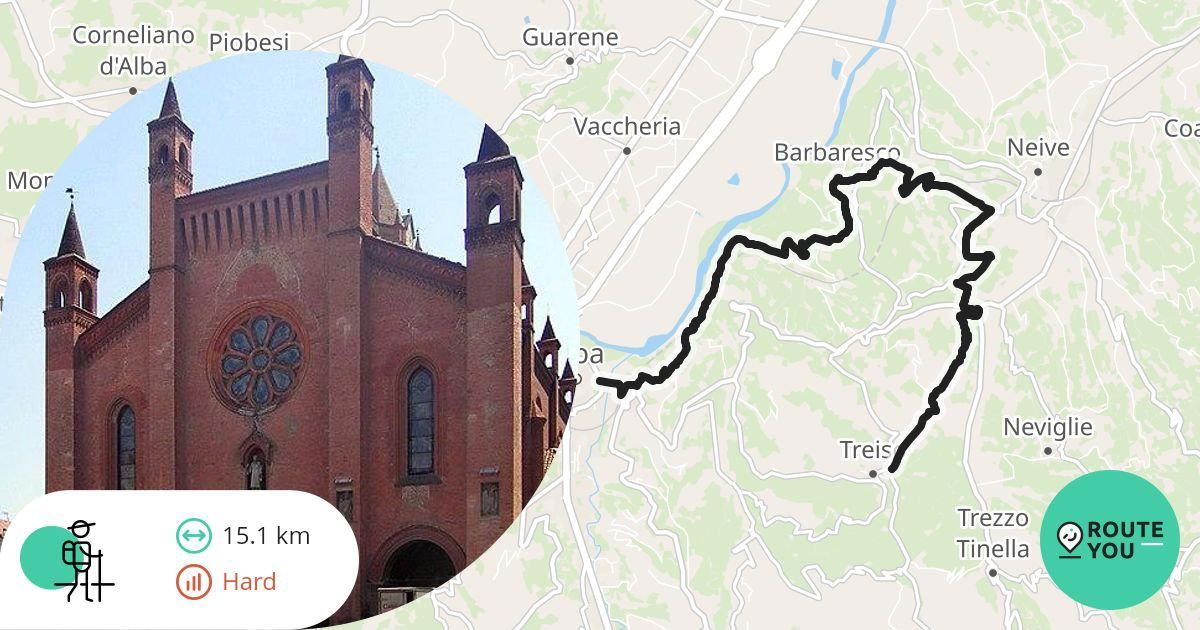
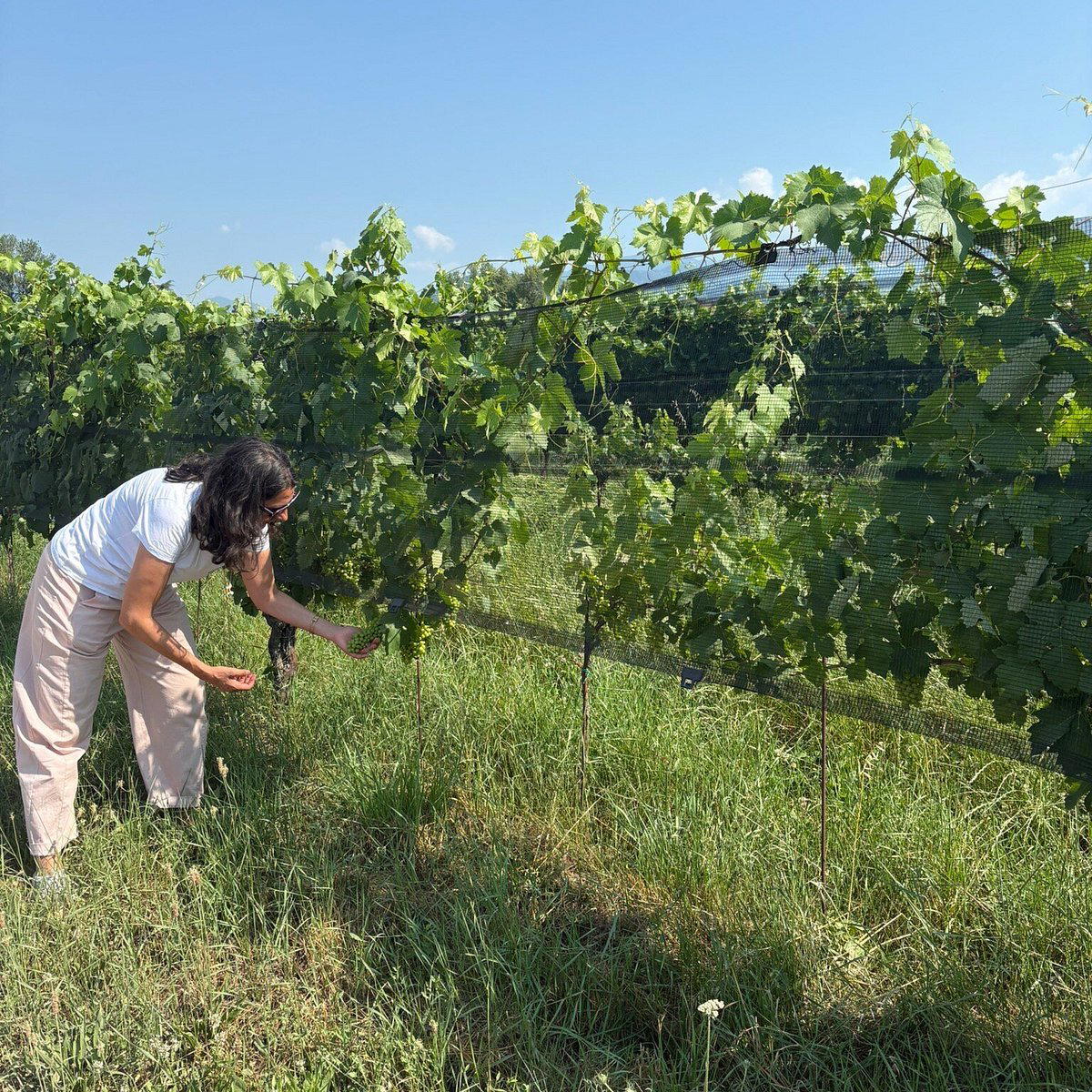
Wineries in Alba
Browse all →
Bars in Alba
Browse all →
Restaurants in Alba
Browse all →
At a Glance
- Rustic
- Scenic
- Classic
- Intimate
- Romantic Getaway
- Group Outing
- Wine Education
- Solo Exploration
- Estate Grounds
- Vineyard Tour
- Sustainable
- Vineyard
- Mountain
- Alba DOC
- Nebbiolo
- Barbera
- Dolcetto
- Still Red
- Still White
- Still Rosé
- Estate Tasting
- Vineyard Visit
Small family-run Piedmont estate with a traditional, rural feel; the focus is on vineyard work and low-impact cultivation rather than architectural showmanship, giving tastings an authentic, down-to-earth atmosphere.