Google: 4.7 · 424 reviews
Zur Wolfshöhle


Zur Wolfshöhle holds a Michelin star and 81 points in La Liste's 2026 global ranking, placing it among Freiburg's most decorated tables. Under chef Josh Overington, the kitchen works a classic cuisine register that reads seriously against Germany's broader fine-dining map. Located on Konviktstraße in the Altstadt, it draws a crowd that knows the difference between a meal and an occasion.
 Discover on Pearl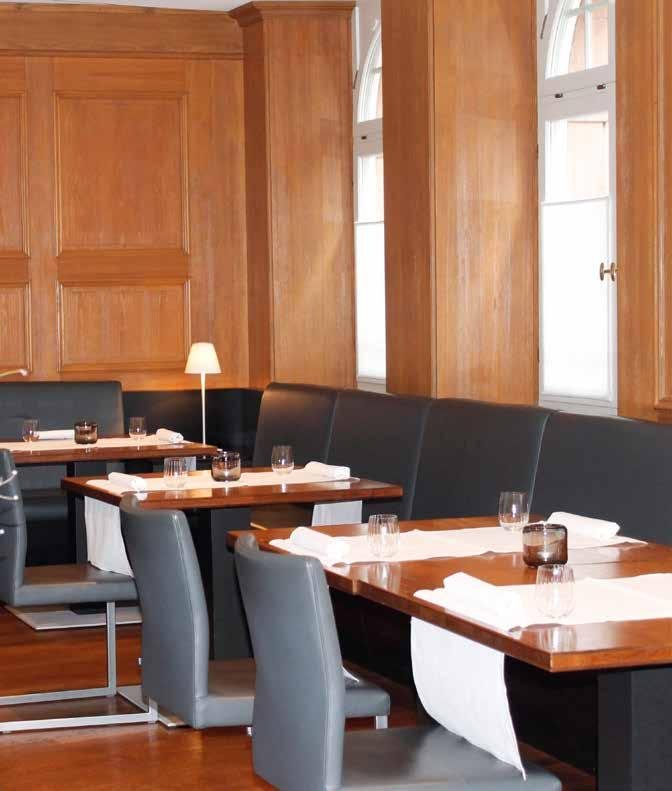
Where Freiburg's Fine-Dining Seriousness Becomes Physical
Konviktstraße is one of those narrow Altstadt streets that feels older than its current postcode suggests. The stone-framed entrance to Zur Wolfshöhle, at number 8, prepares you for a room that has absorbed a few centuries of expectation: low ceilings, warm light, the particular quiet that comes not from emptiness but from a dining room where people are paying close attention to what is in front of them. This is not a place you stumble into. You book it, you arrive at a measured pace, and the building tells you immediately that the kitchen takes the same approach.
In the broader context of German fine dining, a Michelin star maintained across consecutive years — 2024 and 2025 — and 81 points in La Liste's 2026 global ranking represent a specific tier of credibility. La Liste aggregates critical opinion across multiple international sources, which means 81 points is not a local award but a position on a worldwide competitive map. Zur Wolfshöhle sits in a bracket that includes serious kitchens across Germany, from JAN in Munich to Schwarzwaldstube in Baiersbronn, and the credentials here invite comparison with that company rather than with the city's broader restaurant population.
Classic Cuisine in a Region That Earns the Label
The cuisine type listed is classic, and in the Black Forest and Rhine Valley corridor that word carries particular weight. This is a region with deep ties to French technique , Alsace is thirty minutes east across the Rhine, and the cross-border exchange of culinary ideas has shaped kitchens on both sides for generations. Classic cuisine in this context means something more historically anchored than the term implies in cities further north. It suggests an understanding of sauce work, of structure, of the relationship between a dish's architecture and the ingredient at its centre.
Chef Josh Overington operates within that tradition. His name is British, which places him in the growing cohort of non-German chefs who have embedded themselves in Germany's regional fine-dining scene, bringing outside perspective to a cuisine that rewards both technical rigour and geographical rootedness. Germany's starred kitchens have increasingly drawn international talent, and Freiburg, with its proximity to France and Switzerland, is a logical convergence point. Within Freiburg's €€€€ tier, Zur Wolfshöhle sits alongside Colombi Restaurant Zirbelstube (Classic French), Eichhalde (Italian), Jacobi (Innovative), and Hawara (Modern Cuisine), but its sustained Michelin recognition distinguishes it within that peer group.
The Team Dynamic: How the Room Reads
In classic cuisine at this level, the kitchen's ambition is only half the proposition. The other half is the service architecture that surrounds it. At a Michelin-starred table in a space as characterful as Wolfshöhle's vaulted interior, the relationship between the kitchen team, the sommelier, and the front-of-house defines whether the meal coheres as a single experience or fractures into a series of impressive but disconnected moments.
The signature of a well-calibrated team is pacing: the speed at which information is offered about what you are eating, the interval between courses, the moment wine is poured relative to the arrival of a dish. In rooms with 4.7 out of 5 across 407 Google reviews, that calibration tends to show up consistently in written feedback, which suggests the service at Wolfshöhle is not incidental to its reputation. A 407-review dataset at that rating indicates a stable pattern rather than a handful of exceptional evenings pulling the average upward.
The sommelier's role in a classic cuisine environment is to reinforce the kitchen's logic. In a region where Baden wines, Alsatian bottles, and Burgundian imports all sit within plausible reach, a well-constructed wine programme becomes a statement about the kitchen's frame of reference. The front-of-house in turn translates that logic for guests who may not read menus with technical attention, and does so without the formality tipping into distance. The 4.7 score across a meaningful review volume suggests that distance is not the default register here.
For broader context on what this tier of collaboration looks like across Germany's fine-dining scene, it is worth considering how kitchens like Aqua in Wolfsburg, Vendôme in Bergisch Gladbach, and ES:SENZ in Grassau structure the relationship between kitchen and floor. Wolfshöhle's position within that national conversation is earned, not assumed.
Freiburg's Fine-Dining Position on Germany's Map
Freiburg is not the first city that comes to mind when German gastronomy is discussed in broad terms. Munich, Berlin, Hamburg, and the Rhine-Ruhr corridor tend to anchor those conversations. But Freiburg's proximity to three countries and one of Europe's most influential wine and produce corridors has quietly built a dining scene that punches above its population weight. For a city of around 230,000, the concentration of €€€€ kitchens with serious credentials is notable, and Wolfshöhle is at the sharper end of that concentration.
The comparison most relevant to understanding Wolfshöhle's position is not with other Freiburg restaurants but with classic-cuisine tables of equivalent ambition across Germany and into France. KOMU in Munich and Maison Rostang in Paris occupy similar registers of classic discipline, and placing Wolfshöhle in that company rather than simply within its city is the more useful critical frame. Similarly, CODA Dessert Dining in Berlin represents how German kitchens at this level can push a single discipline to its structural limit , a useful counterpoint to Wolfshöhle's more classically integrated approach.
For guests exploring Freiburg beyond this table, Basho-An offers a Japanese register at a lower price tier, which makes it a logical adjacent evening rather than a direct competitor. The city's full range is covered in our full Freiburg im Breisgau restaurants guide.
Planning the Visit
Zur Wolfshöhle is at Konviktstraße 8 in Freiburg's Altstadt, a central address that is walkable from most hotels in the historic core. The price range is €€€€, which positions it as a considered-expenditure evening rather than a spontaneous one. Given the Michelin standing and consistent review volume, advance booking is advisable rather than optional; tables at this level in cities with limited starred inventory tend to fill well ahead. The Altstadt's narrow streets make this a dinner leading approached on foot or by taxi rather than by car, and the compact geography of Freiburg means most visitors will be within reasonable distance. For accommodation context, our Freiburg hotels guide covers the relevant options near the Altstadt. If you are building a broader itinerary around the city, the bars guide, the wineries guide, and the experiences guide offer the surrounding context.
- Jacobsmuscheln (scallops)
- Rehkitz (venison)
- Topfenknödel (curd dumplings)
- Backhendl (breaded fried chicken)
- Bresse Taube (Bresse pigeon)
- Ochsenschwanz (braised oxtail)
Reputation First
These are the closest comparables we have in our database for quick context.
| Venue | Awards | Cuisine | Notes |
|---|---|---|---|
| Zur Wolfshöhle | Michelin 1 Star | Classic Cuisine | This venue |
| Colombi Restaurant Zirbelstube | Michelin 1 Star | Classic French | Classic French, €€€€ |
| Eichhalde | Michelin 1 Star | Italian | Italian, €€€€ |
| Jacobi | Michelin 1 Star | Innovative | Innovative, €€€€ |
| Hawara | Michelin 1 Star | Modern Cuisine | Modern Cuisine, €€€€ |
| Basho-An | Japanese | Japanese, €€ |
Continue exploring
More in Freiburg im Breisgau
Restaurants in Freiburg im Breisgau
Browse all →
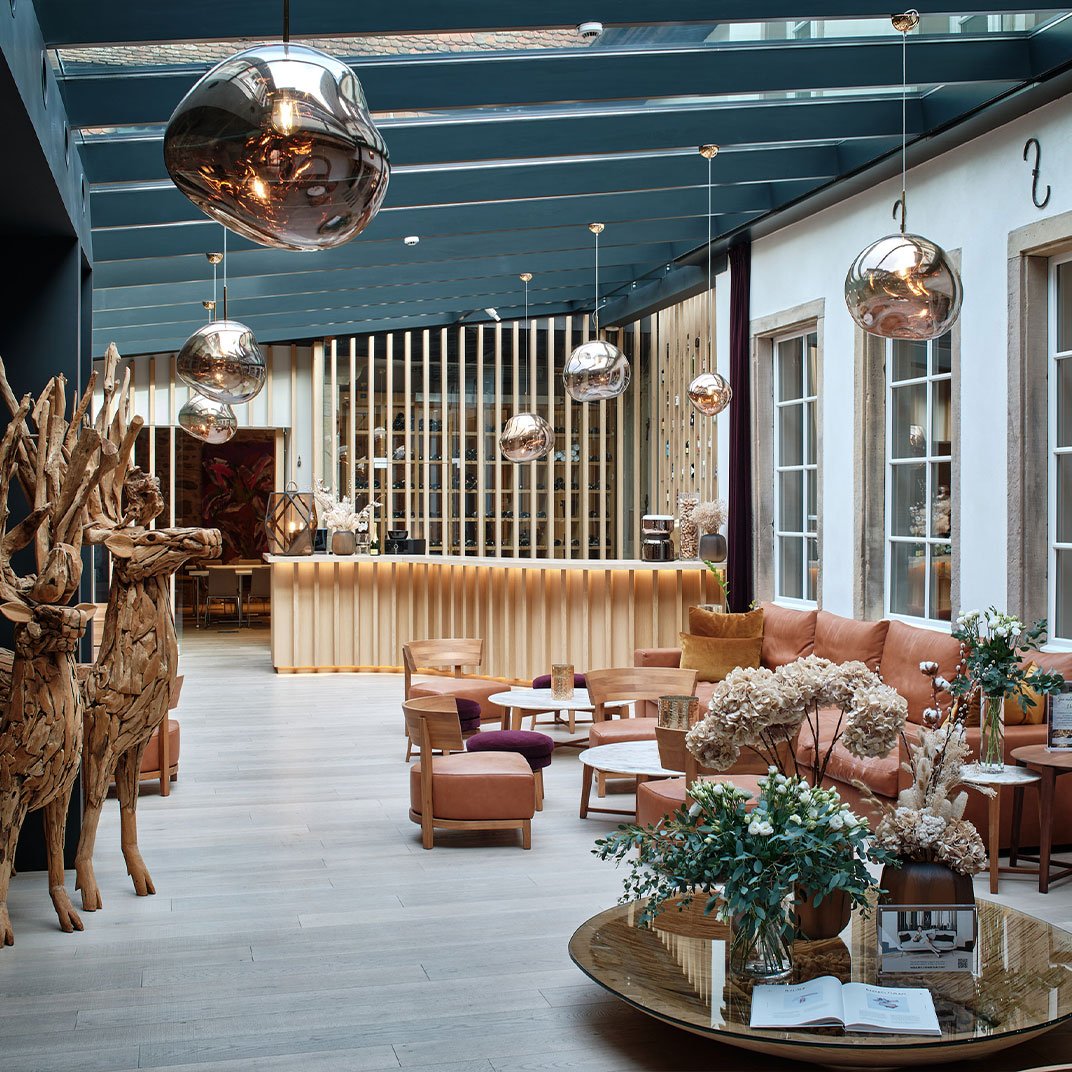
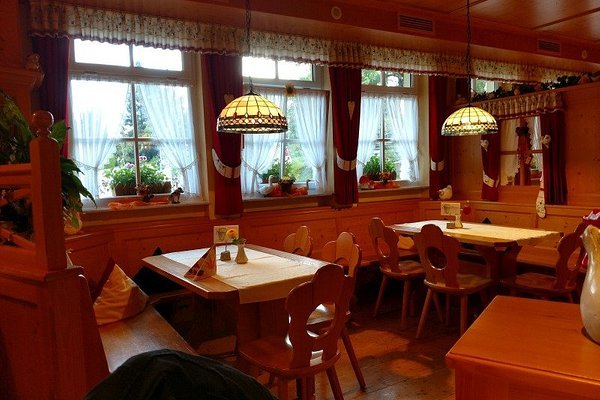
Bars in Freiburg im Breisgau
Browse all →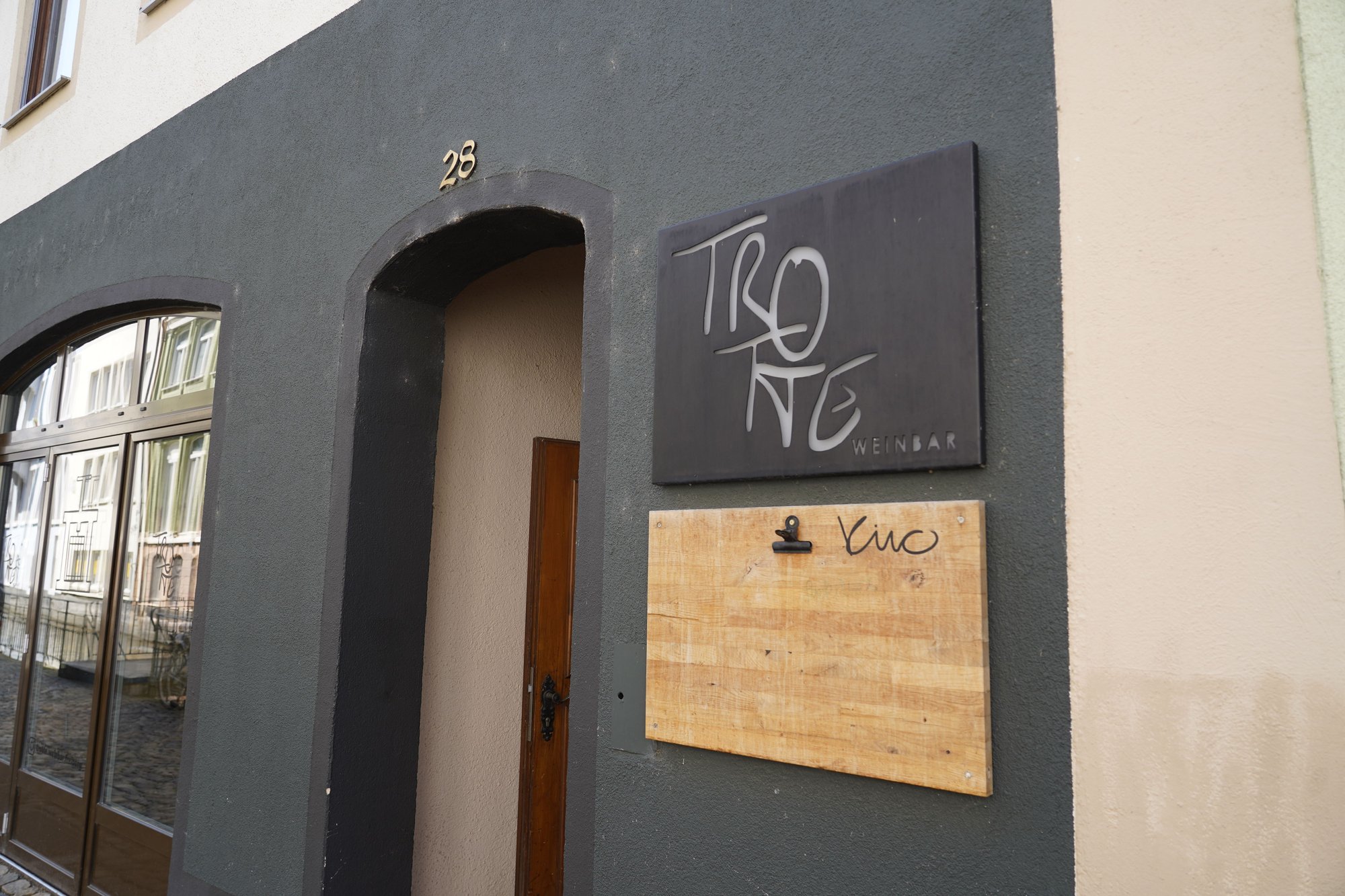
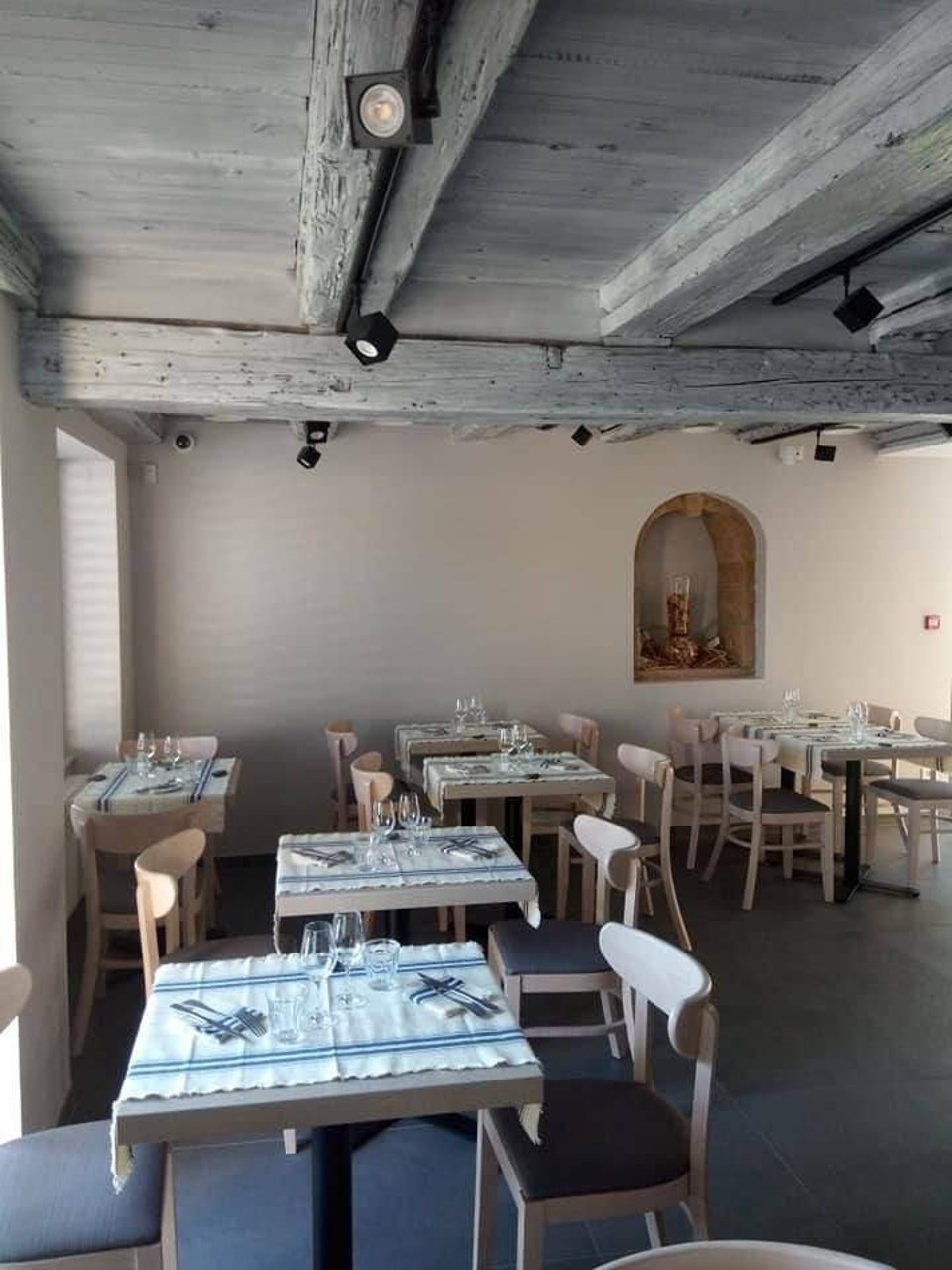
Hotels in Freiburg im Breisgau
Browse all →
At a Glance
- Elegant
- Classic
- Sophisticated
- Intimate
- Date Night
- Business Dinner
- Celebration
- Special Occasion
- Historic Building
- Terrace
- Private Dining
- Extensive Wine List
- Sommelier Led
- Local Sourcing
Modern, cozy ambience with refined styling; some guests note the interior feels somewhat cool and understated despite high culinary standards.
- Jacobsmuscheln (scallops)
- Rehkitz (venison)
- Topfenknödel (curd dumplings)
- Backhendl (breaded fried chicken)
- Bresse Taube (Bresse pigeon)
- Ochsenschwanz (braised oxtail)