Google: 4.8 · 101 reviews
Jacobi

Jacobi holds a Michelin star earned in both 2024 and 2025, placing it among a small group of Freiburg restaurants operating at the top of the city's fine dining tier. Chef Alois Neuschmid leads an innovative kitchen at Herrenstraße 43, where the menu architecture reflects a European creative tradition with clear technical ambition. Google reviewers rate it 4.8 from 92 responses.
 Discover on Pearl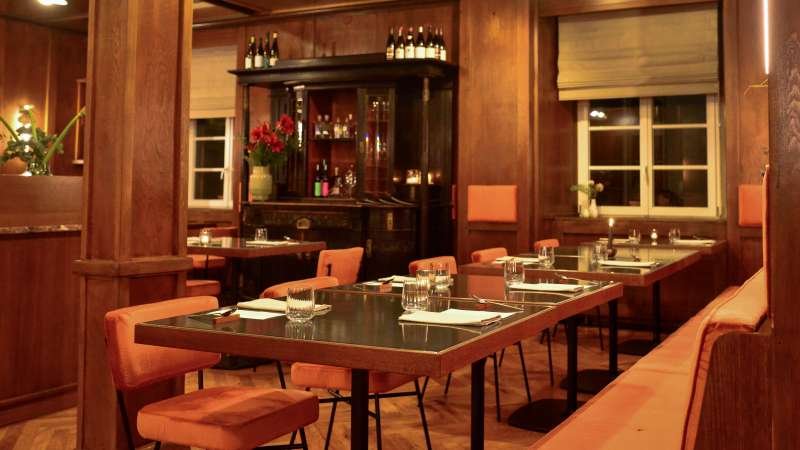
A Corner of Freiburg Where the Menu Does the Talking
Herrenstraße, one of the quieter streets threading through Freiburg's medieval centre, sets a particular kind of expectation before you reach the door. The surrounding architecture is old and considered, the pace unhurried in the way of a city that has always had more going on than it advertises. Walking into Jacobi at number 43, that register carries inside: the room asks for attention rather than commanding it, and the menu format rewards the same quality.
In a city where four restaurants currently hold a single Michelin star, the peer set is tightly defined. Colombi Restaurant Zirbelstube works within Classic French orthodoxy; Eichhalde anchors itself in Italian cooking; Zur Wolfshöhle occupies the Classic Cuisine register; and Hawara sits in the Modern Cuisine bracket. Jacobi, classified as Innovative, occupies a different position in that peer set: the one least constrained by genre convention and most exposed to the question of what a kitchen actually believes in.
What Innovative Means at This Level
The Innovative classification in Michelin's vocabulary is not the same as experimental or fusion. It describes kitchens that build from classical European foundations but refuse to let those foundations determine outcomes. At its most disciplined, the category produces menus with clear internal logic: a sequence of courses where each decision about temperature, texture, and acidity reflects a considered position rather than a borrowed one.
German innovative dining in this tier has developed its own idiom over the past decade. Kitchens like JAN in Munich and ES:SENZ in Grassau have demonstrated that the classification carries genuine range, from produce-driven restraint to technically complex tasting formats. CODA Dessert Dining in Berlin has pushed the category into more structurally unusual territory. Jacobi's consistent Michelin recognition across 2024 and 2025 places it in that broader national current, at the level where the star is retained rather than chased.
Internationally, Innovative kitchens at the starred level share a common challenge: the menu must argue for its own logic without the support of a recognisable cuisine tradition as scaffolding. alla prima in Seoul and MAZ in Tokyo each navigate that challenge from different geographical starting points. The question in each case is the same: does the menu cohere as a sequence, or does it read as a collection of clever individual dishes?
Menu Architecture as Editorial Statement
At starred innovative restaurants, the menu's structure is often the most revealing document the kitchen produces. The decision to lead with something light and acidic, or to open with something rich and umami-forward, sets a tone that every subsequent course either confirms or complicates. Pacing, the calibration of portion size against flavour intensity across a multi-course sequence, is where technical competence either asserts itself or quietly unravels.
Chef Alois Neuschmid's kitchen at Jacobi operates in this tradition. The Innovative classification at Michelin star level implies a menu built on accumulated technique rather than assembled from reference points, and the retention of the star for consecutive years suggests the kitchen's internal logic has remained coherent. Google reviewers rate the experience 4.8 from 92 responses, a figure that, at this category and price point, reflects the consistency of high-expectation diners rather than volume traffic.
The price tier, €€€€, aligns Jacobi with every other starred table in Freiburg's current cohort, which means the competitive differentiation sits entirely in the cooking rather than in price positioning. Diners choosing between Jacobi and its starred neighbours are making a decision about what kind of evening they want: the comfort of a known genre, or the specific intellectual proposition of a kitchen working without that net.
The Schwarzwald Context
Freiburg sits at the western edge of the Black Forest, a region that has carried outsized culinary prestige relative to its population for decades. Schwarzwaldstube in Baiersbronn is the region's most decorated table, and the Black Forest corridor has long attracted serious cooking in part because its produce, the forest's mushrooms, game, and river fish alongside the Upper Rhine's market gardens, gives kitchens something to argue with. Freiburg functions as the region's urban centre, and its fine dining scene reflects both that produce access and the city's status as a university town with a cosmopolitan appetite.
That context matters for understanding what an innovative kitchen in Freiburg is working with. The region's ingredients have classical applications, but they also carry enough character to support less predictable treatment. A kitchen classified as Innovative in this geography has both a rich larder and a tradition of French-adjacent technique from across the Rhine as reference material, without being obligated to reproduce either.
Dining at Jacobi: What to Expect in Practice
Jacobi's address at Herrenstraße 43 places it within walking distance of Freiburg's historic core, which makes it accessible on foot from most central accommodation. For a broader picture of where to stay, our full Freiburg im Breisgau hotels guide covers the range of options. Given the €€€€ pricing and the multi-course format that Innovative starred kitchens typically operate, an evening here is a planned commitment rather than a spontaneous one. Booking in advance is standard practice at this tier across Freiburg's starred restaurants, and Jacobi's 92 Google reviews, relatively modest for a venue of this calibre, suggest it operates at a considered scale rather than high volume.
Diners who want to extend their evening beyond the table will find Freiburg's bar scene within reach of the city centre. Those interested in the region's wine production, which runs through Baden's Kaiserstuhl and Markgräflerland sub-regions immediately south and west of the city, can consult our Freiburg wineries guide for context on what the wine list might be drawing from.
For a different register entirely, Basho-An operates at a €€ price point with Japanese cooking, and represents the kind of specialist table that exists at the opposite end of Freiburg's dining spread from the starred cohort. The city's full restaurant picture is mapped in our Freiburg im Breisgau restaurants guide.
For those building a wider itinerary across southern Germany, Aqua in Wolfsburg and Vendôme in Bergisch Gladbach sit at the upper tier of the national fine dining conversation, while the Freiburg region itself offers enough range across cultural and outdoor experiences to justify more than a single overnight.
The Case for Jacobi in Freiburg's Starred Tier
Among Freiburg's four Michelin-starred tables, Jacobi makes the least predictable argument. The Classic French and Classic Cuisine options offer the reassurance of established genre; Jacobi asks diners to trust a kitchen's internal logic instead. At €€€€ and with consecutive star recognition in 2024 and 2025, the evidence suggests that trust is warranted.
The Google rating of 4.8 across 92 reviews is a useful calibration point. It reflects a venue where high-expectation diners leave satisfied at a consistent rate, not a venue that generates enthusiasm through novelty or volume. At this level of Innovative cooking in a mid-sized German city, that kind of sustained satisfaction is a more demanding standard than a single excellent visit would suggest.
Comparison Snapshot
Comparable venues for orientation, based on our database fields.
| Venue | Cuisine | Price | Awards | Notes |
|---|---|---|---|---|
| Jacobi | Innovative | €€€€ | Michelin 1 Star | This venue |
| Colombi Restaurant Zirbelstube | Classic French | €€€€ | Michelin 1 Star | Classic French, €€€€ |
| Eichhalde | Italian | €€€€ | Michelin 1 Star | Italian, €€€€ |
| Zur Wolfshöhle | Classic Cuisine | €€€€ | Michelin 1 Star | Classic Cuisine, €€€€ |
| Hawara | Modern Cuisine | €€€€ | Michelin 1 Star | Modern Cuisine, €€€€ |
| Basho-An | Japanese | €€ | Japanese, €€ |
Continue exploring
More in Freiburg im Breisgau
Restaurants in Freiburg im Breisgau
Browse all →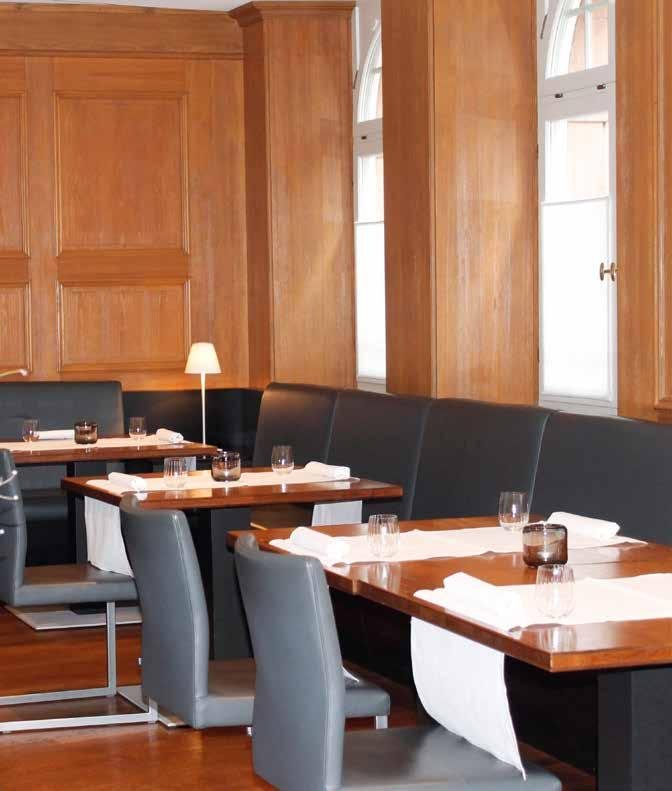
Bars in Freiburg im Breisgau
Browse all →
Hotels in Freiburg im Breisgau
Browse all →
At a Glance
- Elegant
- Modern
- Sophisticated
- Intimate
- Special Occasion
- Date Night
- Business Dinner
- Open Kitchen
- Hotel Restaurant
- Historic Building
- Extensive Wine List
- Sommelier Led
- Farm To Table
- Local Sourcing
- Sustainable
- Organic
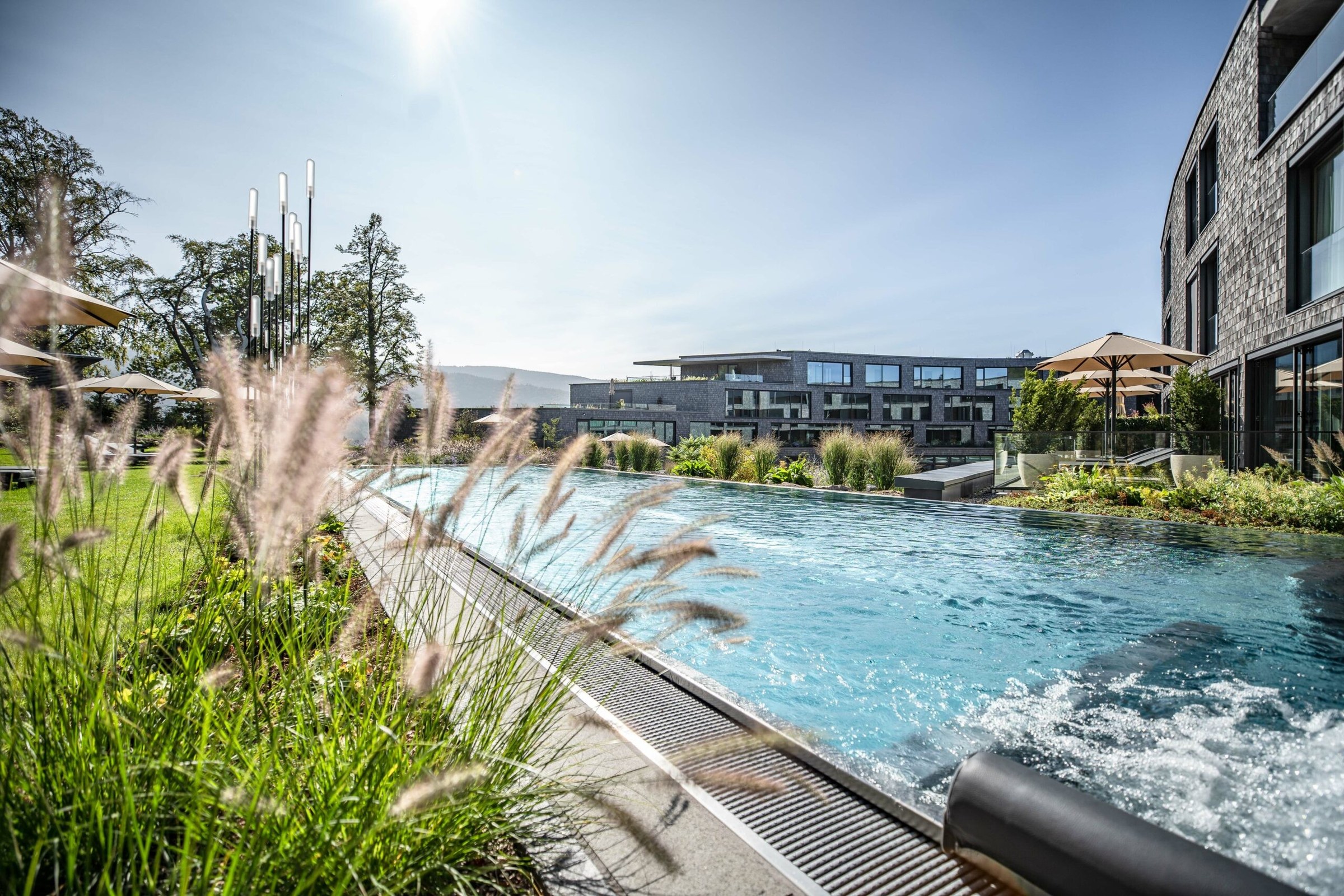
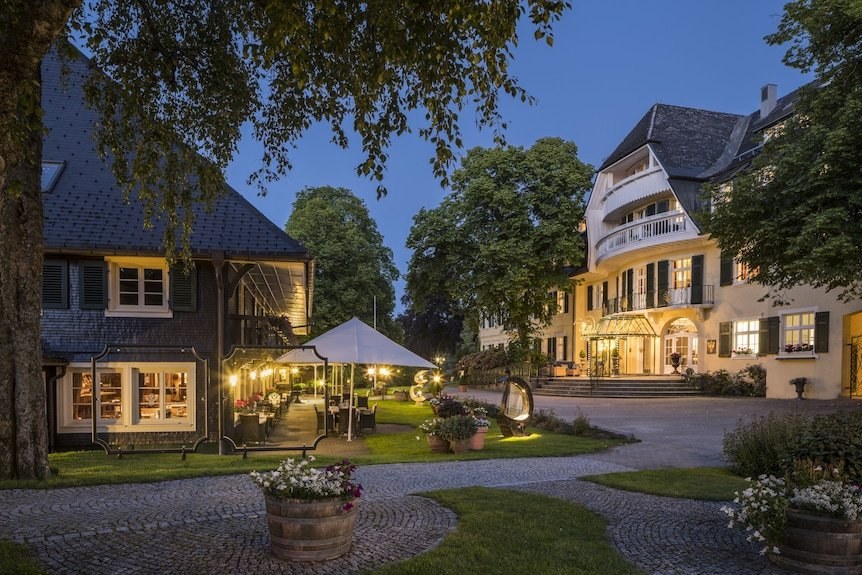
Dark wood paneling with accent lighting creates a warm, sophisticated atmosphere; tables made of lava stone with orange-velvet seating in a converted winery space; open kitchen window allows diners to observe the culinary team at work.