
We're Smart World 1 Radish
Our verdict
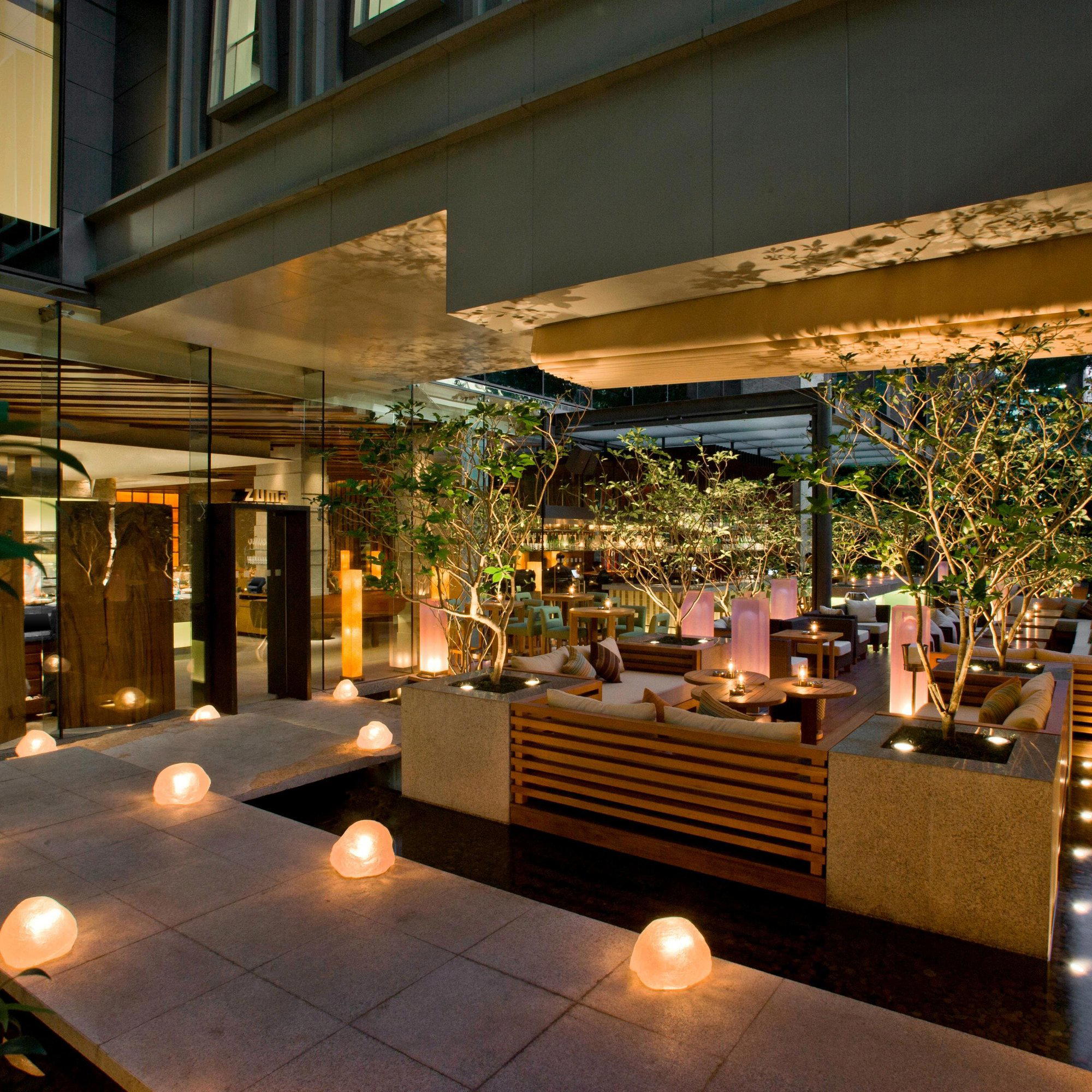
Zuma sits on Ratchadamri Road in Bangkok's Pathum Wan district, where Japanese izakaya format has found a high-spending, design-conscious crowd. Raw fish anchors the menu, supported by refined vegetable preparations and lacquered barbecue dishes from the robata grill. The restaurant occupies Bangkok's bracket of internationally recognised Japanese dining, drawing both hotel guests and local regulars who follow the city's trendier Japanese programming.

Pearl is the En Primeur Club membership app, where members save venues, book tables and use the concierge.
The menu
What to order
- Black cod miso
- Rockshrimp tempura
- Soft shell crab
Japanese Dining in Bangkok: Where the Izakaya Format Went Upmarket
Bangkok's appetite for Japanese cuisine has evolved considerably over the past decade. What began as a city saturated with mid-range sushi conveyor belts and neighbourhood ramen shops has fractured into a more stratified market: entry-level Japanese fast casual at one end, and a growing tier of design-forward, internationally branded Japanese restaurants at the other. Zuma, positioned on Ratchadamri Road in Pathum Wan, belongs firmly to that second bracket. The izakaya format, originally a democratic, after-work Japanese institution built around small plates and shared drinking, has in cities like Bangkok, Dubai, and London been repackaged into something considerably more polished. Zuma represents that transformation at scale.
The Ratchadamri address places the restaurant inside one of Bangkok's better-connected commercial corridors, close to the BTS Skytrain network and the hotel density that surrounds Lumphini Park. The broader neighbourhood draws business travellers alongside Bangkok's own high-spending dining crowd, and that mix defines who fills Zuma on any given evening. It is the kind of location that functions for a working dinner as readily as a social one, and the format accommodates both. For a broader sense of the city's dining geography maps the competitive field from street-level to fine dining.
What the Menu Tells You About the Room
Zuma's programming follows the contemporary izakaya template closely: raw preparations lead, grilled and lacquered dishes follow, and the kitchen structures itself around a robata grill as much as a sushi counter. Raw fish carries the main weight of the menu, and in a city where Japanese restaurants face real competition from Thai chefs increasingly working with Japanese technique, that focus is a deliberate statement of positioning rather than a default. The vegetable dishes show more refinement than the format typically demands, which places Zuma closer to the composed end of the izakaya spectrum.
The lacquered barbecue section is worth approaching with some awareness. The sugar content in certain preparations runs noticeably high, and for diners whose palates favour the cleaner, more mineral registers of raw fish or lightly dressed vegetable dishes, the heavier robata output can feel like a different restaurant entirely. This is not unusual for the format globally, but it is a genuine consideration when building a personal order at the table. That internal range, from austere sashimi to aggressively glazed proteins, is both the format's appeal and its occasional tension.
Drinks and the Case for Pairing Deliberately
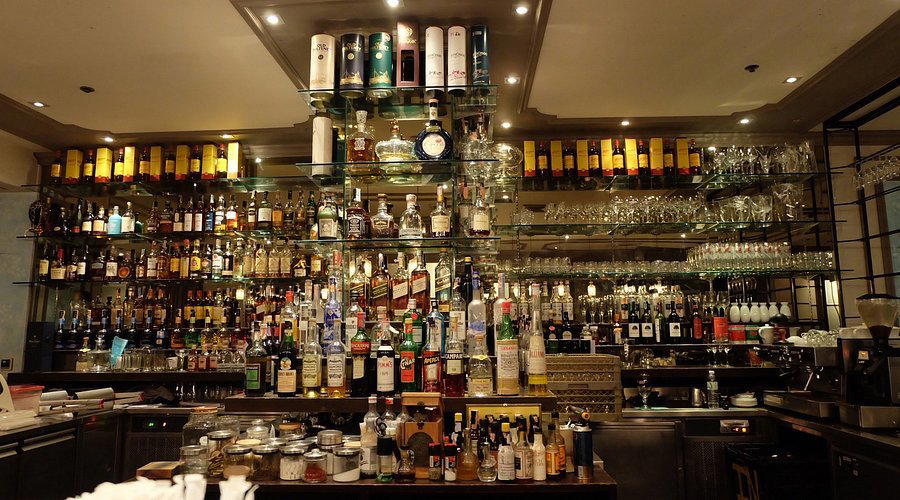
The izakaya format, at its better-executed end, rewards careful drinking as much as careful eating. Japanese whisky, sake, and a focused cocktail list typically anchor the beverage programme at restaurants in Zuma's tier, and the drinking culture embedded in the format makes beverage pairing less optional than it might be at a purely Western fine-dining table. The cleaner, more acidic profiles of raw fish preparations respond well to dry sake or high-acid white wine, while the robata dishes can absorb more textured, richer pour choices. In Bangkok's broader drinking scene, surveyed in, the integration of serious beverage programming into restaurant settings has become a mark of category distinction, and Zuma's international profile expects that standard to be met.
For wine specifically, the question at any izakaya-format venue at this price tier is whether the list is built to serve the food's actual flavour register or assembled for visual impressiveness on paper. Restaurants operating in the same commercial bracket as Zuma in comparable cities have moved toward leaner, more mineral-driven European selections that cut through umami-heavy preparations without competing with them. How that plays out in the Bangkok iteration is a consideration worth raising with the floor team directly before committing to a bottle.
Where Zuma Sits in Bangkok's Japanese Category
Bangkok's most discussed fine-dining tables in recent years have largely been Thai-led: Sorn has made the case for Southern Thai cuisine at the highest level of international recognition, while Le Du and Baan Tepa have pushed Thai contemporary cooking into a tier that competes seriously with any international offering in the city. Non-Thai formats with comparable ambitions, such as Sühring for German cuisine and Gaa for modern Indian, have carved out their own credibility. Zuma operates in a different register from this group: it is internationally branded, format-consistent across its global locations, and priced accordingly. Its competitive set is not Bangkok's chef-driven independents but rather other internationally recognised Japanese concepts in the city.
That distinction matters when deciding where Zuma fits in a Bangkok dining itinerary. If the goal is to understand what Bangkok's own chefs are doing with local produce and culinary identity, other addresses deserve the priority booking. If the goal is a reliable, high-production Japanese evening in a room that knows its format well, Zuma delivers on that specific brief consistently. For broader context across Thailand's dining scene, including PRU in Phuket, AKKEE in Pak Kret, and Aeeen in Chiang Mai, our regional coverage maps the full range.
Planning Your Visit
Zuma is located at 159 Ratchadamri Road, Pathum Wan, Bangkok 10330. The Ratchadamri BTS station provides the most direct public transit access, making arrival direct without the traffic complications that affect many Sukhumvit-adjacent addresses during evening hours. Given the restaurant's profile and the pace at which Bangkok's more trend-forward Japanese openings fill their rooms, advance reservation is advisable, particularly for weekend evenings or larger groups. The internationally consistent nature of the Zuma brand means the experience is calibrated for guests arriving with prior knowledge of the concept, but first-time visitors to the format should expect a high-energy room rather than a contemplative one. For accommodation near the Pathum Wan area covers properties across the relevant price tiers.
Frequently asked questions
Where do I go for Zuma?
Zuma is located at 159 Ratchadamri Rd, Pathum Wan, Bangkok 10330, Thailand, Bangkok.
What's the must-try dish at Zuma?
The raw fish preparations receive the most consistent critical attention at Zuma and most clearly reflect the restaurant's Japanese positioning. The vegetable dishes also draw notice for their refinement on the plate. The lacquered BBQ options are popular but carry a caveat: the sugar levels in the glaze can overpower at times.
How far ahead should I plan for Zuma?
Zuma Bangkok sits within the tier of internationally branded restaurants that fill quickly, particularly on weekends. A booking of several days ahead is a reasonable baseline for weekday tables; weekend reservations benefit from a week or more of lead time. Ratchadamri BTS station is directly accessible, so last-minute walk-in attempts are common and compete with reserved seatings.
What is Zuma known for?
Zuma is recognised internationally as a design-forward interpretation of the Japanese izakaya format. In Bangkok, the kitchen leads with raw fish preparations, supported by refined vegetable dishes and robata-grilled and lacquered items. Critics have flagged the lacquered BBQ dishes as occasionally heavy on sugar, worth bearing in mind when ordering across the menu.
Can Zuma adjust for dietary needs?
The shared-plate structure of the izakaya format tends to allow more flexibility than a fixed tasting menu, since dishes are ordered selectively rather than served as a locked sequence. Zuma's menu spans raw, grilled, and vegetable preparations, which gives a reasonable range for guests avoiding certain proteins. Confirming specific requirements directly with the restaurant at the time of booking remains the practical approach.
How does Zuma Bangkok compare to other Japanese restaurants in the city for vegetable dishes?
Bangkok's Japanese dining scene is heavily weighted toward protein-led formats, sushi counters and robata grills dominate the upper tier. Zuma is specifically noted for vegetable dishes that are refined on the plate, which sets it apart from many comparable izakaya-style venues in the city where vegetables function as sides rather than considered courses in their own right.
Budget and Context
Comparable venues nearby, for context on price, style, and recognition.
| Venue | Cuisine | Price | Awards | Notes |
|---|---|---|---|---|
| ZumaThis venue (the venue you are viewing) | Modern Japanese Izakaya | $100–150 | We're Smart World 1 Radish | Not listed |
| Toritama | Authentic Yakitori Izakaya | $30–50 | Michelin Plate | Khlong Tan, Authentic Yakitori |
| Jikasei B | Edomae Omakase Sushi | $150–200 | Michelin Plate | Watthana Khwaeng, Edomae Omakase Sushi |
| Anne-Sophie Pic at Le Normandie | Modern French fine dining with Thai influences | $200–300 | Black Pearl 1 Diamond | Bang Rak, Modern French fine dining with Thai influences |
| Seifu | Kyoto Kaiseki Omakase | $150–200 | Michelin Plate | Siam Square, Kyoto Kaiseki Omakase |
| UNOMAS | Modern Spanish Tapas & Paella | $50–100 | Not listed | Prathunam, Modern Spanish Tapas & Paella |
Recognition history
Dated appearances from independent guides and award organizations, with the underlying list record or original source where available.
We're Smart World 1 Radish
We're Smart World
Continue exploring
More in Bangkok
Restaurants in Bangkok
All restaurants in Bangkok →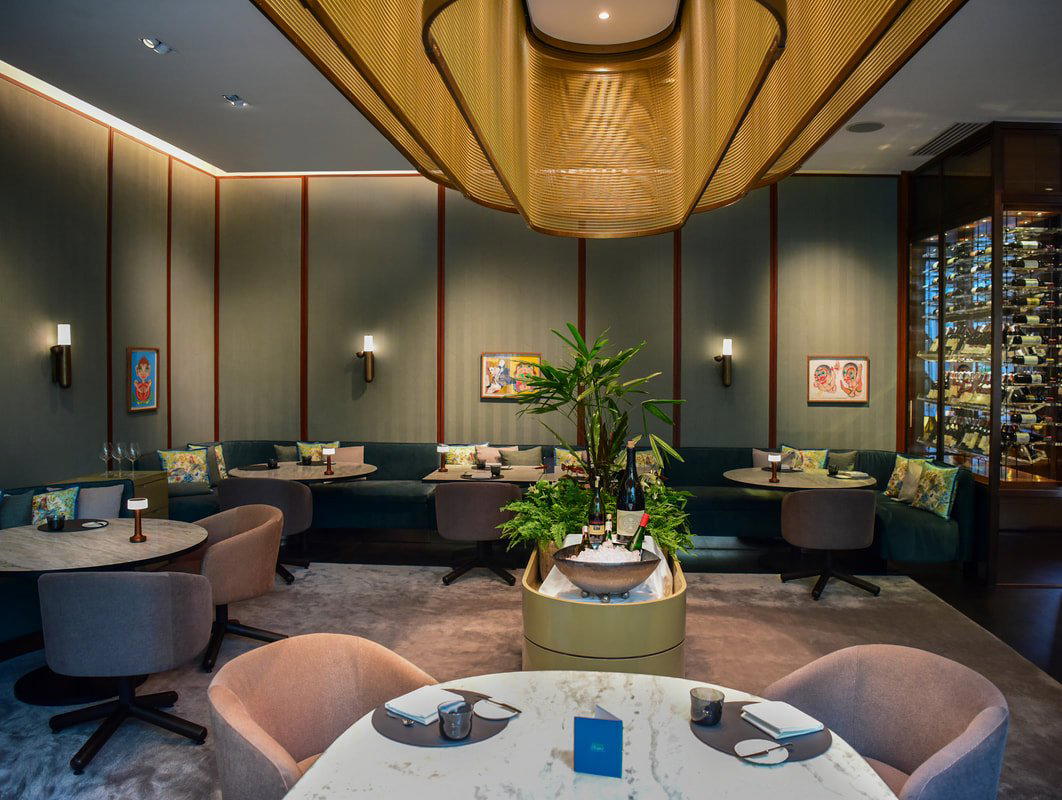
Zuma
The wine
- Wine program
- Deep wine list
- Extensive wine list
- Sake program
- Craft cocktails
Details
- Lively
- Modern
- Trendy
- Elegant
- Energetic
- Sophisticated
- Date Night
- Business Dinner
- Group Dining
- Celebration
- Special Occasion
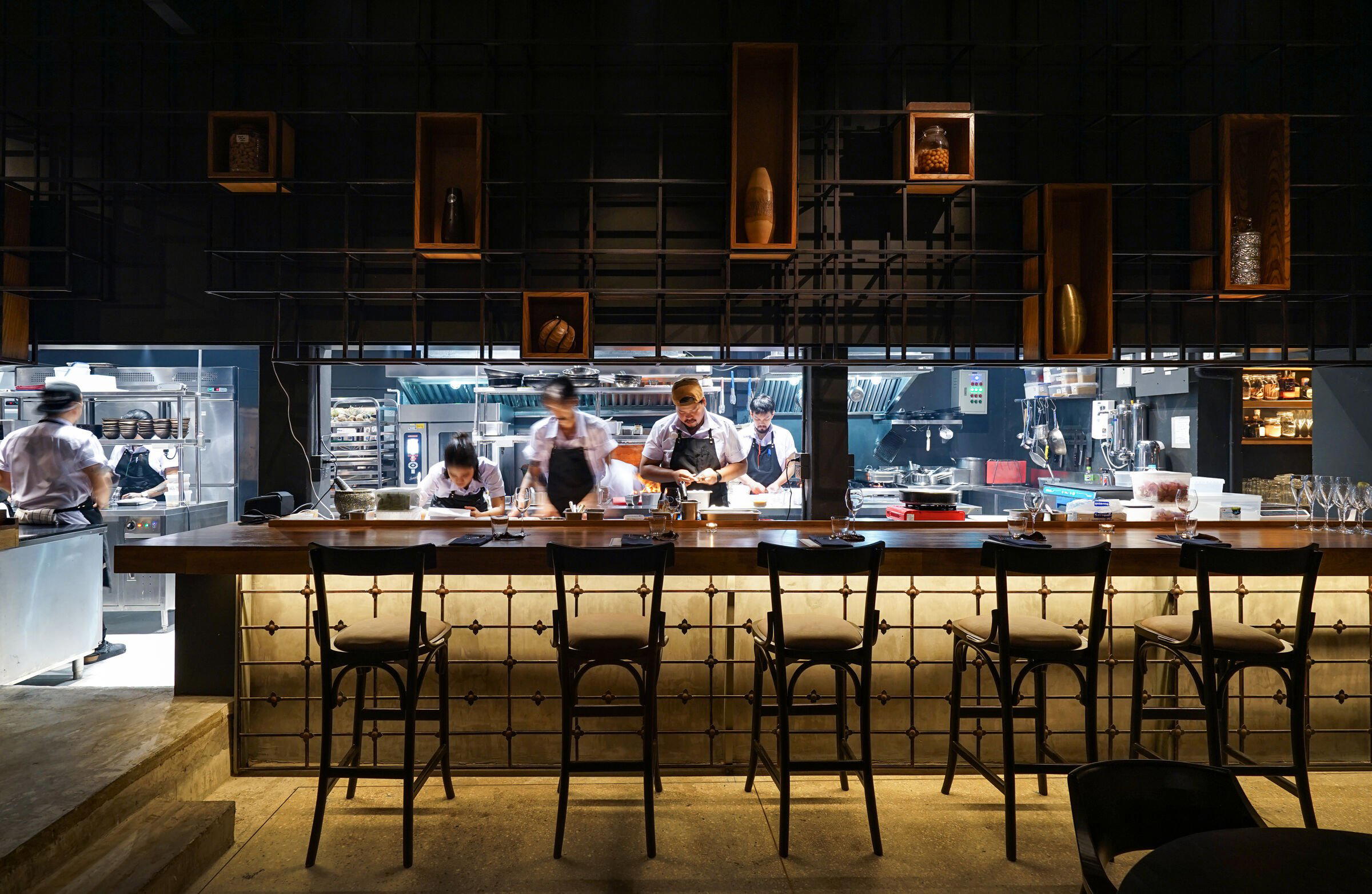
- Open Kitchen
- Terrace
- Hotel Restaurant
- Extensive Wine List
- Craft Cocktails
- Sake Program
- Street Scene
- A La Carte
- Small Plates
- Sake Program
- Craft Cocktails
- Vegetarian Friendly
Current opening hours
- Monday
- 11:30 AM–3 PM, 6 PM–1 AM
- Tuesday
- 11:30 AM–3 PM, 6 PM–1 AM
- Wednesday
- 11:30 AM–3 PM, 6 PM–1 AM
- Thursday
- 11:30 AM–3 PM, 6 PM–1 AM
- Friday
- 11:30 AM–3 PM, 6 PM–2 AM
- Saturday
- 11:30 AM–3 PM, 6 PM–2 AM
- Sunday
- 12–3:30 PM, 6 PM–1 AM
Hours can change for holidays and private events. Hours as of .
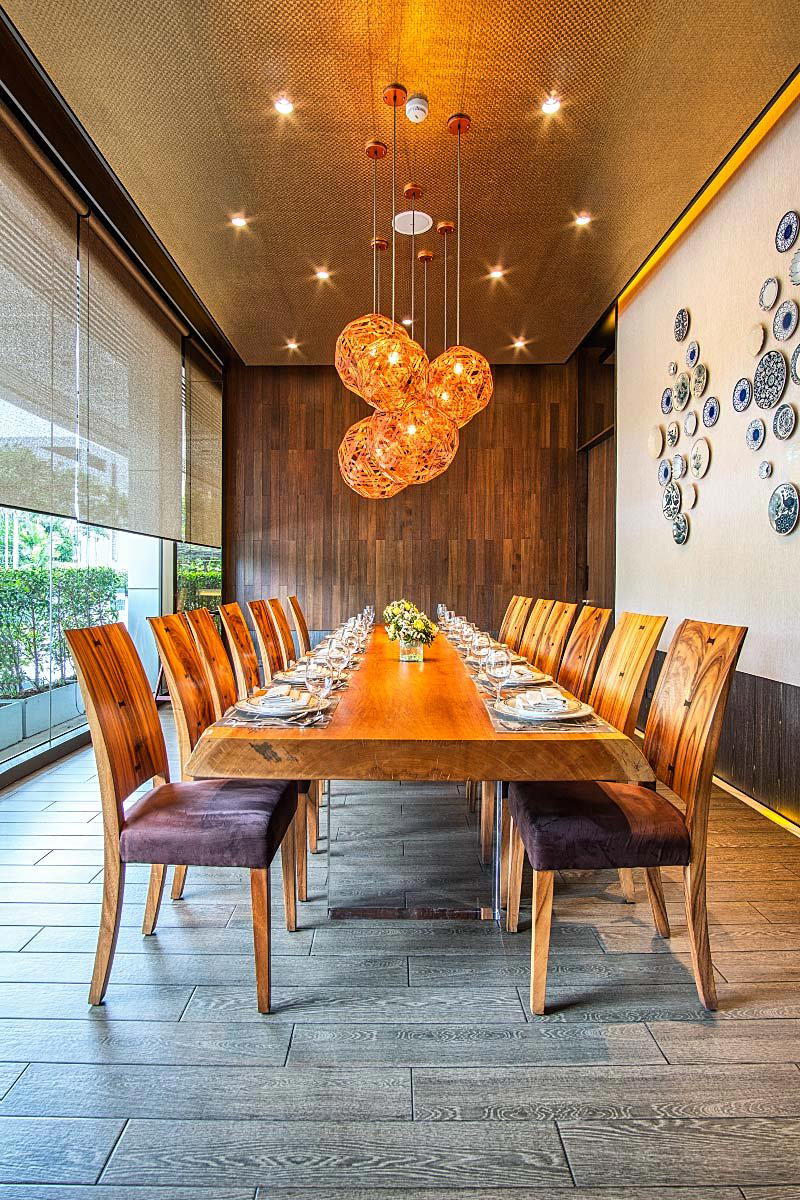
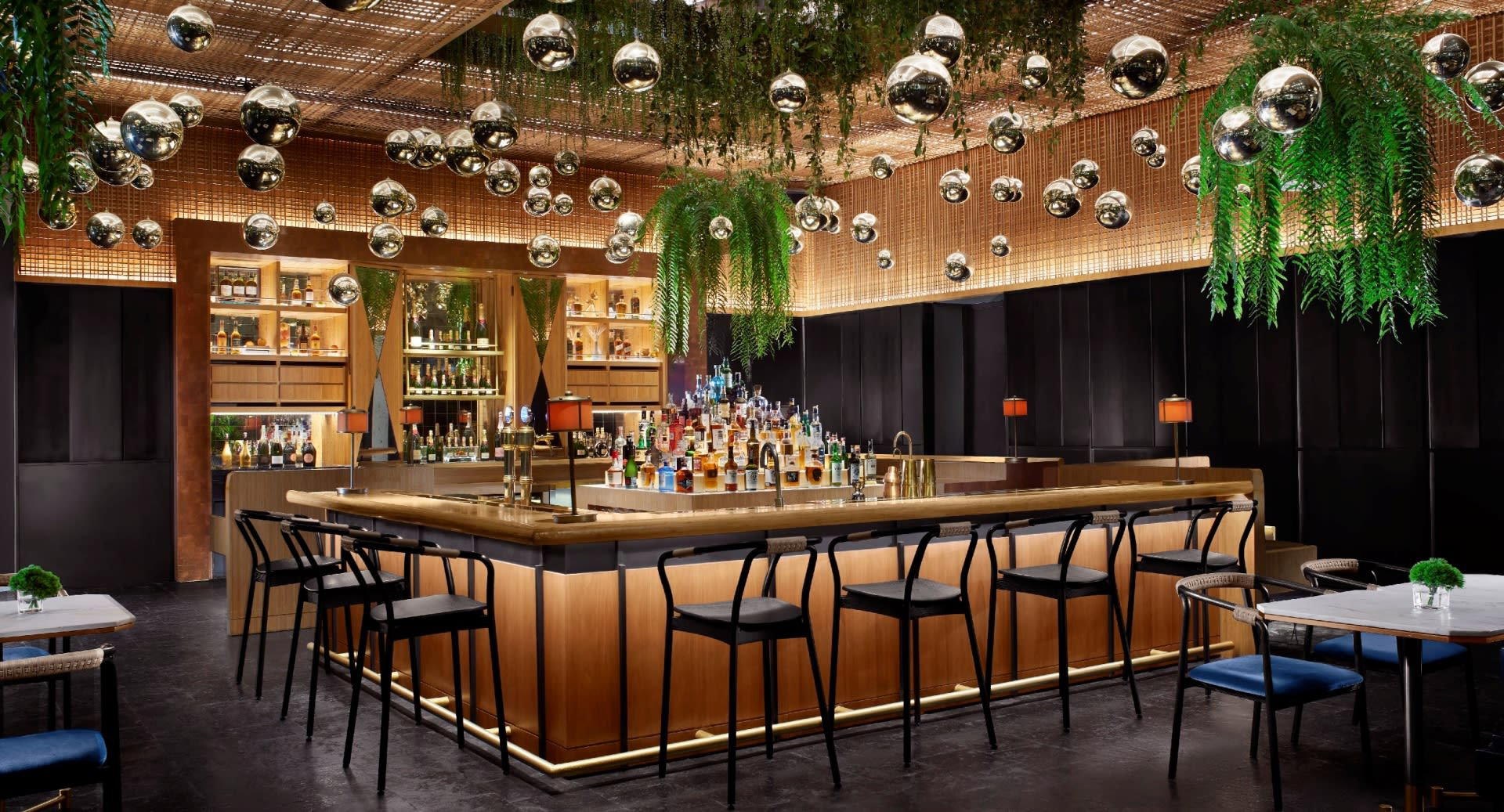
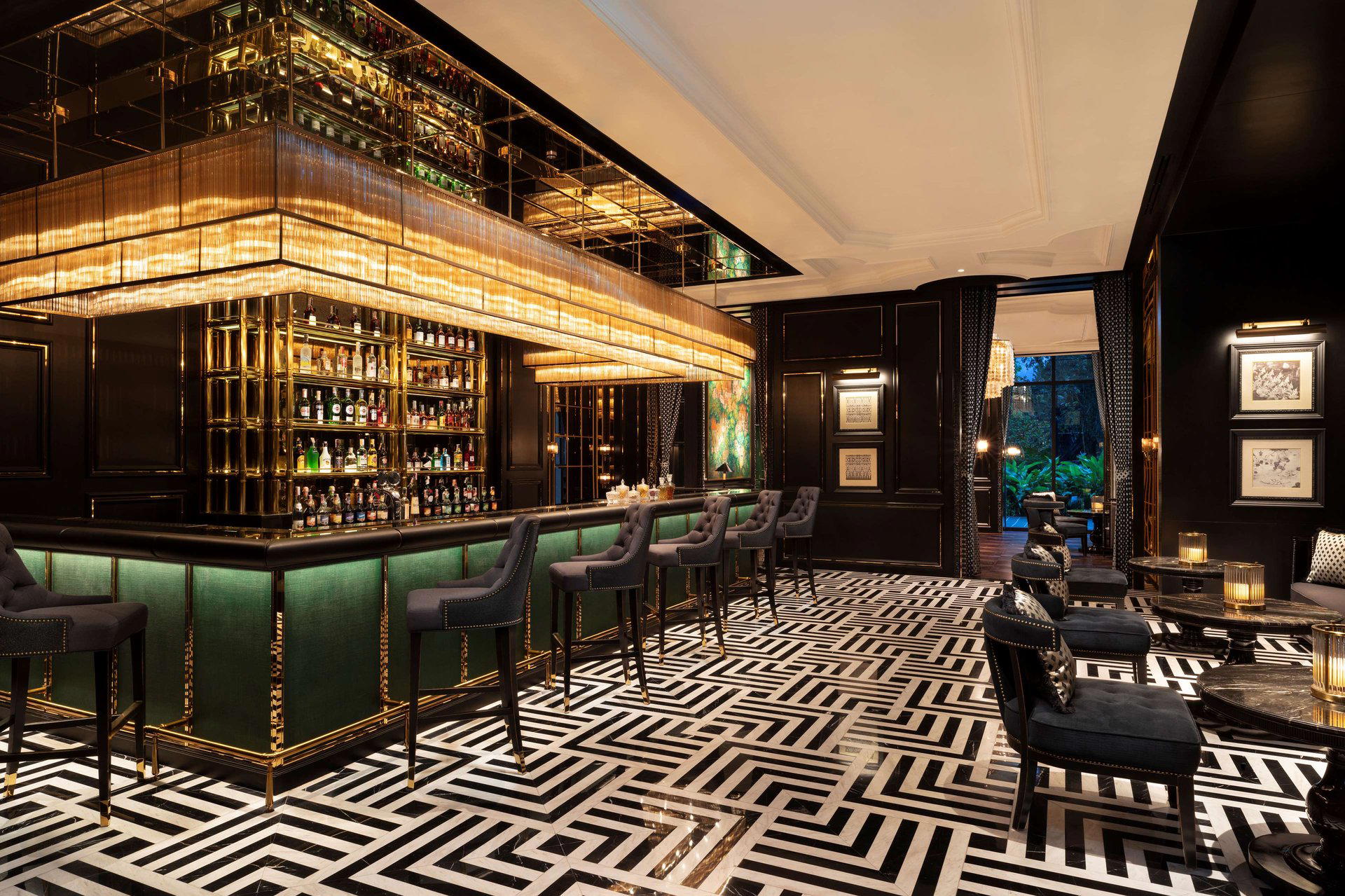
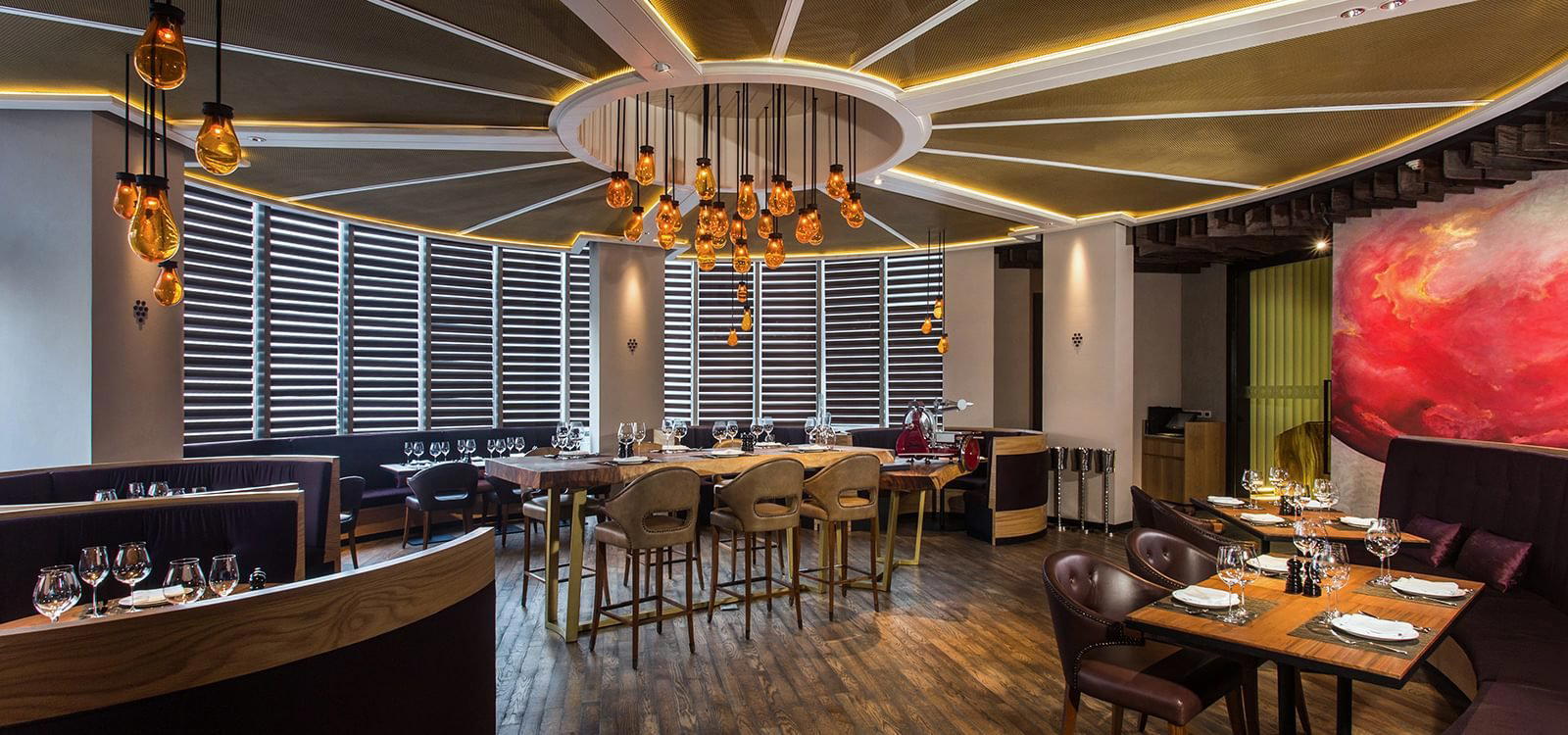
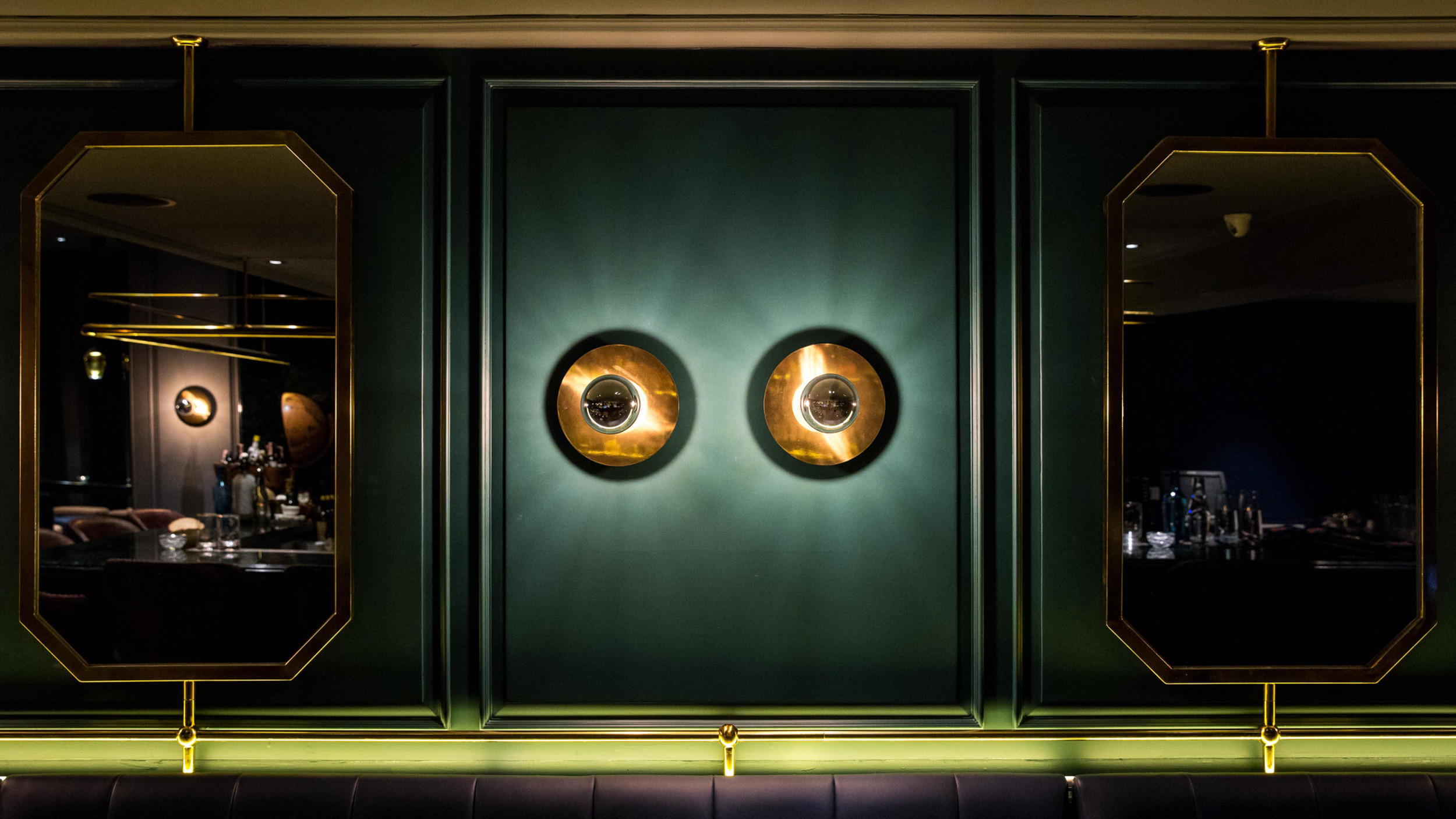
Modern and lively with low lighting, upbeat music from live DJ, and a nightclub-like party atmosphere that is chic yet energetic.