
At Zu den drei Linden - Lindenblüte on Reeser Strasse, a family-run kitchen delivers Michelin Plate-recognised cooking that pulls Mediterranean and regional German threads through a seasonal frame. The €€ price range makes it one of the more accessible serious restaurants in the Emmerich area, and the room carries an elegant Mediterranean character without the stiffness that often accompanies that aesthetic.
Pearl is the En Primeur Club membership app — saves, bookings, and concierge access live there. Same editors, same standards.
- Address
- Reeser Str. 545, 46446 Emmerich am Rhein, Germany
- Phone
- +49 2822 8800
- Website
- zu-den-3-linden.de
 Saves & bookings on Pearl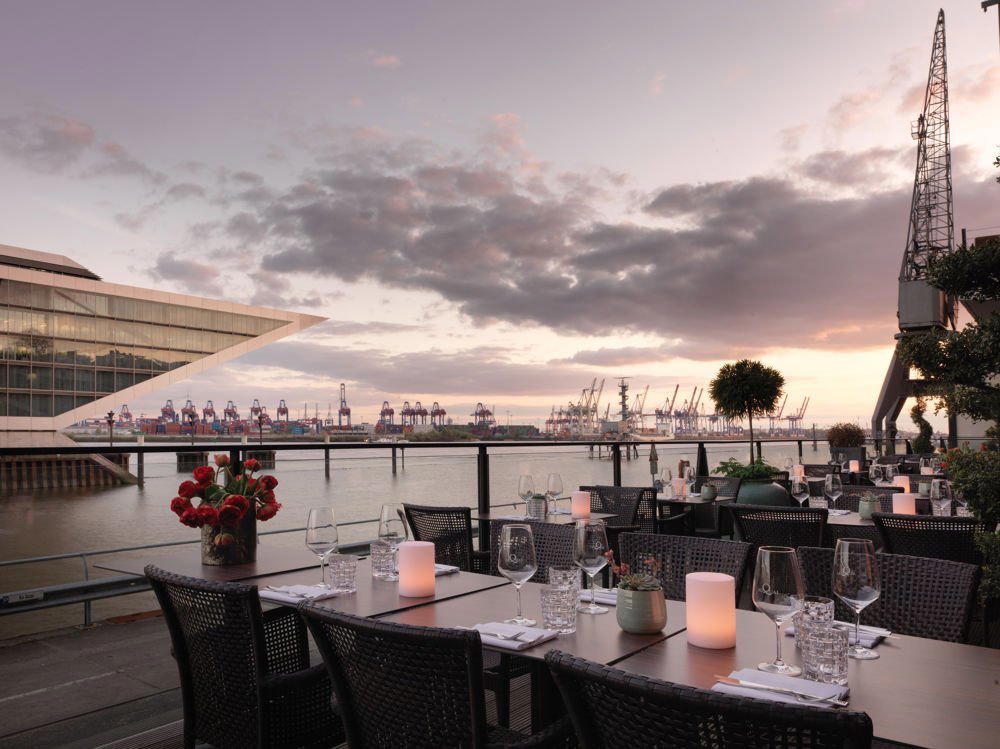
Where the Lower Rhine Meets the Mediterranean Table
The stretch of the Lower Rhine around Emmerich sits at one of Germany's most quietly productive agricultural crossroads. The river plain supplies root vegetables, herbs, and freshwater fish; the Netherlands lies a few kilometres north, bringing Dutch horticultural produce into the local supply chain; and the Rhineland's centuries-old trade routes have always imported Mediterranean ingredients with unusual ease. These geographic facts matter when you sit down at Zu den drei Linden - Lindenblüte on Reeser Strasse, because the kitchen here treats that convergence as a structural premise rather than an occasional garnish.
The Room Before the Plate
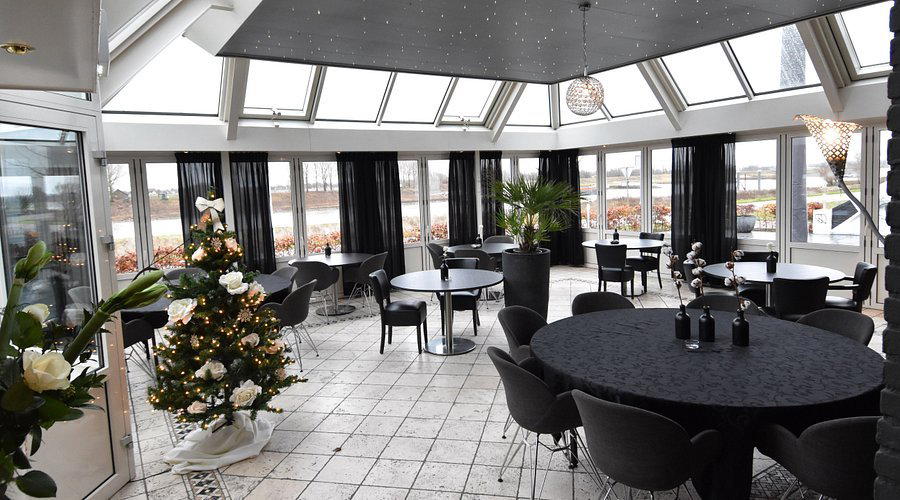
The address on Reeser Strasse 545 sits outside Emmerich's compact centre, which means arrival is quiet, no queue outside, no ambient noise spilling from neighbouring terraces. Inside, the decor reads as Mediterranean in character: warm tones, considered lighting, a room that signals occasion without requiring it. The atmosphere Michelin describes as friendly is accurate in the specific sense that matters most in a family-run dining room: service is attentive without the performative choreography of a larger brigade. This is a room where a table of two can hold a conversation at normal volume, and where a small group celebrating something feels equally placed.
Seasonal Sourcing as Kitchen Logic
The cooking at Lindenblüte is seasonal and internationally oriented, drawing on Mediterranean and regional influences. That combination is more disciplined than it sounds. Kitchens that claim seasonal sourcing without genuine supplier relationships tend to produce menus where the seasons are decorative, appearing in dish names rather than in ingredient quality. The Rhineland's proximity to Dutch greenhouse production, Flemish market gardens, and the river's own ecosystem gives a kitchen like this one genuine optionality across the year: spring asparagus and river fish in April and May, summer stone fruit and tomatoes from further south through July and August, root vegetables and game through autumn and into winter.
Pan-fried turbot fillet with spinach and truffle ravioli that Michelin's inspectors noted is a useful lens on how the kitchen resolves its Mediterranean-regional tension. Turbot is a North Sea and Atlantic fish, caught commercially off the Belgian and Dutch coasts; spinach is a Rhineland staple; truffle ravioli pulls the plate toward northern Italy. The dish doesn't resolve its geography so much as hold it in productive tension, which is a more honest approach than forcing local ingredients into a single culinary idiom. For readers curious about how other German kitchens handle similar ingredient negotiations, the cooking at Haubentaucher in Rottach-Egern and Loumi in Berlin offers useful comparison points at the international end of the German market.
Where Lindenblüte Sits in the German Dining Tier
The €€€€ price tier is meaningful context. Germany's Michelin Plate category functions differently from its starred tiers: a Plate signals cooking that inspires inspectors but sits below the starred threshold, which in practice often means high-quality technique and sourcing in a format that doesn't carry the overhead of a full fine-dining operation. Comparable starred restaurants in Germany operate at significantly higher price points. Schwarzwaldstube in Baiersbronn, Aqua in Wolfsburg, Vendôme in Bergisch Gladbach, and CODA Dessert Dining in Berlin all operate in the €€€€ bracket. The gap between those rooms and Lindenblüte isn't purely about cuisine quality; it reflects format, scale, and the cost structure of a family-run kitchen on the edge of a smaller German city.
That positioning makes Lindenblüte relevant for a specific kind of reader: someone who wants cooking that has passed Michelin scrutiny, set in a room with genuine character, at a price that doesn't require building a special-occasion budget around it. Other Michelin-recognised German kitchens operating at refined levels include JAN in Munich, Restaurant Haerlin in Hamburg, ES:SENZ in Grassau, Schanz in Piesport, Waldhotel Sonnora in Dreis, Victor's Fine Dining by Christian Bau in Perl, and Bagatelle in Trier, but each of those operates at a different price and format register.
The Family Kitchen Model
Michelin's description of Tanja and Thomas Siemes running the business with great dedication encodes something that the starred and multi-starred German restaurant tier has mostly moved away from: the working couple model, where one partner manages the kitchen and the other manages the room. This structure was the dominant format for serious German restaurant cooking through the 1980s and 1990s, and it remains common in the Plate and Bib Gourmand tiers. It tends to produce a specific kind of consistency, because the people making decisions about sourcing, cooking, and service are also the people whose names are on the door and who will be in the restaurant the following morning. The Google rating of 4.7 across 204 reviews reflects that consistency over time.
Format and Flexibility
Both set menu and à la carte options are available, which gives the kitchen more flexibility than a tasting-menu-only format and gives guests more autonomy over pace and spend. In a town like Emmerich, where the restaurant audience is mixed between local regulars and visitors to the Rhine region, that dual format is operationally sensible. Guests coming from across the border in the Netherlands, or stopping along the Rhine on a longer journey, may want a single course and a glass of wine; local regulars may want the full sequence. The format accommodates both without compromise.
Planning a Visit
Zu den drei Linden - Lindenblüte sits at Reeser Str. 545, 46446 Emmerich am Rhein. Reservations are recommended. Given the kitchen's family-run scale and Michelin recognition, booking ahead for weekend evenings is advisable. The €€ price range means the bill will sit comfortably within the mid-range for a two-course dinner with wine. Emmerich is accessible by train from Düsseldorf and Arnhem, making it a viable destination for visitors to either city who want to eat at Michelin level without the full urban restaurant tariff. For further context on what else Emmerich offers, see our full Emmerich hotels guide, our full Emmerich bars guide, our full Emmerich wineries guide, and our full Emmerich experiences guide.
Fast Comparison
Comparable venues nearby, for context on price, style, and recognition.
| Venue | Cuisine | Price | Awards | Notes |
|---|---|---|---|---|
| Zu den drei Linden - Lindenblüte | Seasonal International Fine Dining | $$$$ | Bib Gourmand | Praest |
| Am Kring - Büschker's Stuben | Traditional Münsterländische Gutbürgerliche Küche | $$$ | Bib Gourmand | Vreden |
| Diergardts Kühler Grund | Seasonal German Gasthaus Cuisine | $$$$ | Michelin Plate | Welper, Hattingen |
| Müllers auf der Rü | German Brasserie | $$$ | Michelin Plate | Rüttenscheid |
| EssBar fein & pfiffig | Modern German-French-Asian Fusion | $$$ | Bib Gourmand | Pempelfort |
| Heldmann & Herzhaft | Classic German Fine Dining | $$$ | Michelin Plate | Remscheid |
Continue exploring
More in Emmerich
Restaurants in Emmerich
Browse all →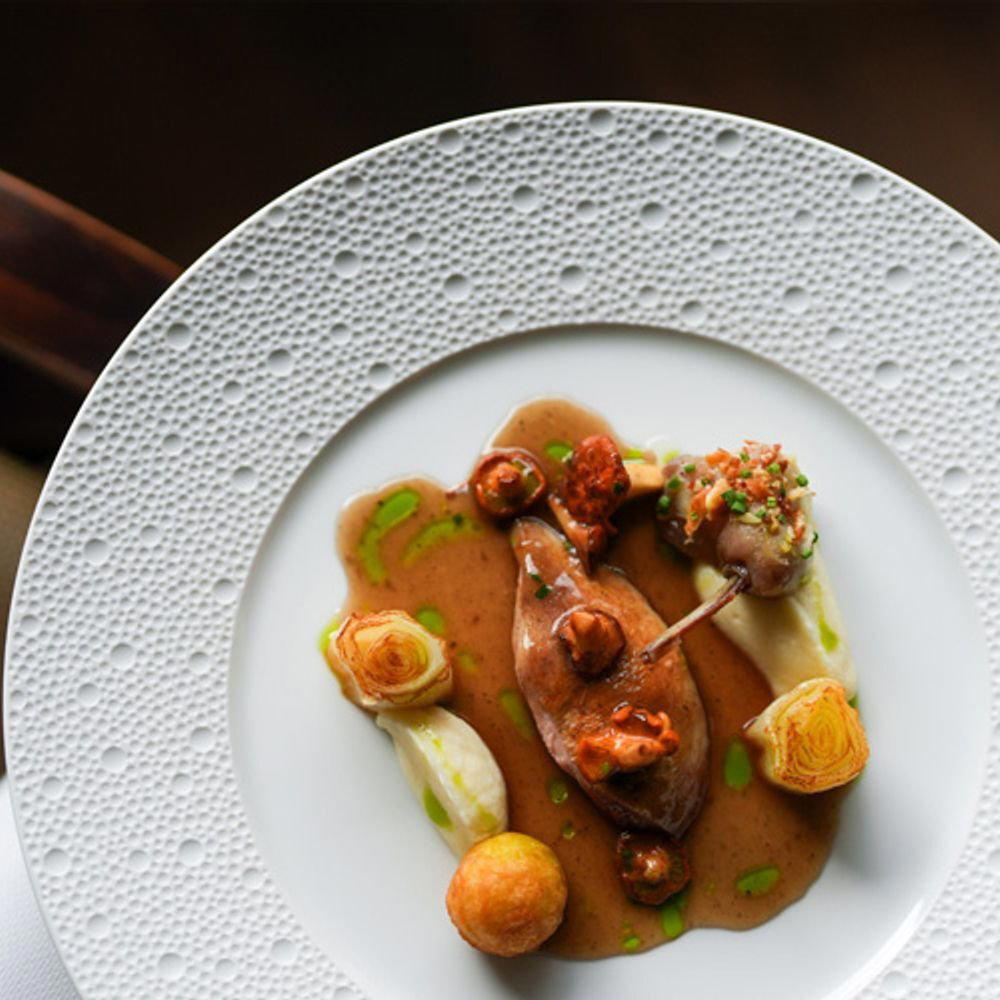
Bars in Emmerich
Browse all →
Hotels in Emmerich
Browse all →
At a Glance
- Elegant
- Intimate
- Cozy
- Sophisticated
- Date Night
- Special Occasion
- Business Dinner
- Historic Building
- Extensive Wine List
- Farm To Table
- Local Sourcing
Friendly and elegant-mediterranean atmosphere with a quiet, intimate setting praised for its beautiful and sophisticated ambiance.