Our verdict
Zlatanz Menami on Huestraße sits at an address that signals Bochum's evolving appetite for dining beyond the Ruhr's industrial-canteen defaults. A considered stop for those tracing Bochum's quieter restaurant corridors.

Pearl is the En Primeur Club membership app — saves, bookings, and concierge access live there. Same editors, same standards.
- Address
- Huestraße 5, 44787 Bochum, Germany
- Phone
- +4923492568871
- Hours
- Mon–Wed 9 AM–6 PMThu–Fri 9 AM–10 PMSat 9 AM–6 PMSun 10 AM–2 PM
- Website
- zlatanz-menami.de
- Directions
- Get directions
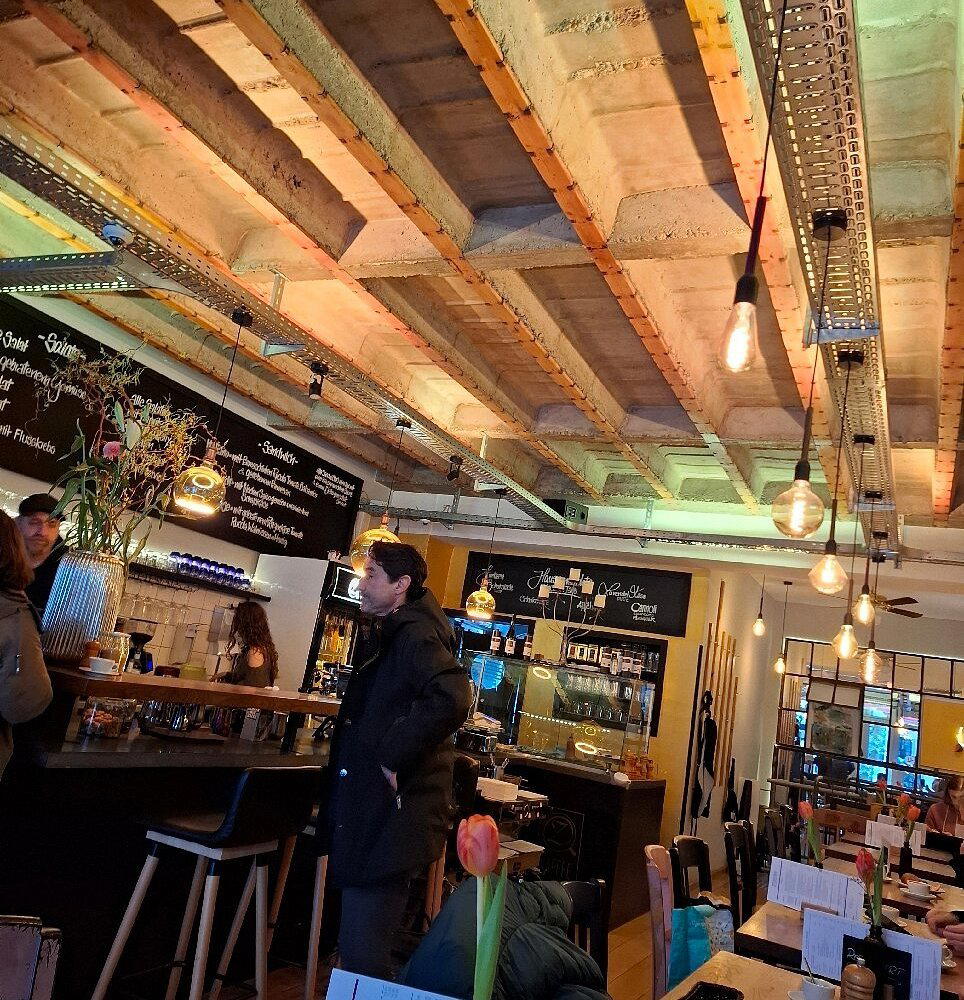
Huestraße and the Dining Habits of a Post-Industrial City
Bochum does not have the restaurant density of Düsseldorf or the Michelin infrastructure of Munich, but its central dining streets have been reshaping steadily over the past decade. Huestraße 5 places Zlatanz Menami at a walkable distance from the Bochum Hauptbahnhof corridor, in a stretch of the city centre where independent restaurants have gradually displaced the chain and canteen formats that once defined Ruhr eating. This is not a neighbourhood with a curated culinary reputation — it is a working city centre — and that context matters: venues here tend to earn their regulars through consistency and value rather than destination-dining positioning.
In a city where FIVE, Giuseppe, and Kantine.wtf each occupy distinct positions across the formality spectrum, Zlatanz Menami represents the independent, neighbourhood-anchored tier: no announced awards, no published tasting menu format, no visible group affiliation. For a fuller map of where it sits within Bochum's dining options, the full Bochum restaurants guide gives useful comparative bearings.
What the Address Tells You Before You Walk In
The physical approach to a restaurant on a central Bochum street like Huestraße reads differently from arriving at a destination address in the countryside or a curated hotel district. Foot traffic is urban and functional. The surrounding blocks carry a mix of everyday retail and services, meaning the restaurant draws on a pedestrian local economy rather than a pilgrimage dining circuit. In German cities of Bochum's scale, regional rather than metropolitan, practical rather than fashionable, this kind of address tends to filter toward a clientele that returns regularly rather than one that arrives with a reservation three months in advance.
That pattern, common to mid-tier independents across the Ruhr, shapes everything from portion expectation to price tolerance. Compare this with the distance and destination logic that applies to venues like Aqua in Wolfsburg or ES:SENZ in Grassau, where the journey itself is part of the proposition. Zlatanz Menami, by contrast, appears to operate on proximity and familiarity, the logic of the neighbourhood restaurant rather than the event restaurant.
Ingredient Sourcing and the Ruhr's Supply Geography
The editorial angle that matters most for a venue of this type in this city is sourcing. The Ruhr has a particular food geography: it is densely urban, with no significant agricultural hinterland of its own, but it sits within reasonable reach of Westphalian produce networks, rye-bread traditions, freshwater fish from regional rivers, pork-centred cold-cut cultures, and seasonal vegetables from the Lower Rhine flatlands to the west. Restaurants in Bochum's independent tier make choices, often uncommunicated publicly, about how far they reach into that supply chain versus how much they rely on the standard wholesale distributors that service most German city-centre kitchens.
Without a published menu or confirmed sourcing statements in the public record, it is not possible to report Zlatanz Menami's specific ingredient decisions. What can be said is that the name, Zlatanz Menami, carries no obvious regional German etymology, suggesting a culinary identity that may draw from outside the Westphalian tradition. This is not unusual in Bochum, where migrant communities, particularly from Turkey, Eastern Europe, and the Middle East, have built some of the city's most consistent neighbourhood restaurants over the past forty years. If Zlatanz Menami sits within that lineage, its sourcing conversation would be different from a Westphalian-focused kitchen, centred perhaps on spice imports, specialist butchers, or produce networks tied to particular diaspora communities rather than regional German supply chains.
That context matters because the sourcing story in diaspora-rooted restaurants is frequently as specific and traceable as in Nordic farm-to-table programs, it just maps to different geographies. The best of these kitchens in German cities source with the same intentionality as places like JAN in Munich or Schwarzwaldstube in Baiersbronn, even when they do so without the press infrastructure to document it.
Where Zlatanz Menami Sits in Bochum's Competitive Set
Bochum's restaurant tier below the fine-dining bracket is largely unrated by major international guides. The city has no current Michelin-starred addresses of its own in the way that Hamburg carries Restaurant Haerlin or Bergisch Gladbach carries Vendôme. The Ruhr's dining energy at the top tier migrates outward, to Düsseldorf, to Cologne, leaving the city's interior restaurant scene as a space where independent operators define the experience without the pressure or the signal of award recognition.
Within Bochum itself, the competition for the neighbourhood-independent diner includes places like Livingroom and Zum Grünen Gaul, each occupying a different point on the formality and cuisine axis.
For comparison with what award-verified ambition looks like elsewhere in Germany, venues like Victor's Fine Dining by Christian Bau in Perl, Waldhotel Sonnora in Dreis, or Schanz in Piesport represent a different tier entirely, destinations where sourcing, technique, and critical recognition converge. Zlatanz Menami operates in a different register, and there is nothing wrong with that: some of the most reliable eating in German cities happens precisely in the tier below recognition, where kitchens are not performing for critics.
At the international level, the contrast is even sharper. Venues like Le Bernardin in New York City or Atomix in New York City and Berlin's CODA Dessert Dining define what the award-circuit end of the spectrum looks like. Zlatanz Menami's value proposition, whatever it turns out to be in practice, is built on different terms.
Planning Your Visit
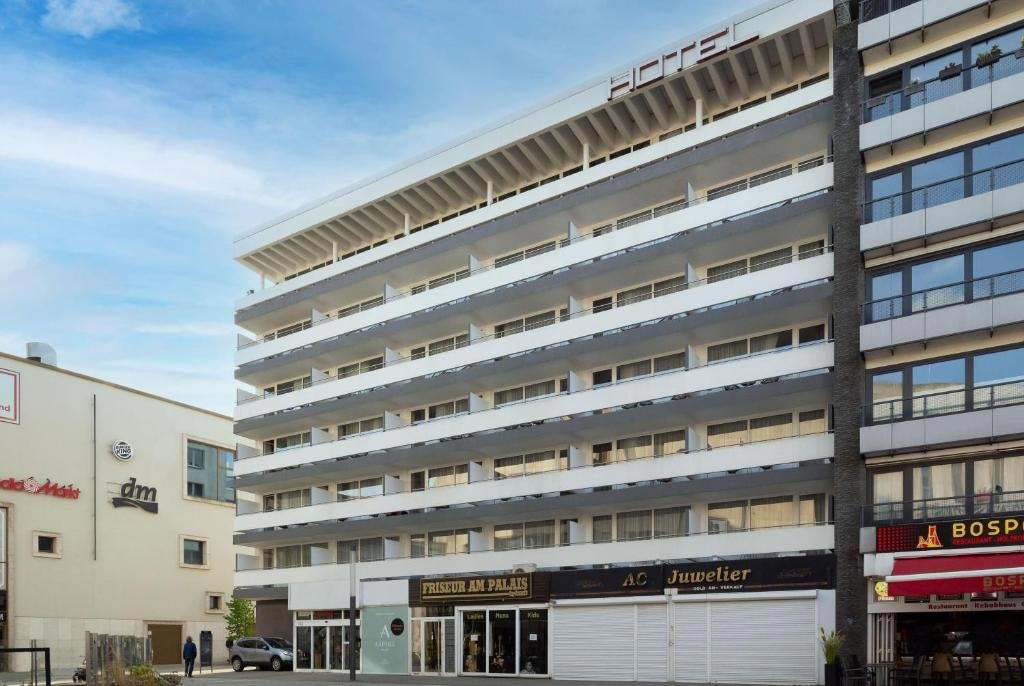
The address, Huestraße 5, 44787 Bochum, is direct to reach from Bochum Hauptbahnhof on foot in under ten minutes. Given the absence of a reservation system confirmed in the public record, walk-in availability is plausible, but evening timing on weekends may still carry a wait depending on seat capacity. Confirming hours directly before visiting is advisable.
Frequently asked questions
Is Zlatanz Menami suitable for children?
Its Huestraße 5 address places it on a central Bochum street with everyday foot traffic rather than a formal fine-dining corridor, which typically signals a more relaxed environment. Contacting the venue directly before visiting with children is advisable given the absence of a published phone number or website.
What kind of setting is Zlatanz Menami?
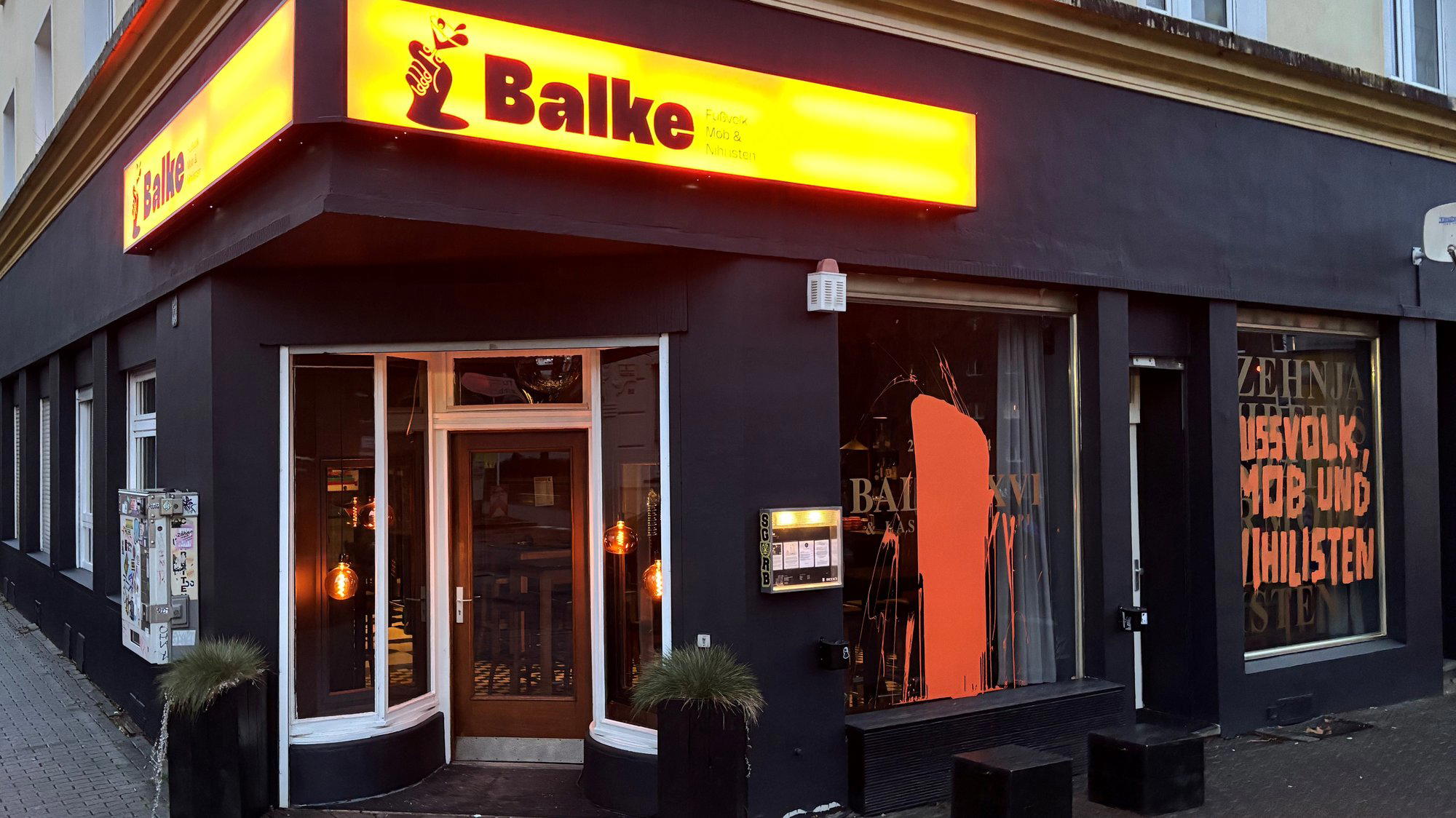
Zlatanz Menami sits at Huestraße 5 in Bochum's city centre, within walking distance of the Hauptbahnhof and the everyday commercial activity of central Bochum. The venue holds no recorded awards, hotel affiliation, or fine-dining accreditation, which points toward a neighbourhood-scale independent rather than a destination address. The physical setting on Huestraße is urban and accessible rather than atmospheric or destination-driven by design.
Does Zlatanz Menami represent a specific non-German culinary tradition?
The name Zlatanz Menami does not align with any German regional food tradition, pointing toward an international or diaspora culinary background — though no cuisine type, chef origin, or kitchen identity is confirmed in the public record. Bochum's Ruhr context means its independent restaurant scene draws on a wide range of cultural communities, many of which are underrepresented in major guides.
What should I eat at Zlatanz Menami?
The name does not correspond to a German regional culinary tradition, which suggests a possible diaspora or international kitchen focus — though this remains unconfirmed. Arriving with an open brief rather than a specific dish expectation is the practical approach until the venue publishes a menu.
Comparable Spots, Quickly
Comparable venues nearby, for context on price, style, and recognition.
| Venue | Cuisine | Price | Awards | Notes |
|---|---|---|---|---|
| Zlatanz MenamiThis venue — the venue you are viewing | Italian Café with Mediterranean Delicacies | $10–20 | Not listed | Not listed |
| Giuseppe | Traditional Italian Trattoria | $30–50 | Not listed | Mitte |
| Kantine.wtf | Modern Urban Fusion | $20–30 | Michelin Plate · Star Wine List | Sevens Stones |
| Livingroom | Modern European with Mediterranean and Asian influences | $30–50 | Star Wine List | Mitte |
| Zum Grünen Gaul | German Gastropub | Not listed | Star Wine List | Mitte |
| FIVE | Modern Fusion Fine Dining | Not listed | Star Wine List | Mitte |

Details
- Cozy
- Relaxed
- Casual Hangout
- Street Scene
- A La Carte
- Vegetarian Friendly
- Vegan Options
Current opening hours
- Monday
- 9 AM–6 PM
- Tuesday
- 9 AM–6 PM
- Wednesday
- 9 AM–6 PM
- Thursday
- 9 AM–10 PM
- Friday
- 9 AM–10 PM
- Saturday
- 9 AM–6 PM
- Sunday
- 10 AM–2 PM
Hours can change for holidays and private events. Last verified .
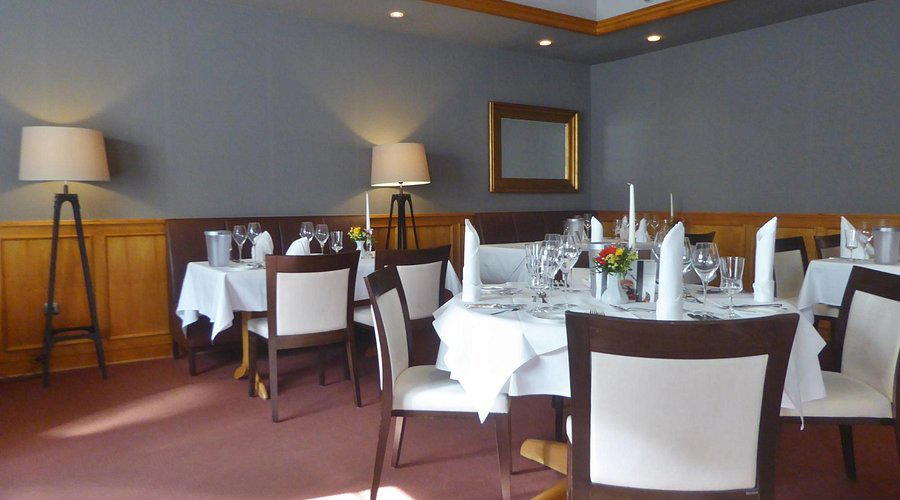
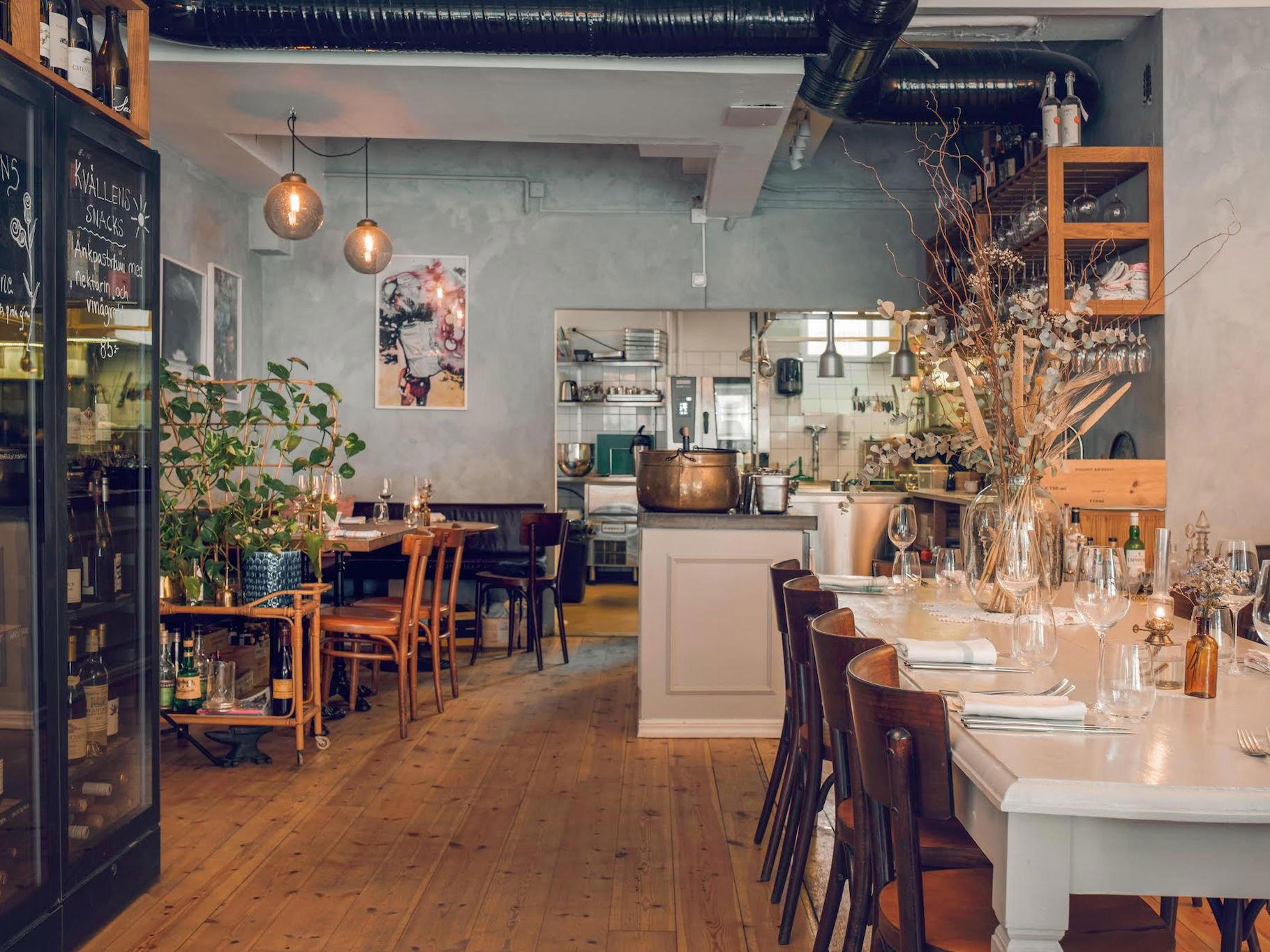
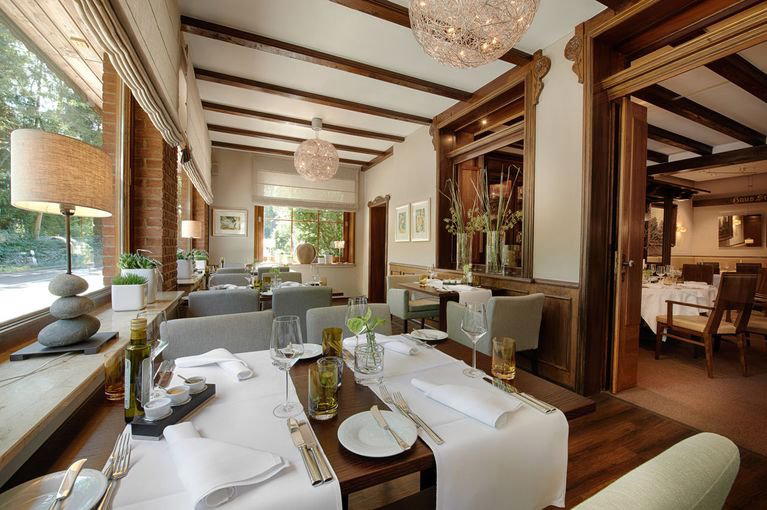
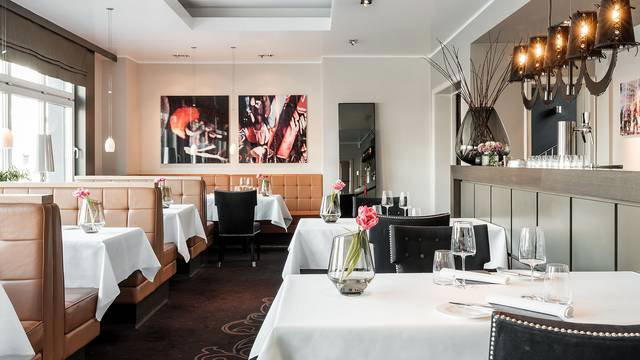
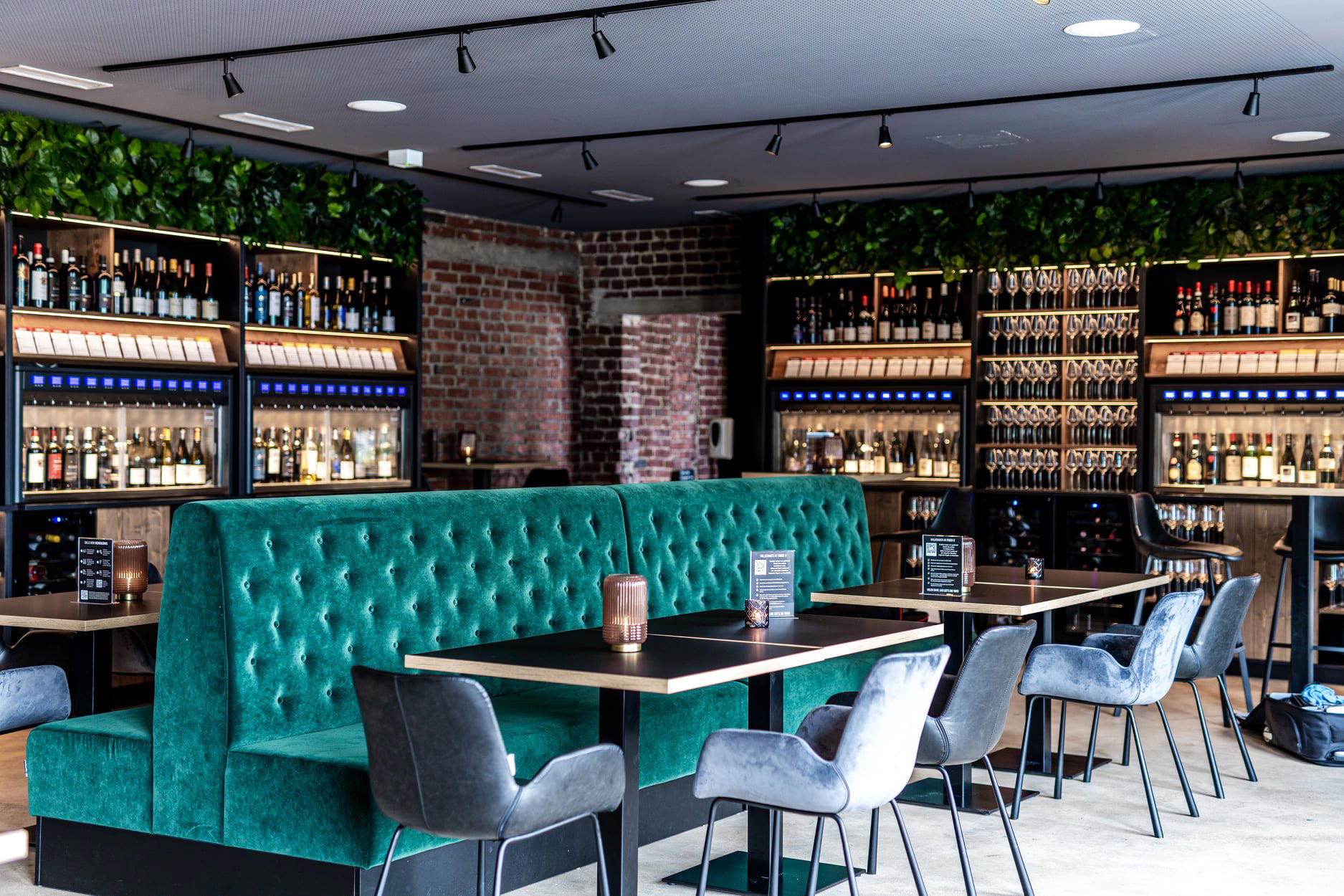
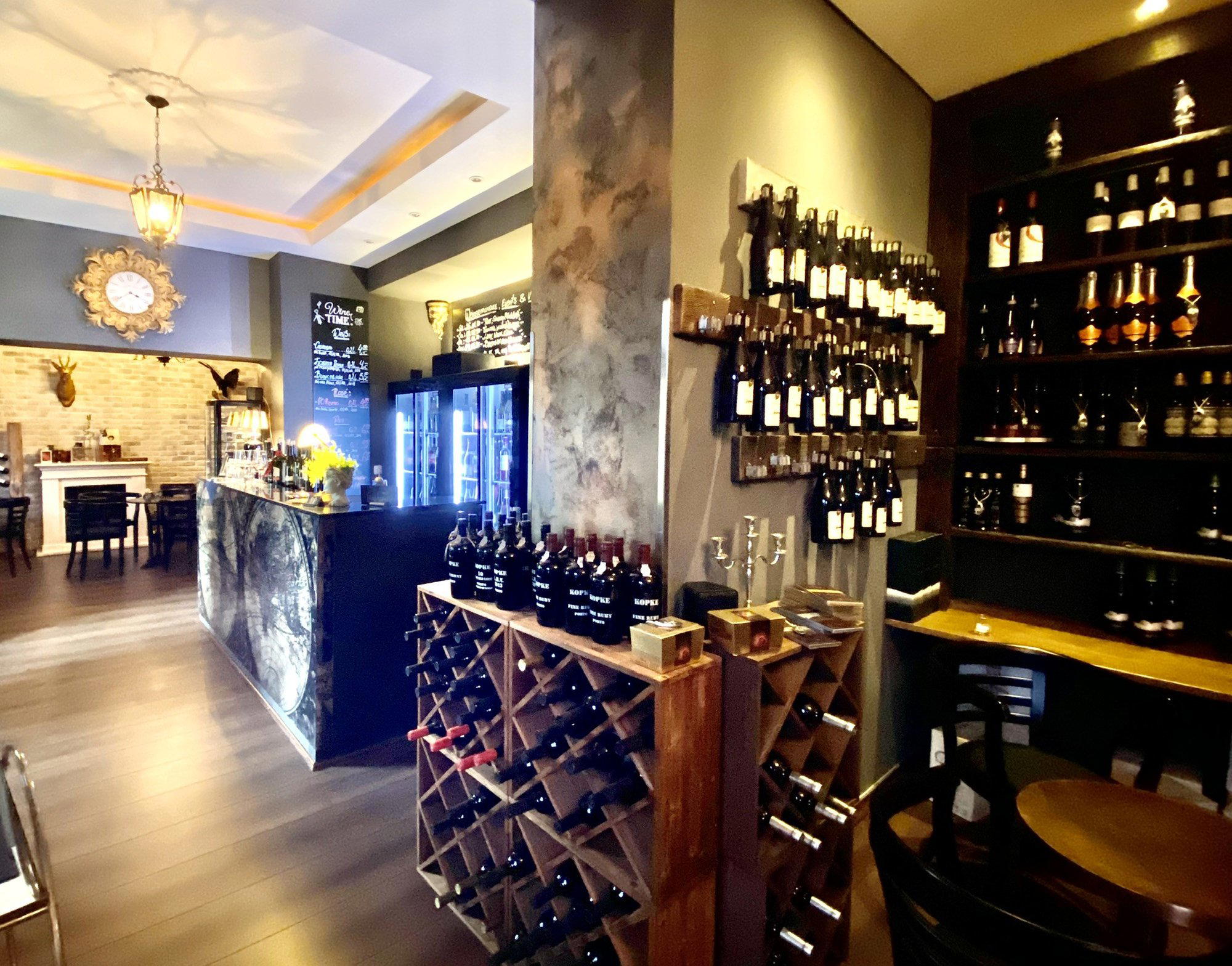
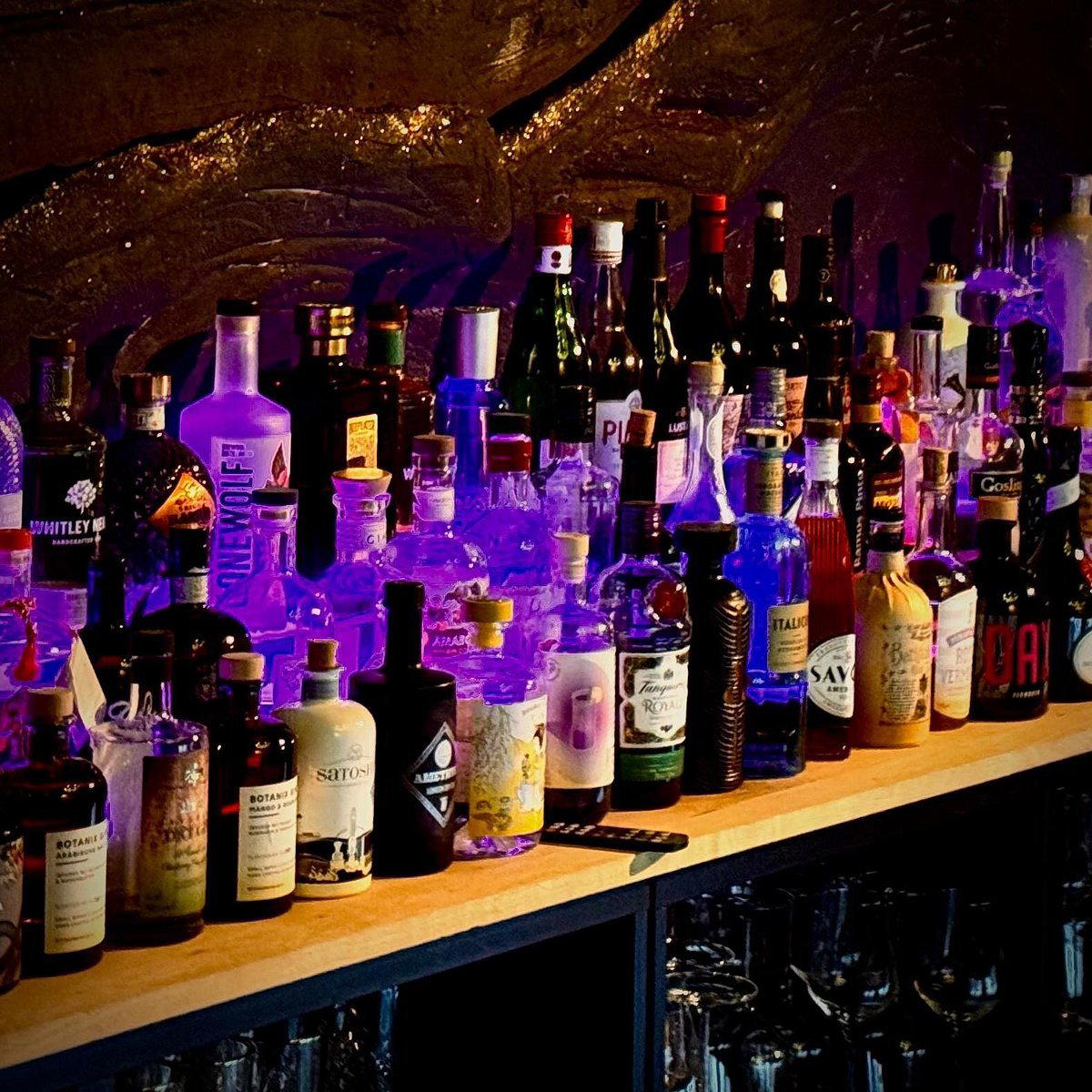
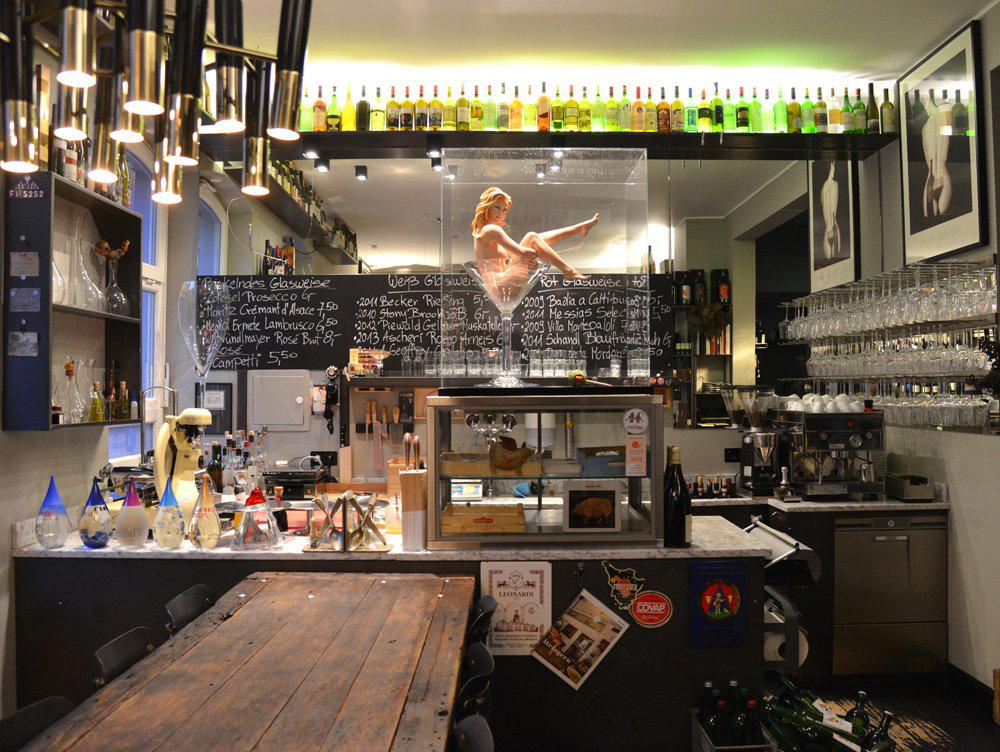
Relaxed and friendly atmosphere with cozy, inviting seating and tasteful decorations full of detail.