
Star Wine List
Our verdict
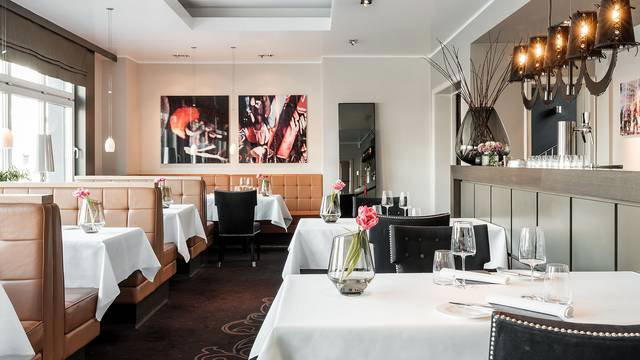
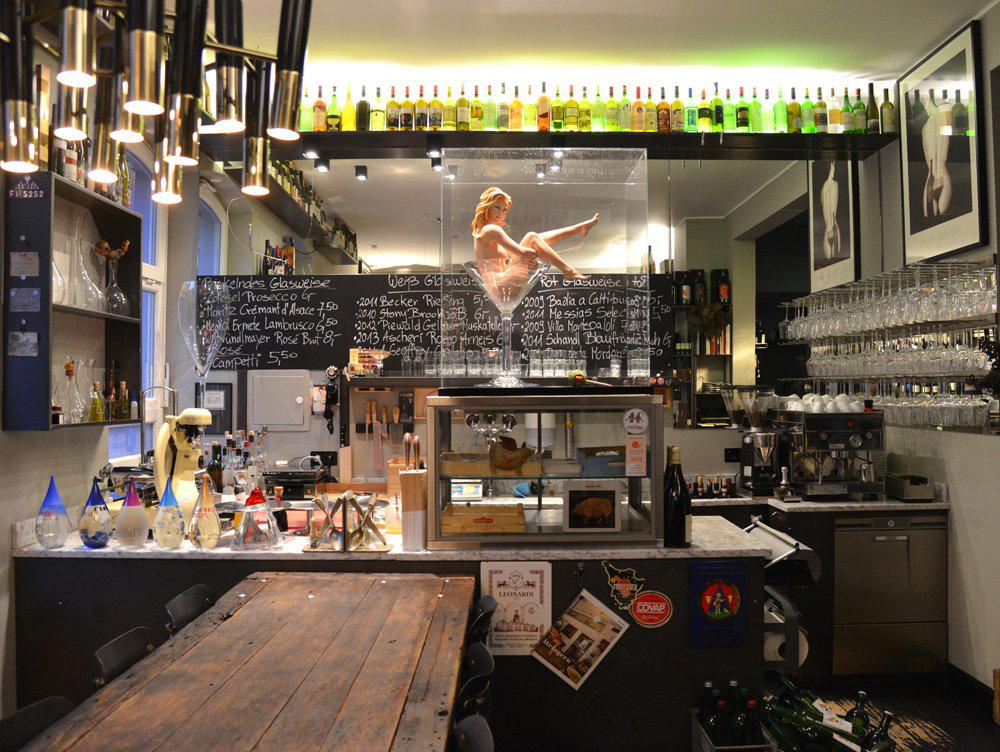
At FIVE on Hellweg, Bochum's casual fine-dining scene takes an unusual structural turn: the chef is also the sommelier. Tibor Werzl leads both kitchen and cellar, producing a format where food and wine selection are governed by a single editorial hand. For a city still building its fine-dining identity, that integration places FIVE in a distinct tier.

Pearl is the En Primeur Club membership app — saves, bookings, and concierge access live there. Same editors, same standards.
- Address
- Hellweg 28-30, Bochum
- Phone
- +49 1575 8805864
- Website
- five-bochum.de
- Directions
- Get directions
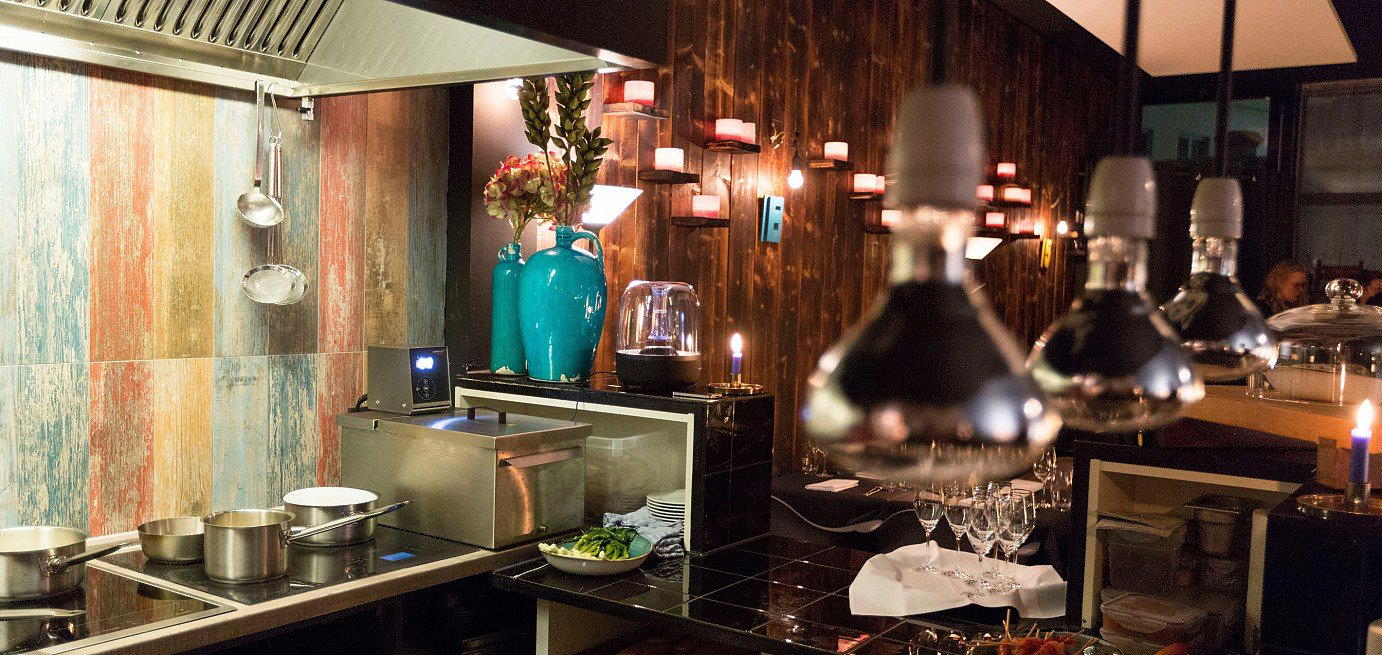
Where the Kitchen and the Cellar Speak the Same Language
Bochum's restaurant scene has spent the better part of a decade repositioning itself. Once defined almost entirely by post-industrial pragmatism and the kind of hearty regional cooking that fuelled Ruhr Valley workers, the city now has a small but serious cohort of restaurants operating at the fine-dining register. FIVE, on Hellweg 28-30, sits within that cohort — but its structural premise separates it from the neighbourhood's other ambitious tables. In most serious European dining rooms, the chef and the sommelier work in close parallel, sometimes in tension, negotiating what the kitchen wants to say and what the cellar can support. At FIVE, those two roles are held by one person.
That arrangement is less common than it sounds. At restaurants like Aqua in Wolfsburg or Schwarzwaldstube in Baiersbronn, the wine programme and the kitchen operate as separate departments, each with its own credentialled lead. The integration model FIVE operates under places direct authorial responsibility on Tibor Werzl for the full arc of the meal — from the provenance and preparation of what arrives on the plate to the wine that frames it. It is an intimate, high-accountability format.
The Ingredient Conversation
In the current German fine-dining conversation, sourcing has become as much a philosophical statement as a practical one. The shift from classical French-derived technique toward a more ingredient-centred approach has been playing out across kitchens from Hamburg to Munich for the better part of fifteen years. Restaurants like JAN in Munich and ES:SENZ in Grassau have staked their identity on the quality and traceability of their primary materials. The argument, in its clearest form, is that technique is in service of the ingredient rather than the other way around.
At a restaurant operating at FIVE's scale and intimacy, that priority hierarchy tends to become more visible. Smaller rooms with shorter menus typically mean fewer suppliers, tighter rotation, and a closer relationship between what the kitchen can actually source on a given week and what lands on the table. The chef-sommelier structure compounds this: when the same person who selects the produce also selects the wine, the pairing logic can start from ingredient character rather than retrofitting wine choices to finished dishes. Whether Werzl works explicitly from that principle, the format invites it.
The Ruhr Valley's geographic position is worth noting in this context. Bochum sits within reach of some of the most productive agricultural land in western Germany, and the region's proximity to the Netherlands adds a further layer of supplier access. Fine-dining rooms in this part of North Rhine-Westphalia have historically drawn on that supply base, and the restaurants in Bochum's current ambitious tier, including Kantine.wtf and Livingroom, each reflect the region's capacity for strong primary produce in different ways.
The Wine Dimension
The wine list at FIVE is described as extensive, a term that carries specific weight in a room of this format. Casual fine dining with an intimate headcount and an extensive cellar implies a deliberate investment in depth over breadth, with the list functioning as an argument rather than a catalogue. Nicolai Metzger works alongside Werzl on that list, which means the sommelier role, even under the chef-sommelier model, has a second voice in it. That pairing of kitchen authority and cellar depth is the operative tension in FIVE's format, and it is a tension that tends to produce interesting results when it functions well.
Germany's wine culture increasingly extends well beyond its own borders at serious tables. Restaurants like Schanz in Piesport and Vendôme in Bergisch Gladbach maintain lists that engage substantively with German producers while ranging broadly across Europe. An extensive list at FIVE is likely calibrated to similar ambitions. What distinguishes the format here is that the person selecting and presenting those wines has simultaneous command of what the kitchen is doing, a dynamic that affects not just which wines appear on the list but how they are communicated in the room.
Bochum's Dining Tier: Where FIVE Sits
It is useful to set FIVE against the wider field of ambitious German restaurants to understand what its format implies. At the high end of the domestic conversation, tables like Restaurant Haerlin in Hamburg or CODA Dessert Dining in Berlin, format innovation tends to operate at high price points and with significant critical infrastructure around it. FIVE's casual fine-dining descriptor positions it deliberately below that tier in formality, while maintaining the technical and wine seriousness of a room that takes both its kitchen and cellar seriously.
That positioning is increasingly coherent in German cities outside the top-tier hubs. In Bochum specifically, the case for a smaller, less ceremonial room with genuinely considered food and wine is arguably stronger than in cities where diners have more high-end options competing for the same evening. Zum Grünen Gaul occupies a different register on the local dining spectrum, and the range between these Bochum tables illustrates how the city's restaurant culture is differentiating rather than homogenising. FIVE's particular niche, intimate, chef-sommelier-led, casually fine, has few direct local competitors.
For context on how this category plays internationally, the model of chef-driven rooms where kitchen authorship extends to the cellar has precedents at tables far outside Germany, from Le Bernardin in New York City to Emeril's in New Orleans, where the chef's total creative authority over the dining experience has become the primary proposition. The scale and price points differ substantially, but the structural logic is related.
Planning a Visit
FIVE is located at Hellweg 28-30 in Bochum, a central address accessible by public transport from Bochum Hauptbahnhof. Given the intimate format and the serious wine programme, advance booking is the expected approach, rooms of this type in German cities of Bochum's size tend to fill consistently, particularly at weekends. Specific hours, current booking methods, and pricing are best confirmed directly with the restaurant, as these details were not available at time of writing. For visitors building a broader Bochum itinerary, our full Bochum restaurants guide covers the city's dining range, with complementary resources across hotels, bars, wineries, and experiences.
Frequently asked questions
What kind of recognition has FIVE received?
FIVE has received recognition including: FIVE is an intimate, casual fine-dining restaurant with a unique concept; the chef is also the sommelier. Tibor Werzl leads the kitchen and oversees the extensive wine list with the help of Nicolai Me....
Where do I go for FIVE?
FIVE is located at Hellweg 28-30, Bochum, Bochum.
What should I eat at FIVE?
Tibor Werzl holds authorial control over both the kitchen and the wine list, which means the menu is structured around food-wine coherence from the outset rather than pairing as an afterthought. The format is casual fine dining in an intimate room at Hellweg 28-30, so the experience is driven by a short, deliberate menu. Specific dishes are not published in advance; the safest approach is to let the full sequence run without substitutions.
Is FIVE reservation-only?
For an intimate fine-dining room in a mid-sized German city, walk-in availability is limited at best. Advance booking is the practical approach, particularly given FIVE's small cover count and the kitchen's reliance on prepared sequences rather than à la carte volume. Contact FIVE directly at Hellweg 28-30, Bochum to confirm availability and reservation process.
What's the defining dish or idea at FIVE?
The structural premise is the clearest answer: Tibor Werzl is simultaneously the chef and the sommelier, with Nicolai Me assisting on the wine side. That single-author model means the wine list and the kitchen output are conceived together, which is uncommon even in Germany's more ambitious fine-dining rooms. The idea is coherence rather than showmanship — food and wine treated as a single composition.
Is FIVE allergy-friendly?
Allergy and dietary requirements should be raised directly with FIVE before booking. In an intimate kitchen running a tightly sequenced menu, advance notice allows the team to accommodate constraints without disrupting the structure of the meal. No specific allergy policy is published, so direct contact at Hellweg 28-30, Bochum is the right first step.
In Context: Similar Options
Comparable venues nearby, for context on price, style, and recognition.
| Venue | Cuisine | Price | Awards | Notes |
|---|---|---|---|---|
| FIVEThis venue — the venue you are viewing | Modern Fusion Fine Dining | Not listed | Star Wine List | Not listed |
| Kantine.wtf | Modern Urban Fusion | $20–30 | Michelin Plate · Star Wine List | Sevens Stones |
| Zlatanz Menami | Italian Café with Mediterranean Delicacies | $10–20 | Not listed | Mitte |
| Zum Grünen Gaul | German Gastropub | Not listed | Star Wine List | Mitte |
| Livingroom | Modern European with Mediterranean and Asian influences | $30–50 | Star Wine List | Mitte |
| Giuseppe | Traditional Italian Trattoria | $30–50 | Not listed | Mitte |
Recognition history
Dated appearances from independent guides and award organizations, with the underlying list record or original source where available.
Star Wine List
Star Wine List

Details
- Sophisticated
- Elegant
- Intimate
- Modern
- Date Night
- Special Occasion
- Open Kitchen
- Extensive Wine List
- Tasting Menu
- Vegetarian Friendly
Cool decor, warm and inviting atmosphere with conscientious service.