Our verdict
On Gerberstraße in central Bochum, Giuseppe brings an Italian name and address to a city better known for its industrial heritage than its restaurant scene. Precise information on the format, price point, and kitchen team is limited, but the address places it within walking distance of Bochum's compact dining core, where a small cluster of independent restaurants is quietly redefining what the Ruhr expects from a meal out.

Pearl is the En Primeur Club membership app — saves, bookings, and concierge access live there. Same editors, same standards.
- Address
- Gerberstraße 2, 44787 Bochum, Germany
- Phone
- +4923423998011
- Hours
- Mon ClosedTue–Wed 12–2 PM, 5–10:30 PMThu–Sat 5–10:30 PMSun 5–9 PM
- Website
- giuseppe-bochum.de
- Directions
- Get directions
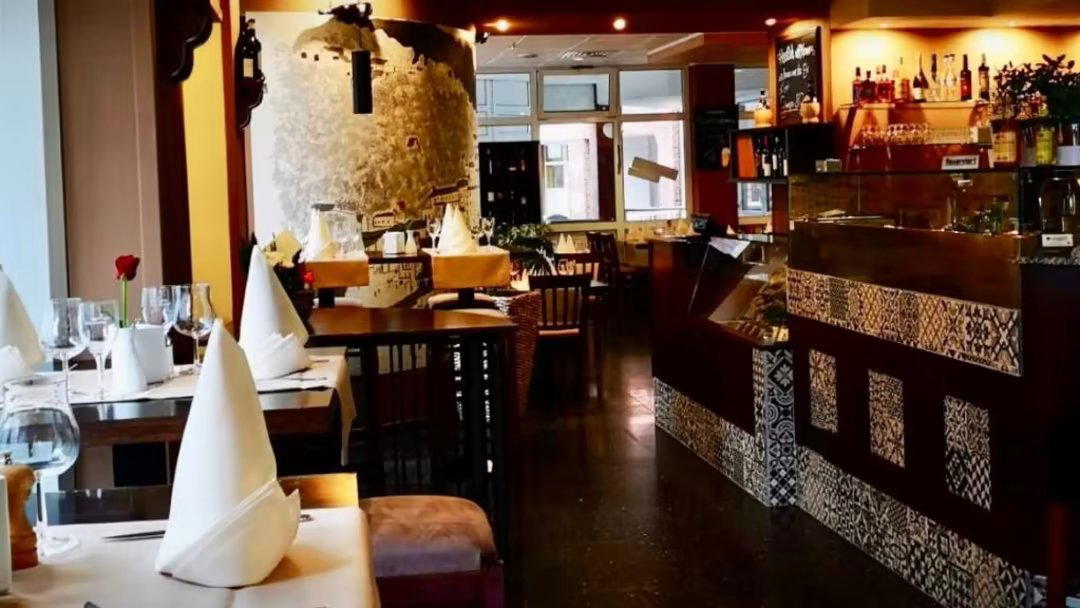
Bochum's Dining Scene and Where Giuseppe Sits Within It
The Ruhr Valley has spent the better part of two decades working out what it wants to be after steel. Bochum, more than most of its neighbours, has allowed that question to play out on the plate. The city's restaurant scene is not large by German metropolitan standards, but it has developed a distinct character: independent-minded, unpretentious in setting, and increasingly serious about what ends up on the table. Gerberstraße 2, the address of Giuseppe, sits inside that compact core, close enough to the pedestrian centre that it draws both a local regular crowd and visitors exploring the Ruhr's growing reputation for food that does not require a trip to Düsseldorf or Cologne to find.
The name Giuseppe signals Italian reference, or at least Italian sympathy, which places it inside a dining category that German cities have historically done poorly and are now doing considerably better. The leading Italian-influenced cooking in German urban contexts has moved away from the red-sauce-and-Chianti template of the 1980s toward something that takes ingredient sourcing as its organising principle. Where the food comes from, and the integrity of the supply chain behind it, has become the dividing line between restaurants using Italian as a flavour concept and those treating it as a philosophy of production.
The Case for Ingredient Provenance in Italian-Influenced Cooking
Italian cuisine's authority has always rested on raw material quality rather than technique complexity. This is what makes it both accessible and, at the serious end, demanding: there is nowhere to hide. A Neapolitan tomato sauce asks more of its tomatoes than a French reduction asks of its bones, because the sauce has fewer places to redirect attention. Restaurants working within this tradition that take sourcing seriously tend to structure their menus around what can be obtained at a given time, from producers who can be named and, ideally, verified.
In Bochum's current scene, this sourcing-led approach is emerging across several independent operators. Kantine.wtf and FIVE each represent formats where the kitchen's relationship with its supply chain informs the menu's daily shape, while Zum Grünen Gaul draws on regional German produce as a point of differentiation.
What Italian Sourcing Traditions Mean for a Ruhr Address
Operating an Italian-reference restaurant outside Italy involves a set of sourcing decisions that determine almost everything about the result. The central question is how much of the raw material travels and how much is local. Serious Italian-influenced kitchens in northern Europe have generally resolved this tension by splitting the sourcing: staples with strong regional identity (specific DOP-certified cheeses, cured meats, olive oils) come from Italy, while produce, fish, and meat are sourced as locally and seasonally as possible. This hybrid approach is now the dominant model at the better end of the category across Germany, and it is a more honest framework than either importing everything or pretending that a Ruhr tomato is a San Marzano.
Germany's formal recognition of this kind of culinary seriousness runs through the Michelin Guide, which has expanded its Ruhr coverage steadily over the past decade. Restaurants at the level of Schwarzwaldstube in Baiersbronn or Aqua in Wolfsburg set the national benchmark for ingredient precision in German fine dining, while Munich operations like JAN demonstrate what sourcing rigour looks like at a more accessible price point. Closer to Bochum's geography, Vendôme in Bergisch Gladbach and Restaurant Haerlin in Hamburg anchor the upper end of North Rhine-Westphalian and Northern German dining respectively. Giuseppe does not operate at those price tiers or with that level of public documentation, but the framing matters: the regional context for serious ingredient-led cooking exists, and Bochum's better independents are aware of it.
Format, Atmosphere, and the Gerberstraße Address
Gerberstraße, in Bochum's central district, sits within easy reach of the main train station and the cultural institutions that cluster around the city centre. The street-level address suggests a neighbourhood restaurant format rather than a destination dining room, which in European Italian cooking is often the more appropriate register anyway. The trattorias and osterie that defined Italian restaurant culture before it was exported were built around regulars, daily menus shaped by market availability, and an informal authority that came from consistency rather than ceremony.
This format, when executed with discipline, produces some of the most reliable dining experiences in any city. It is also the format most dependent on its supply relationships: without a daily-changing menu anchored to what came in that morning, the neighbourhood restaurant model loses its reason for existence. How Giuseppe manages this — the sourcing decisions, the menu rhythm, the relationship between a German address and an Italian reference — is information that would require a visit to assess in full. What the address and name together suggest is a restaurant oriented toward the more personal, less theatrical end of what Italian food can mean in a northern European context.
Internationally, the contrast between the neighbourhood Italian model and the formal fine-dining version is well illustrated by comparing something like Le Bernardin in New York City, where French technique applied to seafood produces a highly codified experience, with Lazy Bear in San Francisco, where informality and sourcing transparency are themselves the editorial statement.
For readers building a Bochum itinerary that spans more than one meal, our full Bochum restaurants guide maps the city's dining options across category, neighbourhood, and price tier. The wider German fine-dining context, for those curious about what the country's more decorated kitchens are doing with sourcing and seasonality, is covered across EP Club's Germany pages, including CODA Dessert Dining in Berlin, ES:SENZ in Grassau, Schanz in Piesport, Waldhotel Sonnora in Dreis, and Victor's Fine Dining by Christian Bau in Perl.
Planning a Visit
Giuseppe is at Gerberstraße 2, 44787 Bochum, a central address reachable on foot from Bochum Hauptbahnhof in under ten minutes. Given Bochum's compact dining scene and the general pattern across the city's better independents, booking ahead on weekends is a reasonable precaution.
Frequently asked questions
Does Giuseppe work for a family meal?
The Gerberstraße 2 address in central Bochum is accessible on foot from the main train station, which makes logistics straightforward for groups travelling from different directions. Italian-reference cooking tends to format well for shared tables, with dishes that can accommodate different preferences across a group.
How would you describe the vibe at Giuseppe?
Giuseppe sits on Gerberstraße in Bochum's central district, close to the city's cultural institutions, which sets a tone distinct from neighbourhood trattorias or suburban dining rooms. The Ruhr Valley's post-industrial food scene has generally moved toward considered, ingredient-focused formats rather than high-volume casual dining, and Giuseppe's Italian-reference positioning places it within that shift. Expect something closer to a focused dinner destination than a drop-in spot.
Is Giuseppe suitable for a pre-theatre or pre-concert dinner near Bochum's cultural venues?
Gerberstraße 2 is within Bochum's central district, close to the cluster of cultural institutions that includes the Schauspielhaus and other performance venues, making it a practical option before an evening event. The Italian-influenced format, which typically runs at a measured pace rather than a quick turnover, means timing your reservation with enough margin is sensible. Confirm current service hours directly with the restaurant before planning around a fixed curtain time.
What should I order at Giuseppe?
What is consistent with Italian-influenced cooking of this type is a focus on raw material quality over technical complexity, meaning sourcing decisions shape the menu more than elaborate preparation. Ask staff about current seasonal availability when you visit.
What part of town is Giuseppe in?
Giuseppe is located at Gerberstraße 2, 44787 Bochum, Germany, Bochum.
Should I book Giuseppe in advance?
Giuseppe's central Bochum address on Gerberstraße places it within reach of both the city's office workers and visitors to nearby cultural venues, which means demand can be uneven across the week. Booking ahead is advisable for weekend evenings or if you are coordinating a group.
What is Giuseppe known for?
Giuseppe is an Italian-influenced restaurant at Gerberstraße 2 in Bochum, operating within a city that has repositioned itself as a serious dining destination over the past two decades. Its focus on ingredient provenance, the defining measure of credibility in Italian-reference cooking, places it within a broader Ruhr Valley movement toward sourcing-led independent restaurants. It represents a considered alternative to the chain dining that still dominates much of the region.
In Context: Similar Options
Comparable venues nearby, for context on price, style, and recognition.
| Venue | Cuisine | Price | Awards | Notes |
|---|---|---|---|---|
| GiuseppeThis venue — the venue you are viewing | Traditional Italian Trattoria | $30–50 | Not listed | Not listed |
| Zlatanz Menami | Italian Café with Mediterranean Delicacies | $10–20 | Not listed | Mitte |
| FIVE | Modern Fusion Fine Dining | Not listed | Star Wine List | Mitte |
| Livingroom | Modern European with Mediterranean and Asian influences | $30–50 | Star Wine List | Mitte |
| Kantine.wtf | Modern Urban Fusion | $20–30 | Michelin Plate · Star Wine List | Sevens Stones |
| Zum Grünen Gaul | German Gastropub | Not listed | Star Wine List | Mitte |
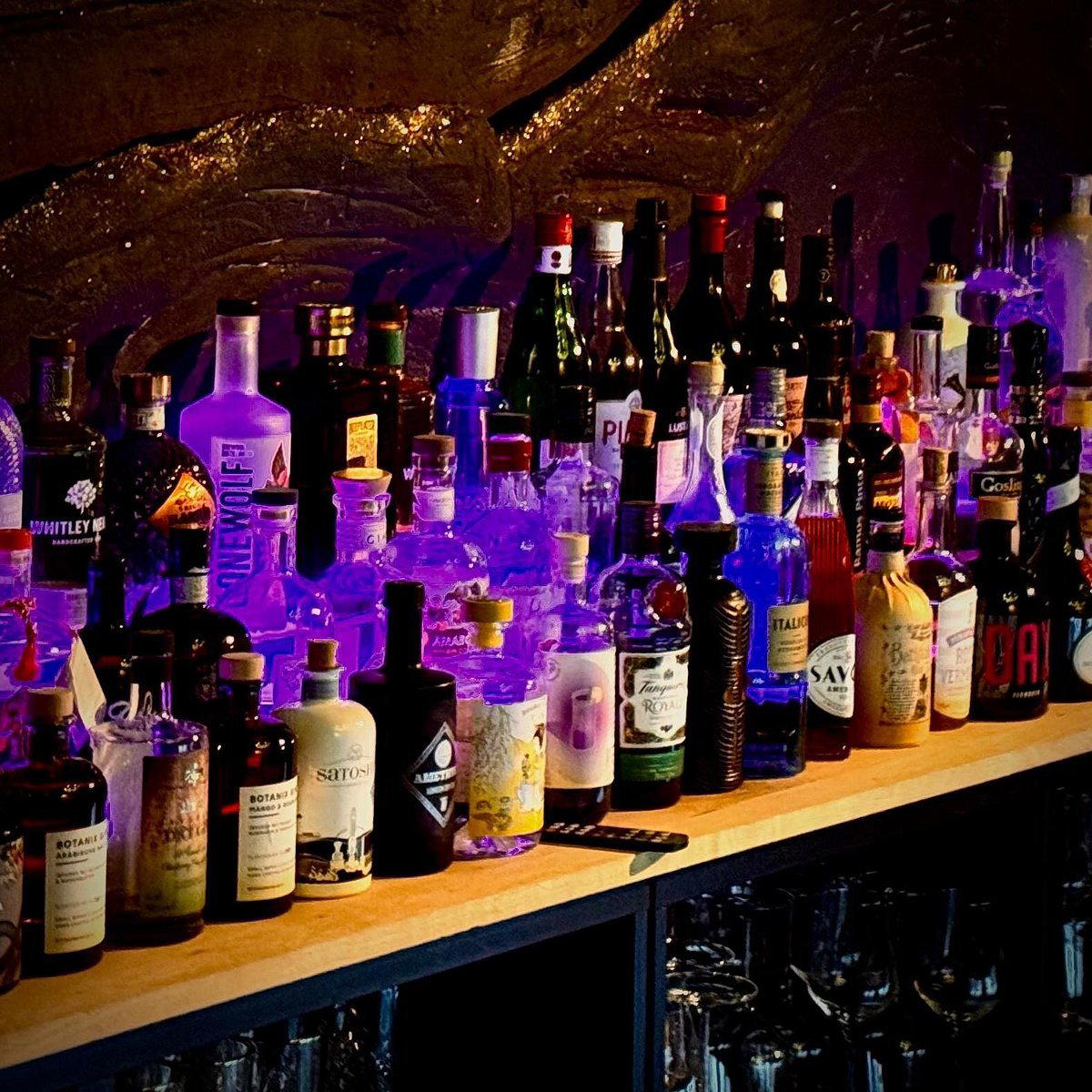
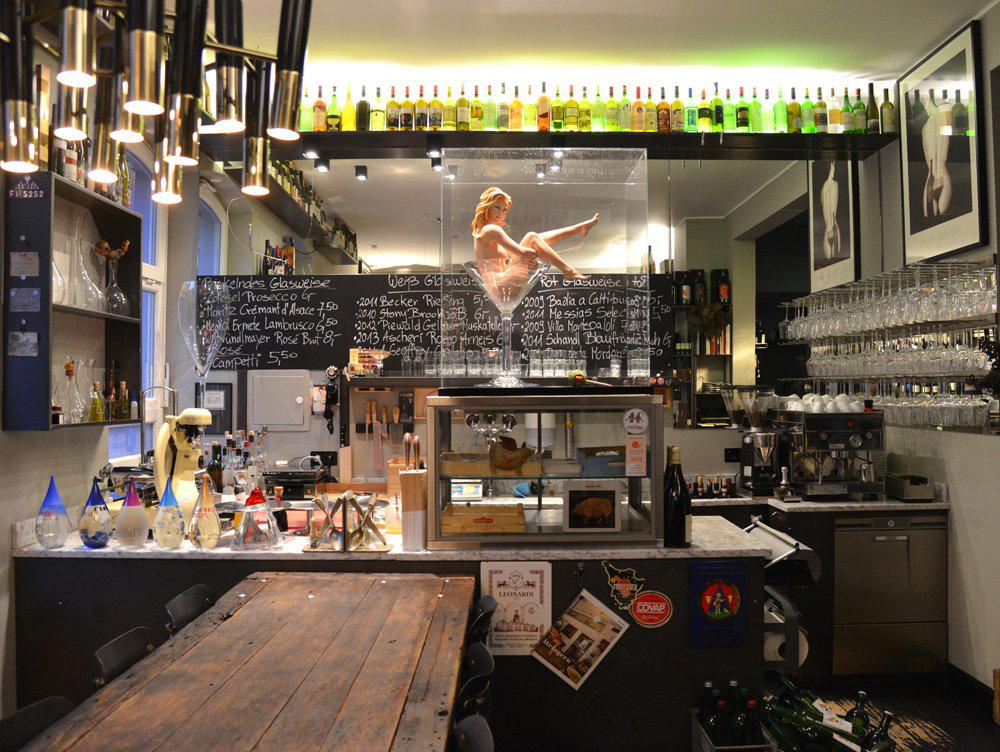
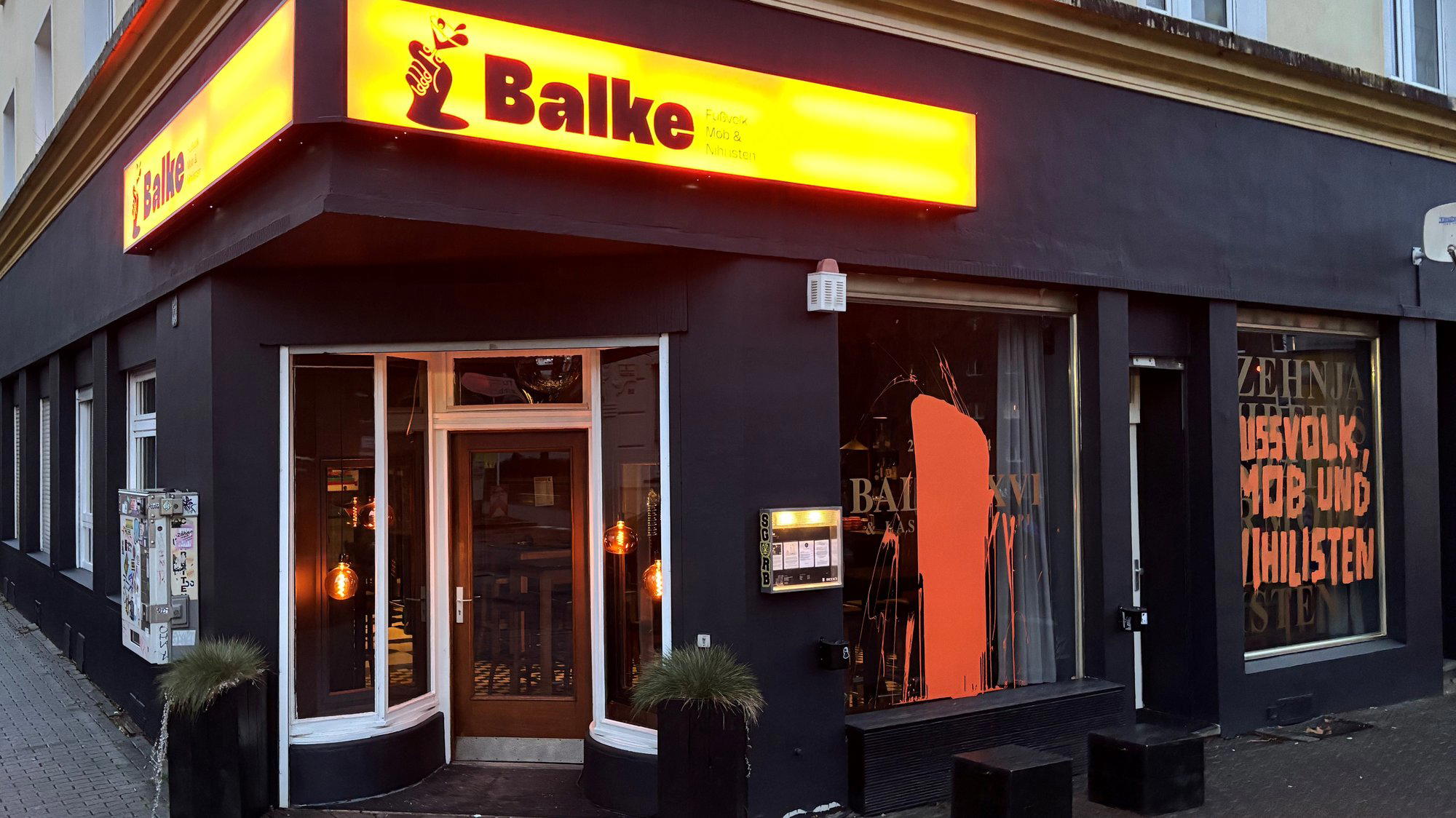
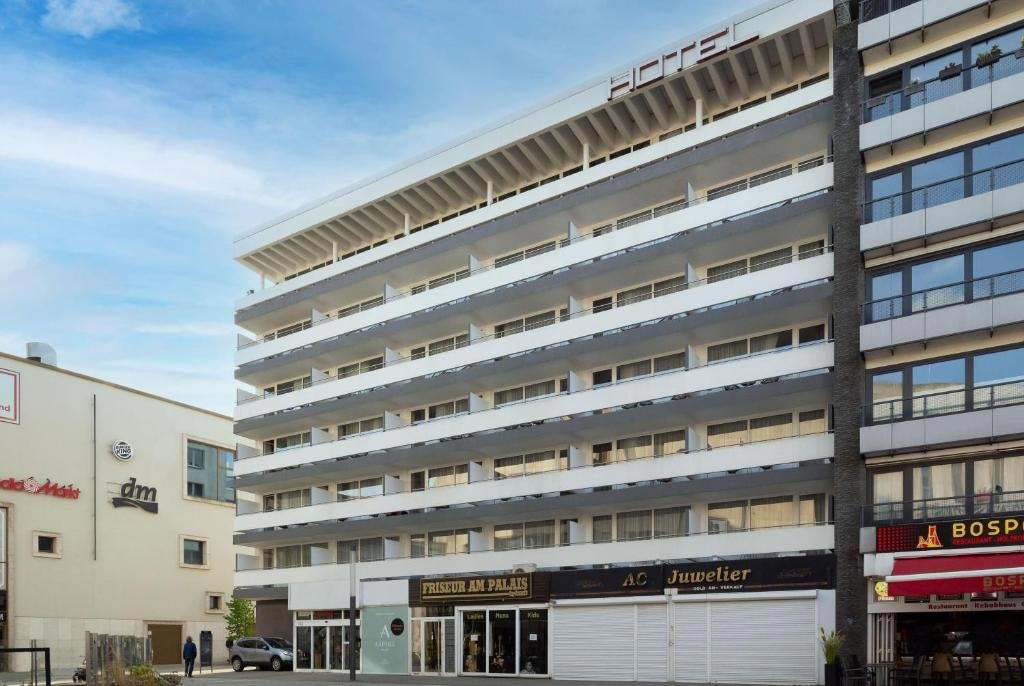

Details
- Cozy
- Classic
- Intimate
- Casual Hangout
- Family
- Group Dining
- Date Night
- Standalone
- Beer Program
- Local Sourcing
- A La Carte
- Family Style
- Wine
- Beer
- Vegetarian Friendly
Current opening hours
- Monday
- Closed
- Tuesday
- 12–2 PM, 5–10:30 PM
- Wednesday
- 12–2 PM, 5–10:30 PM
- Thursday
- 5–10:30 PM
- Friday
- 5–10:30 PM
- Saturday
- 5–10:30 PM
- Sunday
- 5–9 PM
Hours can change for holidays and private events. Last verified .
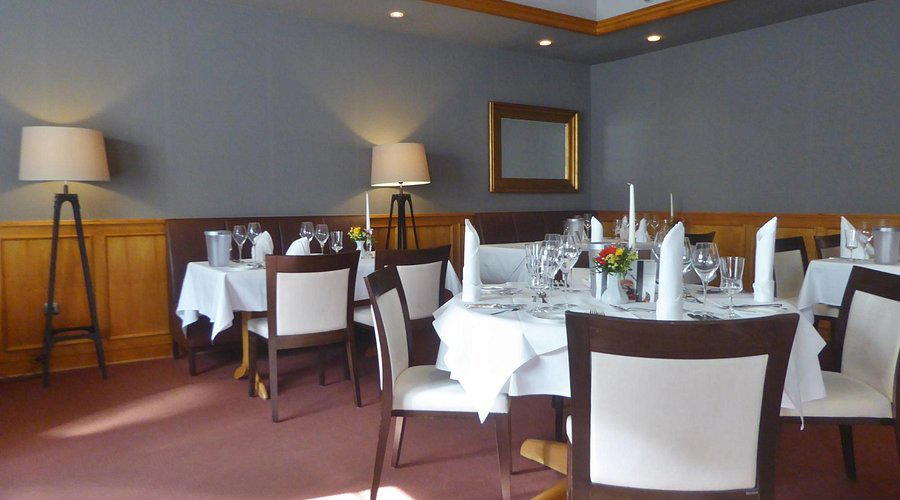
Warm and welcoming environment with friendly service; guests describe it as a cozy setting that appeals to those seeking quality Italian dining.