Zip Box - Massas
Our verdict
A pasta-focused address on Rua do Comércio in Rio Branco's Manoel Julião district, Zip Box - Massas places Italian-influenced comfort food inside a city better known for Amazonian river cuisine. The format speaks to a broader shift in Brazil's interior cities, where European pasta traditions have taken root far from the coast and produced locally adapted versions worth tracking.

Pearl is the En Primeur Club membership app — saves, bookings, and concierge access live there. Same editors, same standards.
- Address
- R. do Comércio, 17 - Manoel Julião, Rio Branco - AC, 69918-440, Brazil
- Phone
- +5568992335115
- Hours
- Mon ClosedTue–Sun 6–10:15 PM
- Website
- tanabio.my.canva.site
- Directions
- Get directions
Pasta in the Amazon Basin: What Zip Box - Massas Tells Us About Rio Branco's Eating Culture
Rio Branco sits at the edge of the Brazilian Amazon, a city of roughly 400,000 people in Acre state that most food coverage overlooks in favour of Manaus to the northeast or the restaurant density of São Paulo and Rio de Janeiro. The dining scene here does not follow the coastal arc of Brazilian gastronomy that draws international attention to addresses like D.O.M. in São Paulo or Lasai in Rio de Janeiro. It is shaped instead by regional economics, migration patterns, and the particular way that interior Brazilian cities have absorbed European culinary traditions over decades of settlement.
Within that context, a pasta house on Rua do Comércio in the Manoel Julião district is not a novelty. It is a recognisable type: the neighbourhood massas restaurant that serves as a community anchor, operating in a tradition that stretches back to Italian and other European immigration into Brazil's interior states. Zip Box - Massas occupies that position in Rio Branco, at an address that sits within a commercial stretch of a district that functions as an everyday eating destination rather than a destination for food tourists.
The Pasta Tradition in Brazil's Interior Cities
Understanding where Zip Box - Massas sits requires understanding how pasta became a staple in cities far from Brazil's southern Italian-immigrant heartland in Rio Grande do Sul and Santa Catarina. The pattern repeated across Brazil's interior as urban populations grew: pasta dishes, adapted with local ingredients and simplified for volume service, moved into the everyday restaurant category at price points that made them accessible across income brackets. You find versions of this in Cantina Pozzobon in Santa Maria, where Italian cantina heritage is more direct, and in Bistro Fitz Carraldo in Manaus, where European-influenced formats compete with Amazonian river-fish traditions.
Rio Branco's version of this story is less documented than the southern states, but the presence of pasta restaurants in the city's commercial districts points to the same underlying dynamic: urban Brazilians, wherever they live, have incorporated pasta into the weekly eating rhythm in a way that makes dedicated massas houses viable even in cities without a strong Italian-immigrant history. The format tends toward direct service, generous portions, and sauces adapted to local taste profiles, often incorporating ingredients that reflect the surrounding region.
This is the culinary tradition that Zip Box - Massas operates within, and it is a more interesting tradition than its absence from national food media might suggest. For a comparison point from a very different register, Le Bernardin in New York City and Atomix in New York City represent what happens when a cuisine type reaches its highest formal expression in a city with deep food infrastructure. Rio Branco is a different kind of story: what happens when a cuisine type becomes genuinely local in a city that food infrastructure largely bypasses.
Rio Branco's Broader Dining Picture
The city's restaurant scene divides roughly between those working with Amazonian ingredients and those drawing on Brazilian or international templates. The Amazonian tradition includes river fish, açaí prepared in ways that differ markedly from the smoothie-bowl versions exported to the rest of Brazil and the world, and indigenous ingredients that rarely appear on menus outside Acre. The imported templates include the burger and grill format, represented locally by places like Freguesia Hamburgueria, and the bistro and pasta category where Zip Box - Massas operates.
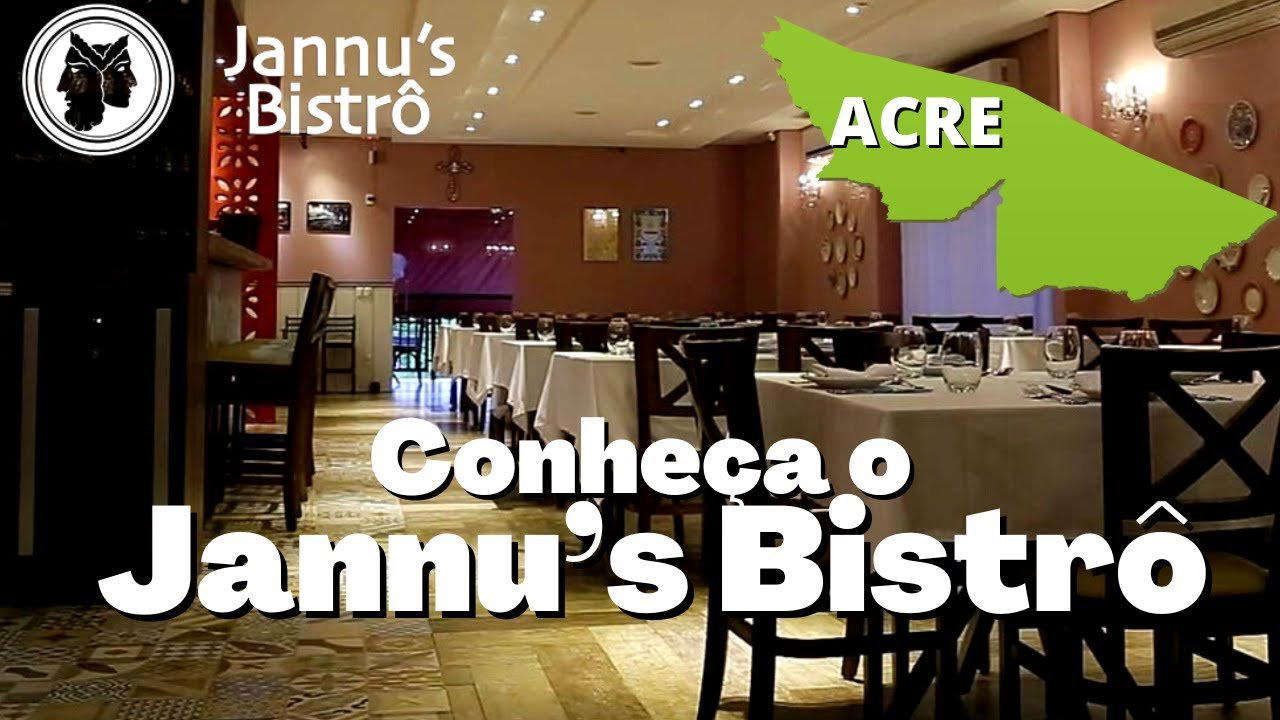
Neither category is more legitimate than the other. Cities like Rio Branco sustain both because their populations eat across the full range of Brazilian urban food culture, not just the regional specialties that outside visitors might expect to find. Jannu's Bistrô represents another point on that spectrum, showing how Rio Branco has developed a small layer of bistro-format dining that sits above the everyday category without reaching for fine dining credentials. Our full Rio Branco restaurants guide maps the full spread of these categories for visitors planning time in the city.
The massas category in particular has proven durable across Brazilian cities of this size. It survives because pasta dishes occupy an efficient middle ground: they are familiar enough to attract regular custom, adaptable enough to incorporate local supply chains, and priced in a range that sustains neighbourhood dining rather than depending on destination traffic. You see this pattern at addresses like Madê in Santos and in the pizza-adjacent formats of Fornazzo Pizzaria in Passo Fundo and Famosa Pizza in Ribeirao Preto, all of which demonstrate how Italian-influenced categories have embedded themselves in Brazilian cities at the community level.
What to Expect and How to Plan
Zip Box - Massas is located at Rua do Comércio, 17, in the Manoel Julião district of Rio Branco, with a postal address of 69918-440. The Manoel Julião area functions as a commercial and residential district where everyday service restaurants are the norm rather than the exception, which shapes what this address is set up to deliver: reliable, locally adapted pasta in a neighbourhood context, not a destination dining experience calibrated for visitors arriving from outside the city.
For a city like Rio Branco, the practical advice for any neighbourhood restaurant in this category is to visit during standard Brazilian lunch hours, when service in commercial districts tends to be at its most active, and to treat the visit as part of a broader exploration of the city's eating culture rather than as a standalone destination. Visitors already in Rio Branco for other purposes will find this address on a central commercial street that is reachable without significant navigation. Those travelling from elsewhere in Brazil or internationally should treat the city's restaurant scene as a secondary interest to the natural and cultural draws of Acre state.
For reference points on how massas and Italian-influenced formats work elsewhere in Brazil's interior and smaller cities, Casa da Flor Restaurante in Dourados, Casa da Dika Restô e Eventos in Braganca, and Aero Burguer e Grill in Santa Cruz Do Sul each illustrate how regional cities develop their own versions of these formats. Arte e café Imperial - Matriz in Angra Dos Reis, Casa da Picanha Penedo in Itatiaia, and Kampeki Sushi in Canoas round out the picture of how Brazil's secondary and tertiary cities sustain diverse dining formats independent of the coastal restaurant economy.
Frequently asked questions
Is Zip Box - Massas a family-friendly restaurant?
Pasta-focused restaurants in Brazilian interior cities like Rio Branco typically draw a broad cross-section of diners, from working families to office groups. Zip Box - Massas is located on Rua do Comércio in the Manoel Julião district, a commercial area that suggests a daytime and early-evening crowd rather than a late-night scene. That format generally suits family dining, though specific seating arrangements and children's options are best confirmed directly with the venue.
What's the vibe at Zip Box - Massas?
Rua do Comércio in Manoel Julião is a working commercial street in Rio Branco, which points toward a no-frills, practical dining room rather than a destination-restaurant setup. In cities of around 400,000 people in Acre state, pasta houses of this type typically operate as reliable neighbourhood staples — busy at lunch, quieter at dinner — rather than as occasion venues. The name 'Zip Box' suggests a counter or quick-service format, though the full atmosphere requires an on-the-ground visit to confirm.
Is Zip Box - Massas a good option for a quick lunch near the commercial centre of Rio Branco?
The address at Rua do Comércio, 17 in Manoel Julião places Zip Box - Massas directly in one of Rio Branco's commercial corridors, making it a logical stop for workers and shoppers in the area. Pasta-focused spots in similar Brazilian interior-city locations typically operate on a lunch-heavy model, with efficient service suited to the midday crowd. For current hours and whether a quick-service option is available, contacting the venue is advisable since those details are not publicly listed.
What do regulars order at Zip Box - Massas?
The venue name foregrounds 'Massas' — the Portuguese term for pasta — which positions housemade or pasta-led dishes as the core of the menu. In Rio Branco's dining culture, pasta restaurants in commercial districts tend to anchor their menus around straightforward preparations that travel well for takeaway and hold up for a sit-down lunch crowd.
Where do I go for Zip Box - Massas?
Zip Box - Massas is located at R. do Comércio, 17 - Manoel Julião, Rio Branco - AC, 69918-440, Brazil, Rio Branco.
Cost Snapshot
| Venue | Cuisine | Price | Awards | Notes |
|---|---|---|---|---|
| Zip Box - MassasThis venue — the venue you are viewing | Pasta | Not listed | Not listed | Not listed |
| D.O.M. | Modern Brazilian Amazonian Fine Dining | $150–200 | 2 Michelin Stars · World's 50 Best #74 | Modern Brazilian, Creative |
| Evvai | Modern Italian-Brazilian Fusion | $200–300 | 3 Michelin Stars · World's 50 Best #95 | Contemporary Italian, Modern Cuisine |
| Lasai | Modern Brazilian Fine Dining | Not listed | 2 Michelin Stars · World's 50 Best #28 | Regional Brazilian, Modern Cuisine |
| Oteque | Modern Seafood Fine Dining | $100–150 | 1 Michelin Star · World's 50 Best #38 | Modern Brazilian, Modern Cuisine |
| Maní | Modern Creative Brazilian | $50–100 | 1 Michelin Star · World's 50 Best #67 | Brazilian - International, Creative |
Continue exploring
More in Rio Branco
Restaurants in Rio Branco
Browse all →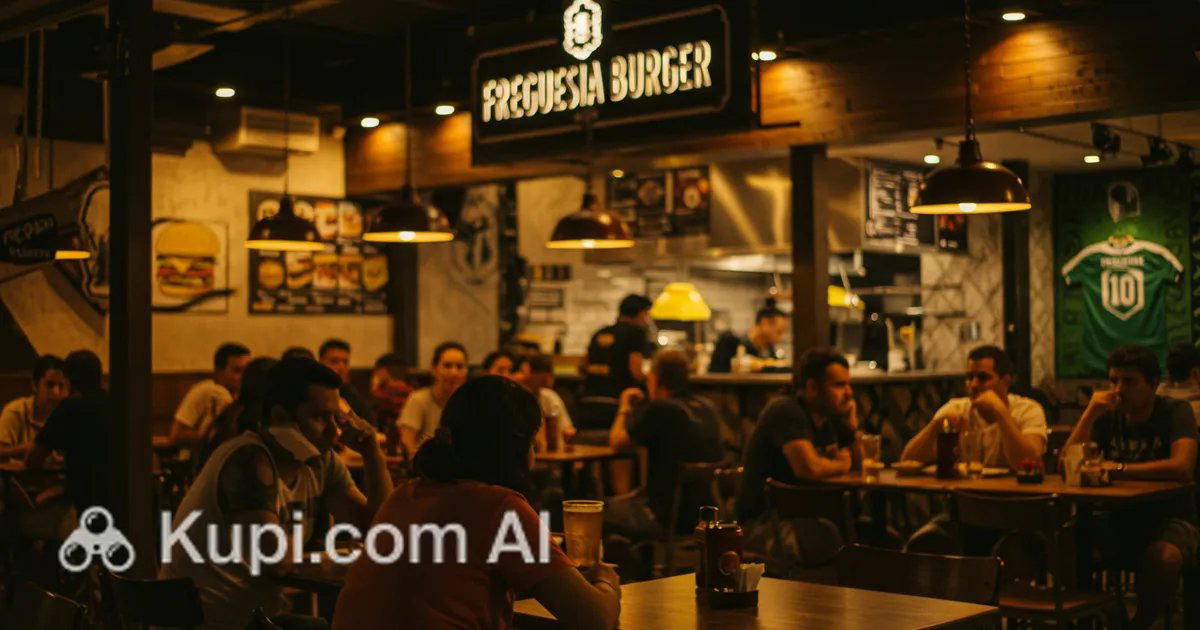
Details
Current opening hours
- Monday
- Closed
- Tuesday
- 6–10:15 PM
- Wednesday
- 6–10:15 PM
- Thursday
- 6–10:15 PM
- Friday
- 6–10:15 PM
- Saturday
- 6–10:15 PM
- Sunday
- 6–10:15 PM
Hours can change for holidays and private events. Last verified .