Skip to Main Content
← Collection
LocationSurat Thani, Thailand
We're Smart World

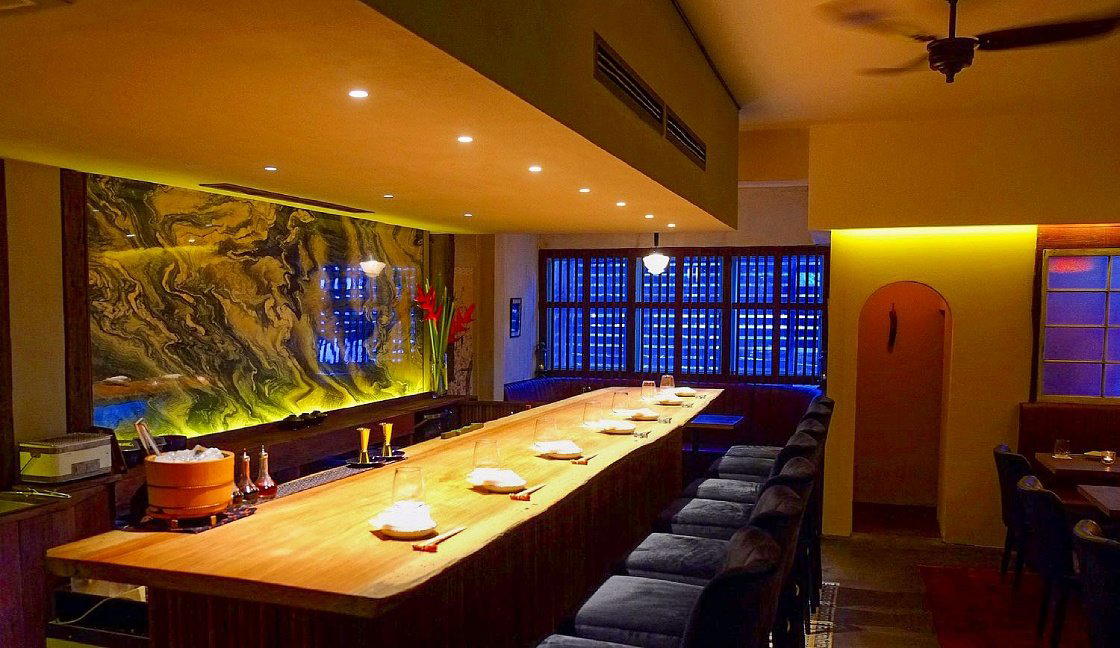
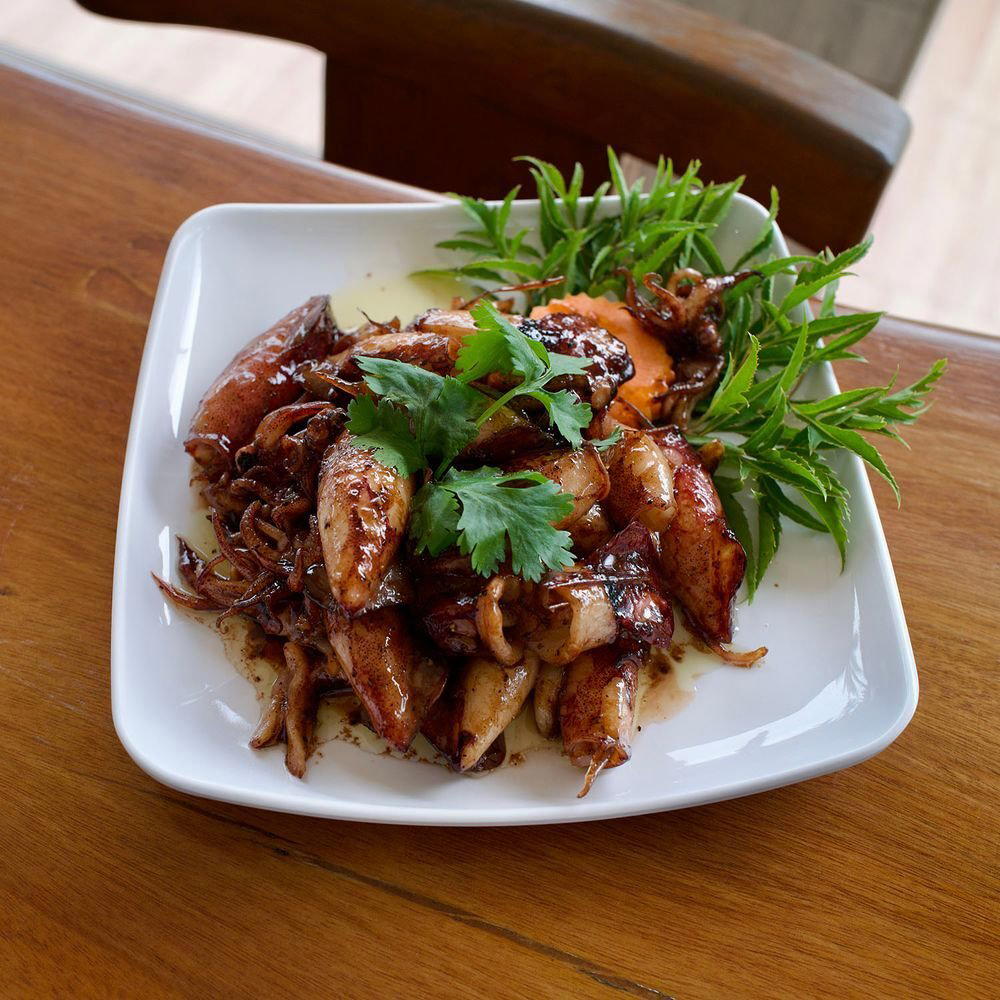
Zest operates on a format that is rare on Ko Samui: one curry, four vegetable sides chosen from roughly thirty preparations, and a table that fills with shared dishes the more people join. Located in Taling Ngam, it sits outside the island's resort-strip circuit and rewards the kind of deliberate planning that communal Thai dining has always asked for.

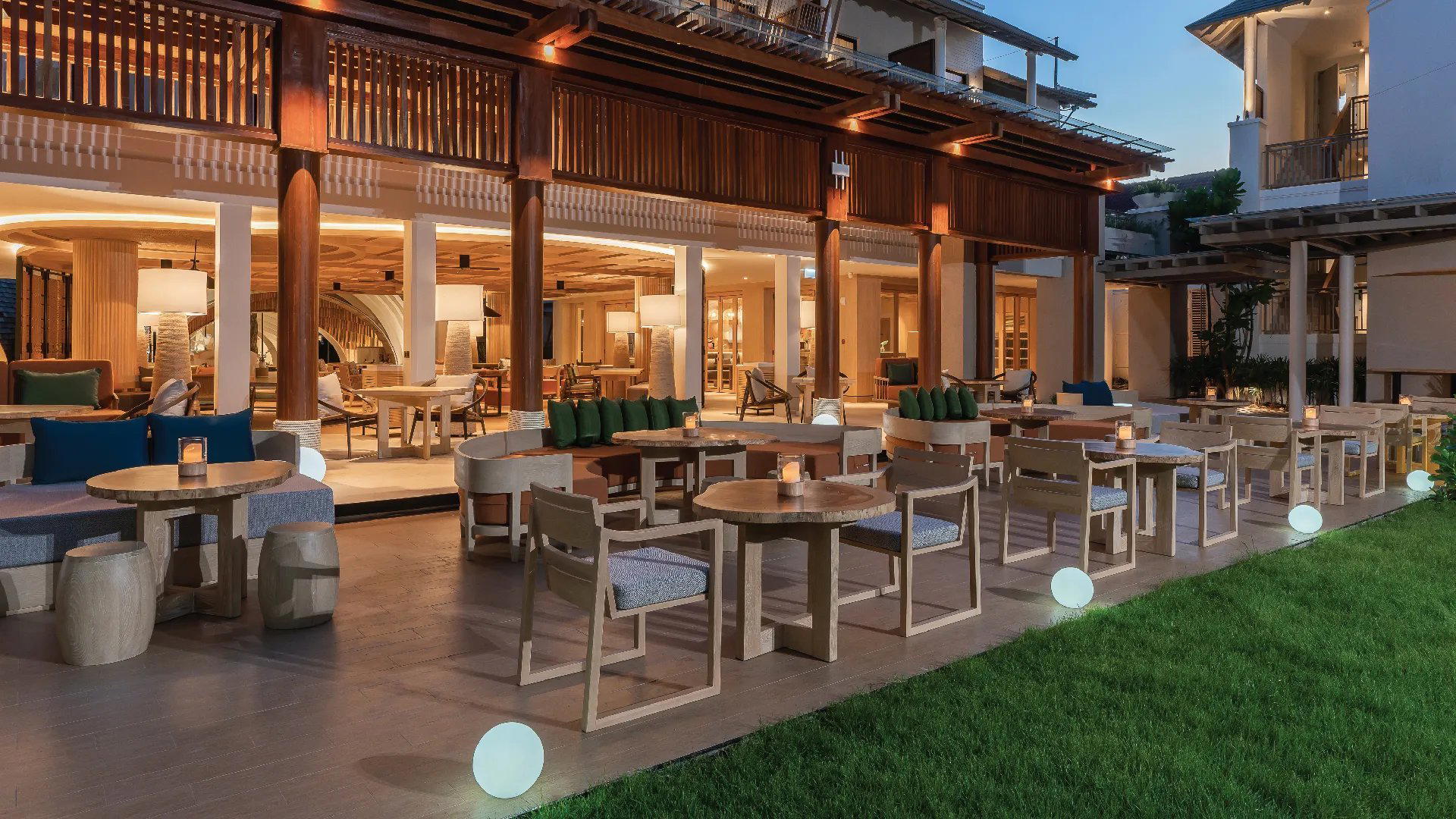
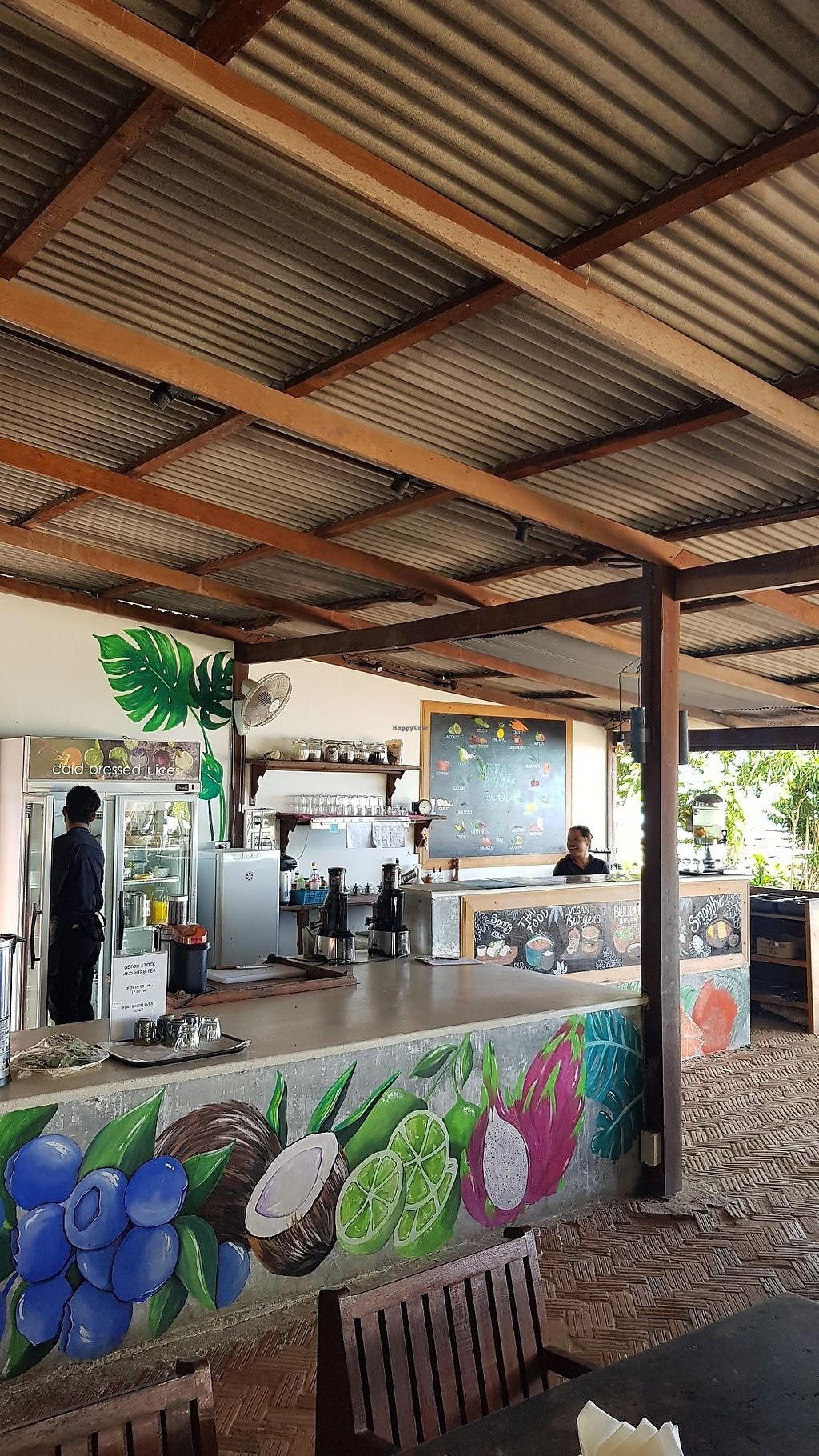
Zest restaurant in Surat Thani, Thailand
About

The Format Before the Food

Southern Thailand's dining culture has long treated the shared table as the default mode, not a special occasion. Across the region, meals arrive not in sequence but simultaneously, a spread of dishes arranged so that everyone reaches across, combines, and adjusts to their own proportion. What Zest does in Taling Ngam on Ko Samui is codify that instinct into a structure: one curry as your anchor dish, four sides selected from a rotating range of approximately thirty vegetable preparations, and a table that compounds in interest the larger your group. They call it a festive sharing, and the phrase is accurate without being sentimental.

This format places Zest in a specific and underrepresented category within the Surat Thani dining scene. While the province's stronger dining identity tends to cluster around Thai-Chinese traditions, with roast pork and rice counters like Heng Khao Moo Daeng and broader International menus at places like Day & Night, Zest operates closer to a vegetable-forward communal concept that has more in common with how premium Thai restaurants elsewhere in the country have been rethinking the meal's structure. Sorn in Bangkok, which holds Michelin recognition for its Southern Thai canon, and PRU in Phuket, with its garden-sourcing approach, both reflect a wider movement in Thai fine dining toward produce specificity and deliberate restraint. Zest is not operating at that tier, but the underlying logic of centering vegetables and structured choice belongs to the same broader shift.

Members Only

The shortlist, unlocked.

Hard-to-book tables, cellar releases, and concierge-planned trips.

Get Exclusive Access →

How the Meal Actually Works

The ritual of choosing matters here as much as what gets chosen. Each diner selects one curry, which forms the protein or sauce foundation of their portion, and then four sides from the available vegetable preparations. With a group, those individual choices aggregate into something closer to a communal feast: the table fills with overlapping bowls and plates that no single person ordered in their entirety. This is not a buffet or a tasting menu in the conventional sense. It is closer to the South Indian thali model or the Persian tradition of shared rice tables, where the breadth of the meal is a social function, not just a culinary one.

The range of approximately thirty vegetable preparations is significant because it creates genuine decision fatigue in the most productive sense. Recurring diners approach this differently from first-timers, and the format rewards returning visits in a way that a fixed menu cannot. Across Thailand's more considered casual dining formats, this kind of structured choice has become a distinguishing marker between restaurants that are designed for discovery and those designed for throughput.

For comparison, the small-eats format at a place like Keo Pla in Surat Thani asks little of the diner in terms of pre-commitment. Zest's format inverts that: the pleasure is partly in the choosing, and partly in seeing how your table's collective selections interact. That interplay is what makes a two-person visit feel different from a four- or six-person one.

Where Taling Ngam Fits In

Ko Samui's dining geography is not uniform. The northeast coast around Chaweng and Lamai concentrates the island's resort dining, rooftop bars, and international menus aimed at short-stay tourism. Taling Ngam sits on the quieter southwest shore, where the density of venues drops and the character of the dining tends toward the residential rather than the transient. Getting to this part of the island from the main resort corridor requires deliberate travel, and that friction is itself a filter: the dining room at Zest reflects a clientele that sought it out.

That geography matters for how you plan the visit. Ko Samui's road network means that a journey from Chaweng to Taling Ngam takes meaningfully longer than the distance suggests, particularly during evening hours. The practical move is to combine a visit to Zest with time spent on the west coast, either at The Spa in Lamai Beach earlier in the day or by using the Taling Ngam area as the base for a slower afternoon before the meal. For a broader sense of how Ko Samui and the Surat Thani province eat, the full Surat Thani restaurants guide gives the wider context, and the hotels guide covers accommodation options across the province.

Vegetable-Forward Thai Dining in Regional Context

Thailand's southern provinces have a culinary identity built around heat, fermented shrimp paste, and coconut-heavy curries. That tradition is not shy about fat and spice, but it has always had a parallel register: the vegetable side dish as counterweight, the fresh herb as textural relief, the steamed preparation as palate reset. Zest's model of centering those preparations and building a meal around them draws on that secondary tradition and makes it the primary one.

This is a meaningful distinction from how Southern Thai food typically gets presented to international visitors, where the curry is the headline and the sides are incidental. At Jahn, which operates in a more formal register within the Surat Thani dining scene, the approach is different again. For reference on how other Thai regions handle vegetable-forward dining, Aeeen in Chiang Mai and AKKEE in Pak Kret both operate in that territory, though through Northern Thai and heritage lenses respectively.

Internationally, the shared-table format that Zest employs has a long lineage outside Thailand. The communal meal as dining architecture, where individual orders build toward collective abundance, appears in Persian, Indian, and West African traditions and has been adopted by restaurants at every price point, from street-food courts to Michelin-recognised rooms. That Le Bernardin in New York City and Emeril's in New Orleans operate in entirely different registers only underlines how broad the spectrum of communal dining concepts actually is.

Planning Your Visit

Zest's address places it in Taling Ngam, Ko Samui District, within the broader Surat Thani province. No phone or website appears in publicly available records, which means the most reliable approach to confirming opening times and availability is through the accommodation where you're staying, or through local contacts on the island. Walk-in dining is possible given Ko Samui's informal hospitality culture outside the main resort corridors, but arriving with a group for the festive sharing format benefits from some advance coordination to ensure the kitchen can accommodate the full spread. The format scales with group size, so two diners will have a different experience from six, and planning your table composition in advance is the practical move.

For the broader Surat Thani province, the bars guide, wineries guide, and experiences guide cover the full range of what the area offers beyond the table. Within Ko Samui's restaurant circuit, Jahn sits at the more formal end, while Khao Kriab Pak Mor Talat Na San Jao represents the province's street food register at its most grounded.

Frequently Asked Questions

What should I eat at Zest?
The format is fixed: one curry as your main dish, four vegetable sides from a selection of around thirty preparations. The interest comes from how those choices interact across the table when each diner makes different selections. The vegetable preparations draw on Southern Thai traditions, where fermented, steamed, and stir-fried preparations serve as counterpoints to the heat and richness of the curry. There is no à la carte outside the format, so the decision is about which curry to anchor your portion and which four sides will complement both your own plate and your table's collective spread.
How far ahead should I plan for Zest?
No booking system or phone number appears in public records, which places Zest in the walk-in or locally-coordinated tier of Ko Samui dining. If the festive sharing format is your reason for visiting, the practical move is to plan your group size before you go, since the experience is proportional to how many different side selections land on the table. For a group of four or more, confirming availability through your hotel concierge before the day of the visit reduces the risk of arriving without capacity.
What is the standout thing about Zest?
The format itself. Approximately thirty vegetable preparations as the range from which each diner selects four sides is an unusual depth for a casual Ko Samui restaurant operating outside the main resort corridor. The model makes vegetables the architectural centre of the meal rather than supporting material, which inverts the usual Southern Thai presentation hierarchy. That structural choice gives repeat visits a genuinely different character, since different selection combinations produce meaningfully different tables.

Category Peers

A fast peer set for context, pulled from similar venues in our database.

Collector Access

Need a table?

Our members enjoy priority alerts and concierge-led booking support for the world's most difficult tables.

Get Exclusive Access
Members Only

The shortlist, unlocked.

Hard-to-book tables, cellar releases, and concierge-planned trips.

Get Exclusive Access →