Jahn

We're Smart World 3 Radishes
Our verdict
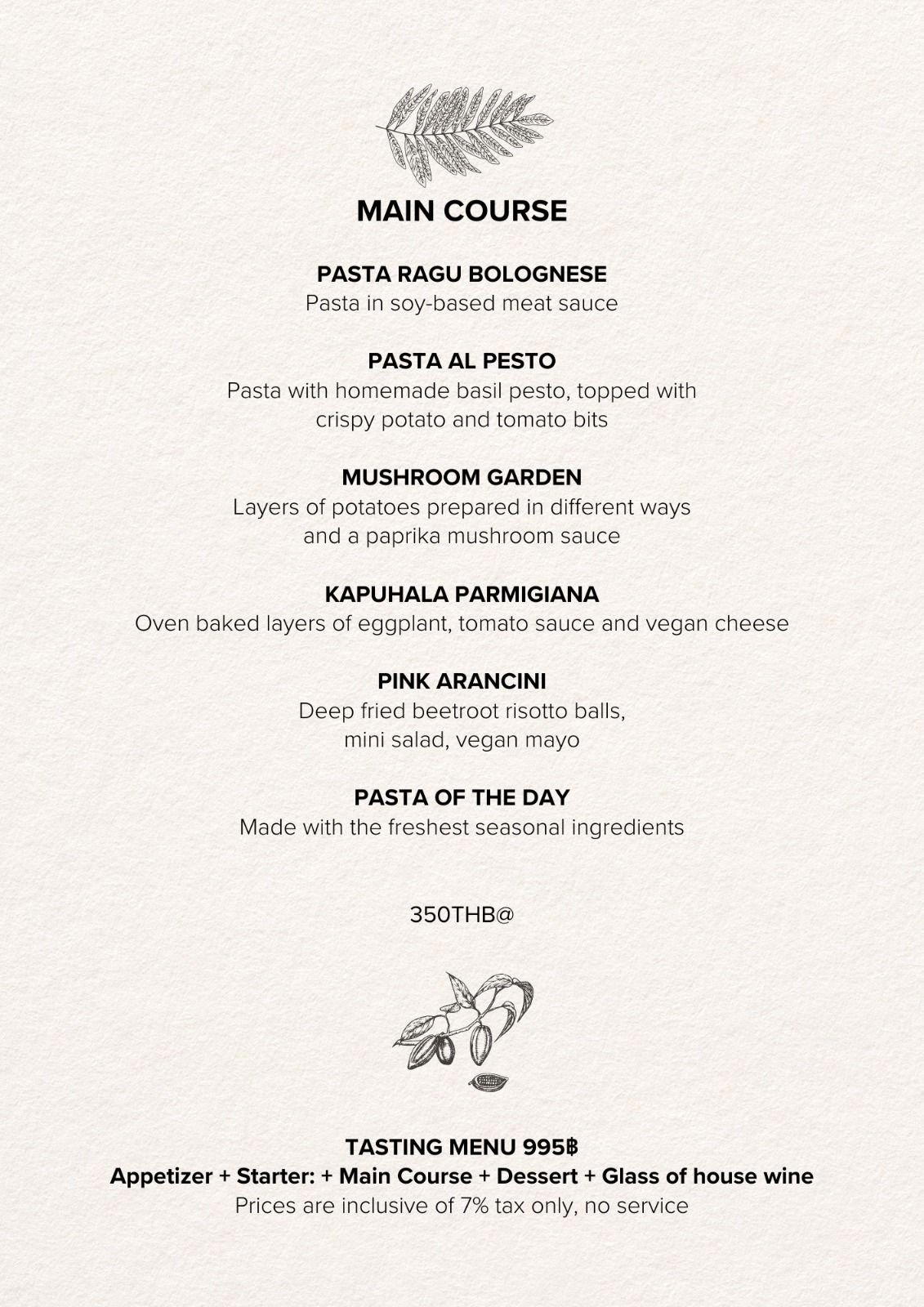
Jahn sits at the top of Ko Samui's Hillcrest Road inside the Conrad hotel, where chef Nicolas Piatti's wholly plant-based menu draws on the property's own farm and a rigorous approach to waste. The result is a vegetable-forward tasting format that positions itself well outside the island's standard resort dining tier, with a clifftop view over the Gulf of Thailand that reinforces the separation.

Pearl is the En Primeur Club membership app — saves, bookings, and concierge access live there. Same editors, same standards.
- Address
- 49/8 9 Hillcrest Road Tambon Taling Ngam, Ko Samui District, Surat Thani 84140, Thailand
- Phone
- +66 77 915 888
- Hours
- Daily 5–11 PM
- Website
- hilton.com
- Directions
- Get directions
The menu
What to order
- Black Angus Steak Tartare
- Chilled Yellow Curry Mud Crab
- House Smoked Tasmanian Salmon
Where the Farm Meets the Cliff Edge
Ko Samui's dining scene divides cleanly into two registers: the open-air seafood grills and noodle shops that define the island's everyday eating, and a much smaller tier of resort restaurants operating at a different level of technical ambition. Jahn, inside the Conrad Samui on Hillcrest Road in Taling Ngam, sits in that second tier, but with a proposition that separates it even from its luxury-hotel peers. The menu is entirely plant-based, driven by an on-property farm and a documented commitment to waste reduction. That combination, farm-to-table sourcing with a genuine zero-waste programme attached, remains rare at this price tier in Thailand, placing Jahn in the same conversation as a small set of ingredient-forward fine-dining addresses across the country rather than among the island's conventional resort restaurants.
The approach echoes broader shifts in Thai fine dining more generally. Properties like PRU in Phuket have built international recognition around farm-controlled sourcing. Bangkok addresses like Sorn ground their menus in rigorous provenance. Jahn's entirely vegetable programme takes a different route, one that demands greater technical precision because there is no protein to anchor flavour, but the underlying logic is the same: control the supply chain, reduce the distance between soil and plate, and let that constraint shape the cooking.
The Sourcing Logic
Farm-integrated restaurant programmes in Southeast Asia often function more as marketing signals than operational realities. Jahn's setup, with an on-property farm that actively supplies the kitchen and a waste management system described in detail by the Conrad Samui's own records, suggests a more substantive version of the model. Chef Nicolas Piatti, whose background brings professional European vegetable cookery into a Thai ingredient context, is working with produce that the property has direct visibility over from cultivation through preparation.
That sourcing logic matters for a specific reason in Thai cooking: the island's leading vegetables and aromatics, lemongrass, galangal, kaffir lime leaf, long pepper, and the array of herbs that define southern Thai flavour, are at their most expressive when harvested close to use. Industrial supply chains that serve most resort kitchens on Samui pull from mainland Surat Thani province or further north. A kitchen with its own growing programme sidesteps that chain, and the flavour differential in aromatics alone is measurable. The same principle applies to addresses elsewhere in the region that have built programmes around local cultivation. AKKEE in Pak Kret and Aeeen in Chiang Mai demonstrate how tightly controlled sourcing reshapes what a kitchen can do technically. Jahn pursues the same logic from a hotel base on the island's quieter southwestern coast.
The 100% Vegetable Format
An entirely plant-based tasting menu at a property of this category is a significant editorial commitment from the kitchen. It rules out the safety net of premium proteins that luxury resort menus typically rely on to justify their pricing structure. What it requires instead is a command of texture, temperature contrast, and layered vegetable flavour that is harder to achieve and less forgiving of technical gaps.
The programme at Jahn has drawn direct editorial recognition for exactly this: independent assessment of the menu noted that the experience was surprising and that the 100% vegetable format delivered something those reviewers described as having a magical quality, a response that tends to indicate the cooking exceeded the expectations that a plant-only brief typically sets. That kind of independently recorded reaction sits at a different evidential level than house marketing copy.
For comparison within Thailand's fine dining scene, PRU in Phuket earned a Michelin star with its farm-to-table model; Jahn's format is narrower in protein scope but arguably more demanding technically because of that restriction. International reference points, from Le Bernardin in New York City with its fish-only brief, to the protein-specific discipline at Emeril's in New Orleans, confirm that self-imposed category restrictions, when executed with consistency, tend to produce sharper cooking over time. The constraint forces specificity.
The Setting
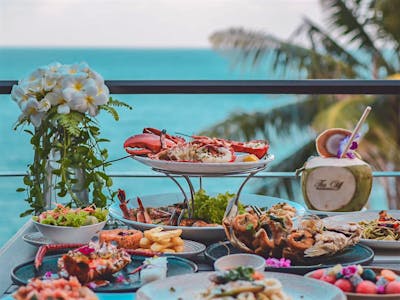
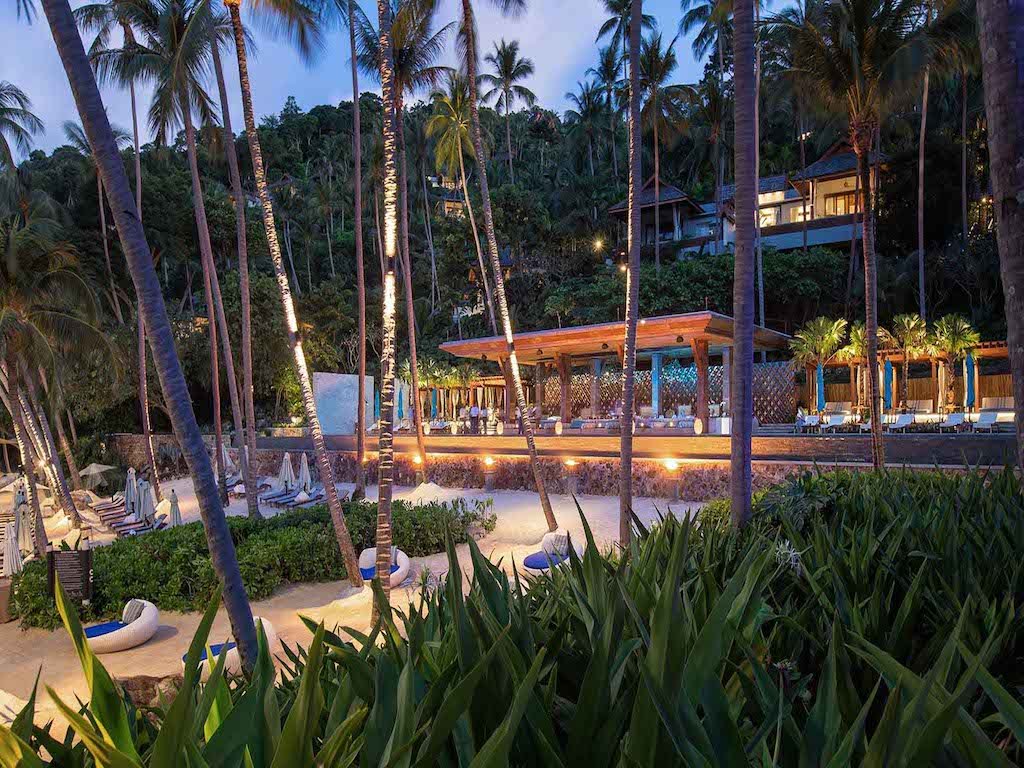
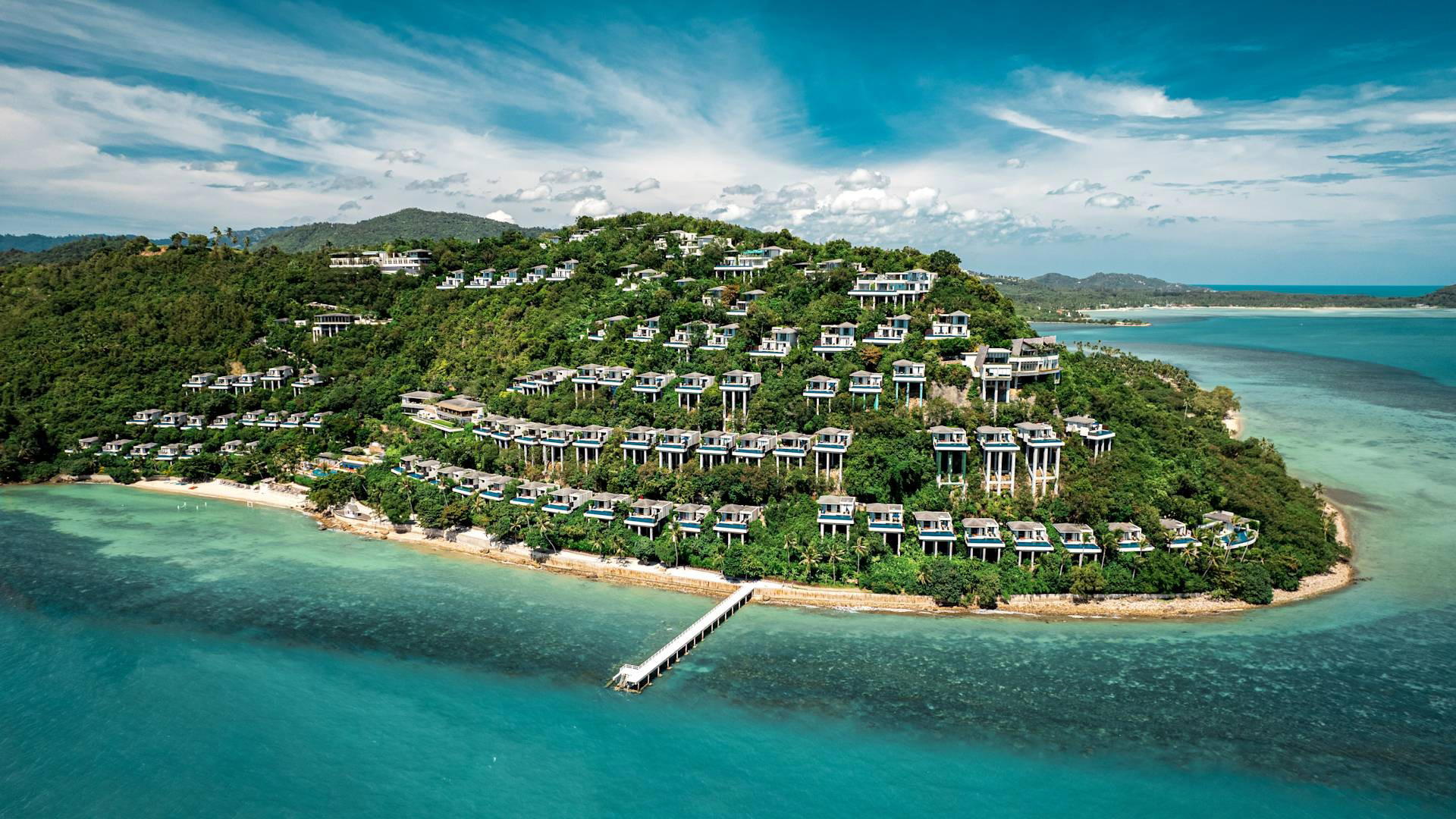
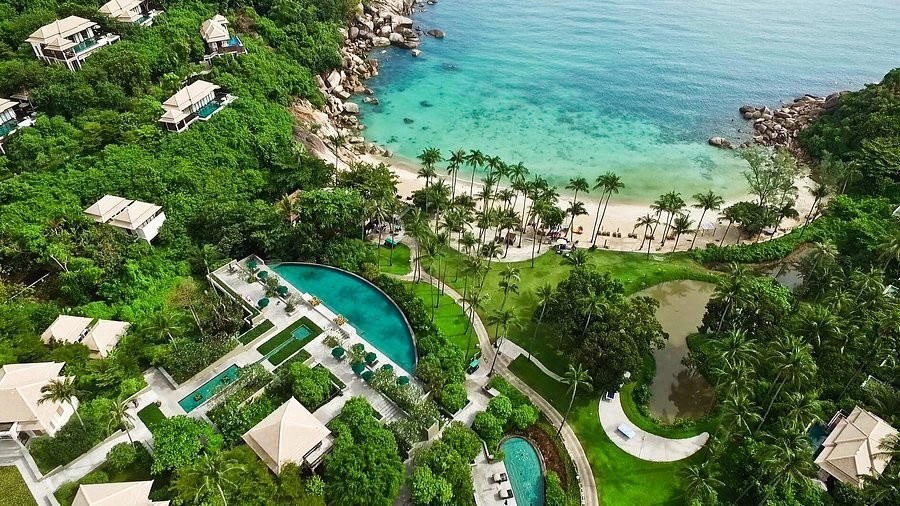
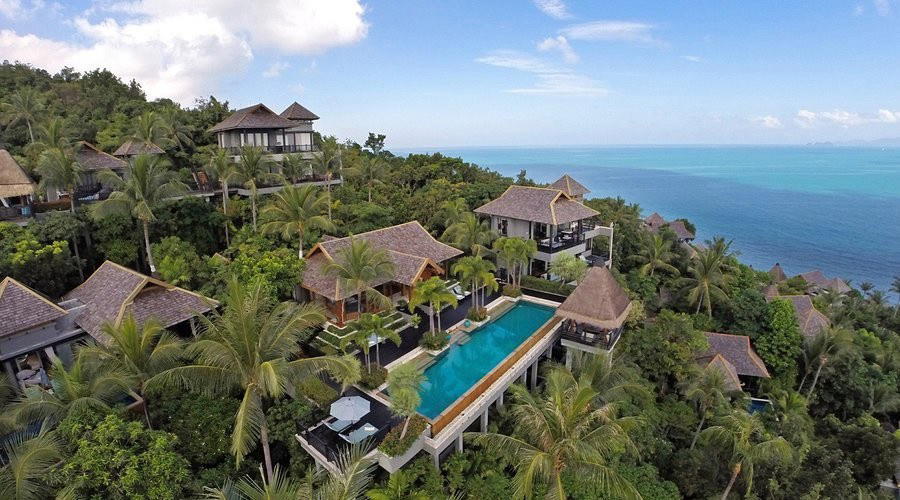
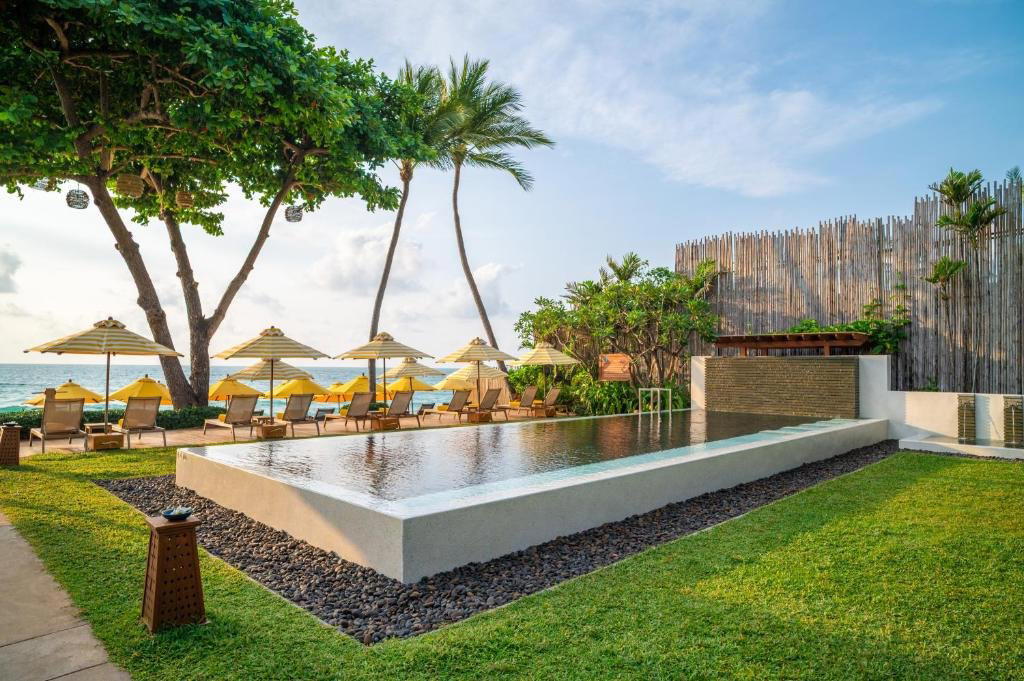
Ko Samui's southwestern coast sits at a different pace from the busier northern and eastern shores around Chaweng and Lamai. The Taling Ngam area, where the Conrad occupies a hillside above the Gulf of Thailand, gets significantly less foot traffic, which affects both the quality of the view and the atmosphere around it. Jahn is described in reviewed records as occupying one of the most beautiful settings on the island, with a clifftop view that compounds the distance from the standard Samui resort experience.
That setting detail is not decorative context. For a restaurant operating at this tier, the physical environment is part of the proposition. A tasting menu eaten at elevation, above a coastline that sees fewer boats and fewer beach clubs than the eastern shore, lands differently than the same menu served in a busier resort corridor. The combination of isolation, view, and a technically demanding kitchen format is specific to this part of the island.
Planning a Visit
Jahn is located at 49/8 Hillcrest Road, Taling Ngam, Ko Samui District, Surat Thani province. Access from the main areas of Ko Samui requires transport to the southwestern coast; the distance from Chaweng means most guests arrive by resort shuttle or private vehicle. Given the tasting format and the Conrad's hotel context, advance booking is the sensible approach rather than arriving without a reservation. The experience is structured around a full menu rather than à la carte selection, which means guests should allow a full evening rather than treating it as a quick dinner stop.
Those building a broader food itinerary across Ko Samui and the Surat Thani region can cross-reference Day and Night for international-format dining, or go further toward local eating with Heng Khao Moo Daeng for Thai-Chinese at street-level prices, Keo Pla for small plates, and Khao Kriab Pak Mor Talat Na San Jao for street food. Khao Phra Ram Long Song Lao Ohw and The Spa in Lamai Beach round out the island's range at different price registers. Full coverage of the region is available through our full Surat Thani restaurants guide, as well as our full Surat Thani hotels guide, our full Surat Thani bars guide, our full Surat Thani wineries guide, and our full Surat Thani experiences guide.
Frequently asked questions
How do I find Jahn?
Jahn is located at 49/8 9 Hillcrest Road Tambon Taling Ngam, Ko Samui District, Surat Thani 84140, Thailand, Surat Thani.
What's Jahn known for in terms of accolades?
Jahn has received recognition including: Jahn, situated in the Conrad hotel, is a creation of vegetable chef Nicolas Piatti. His professional experience, combined with the Thai culinary culture and products, brings a profound contemporary and creative taste and product cuisine. We….
What should I order at Jahn?
Jahn operates a 100% vegetable tasting menu rather than an à la carte format, so the choice is simply whether to commit to the full progression. The menu is the work of vegetable chef Nicolas Piatti, drawing on both his own background and Thai ingredients and produce. There is no meat or fish option to fall back on — the kitchen has made a deliberate editorial decision to work entirely within the plant-based register.
Can I walk in to Jahn?
Jahn is located inside the Conrad Samui at 49/8 Hillcrest Road, Taling Ngam, on Ko Samui's southwestern coast — a deliberate journey from Chaweng, Lamai, or the ferry ports rather than a casual detour. The remote clifftop position makes drop-in visits impractical; reservations are advised before travelling to this part of the island.
How It Stacks Up
Comparable venues nearby, for context on price, style, and recognition.
| Venue | Cuisine | Price | Awards | Notes |
|---|---|---|---|---|
| JahnThis venue — the venue you are viewing | Premium Steakhouse with Thai Influences | $150–200 | We're Smart World 3 Radishes | Not listed |
| Zest | Hotel Restaurant with Thai and International Breakfast | $50–100 | We're Smart World 3 Radishes | Taling Ngam |
| Essence | Modern Thai-European Fine Dining | $30–50 | We're Smart World 2 Radishes | Taling Ngam |
| Lam Phu 2 | Southern Thai Seafood | $10–20 | Michelin Plate | Bang Kung |
| Day & Night | Thai-European Fusion | $10–20 | Michelin Plate · Wine Spectator Award of Excellence | Liang Mueng |
| Heng Khao Moo Daeng | Thai-Chinese Street Food | $1–10 | Michelin Plate | Talat |
Recognition history
Dated appearances from independent guides and award organizations, with the underlying list record or original source where available.
We're Smart World 3 Radishes
We're Smart World
Continue exploring
More in Surat Thani
Restaurants in Surat Thani
Browse all →
Bars in Surat Thani
Browse all →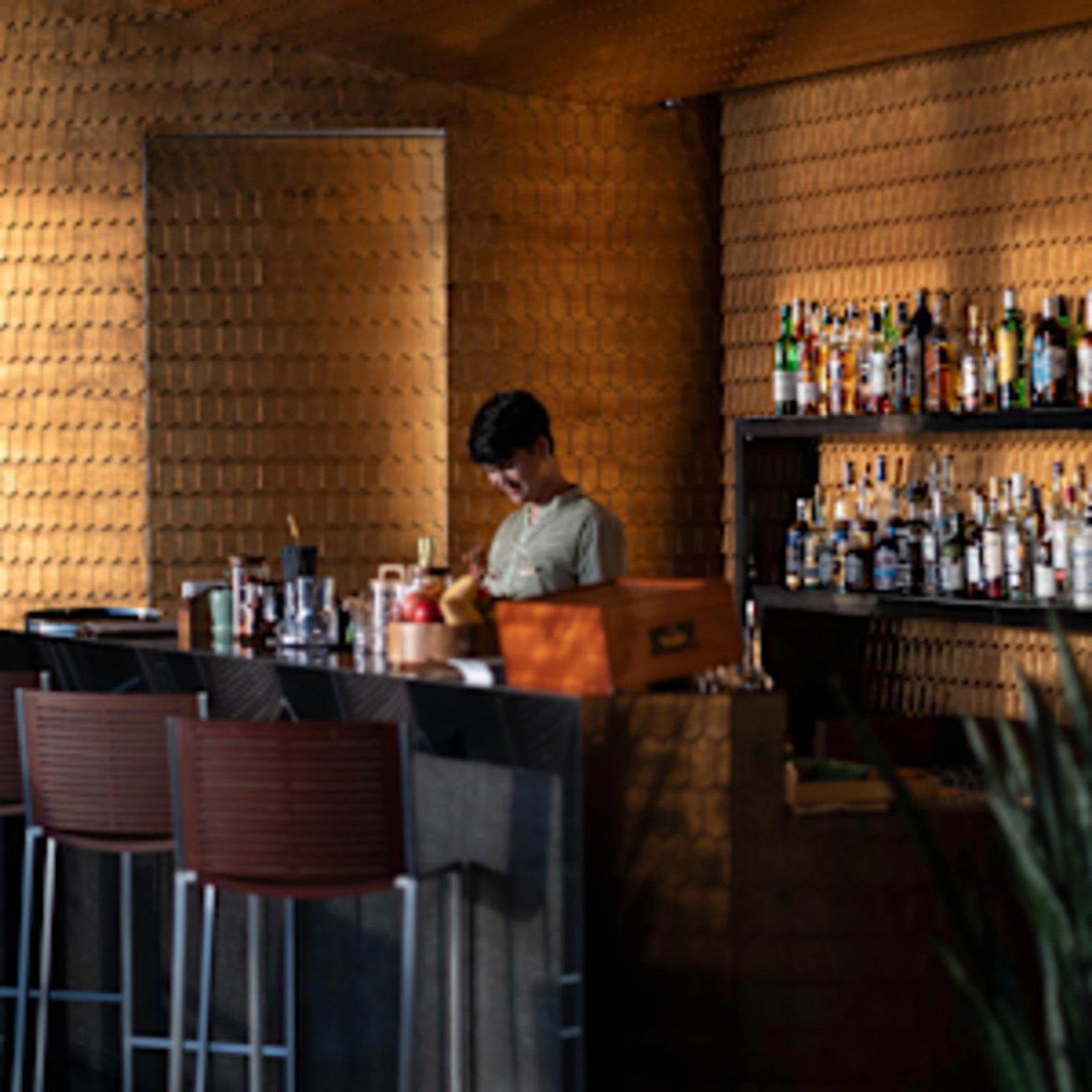
Details
- Romantic
- Scenic
- Elegant
- Intimate
- Sophisticated
- Date Night
- Special Occasion
- Celebration
- Terrace
- Panoramic View
- Hotel Restaurant
- Waterfront
- Extensive Wine List
- Sommelier Led
- Local Sourcing
- Waterfront
- Tasting Menu
- A La Carte
- Set Menu
- Wine
- Craft Cocktails
- Vegetarian Friendly
- Vegan Options
- Gluten Free Options
Current opening hours
- Monday
- 5–11 PM
- Tuesday
- 5–11 PM
- Wednesday
- 5–11 PM
- Thursday
- 5–11 PM
- Friday
- 5–11 PM
- Saturday
- 5–11 PM
- Sunday
- 5–11 PM
Hours can change for holidays and private events. Last verified .
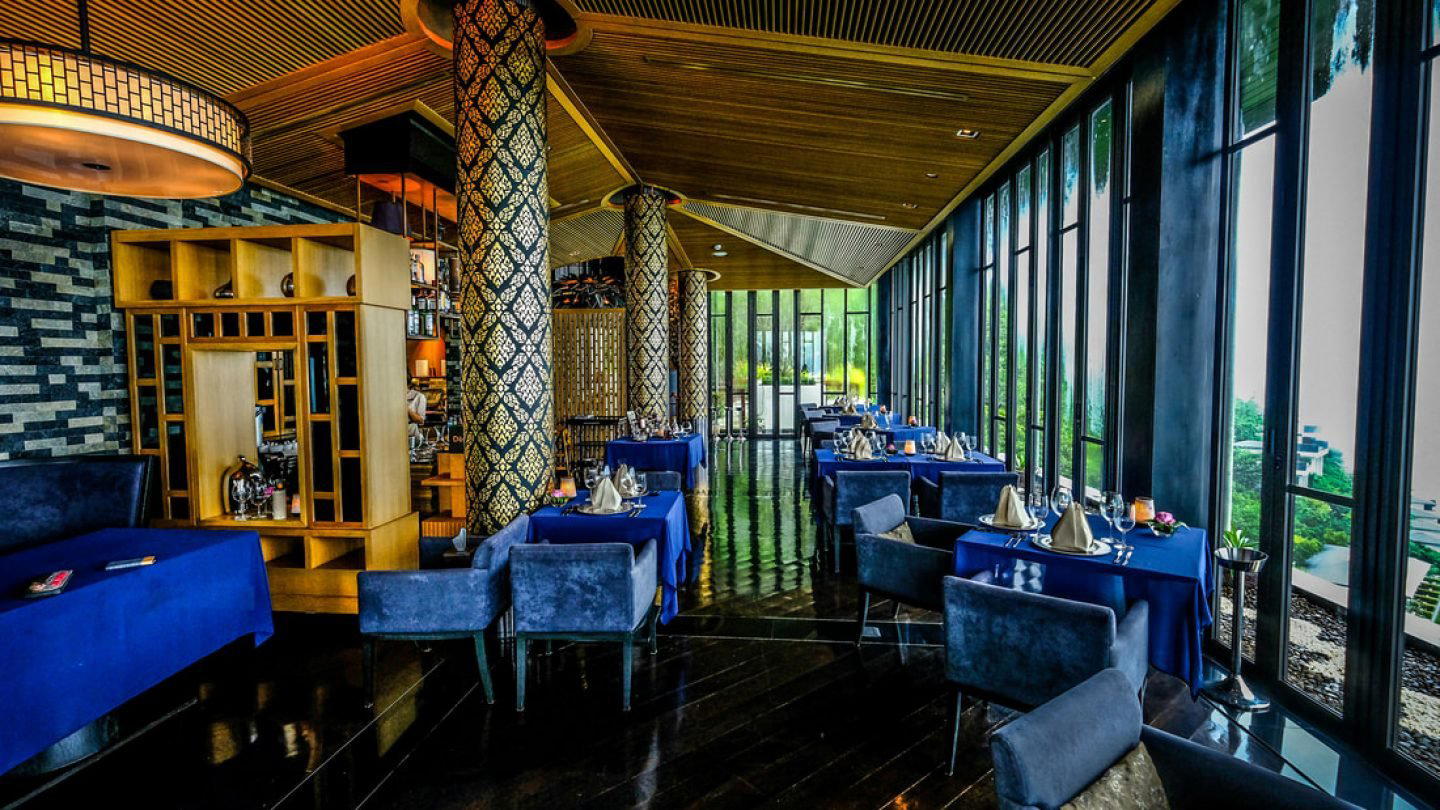
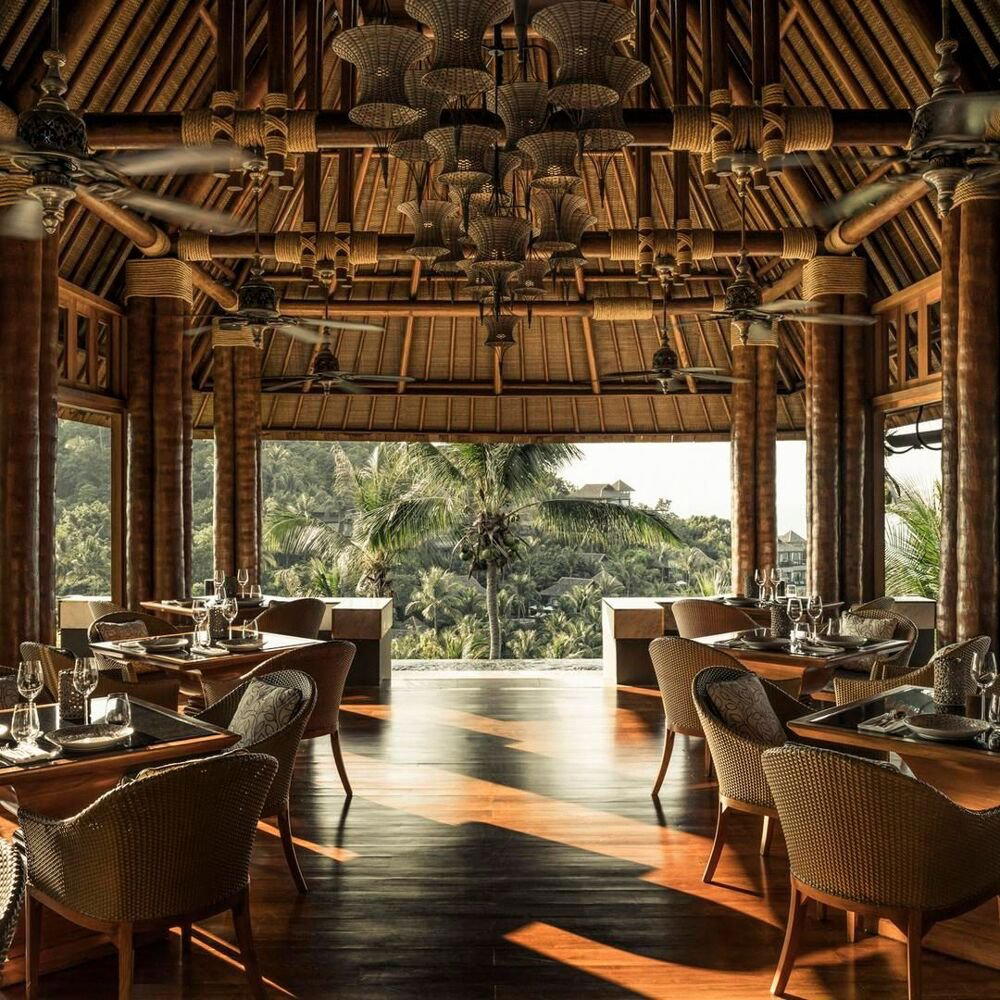
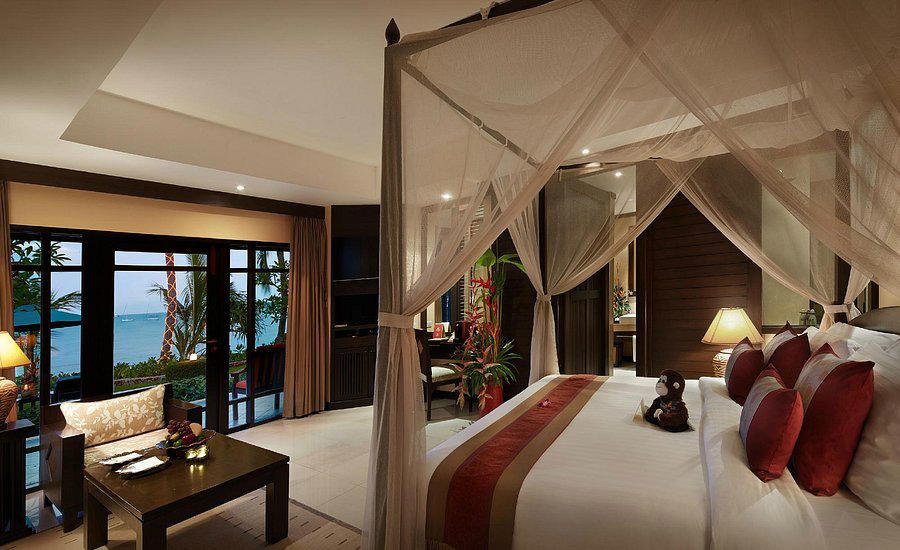
Candlelit wooden interior blending traditional and contemporary Thai styles with floor-to-ceiling windows; warm sunset colors illuminate the tropical seaside setting, creating an overwhelmingly chic and exclusive atmosphere.