
Star Wine List
Our verdict
Zarathustra Meyhane on Thorvald Meyers gate brings the Turkish meyhane tradition to Grünerløkka, pairing meze with a wine list that won Star Wine List's number-one ranking in 2024. The list is structured around producing regions that historically resisted Ottoman expansion — a conceptual framing you will not encounter at any comparable address in Oslo's dining scene.

Pearl is the En Primeur Club membership app — saves, bookings, and concierge access live there. Same editors, same standards.
The menu
What to order
- Baba ganoush
- Falafel
- Hummus
- Pumpkin hummus
A Different Register on Thorvald Meyers Gate
Grünerløkka operates at a different frequency from Oslo's formal dining tier. Where the tasting-menu circuit — Maaemo, Kontrast — asks you to sit still and pay attention, the neighbourhood's better restaurants ask you to stay longer and order more. Thorvald Meyers gate, the main artery running through the district, hosts wine bars, creative kitchens, and a handful of addresses that resist easy categorisation. Zarathustra Meyhane at number 80 is among the harder ones to place. It draws on the Turkish meyhane format, a tradition centred on communal meze, rakı, and wine, and it applies that format to a wine program built around a single, specific historical thesis.
The Meyhane Tradition and What Oslo Does With It
The meyhane has roots in Ottoman-era Istanbul, functioning as a tavern where small plates circulate continuously alongside drink. The format is social and unhurried by design: dishes arrive in no fixed sequence, conversation is the programme, and the meal ends when the table decides it does rather than when the kitchen sends a signal. Oslo's restaurant scene, which has built its international reputation largely through New Nordic precision and tasting-menu rigour, has few counterpoints in this register. Bar Amour and Mon Oncle both offer looser, sharing-led formats, but neither imports a specific Mediterranean dining culture with the degree of commitment Zarathustra applies to the meyhane frame. In a city where the dominant critical energy flows toward Scandinavian-rooted cooking, a Turkish tavern model operating at full conviction occupies a gap rather than a crowded corner.
The Wine List as a Historical Argument
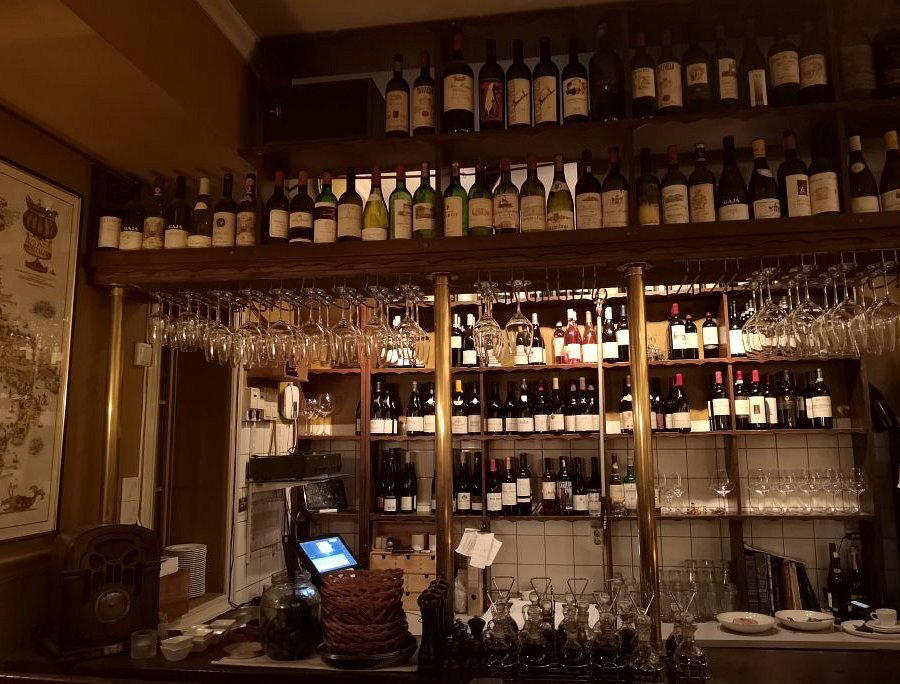
The most discussed element of Zarathustra Meyhane's program is its wine list, which took the number-one position on Star Wine List's Norwegian ranking in 2024. That recognition matters less for the prestige than for what it signals about the list's construction. Star Wine List evaluates selection depth, producer range, and conceptual coherence; a leading ranking in a wine-serious market like Norway indicates something beyond volume.
Organising principle here is geopolitical and historical. The list draws from wine-producing regions that resisted or fought against Ottoman expansion during the fifteenth century and beyond: Georgia, Greece, Armenia, Serbia, Bulgaria, Hungary, and others that formed the contested periphery of the empire. This is not a marketing frame applied after the fact. It is a constraint that shapes sourcing decisions, eliminates large categories of conventional wine-list material, and forces a focus on producers whose countries carry a specific historical relationship to the Ottoman world. The result is a list that functions simultaneously as a drinks program and as an argument about memory, place, and what wine geography encodes. You will not encounter this framing at any comparable address, in Oslo or elsewhere. For context, the broader Norwegian fine-dining scene, from RE-NAA in Stavanger to FAGN in Trondheim, operates wine programs built around European classics and natural producers. The anti-Ottoman framing is its own category.
Atmosphere and Approach
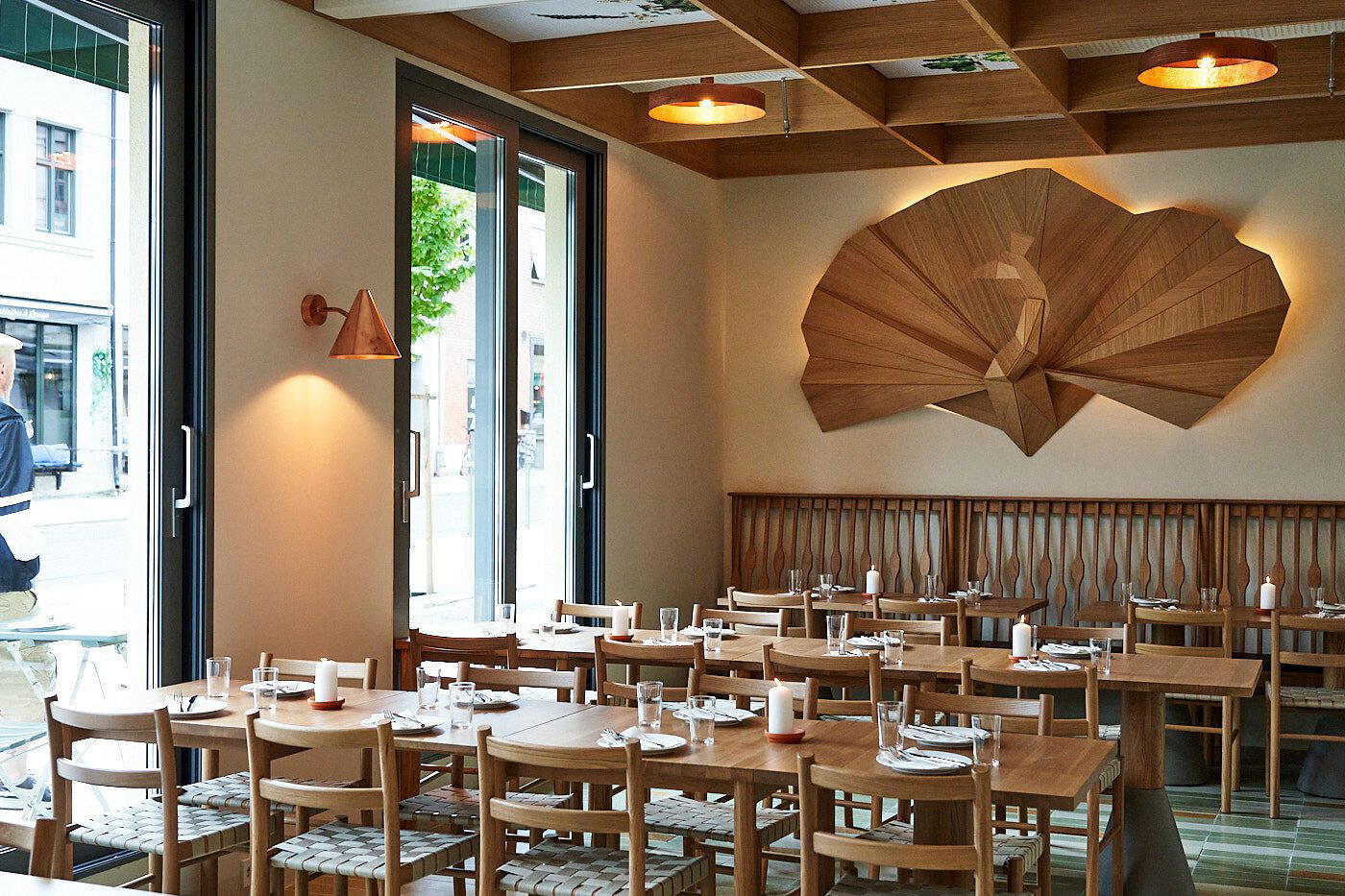
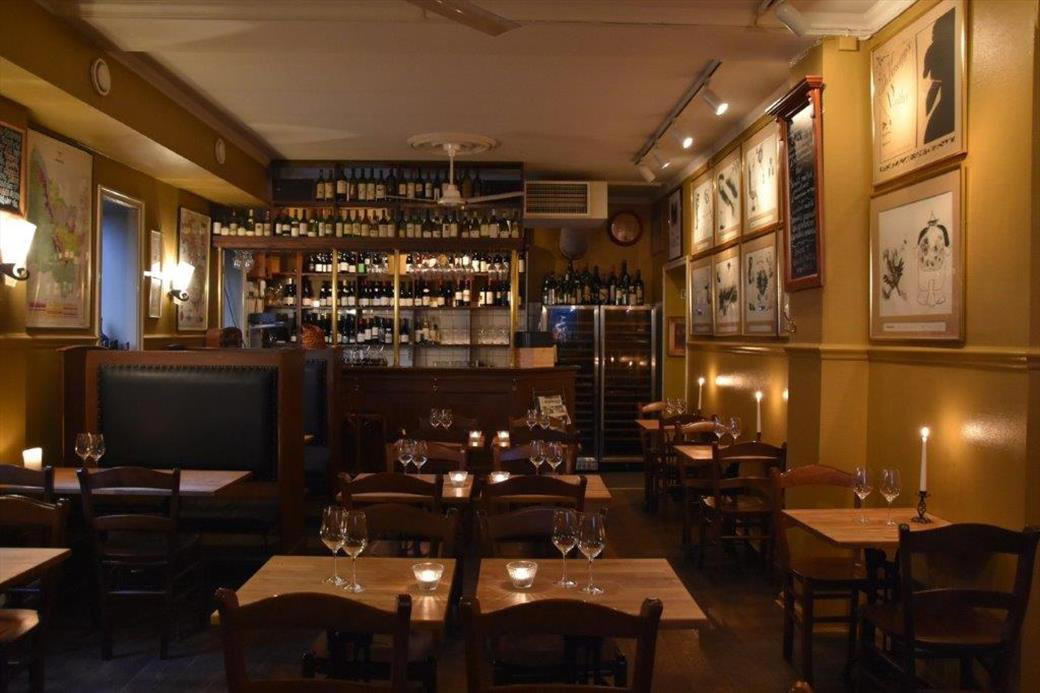
Meyhane tradition is not quiet. The format generates a particular kind of ambient noise: overlapping conversations, plates arriving at irregular intervals, glasses refilled without ceremony. On Thorvald Meyers gate, where the street-level energy is already dense on weekend evenings, Zarathustra sits within a neighbourhood that has its own established tempo. Grünerløkka restaurants at this end of the street draw a mix of locals who treat the area as a long-established dining neighbourhood and visitors working through Oslo's secondary dining tier after covering the tasting-menu circuit. The meyhane format suits both groups in different ways: it rewards the unhurried visitor who wants to drink well across multiple hours, and it sits comfortably within the neighbourhood's preference for informal but thoughtful hospitality.
Meze-centred dining at this level of wine seriousness creates a specific sensory combination. The food is designed for frequent small arrivals rather than composed courses, which means the table is rarely empty and rarely complete. The wine, drawn from the historical regions outlined above, will frequently arrive from producers with minimal Norwegian distribution; Georgia, Armenia, and the Balkans represent some of the least-charted territory on the standard Oslo wine list. This combination, socially relaxed format meeting a wine program that requires active engagement, positions Zarathustra differently from both the natural wine bar and the fine-dining address.
Planning Your Visit
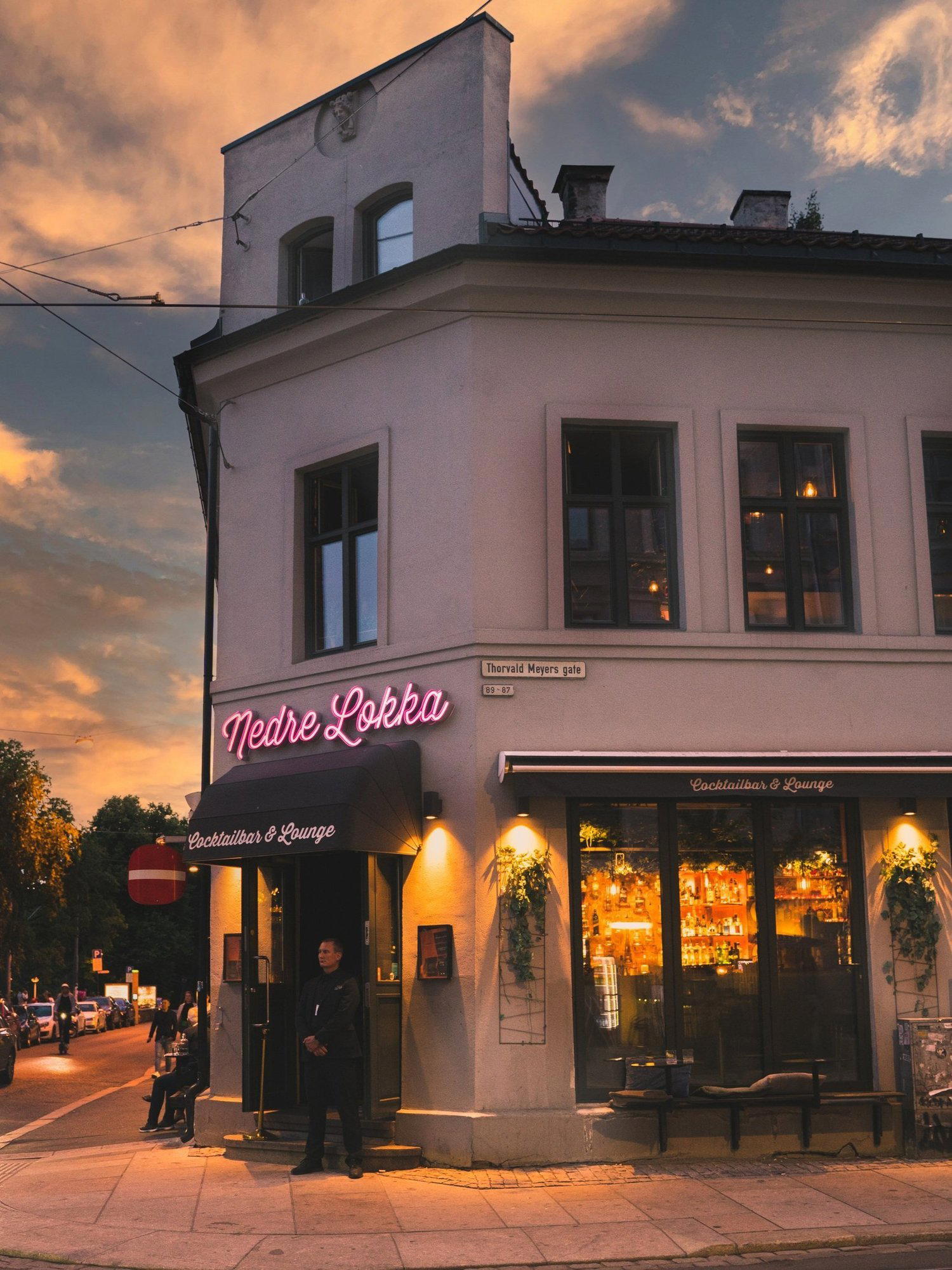
Zarathustra Meyhane is located at Thorvald Meyers gate 80 in Grünerløkka, a district well served by tram from the city centre. Given the Star Wine List number-one ranking earned in 2024 and the lack of direct comparators in Oslo, booking in advance is advisable, particularly for Thursday through Saturday evenings when the neighbourhood reaches peak density. The meyhane format rewards longer sittings, so plan for an unhurried evening rather than a fixed-duration meal. For a fuller picture of where Zarathustra sits within Oslo's broader scene, the EP Club Oslo restaurants guide covers the city's range, from neighbourhood-level addresses through to the formal tasting-menu tier. The Oslo bars guide and Oslo hotels guide can help structure a longer stay. Further afield, Norway's restaurant scene extends to compelling addresses including Gaptrast in Bergen, Iris in Rosendal, Under in Lindesnes, and Boen Gård in Tveit. For those planning a broader Nordic or international itinerary, the Le Bernardin and Emeril's in New Orleans listings offer reference points at opposite ends of the format spectrum. Oslo's wineries guide and experiences guide round out the city picture for those spending more than a weekend.
Frequently asked questions
What should I order at Zarathustra Meyhane?
How far ahead should I plan for Zarathustra Meyhane?
Peers You’d Cross-Shop
| Venue | Cuisine | Price | Awards | Notes |
|---|---|---|---|---|
| Zarathustra MeyhaneThis venue — the venue you are viewing | Turkish Meyhane Meze | $50–100 | Star Wine List | Not listed |
| Maaemo | New Nordic Fine Dining | $300–500 | 3 Michelin Stars · World's 50 Best #47 | New Nordic, Modern Cuisine |
| Kontrast | Modern Nordic Fine Dining | $200–300 | 2 Michelin Stars · La Liste Top Restaurants | New Nordic, Scandinavian |
| Hot Shop | Modern Nordic Tasting Menu | $100–150 | 1 Michelin Star · Star Wine List | New Nordic, Modern Cuisine |
| Statholdergaarden | Classic Norwegian-French Fine Dining | $200–300 | 1 Michelin Star · La Liste Top Restaurants | Modern European, Classic Cuisine |
| Arakataka | Modern Nordic | $50–100 | Michelin Plate · Star Wine List | Nordic, Norwegian |
Recognition history
Dated appearances from independent guides and award organizations, with the underlying list record or original source where available.
Star Wine List
Star Wine List
Full recognition history (2 entries)
Star Wine List
Star Wine List
Continue exploring
More in Oslo
Restaurants in Oslo
All restaurants in Oslo →

Details
- Cozy
- Lively
- Sophisticated
- Date Night
- Group Dining
- Casual Hangout
- Open Kitchen
- Street Scene
- Small Plates
- A La Carte
- Vegetarian Friendly
Current opening hours
- Monday
- Closed
- Tuesday
- 4–10 PM
- Wednesday
- 4–10 PM
- Thursday
- 4–10 PM
- Friday
- 4–10 PM
- Saturday
- 4–10 PM
- Sunday
- Closed
Hours can change for holidays and private events. Last verified .
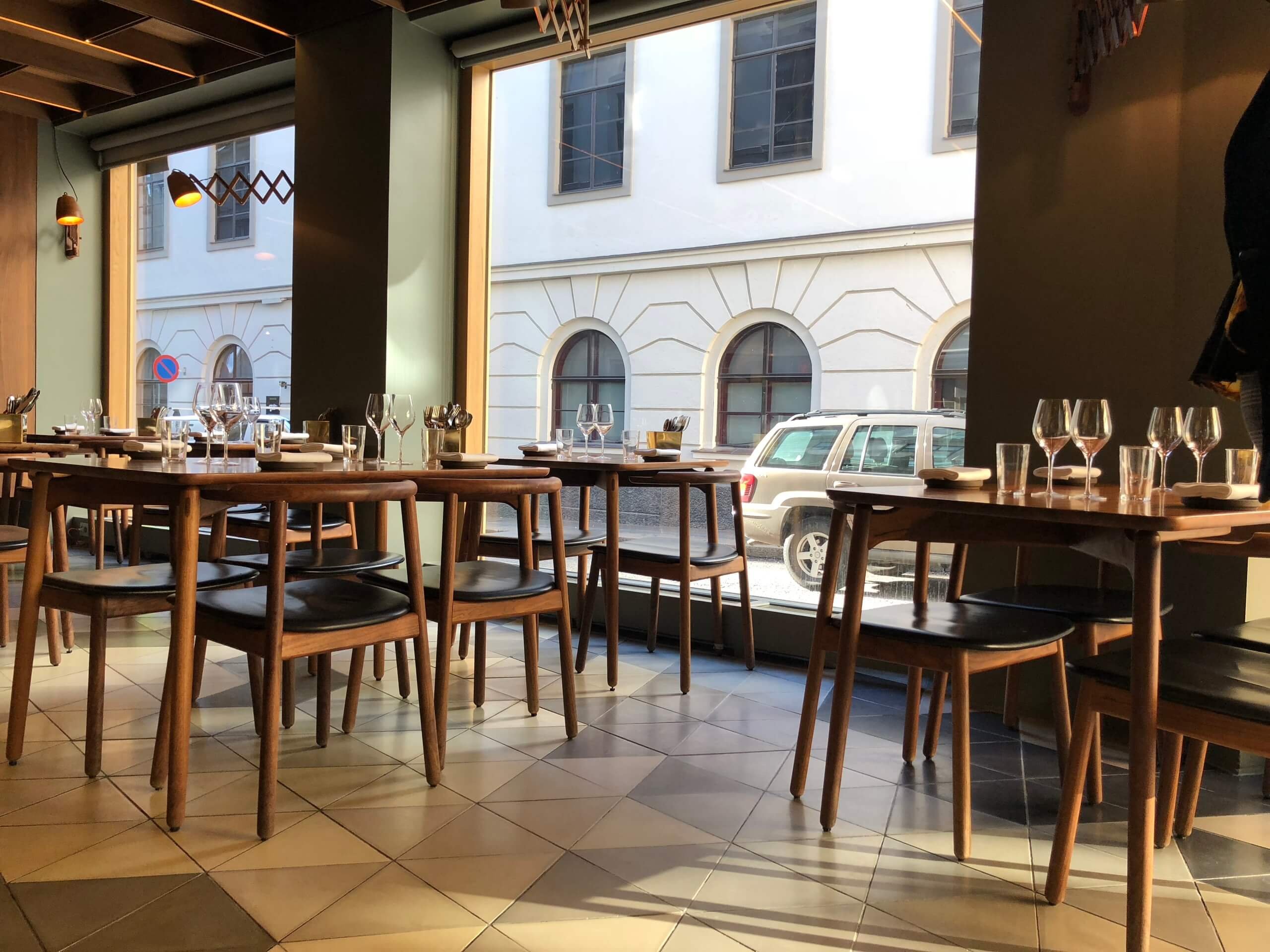
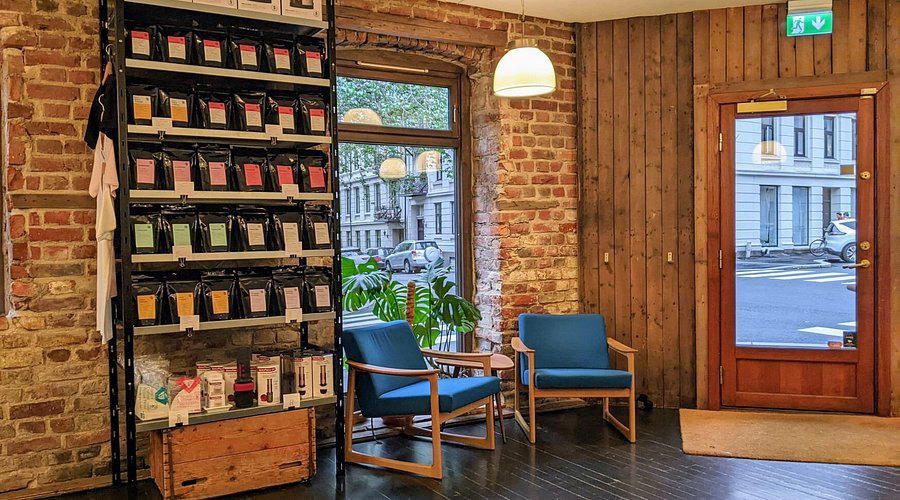
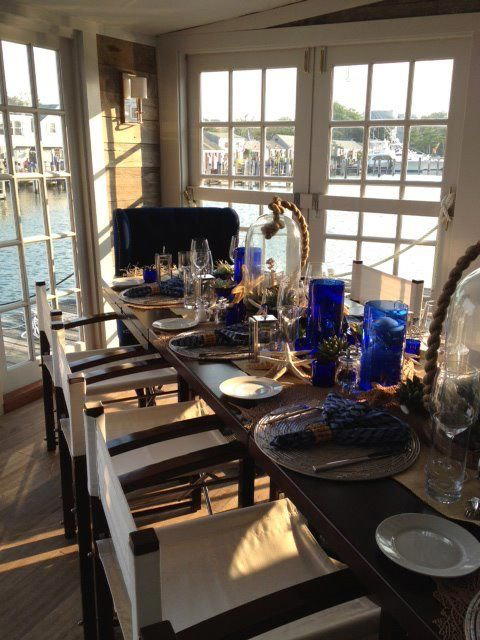
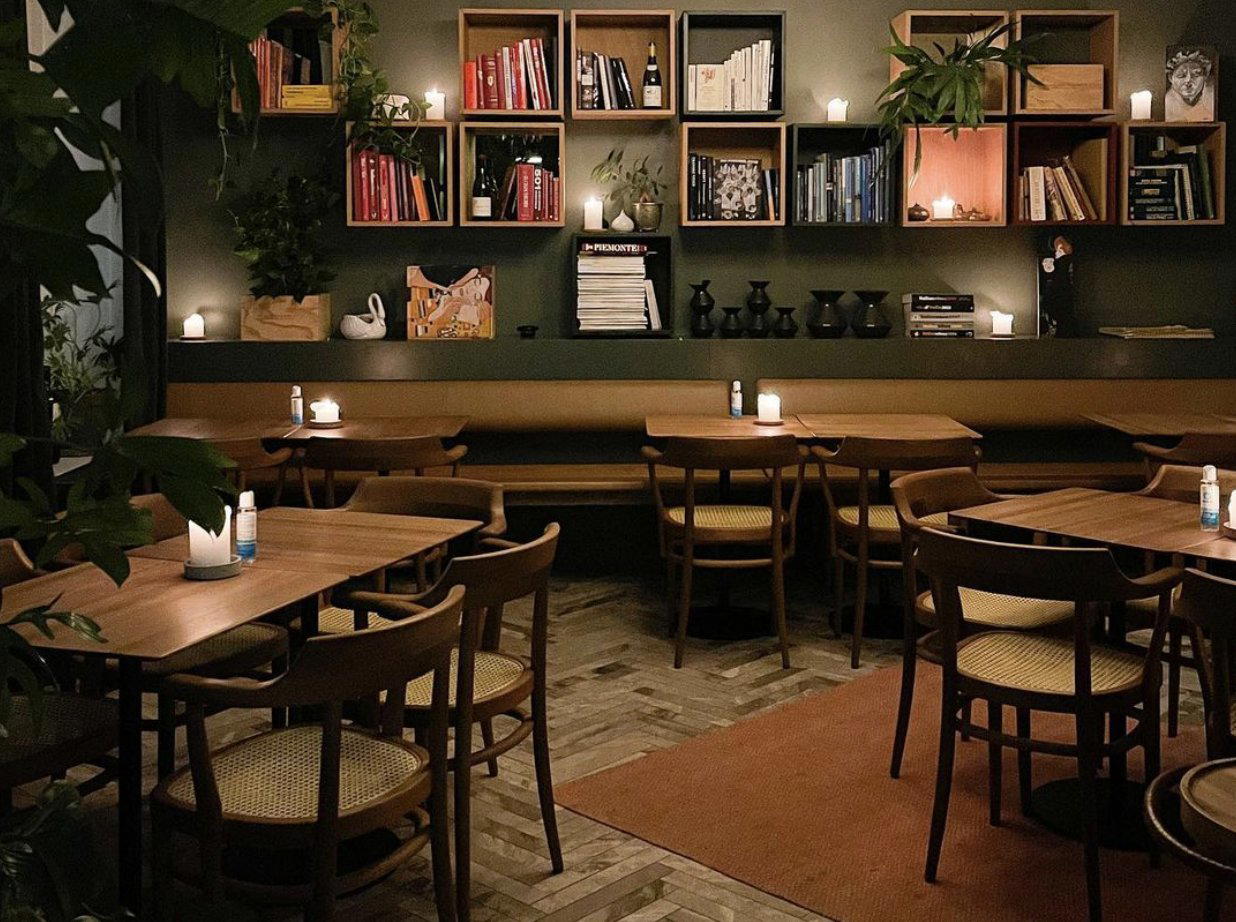
Cozy atmosphere with nice music at low volume, though some areas become loud during busy times; sophisticated plating and warm lighting.