Kuqa sits at the western end of China's Xinjiang corridor, where the culinary traditions of Central Asia and the Uyghur heartland converge on the plate. Zapar Restaurant operates inside that context, drawing on the ingredient landscape of the Tarim Basin and the cooking methods that have defined this stretch of the Silk Road for centuries. For visitors seeking an honest read on the region's table culture, it is a considered starting point.
Pearl is the En Primeur Club membership app — saves, bookings, and concierge access live there. Same editors, same standards.
- Address
- Kuqa, China
- Directions
- Get directions
 Saves & bookings on Pearl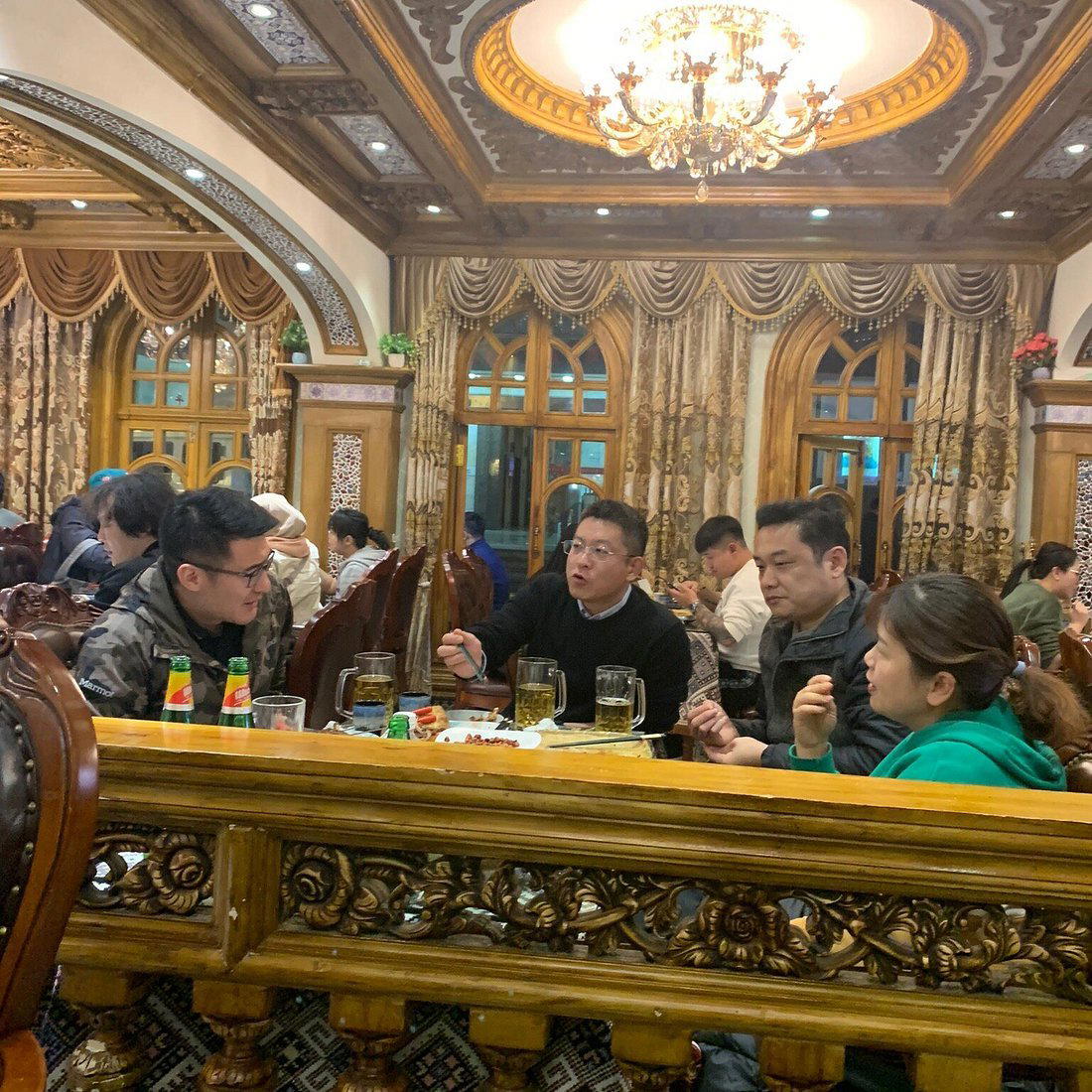
Where the Tarim Basin Reaches the Table
Kuqa, known historically as Kucha, a Buddhist trading post on the northern Silk Road, occupies a position in Xinjiang that most food-focused travellers walk past on their way to Kashgar or Ürümqi. That pattern of oversight has allowed a local dining culture to develop on its own terms, largely insulated from the genre flattening that tends to follow heavy tourist infrastructure. The city's kitchens operate with ingredients sourced from the Tarim Basin: lamb raised on desert-edge pasture, stone-fruit from irrigated orchards, and flatbreads baked in tandoor-style ovens that trace a direct line to the cooking traditions of Uzbekistan, Kyrgyzstan, and the broader Turkic world. Zapar Restaurant is a casual, walk-in-friendly restaurant serving Xinjiang Regional Chinese in Kuqa. To understand what the kitchen is likely doing, you need to understand where the food comes from before it arrives on a plate.
The Ingredient Geography of Uyghur Cooking
Xinjiang produces roughly a third of China's cotton and a disproportionate share of its stone fruit, apricots, peaches, and the Hami melon that travels east to fill market stalls across the country. What that agricultural richness means at the table is a cuisine structured around seasonal abundance rather than year-round uniformity. Lamb is the dominant protein, and in this part of Xinjiang the animals graze on scrub vegetation at altitude, which produces a leaner, more mineral-forward flavour profile than the grain-finished lamb common further east. Cumin, dried red chilli, and hand-pulled noodle dough made without eggs form a culinary grammar that recurs across Uyghur kitchens from Kashgar to Turpan. Zapar, as a restaurant operating in Kuqa, almost certainly works within that grammar, the city's geography and supply chains leave little reason to do otherwise.
That regional consistency is not a limitation. In cities like Kashgar, restaurants such as Local Old Town Home have built strong reputations by anchoring their kitchens firmly in local produce rather than reaching for imported or out-of-season ingredients. The discipline of working within a regional palette tends to produce more coherent cooking than menus that try to span traditions. Kuqa's kitchen culture follows a similar logic.
What to Order in a Kuqa Kitchen
What can be said with confidence is that any serious Uyghur kitchen in Kuqa will anchor its menu around a handful of structural dishes. Laghman, hand-pulled noodles served with a stir-fried meat and vegetable topping, is one widely encountered format in the region and functions here the way pasta shapes function in Italian regional cooking: as a vehicle that reveals the kitchen's technique and sourcing choices simultaneously. Polo, the rice-and-lamb pilaf that connects Uyghur cooking to Persian and Central Asian plov traditions, is a second reference point. The ratio of saffron or turmeric, the quality of the lamb, and the texture of the rice are the variables that separate a careful kitchen from a perfunctory one.
For context on how Chinese restaurants at the careful end of the spectrum handle ingredient sourcing as an editorial statement, the approach taken by kitchens like Xin Rong Ji on Xinyuan South Road in Beijing or Ru Yuan in Hangzhou offers a useful frame, both treat provenance as a structural component of the menu rather than a marketing footnote. The register is different in Kuqa, but the underlying discipline is comparable.
Kuqa as a Dining Destination
China's serious dining coverage concentrates heavily on the eastern seaboard, the Shanghais and Hangzhous where venues like 102 House in Shanghai and Dingshan·Jiangyan in Suzhou operate inside well-documented critical ecosystems with Michelin presence and annual list recognition. Kuqa has no such infrastructure. That absence reshapes how a visitor should calibrate expectations and, more usefully, how they should approach the experience of eating here.
In cities with dense critical coverage, Macau, where Chef Tam's Seasons operates, or Guangzhou, where Imperial Treasure Fine Chinese Cuisine holds court, the award framework does part of the research work for the visitor. In Kuqa, the signal comes from local consistency and the basic question of whether a kitchen is working honestly with the ingredients at hand. That is a different kind of evaluation, but not a lesser one.
Atmosphere and Setting
Kuqa's older districts retain a Central Asian streetscape character, low-rise mud-brick construction, covered bazaars, and the architectural vocabulary of a city that served as a way-station rather than a terminus. Restaurants in this environment tend to be functional rather than designed, with the room organized around shared tables and the kitchen process visible enough to understand what is happening between order and plate. The atmosphere, where it exists, is produced by the density of the space and the tempo of service rather than by deliberate interior decisions. That is a format that rewards engagement, sitting at a shared table in a Kuqa restaurant is a different social experience from the curated distance of a table for two at somewhere like Ensue in Shenzhen or Fleurs Et Festin in Xiamen.
Planning Your Visit
Kuqa is accessible by air via Kuqa Qiuci Airport, which connects to Ürümqi, and by rail on the Southern Xinjiang Railway. The leading months to visit fall between late April and early October, when the Tarim Basin fruit is at its height and the weather remains workable; January through March brings severe cold that narrows outdoor activity considerably. Zapar Restaurant is casual and walk-in-friendly. Pricing across Kuqa's restaurant sector reflects the city's position outside China's premium dining markets: expect to pay significantly less per head than you would at comparable quality in Chengdu or, further afield, at Xin Rong Ji in Chengdu.
Atomix in New York City to the classical precision of Le Bernardin, Kuqa represents a useful counterpoint: a dining culture defined by geography and trade history rather than by critical infrastructure or chef-led narrative.
A Quick Peer Check
Comparable venues nearby, for context on price, style, and recognition.
| Venue | Cuisine | Price | Notes |
|---|---|---|---|
| Zapar RestaurantThis venue — the venue you are viewing | Xinjiang Regional Chinese | $$ | Not listed |
| An Fu Lu | Cantonese Dim Sum | $$ | Da Pu Qiao |
| Fuyuanju | Authentic Hangzhou Cuisine | $$ | Hangzhoushi |
| Ludao Seafood Restaurant (鹭岛餐厅•闽南菜(鼓浪屿店)) | Minnan Seafood | $$ | 鼓浪屿商圈 |
| çæ°ç§é¥¼ æ ç¾æ²¹æ¡ | Hangzhou Charcoal BBQ | $$ | Hangzhoushi |
| Ancient Steamed Swallow (古蒸燕) | Ancient Steamed Swallow | Not listed | 福州市 |
At a Glance
- Casual Hangout
- Family
- Group Dining
- Standalone
Casual neighborhood restaurant with standard local dining atmosphere