Google: 4.5 · 638 reviews
.png)
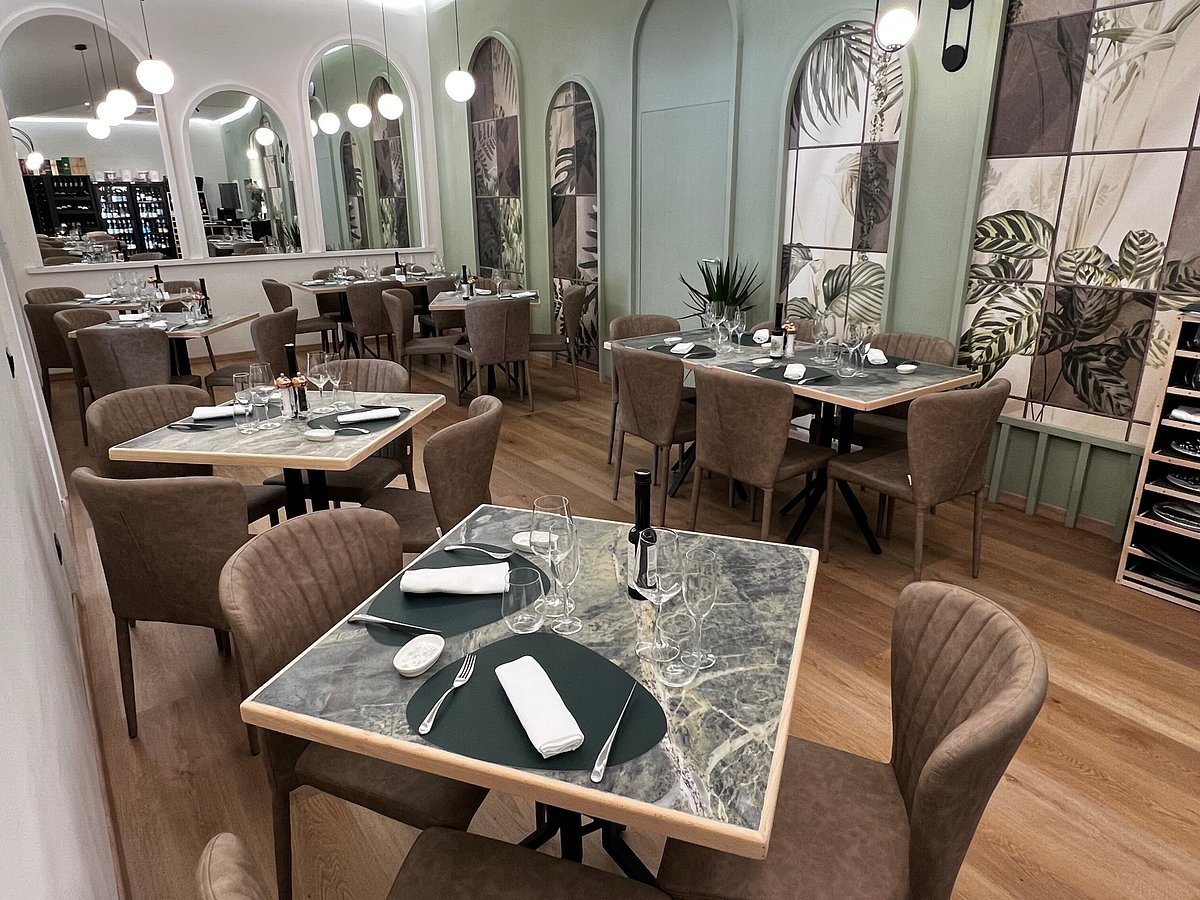
A modern bistro on Viale della Vittoria, Zamù emerged from the merger of two earlier restaurants and now serves generously portioned Sicilian-rooted cooking at prices that reflect the local market rather than destination dining. A blackboard of daily specials runs alongside a fixed menu split evenly between meat and fish, with a reasonably priced business lunch available on weekdays.
 Discover on Pearl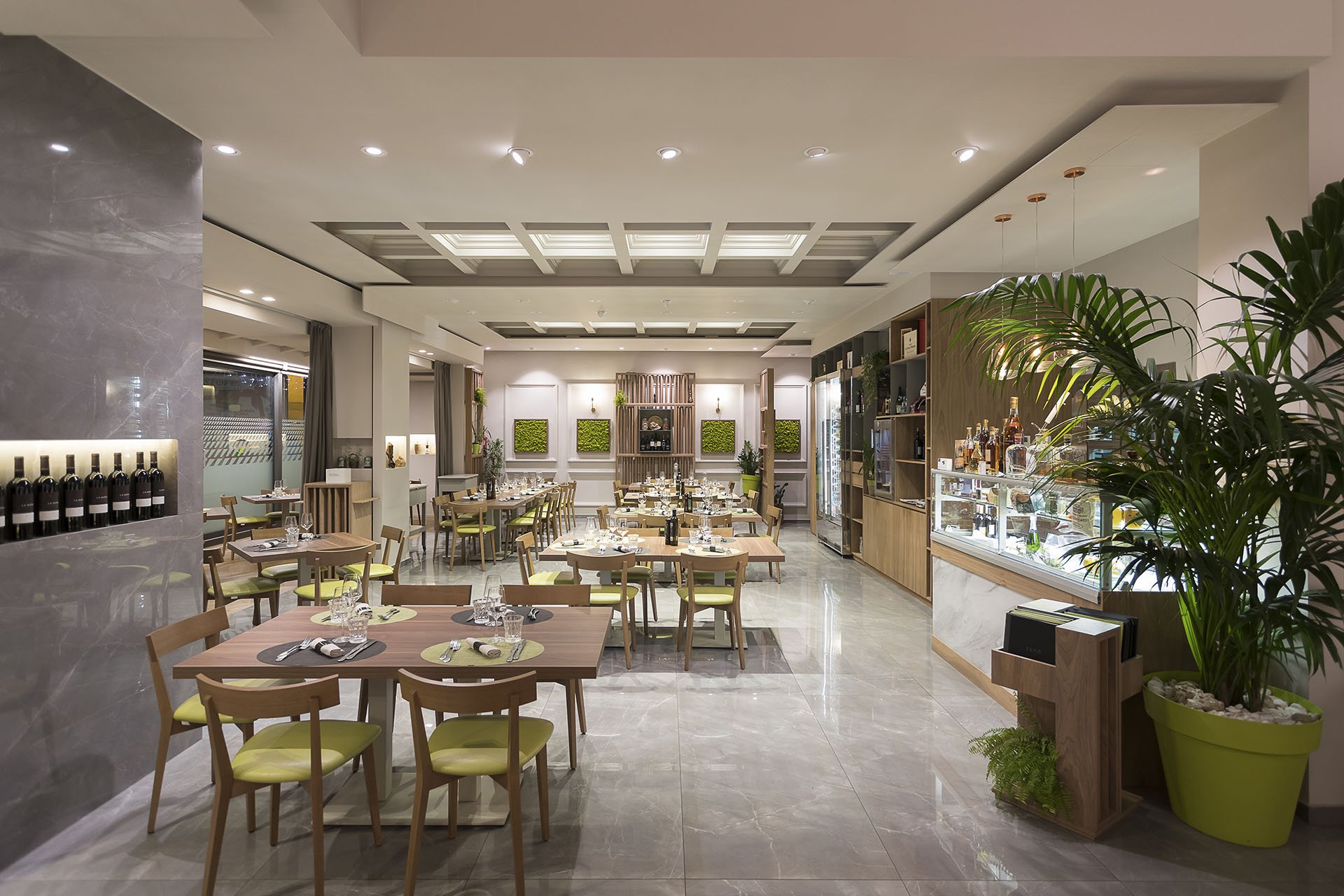
The Bistro Tradition in Interior Sicily
In the hill towns of the Sicilian interior, restaurants occupy a different register than the tourist-facing seafood houses along the coast. Canicattì sits roughly equidistant between Agrigento and Caltanissetta, deep enough inland that its dining culture answers primarily to local demand: office workers at lunch, families on Sunday afternoons, residents who measure a restaurant by consistency and portion rather than spectacle. That context matters when reading any address here, including Zamù on Viale della Vittoria. For a broader survey of where to eat across the city, see our full Canicattì restaurants guide.
The bistro format that Zamù occupies has clear European precedents. In France, the bistro codified affordability and regularity: a fixed-price menu at lunch, a slate of daily specials determined by the market, no great ceremony. Italy absorbed and adapted that format, and in the south it took on a more distinctly local flavour, anchored by whatever the agricultural hinterland and nearby waters made available on a given day. The blackboard of daily specials is not a styling choice at places like this; it is the operating logic.
What Zamù Is and Where It Comes From
The name itself is documentary. Zamù combines the initial syllables of two separate restaurants that previously operated on the same site. When those premises were merged and refurbished into a single, coherent space, the owners preserved the linguistic trace of both predecessors in the new name. That kind of continuity is common in the Sicilian interior, where restaurants often carry forward the social function of earlier addresses rather than positioning themselves as replacements. The result is a modern bistro in format but not in attitude: the cooking stays close to tradition and portions are generous, which in this part of Sicily is understood as a baseline expectation rather than a selling point.
Canicattì has its own distinct food identity shaped by the surrounding countryside. The province of Agrigento produces table grapes, olive oil, wheat, and a range of pulses that have anchored southern Sicilian cooking for centuries. The town itself is associated closely with the uva Italia grape, and local cooking reflects that agricultural context in its sauces, its antipasti, and its approach to seasoning. For those exploring the area's wine culture alongside its food, our full Canicattì wineries guide covers the local producers worth seeking out.
The Menu: Parity Between Land and Sea
One structural decision at Zamù carries some editorial weight: the menu gives equal emphasis to meat and fish. In a landlocked hill town, that balance is a deliberate choice. Inland Sicilian cooking has historically leaned toward meat, game, and preserved fish rather than fresh seafood, but better road infrastructure and cold-chain logistics have shifted what inland restaurants can offer. A menu that splits evenly between the two categories signals a kitchen willing to work across both traditions rather than defaulting to one.
The daily specials board functions as the most direct expression of what the kitchen is actually doing on a given day. In a format like this, the blackboard typically carries the dishes the cook is most confident in at that moment, whether that reflects a good delivery, a seasonal surplus, or simply a recipe worth repeating. Reading it before the printed menu is the sensible approach.
The business lunch menu offers a fixed-price format at a price point calibrated for regular local use. In Italian towns of this size, the midday business menu is a genuine civic institution: it keeps a restaurant filled across the week, builds a loyal base of regulars, and forces the kitchen to execute efficiently at volume. At Zamù, that lunchtime format is described as reasonably priced, which in Canicattì's market context places it firmly within everyday affordability rather than occasion-dining territory.
Canicattì's Dining Scene in Wider Context
It is worth placing Zamù's approach against the broader arc of Italian restaurant culture. Italy's most discussed addresses in 2024 and beyond are concentrated in the north and in a handful of coastal locations: Osteria Francescana in Modena, Enoteca Pinchiorri in Florence, Le Calandre in Rubano, Piazza Duomo in Alba, Enrico Bartolini in Milan, Atelier Moessmer Norbert Niederkofler in Brunico, Dal Pescatore in Runate, Uliassi in Senigallia, Quattro Passi in Marina del Cantone, and Reale in Castel di Sangro. These are the €€€€ tier, operating with tasting menus, long booking windows, and the full apparatus of destination dining. For reference beyond Italy, the same category internationally includes addresses like Le Bernardin in New York City and Atomix in New York City.
Zamù occupies none of that territory, nor is it trying to. The bistro-format restaurant serving traditional, generously portioned food at accessible prices in an agricultural interior town is a different institution entirely, and one that Italian food culture depends on more broadly than the decorated tier might suggest. The question for a visitor is not how it compares to Modena or Florence but whether it delivers on what a well-run local bistro should do: consistent execution, a daily specials board that reflects seasonal availability, and a lunch offering that justifies the stop. From the available evidence, those criteria are met.
Canicattì also has a peer local address worth noting: Aquanova Hosteria takes a somewhat different angle on local cooking and provides a useful point of comparison for anyone eating their way through the town.
Planning Your Visit
Zamù is located at Viale della Vittoria, 208 in Canicattì. For visitors arriving by car from Agrigento or Palermo, Canicattì is accessible via the SS640 and SS122 respectively. The restaurant operates in the modern bistro format, which in this region typically means lunch and dinner service across the week, with the business menu available at midday. Arriving at lunch allows access to the fixed-price format and tends to offer the broadest selection from the specials board before it sells through. No booking information is confirmed in current records, but for a restaurant of this type in a town of this size, midweek lunch carries less risk than Friday or Saturday evening, when local demand is higher.
For visitors building a broader Canicattì itinerary, the town's full range of options across hospitality, bars, and cultural experiences is covered in our full Canicattì hotels guide, our full Canicattì bars guide, and our full Canicattì experiences guide.
- risotto
- squid ink pasta
- tuna tataki
- lobster
- artichoke
- patanegra pluma
- tiramisu
Cost and Credentials
These are the closest comparables we have in our database for quick context.
| Venue | Price | Awards | Notes |
|---|---|---|---|
| Zamù | This restaurant’s name comes from the initial syllables of the two restaurants t… | This venue | |
| Atelier Moessmer Norbert Niederkofler | €€€€ | Michelin 3 Star | Italian, Creative, €€€€ |
| Dal Pescatore | €€€€ | Michelin 3 Star | Italian, Italian Contemporary, €€€€ |
| Enoteca Pinchiorri | €€€€ | Michelin 3 Star | Italian - French, Italian Contemporary, €€€€ |
| Enrico Bartolini | €€€€ | Michelin 3 Star | Creative, €€€€ |
| Osteria Francescana | €€€€ | Michelin 3 Star | Progressive Italian, Creative, €€€€ |
Continue exploring
More in Canicattì
Restaurants in Canicattì
Browse all →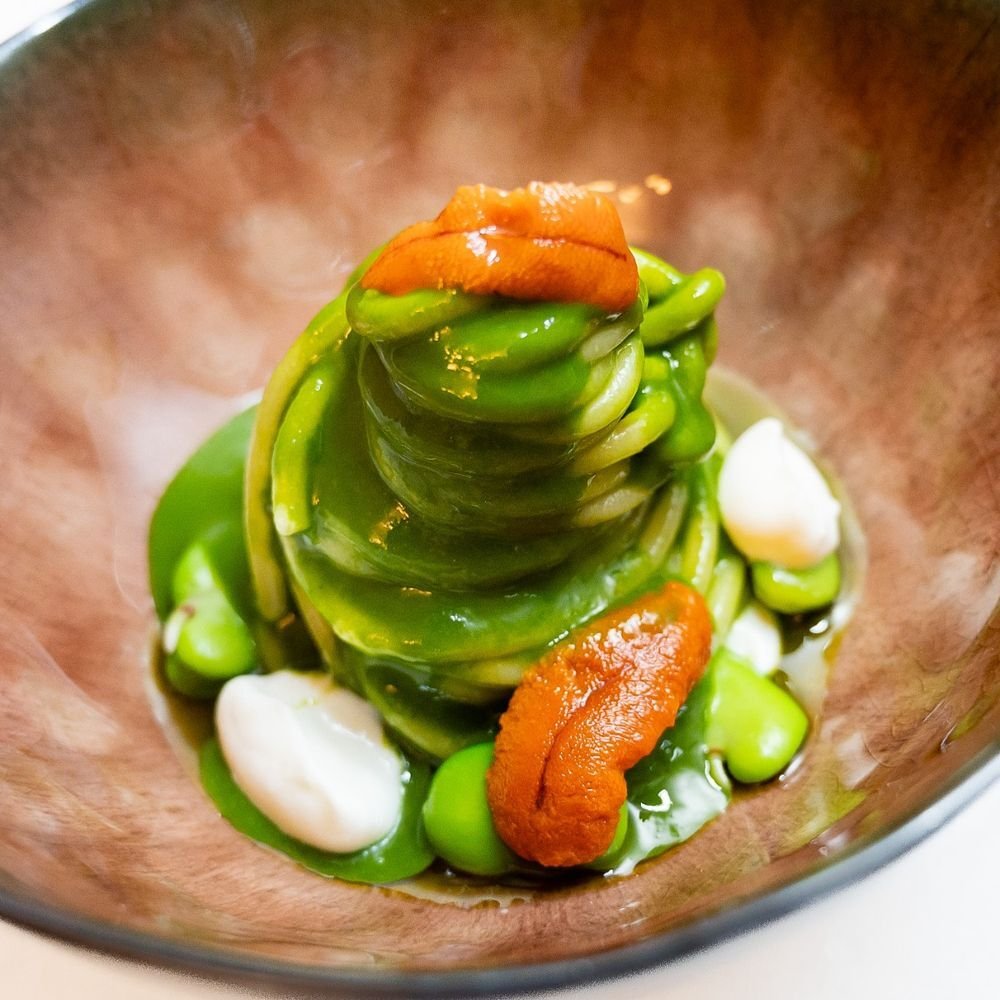
Hotels in Canicattì
Browse all →
Wineries in Canicattì
Browse all →
At a Glance
- Elegant
- Romantic
- Modern
- Sophisticated
- Date Night
- Business Dinner
- Celebration
- Special Occasion
- Private Dining
- Standalone
- Extensive Wine List
- Sommelier Led
- Local Sourcing
Elegant and carefully curated interior with warm, welcoming service; clean, well-maintained spaces with refined lighting creating an intimate yet sophisticated atmosphere.
- risotto
- squid ink pasta
- tuna tataki
- lobster
- artichoke
- patanegra pluma
- tiramisu