
Michelin Plate
Our verdict
Set along the road that crosses Agrigento's Valley of the Temples, Carusu is a family-run restaurant earning a 2025 Michelin Plate for its creative reinterpretation of Sicilian cuisine. Much of the produce comes from a family-tended farm, grounding a vegetable-forward menu in the same soil that defines the surrounding archaeological landscape.8 across 175 ratings.

Pearl is the En Primeur Club membership app — saves, bookings, and concierge access live there. Same editors, same standards.
- Address
- Via Passeggiata Archeologica, 8, 92100 Agrigento AG, Italy
- Phone
- +39 0922 691893
- Hours
- Mon ClosedTue–Sat 7–10:30 PMSun 12:30–2:30 PM
- Website
- carusurestaurant.it
- Directions
- Get directions
- Booking
- Book on the venue's website
Dining Inside an Archaeological Park
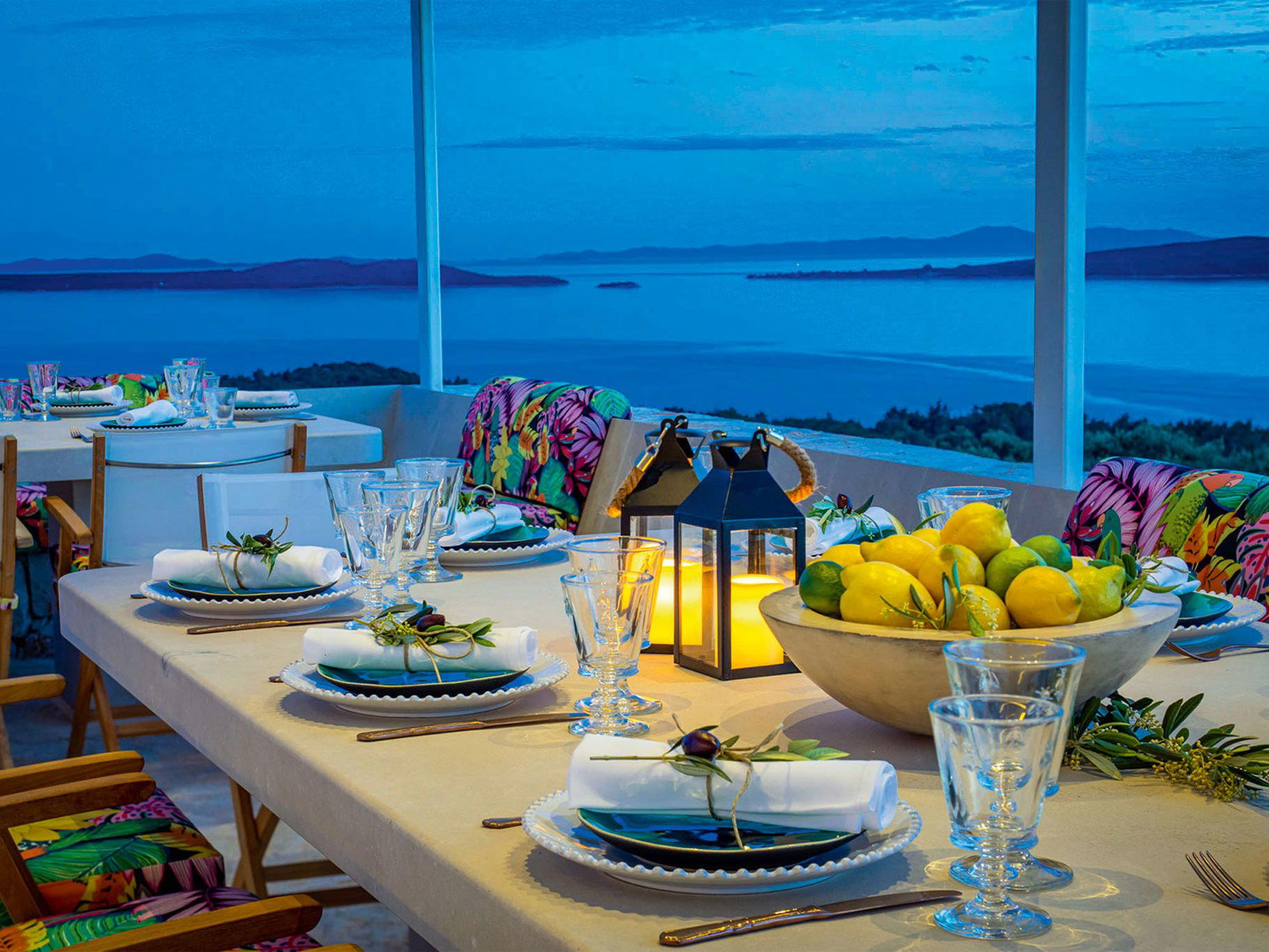
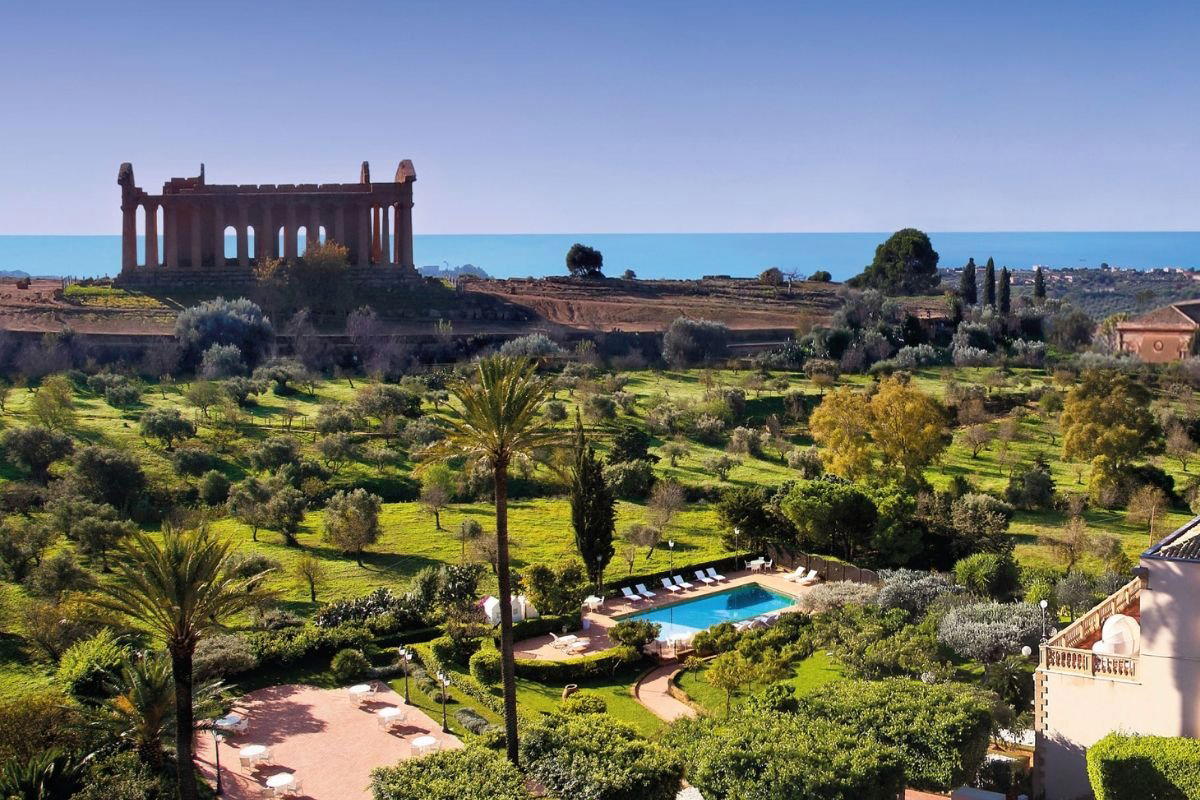
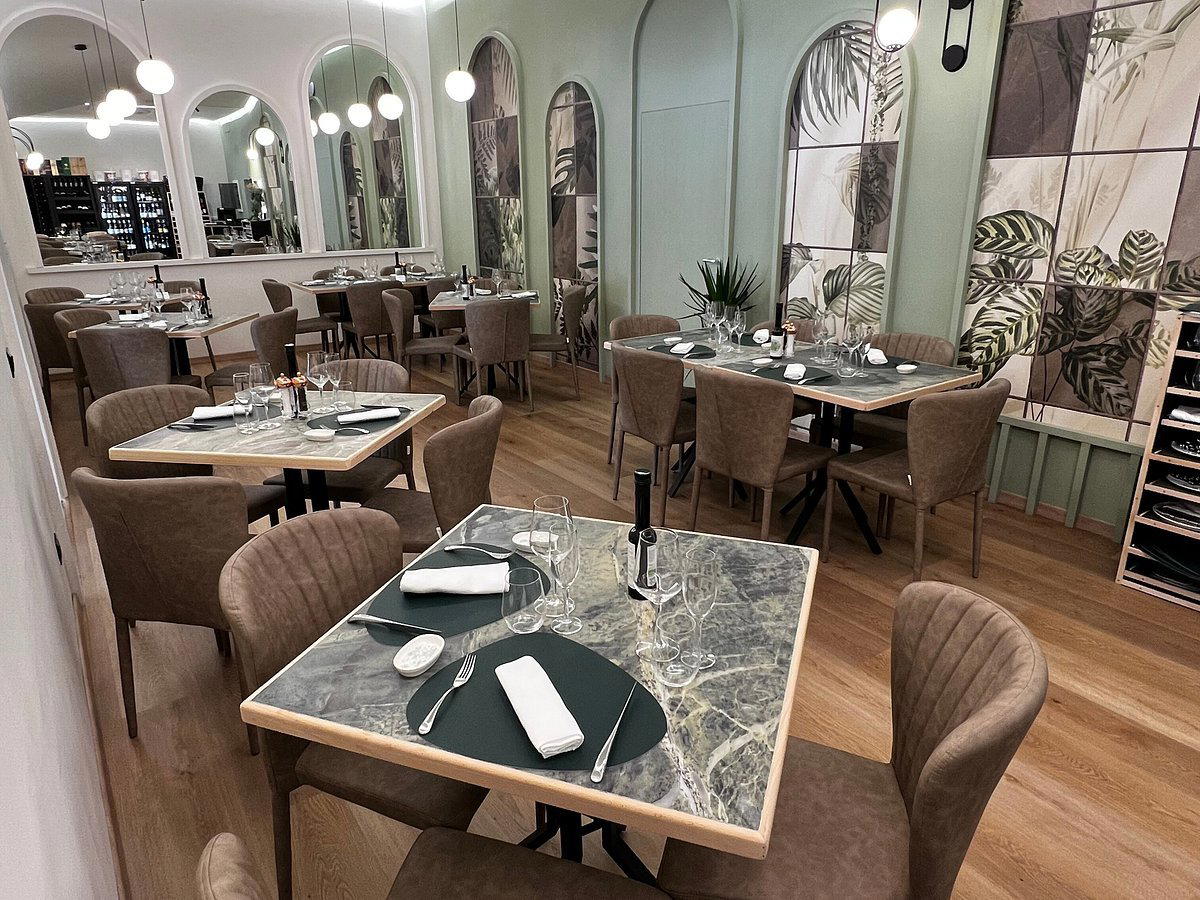
The road that runs through the Valley of the Temples is not, as a rule, where you expect to eat well. The site draws visitors to its fifth-century BC Greek temples, and the surrounding strip caters largely to that foot traffic. Carusu sits along the Via Passeggiata Archeologica in two small rooms arranged across two floors, and it operates at a register that is plainly at odds with the tourist-circuit restaurants nearby. The setting is composed and unhurried, in the way that a dining room with a clear sense of purpose tends to be. The Michelin Plate recognition it received in 2025 is less a surprise than a confirmation that serious cooking can and does happen away from city centres.
For context on where Carusu sits within the wider Italian creative dining conversation, the highest-awarded end of that tier, venues such as Osteria Francescana in Modena, Le Calandre in Rubano, or Enrico Bartolini in Milan, occupies a €€€€ bracket and carries multiple Michelin stars. Carusu sits a tier below that in price (€€€) and recognition, but the editorial angle that connects it to those rooms is the same one: a creative approach to Italian regional cuisine that treats sourcing as a culinary argument, not a marketing footnote.
The Sourcing Logic Behind the Menu
Sicily's agricultural identity is one of the most layered in Italy. The island produces capers, almonds, pistachios, blood oranges, and a range of native vegetables that carry genuine varietal distinction. The argument for vegetable-forward cooking in this context is not a trend adoption; it is a direct claim on the most interesting raw materials available. At Carusu, a significant share of the produce comes from a farm tended by a family member, which means the kitchen's relationship to its ingredients is not mediated by a supply chain. The gap between what comes out of the ground and what arrives at the table is, by most measures, shorter here than at restaurants sourcing from regional markets.
That proximity matters because it changes what the kitchen can do. Vegetables harvested the same day or the day before behave differently from those that have spent time in transit. The creative Sicilian menu at Carusu draws on that freshness as a functional advantage, not merely as a provenance story. This positions the restaurant within a broader movement across southern Italian fine dining, where younger chefs are reframing traditional cucina povera ingredients through contemporary technique without abandoning the regional logic that makes those ingredients coherent in the first place. Comparable thinking, applied to the mountains rather than the sea, can be found at Atelier Moessmer Norbert Niederkofler in Brunico, where hyper-local Alpine sourcing drives a menu with similar conceptual discipline. In the French creative context, the vegetable-forward sourcing argument reaches its most cited expression at Arpège in Paris, where the kitchen's own garden underpins the entire program.
A Family Operation With Clear Roles
The structure of the Mangione family's operation at Carusu follows a pattern seen in some of the more durable Italian restaurant projects: different family members hold distinct roles, and the division is visible to guests. Francesco handles the entrance; Dominique manages the dining room and is available for wine conversation. The kitchen is led by the younger generation, Alen, who brings experience from recognised restaurants before returning to Agrigento to apply that training to local material.
Family-run restaurants in southern Italy carry a particular context. The ones that succeed over time tend to do so because the family's own stakes in the operation, including access to ingredients through farming, control over front-of-house atmosphere, and a long-term relationship with local suppliers, produce a consistency that hired teams can struggle to replicate. The farm-to-kitchen link at Carusu is a direct expression of that structural advantage. It is also worth noting that vegetable-centric menus have historically been undervalued in fine dining assessments built around protein-heavy French classical standards. The Michelin Plate in 2025 suggests the guide is reading this kitchen on its own terms.
For those mapping comparable creative Italian restaurants where the sourcing argument is central to the proposition, Reale in Castel di Sangro and Piazza Duomo in Alba both demonstrate how regional ingredients can carry a tasting menu program at the highest recognised tier. Carusu operates in that same conceptual lineage at a different scale and price point. Quattro Passi in Marina del Cantone and Dal Pescatore in Runate offer further reference points for how Italian regional identity anchors creative cooking across different geographic contexts. At the intersection of French and Italian creative traditions, Alléno Paris au Pavillon Ledoyen and Enoteca Pinchiorri in Florence represent how ingredient-led sourcing philosophy travels across national culinary traditions.
Agrigento's Dining Context
Agrigento does not have a concentrated fine dining district in the way that Palermo or Catania do. The city is visited primarily for the Valley of the Temples, and most of its restaurant infrastructure reflects that reality. The handful of restaurants operating at a serious level tend to be small, family-owned, and defined by a point of view on Sicilian ingredients rather than by cuisine category or star count. Osteria Expanificio and Sitári represent different expressions of that local seriousness. Our full Agrigento restaurants guide maps the complete picture across all price tiers.
Agrigento's relative isolation from the island's main restaurant circuits means that the most interesting places here tend to be discovered through research rather than foot traffic. For planning around a stay in the area, our full Agrigento hotels guide, bars guide, wineries guide, and experiences guide provide the surrounding context.
Planning Your Visit
Carusu is located at Via Passeggiata Archeologica, 8 in Agrigento, directly on the road through the archaeological park. At €€€ pricing, it sits above casual trattoria territory and below the top tier of Italian starred dining, which places it in a range typical for a serious creative tasting-menu restaurant outside the major Italian cities. The address puts it within reach of the main temple site, making it a natural anchor for an evening following a daytime visit to the archaeological park.
Frequently asked questions
Is Carusu expensive?
Pricing at Carusu is listed as €€€.
Where is Carusu in Agrigento?
Carusu is located at Via Passeggiata Archeologica, 8, 92100 Agrigento AG, Italy, Agrigento.
How It Stacks Up
| Venue | Cuisine | Price | Awards | Notes |
|---|---|---|---|---|
| CarusuThis venue — the venue you are viewing | Modern Sicilian | $100–150 | Michelin Plate | Not listed |
| Atelier Moessmer Norbert Niederkofler | Italian, Creative | Not listed | Michelin 3 Star | Not listed |
| Dal Pescatore | Italian, Italian Contemporary | Not listed | Michelin 3 Star | Not listed |
| Enoteca Pinchiorri | Contemporary Italian Fine Dining | $200–300 | 3 Michelin Stars · World's 50 Best #32 | Italian - French, Italian Contemporary |
| Enrico Bartolini | Creative | Not listed | Michelin 3 Star | Not listed |
| Osteria Francescana | Avant-Garde Italian Contemporary | $300–500 | 3 Michelin Stars · World's 50 Best #1 | Progressive Italian, Creative |
Recognition history
Dated appearances from independent guides and award organizations, with the underlying list record or original source where available.
Michelin Plate
Michelin
Full recognition history (3 entries)
Michelin Plate
Michelin
Michelin Plate
Michelin
Continue exploring
More in Agrigento
Restaurants in Agrigento
Browse all →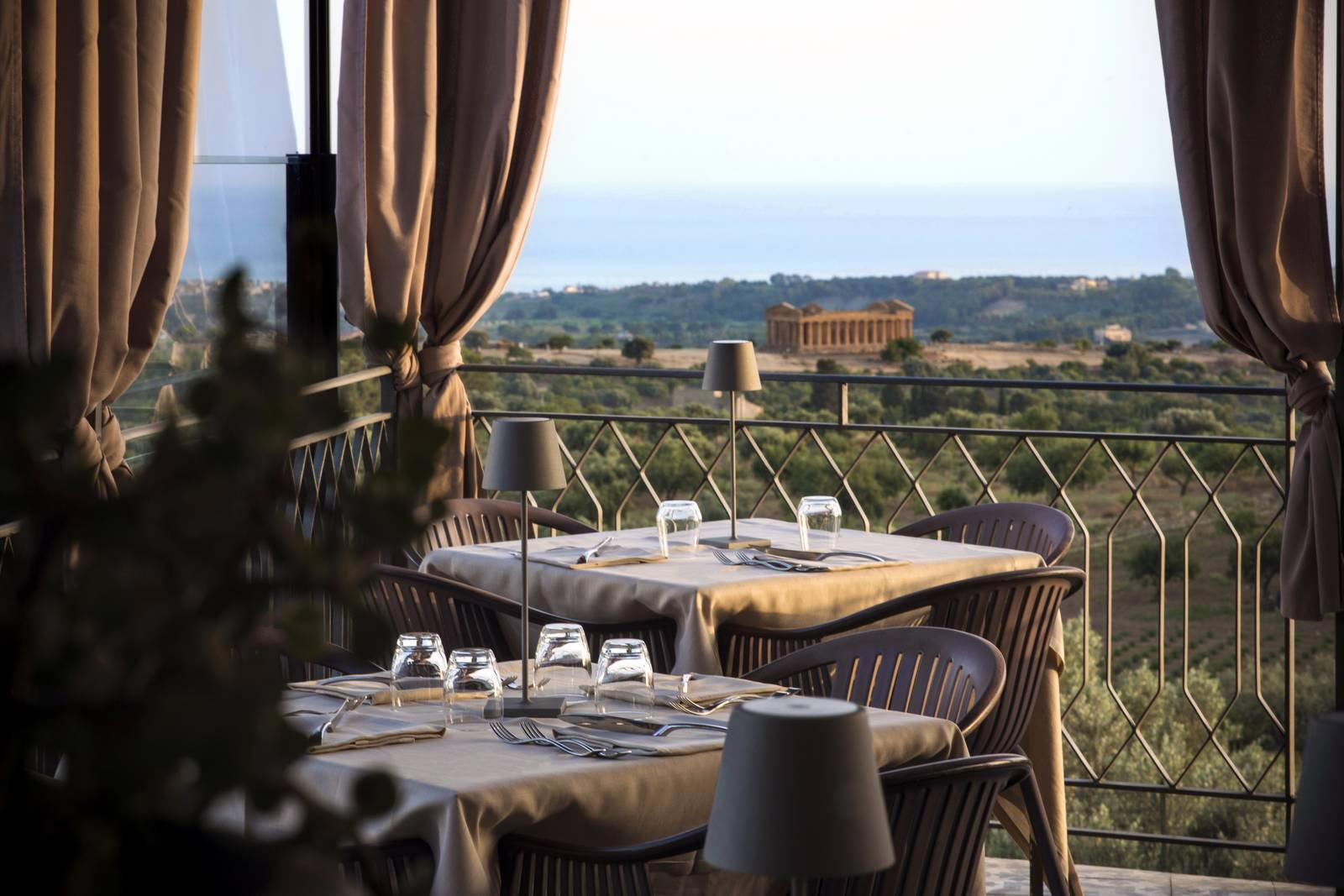
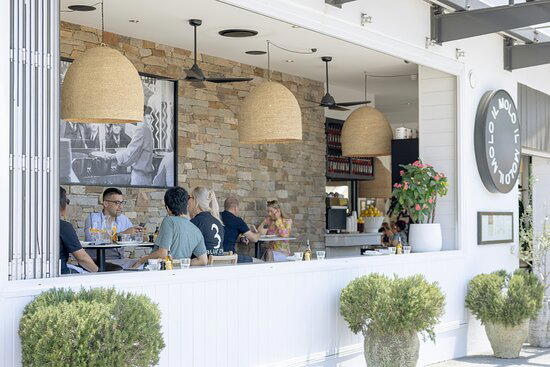
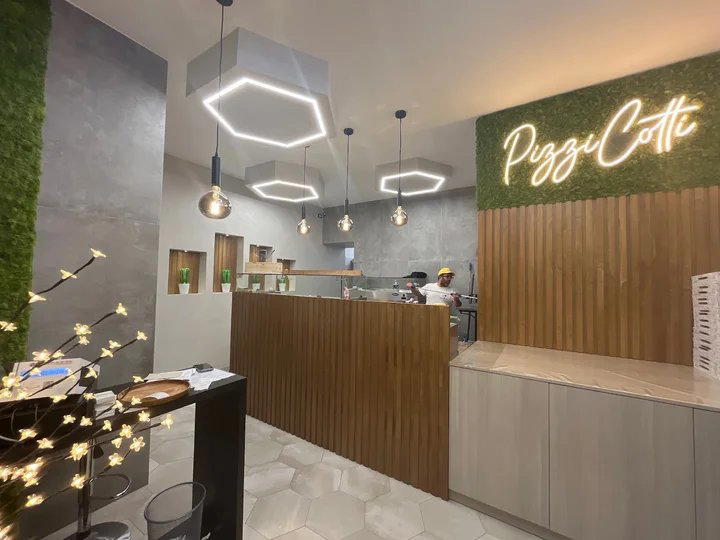
Bars in Agrigento
Browse all →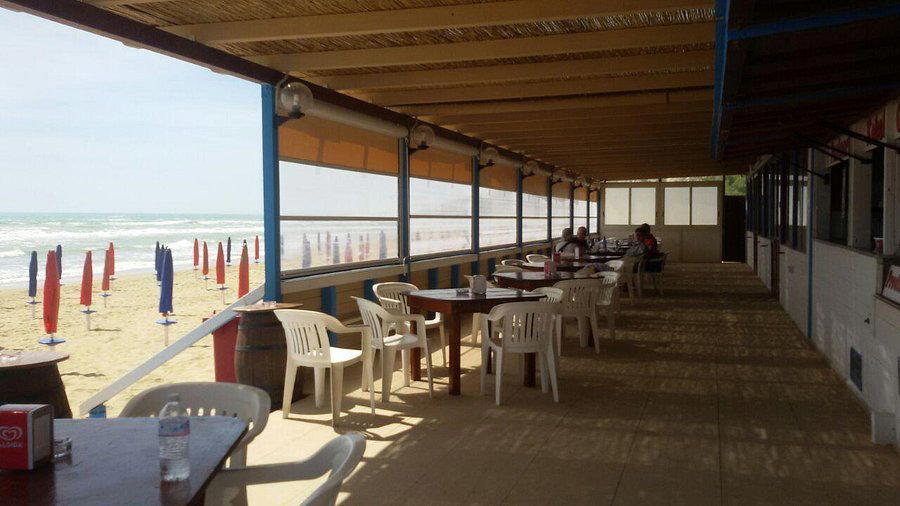
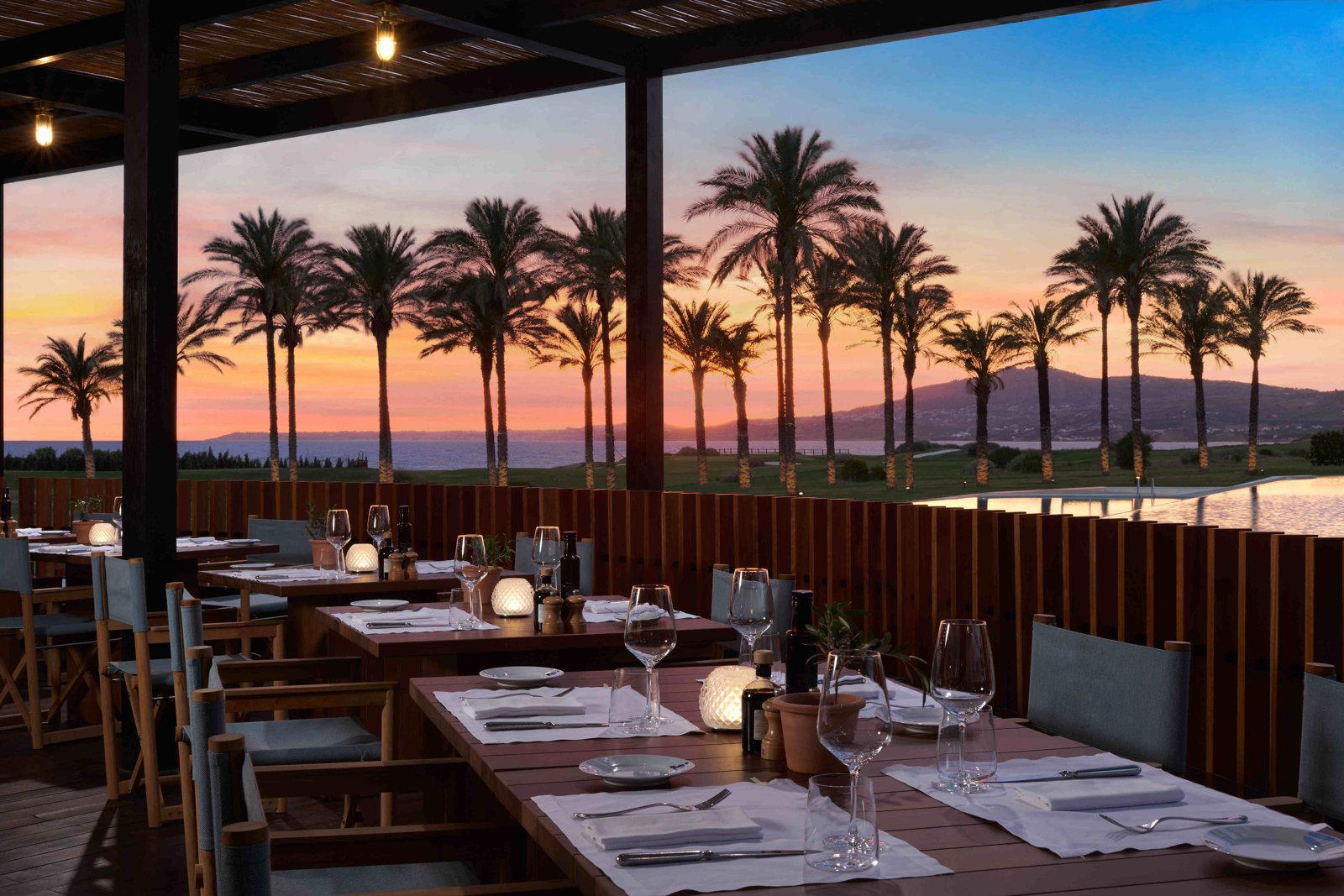
Hotels in Agrigento
Browse all →

Details
- Elegant
- Intimate
- Date Night
- Special Occasion
- Historic Building
- Extensive Wine List
- Local Sourcing
- Tasting Menu
- A La Carte
- Vegetarian Friendly
Current opening hours
- Monday
- Closed
- Tuesday
- 7–10:30 PM
- Wednesday
- 7–10:30 PM
- Thursday
- 7–10:30 PM
- Friday
- 7–10:30 PM
- Saturday
- 7–10:30 PM
- Sunday
- 12:30–2:30 PM
Hours can change for holidays and private events. Last verified .
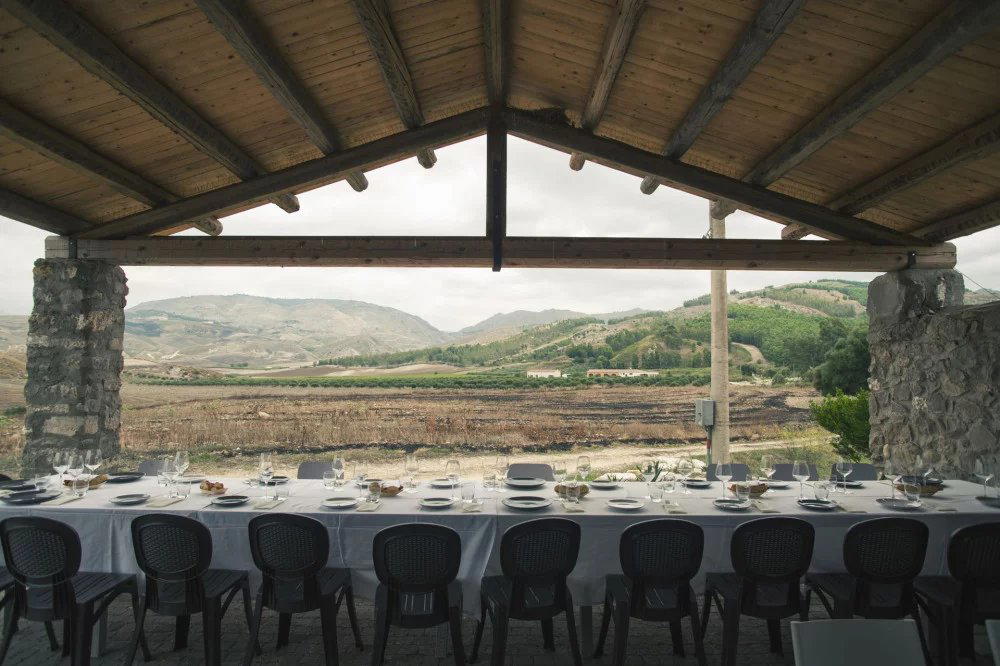
Elegant and refined atmosphere with calm, inviting lighting and welcoming hospitality as described in guest reviews.