
Set inside a 17th-century water house on the outskirts of Canicattì, Aquanova Hosteria frames Albanian-Italian cooking within a room still anchored by its original water wheel. The kitchen draws heavily from an on-site kitchen garden, and a wine cellar holding more than 1,700 labels gives the experience unusual depth for inland Sicily. A strong case for why the island's interior deserves as much attention as its coastline.
Pearl is the En Primeur Club membership app — saves, bookings, and concierge access live there. Same editors, same standards.
- Address
- Via Monsignor Ficarra, 59, 92024 Canicattì AG, Italy
- Phone
- +39 0922 629468
- Website
- aquanovahosteria.it
- Directions
- Get directions
 Saves & bookings on Pearl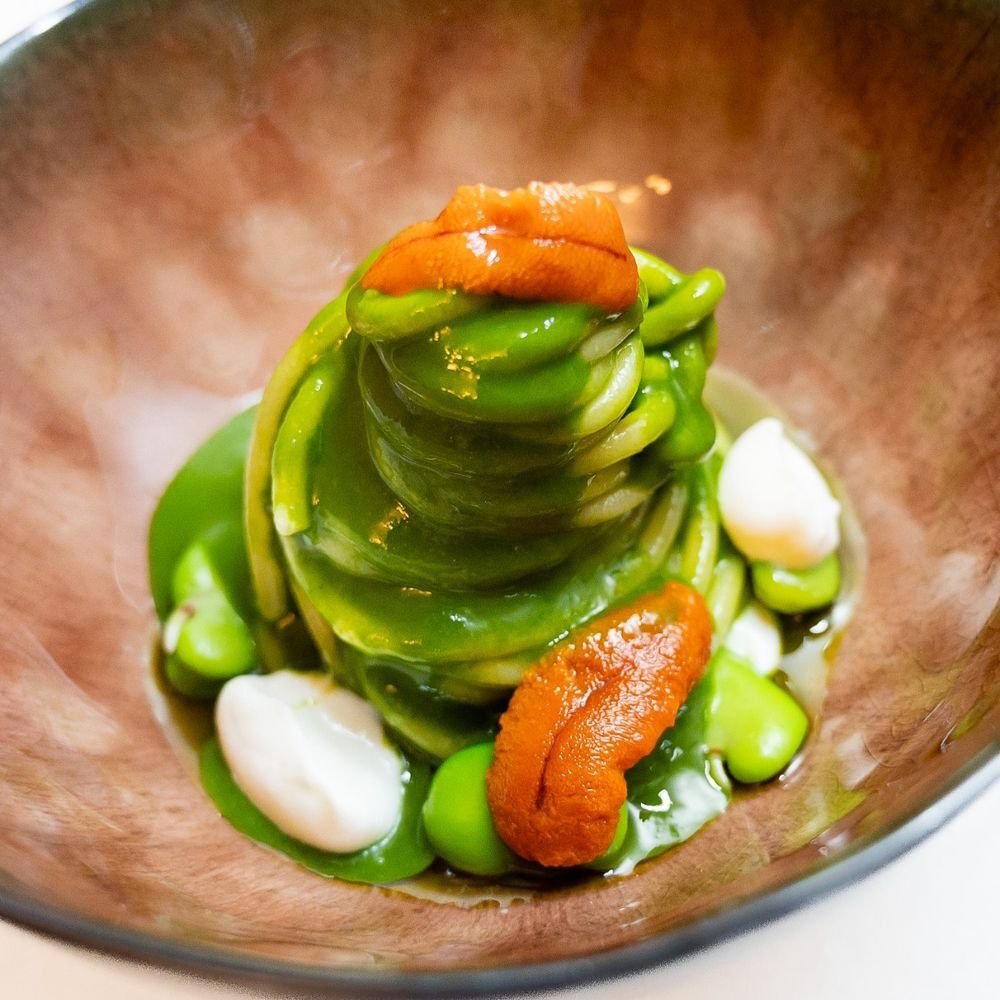
A 17th-Century Water House as Dining Room
The stone buildings of inland Sicily wear their history plainly, and the structure at Via Monsignor Ficarra, 59 is no exception. Aquanova Hosteria occupies what was once a working water house, a utilitarian structure whose purpose was hydraulic rather than hospitable. The original water wheel remains in the dining room, not as a decorative gesture but as a load-bearing piece of the space's identity. In a region where dining rooms tend toward either rustic vernacular or anonymous contemporary design, that kind of material continuity with the 17th century is rare, and it shapes the mood of a meal before a single dish arrives.
The setting matters to the editorial point here: this is not a restaurant that performs heritage. The heritage is structural and literal, visible in the mechanics of the room. Canicattì sits in the Agrigento province, roughly equidistant from the coast and the island's mountain interior, and that geographic position partly explains why the kitchen here draws from both Sicilian coastal and inland culinary traditions rather than defaulting to one or the other.
Where the Food Comes From
Italian fine dining's relationship with kitchen gardens has grown significantly over the past two decades. What began as a signalling device, adopted by ambitious country restaurants across Piedmont, Lombardy, and Emilia-Romagna, has matured into a structural commitment at a smaller number of places where the garden genuinely shapes the menu rather than supplying a decorative garnish or two. Restaurants such as Reale in Castel di Sangro and Atelier Moessmer Norbert Niederkofler in Brunico have made ingredient provenance a governing principle rather than a marketing footnote, and Aquanova Hosteria operates in that same tradition at a different price point and in a different climate.
Sicily's growing season is long and intense. The combination of volcanic soil in the east, calcareous clay in the interior, and a Mediterranean climate that pushes vegetables toward concentrated flavour gives any kitchen garden on the island an inherent advantage over counterparts further north. At Aquanova, the on-site garden is worth visiting in its own right, according to the restaurant's own notes, which suggests it is accessible to guests and treated as part of the experience rather than hidden behind the kitchen pass. The menu's firm focus on vegetables follows logically from that commitment: when the supply chain ends a few metres from the stove, seasonality is not a philosophy but a physical constraint.
That constraint also means the à la carte and tasting menus shift with the season in ways that a kitchen relying on external suppliers cannot fully replicate. Diners arriving in late spring encounter a different set of possibilities from those visiting in autumn, when Sicilian inland produce shifts toward pulses, wild greens, and the deeper flavours of root vegetables. The rhythm of the menu, in other words, is set by the garden rather than by a fixed identity statement.
Albanian-Italian Cooking in a Sicilian Frame
Italy's southern and island regions have absorbed successive waves of cultural influence, and Sicily's culinary history is particularly layered: Arab, Norman, Spanish, and Greek traditions left sediment in the island's food long before any contemporary chef arrived. Against that backdrop, the kitchen here introduces a further register. The chef grew up in Italy but carries Albanian origins, and the cooking reflects that formation through a highly personalized twist on Sicilian tradition. This is not fusion in the branding sense; it is the natural result of a cook working from two sets of culinary memory simultaneously.
The à la carte and tasting menu formats give guests two entry points. A tasting menu allows the kitchen to sequence the argument from garden through to coast and back, while the à la carte option suits diners who want to move through the repertoire more selectively. Both formats draw from Sicilian traditions, coastal and inland, which means the range of ingredients extends from the seafood and citrus of the littoral to the wheat, almonds, and legumes that define the agro-pastoral interior. For a fuller picture of what else the city offers, see our full Canicattì restaurants guide or the nearby Zamù, which represents a different point on the local dining spectrum.
The Wine Cellar
More than 1,700 labels is a serious collection by any measure, and it places Aquanova's cellar in a different category from the competent regional lists common to Sicilian trattorias and most mid-range Italian restaurants. For context, cellars at Italian restaurants operating at the highest price brackets, places like Enoteca Pinchiorri in Florence or Dal Pescatore in Runate, are built over decades and run to comparable or larger figures. The fact that a restaurant in a small inland Sicilian town has assembled a cellar of this depth, with coverage described as global, signals a degree of investment in the wine program that exceeds what the geography might suggest.
A cellar visit is recommended by the restaurant, and in the context of a tasting menu dinner, that recommendation makes structural sense: understanding what is available before ordering allows the kitchen to suggest pairings from a range far wider than the standard regional selection. Sicily itself produces wines of considerable range, from the volcanic whites of Etna to the deep Nero d'Avola reds of the Agrigento hinterland, but the international scope of the collection means pairing is not constrained by regionalism alone.
Canicattì and the Case for Inland Sicily
Canicattì is best known outside Sicily as the town that gave its name to a table grape variety, the Italia and, more precisely, the Uva di Canicattì, rather than for fine dining. That gap between agricultural reputation and culinary recognition is not unusual for inland Sicilian towns, most of which attract far less attention than Palermo, Syracuse, or the Baroque Val di Noto. The restaurants that do operate here, Aquanova among them, function within a context where local ingredients are central partly because the international supply infrastructure is less developed than in coastal tourist centres. That limitation, as it so often does in Italian cooking, becomes an asset.
Dining in the Sicilian interior generally requires more planning than arriving in Palermo and walking the Ballarò market. Distances from major transport hubs are meaningful, and the rhythm of service in smaller Agrigento-province towns tends to follow local custom rather than tourist-facing hours. For visitors building a broader itinerary around Sicilian food and drink, the guides to hotels, bars, wineries, and experiences in Canicattì offer a starting framework for planning around the restaurant rather than treating it as a standalone stop.
Planning a Visit
Aquanova Hosteria sits at Via Monsignor Ficarra, 59 in Canicattì, in the Agrigento province of Sicily. Advance booking is recommended. Booking in advance is advisable given the scale of the operation and the specificity of the tasting menu format; arriving without a reservation at a kitchen-garden-led restaurant risks missing the day's full range, since preparation is calibrated to expected covers. Canicattì is accessible by car from both Agrigento and Caltanissetta, and those arriving from further afield will find it easiest to base themselves in Agrigento or Palermo and travel to Canicattì specifically.
Aquanova operates at a different register from any of those, but the underlying principle, that sourcing discipline and a clear geographic identity produce more interesting food than technical flourish alone, connects it to a broader argument that Italian cooking has been making for decades.
In Context: Similar Options
Comparable venues nearby, for context on price, style, and recognition.
| Venue | Cuisine | Price | Awards | Notes |
|---|---|---|---|---|
| Aquanova HosteriaThis venue — the venue you are viewing | Creative Sicilian Seafood | $$$ | Michelin Plate | Not listed |
| Zamù | Contemporary Sicilian Bistro | $$$ | Michelin Plate | Canicattì |
| Palazzo Branciforte | Modern Sicilian Fine Dining | $$$ | Michelin Plate | Palermo Centro Storico |
| Al Pilèr | Sicilian Grill with Aged Meats | $$$ | Michelin Plate | town centre |
| Radici | Refined Sicilian Osteria | $$$ | Michelin Plate | historic center |
| Sabir | Modern Sicilian Fine Dining | $$$ | Michelin Plate | Zafferana Etnea |
Recognition history
Dated appearances from independent guides and award organizations, with the underlying list record or original source where available.
Michelin Plate
Michelin
Continue exploring
More in Canicattì
Restaurants in Canicattì
Browse all →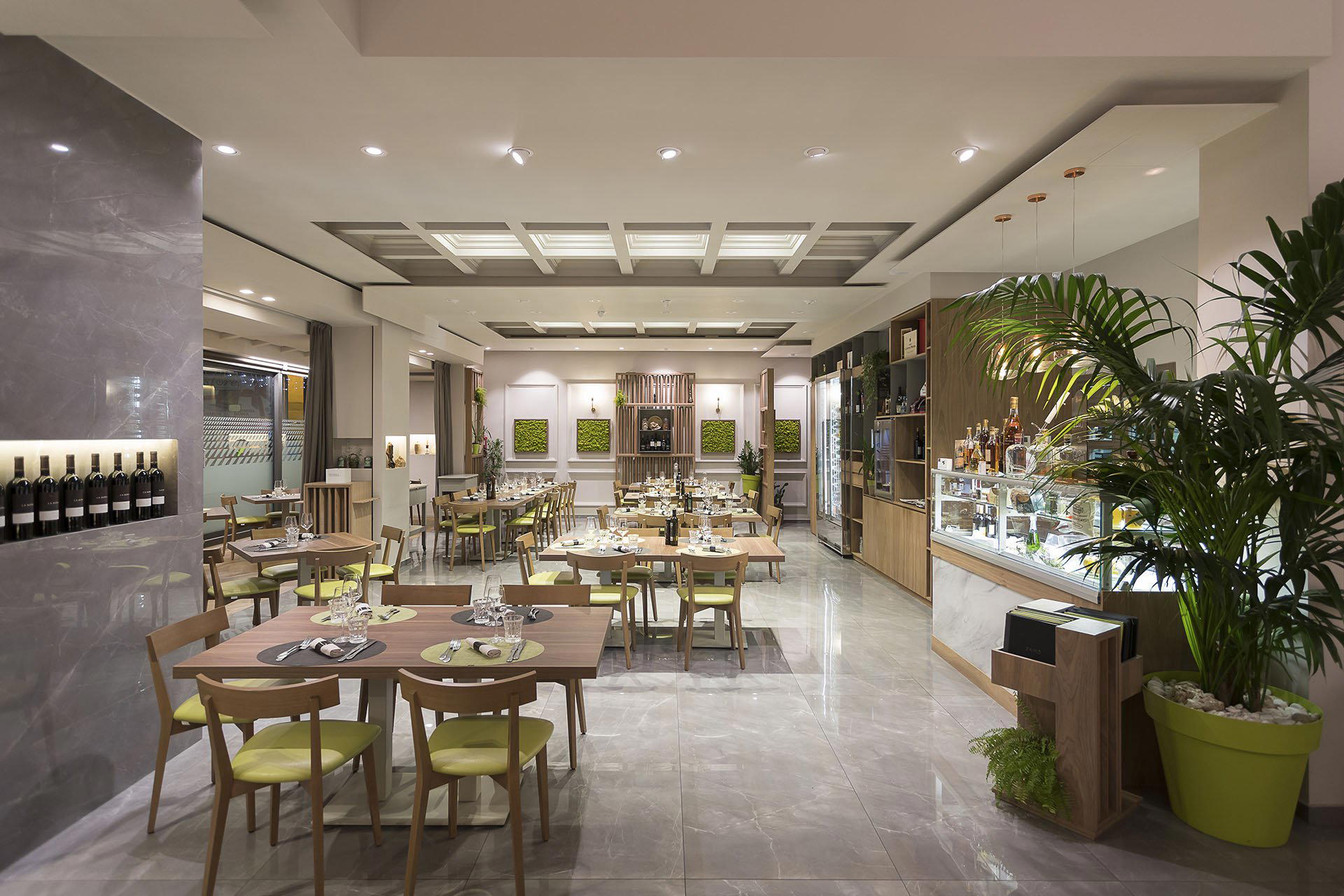
Bars in Canicattì
Browse all →
Hotels in Canicattì
Browse all →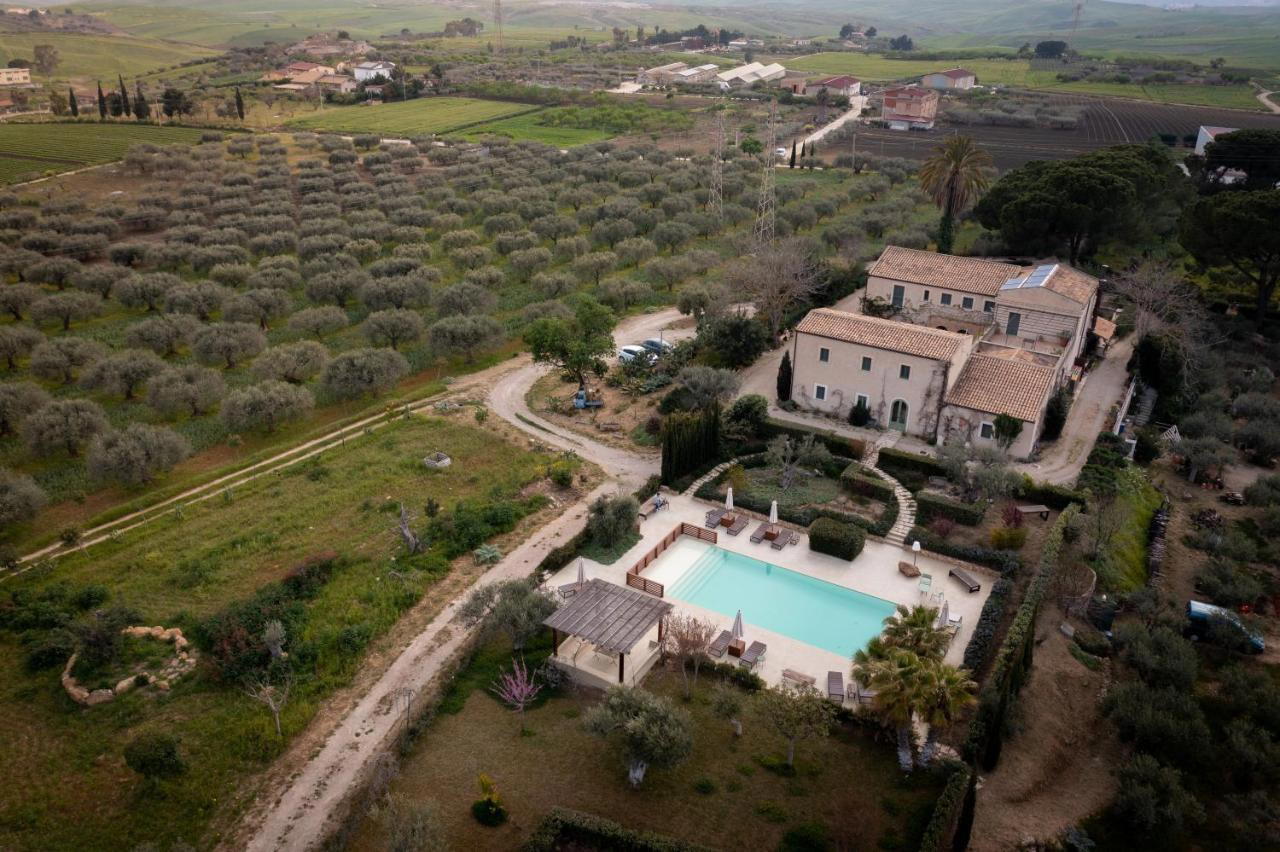
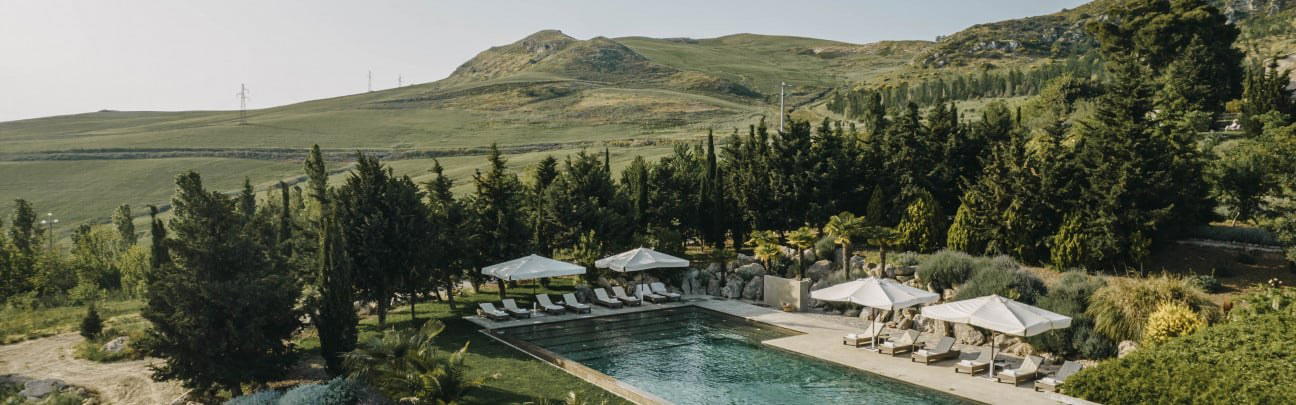
Wineries in Canicattì
Browse all →
At a Glance
- Elegant
- Rustic
- Intimate
- Sophisticated
- Date Night
- Special Occasion
- Historic Building
- Wine Cellar
- Extensive Wine List
- Local Sourcing
Current opening hours
- Monday
- Closed
- Tuesday
- 8–11 PM
- Wednesday
- 8–11 PM
- Thursday
- 8–11 PM
- Friday
- 8–11 PM
- Saturday
- 1–3 PM, 8–11 PM
- Sunday
- 1–3 PM
Hours can change for holidays and private events. Last verified .
Refined and elegant atmosphere in a restored historic water house with high ceilings, exposed beams, and a sophisticated, welcoming setting praised for its attention to detail.