
Its appeal sits in the ritual of Japanese hot pot: shared cooking, controlled pacing, and a format that rewards good ingredients without turning dinner into theater.
Pearl is the En Primeur Club membership app — saves, bookings, and concierge access live there. Same editors, same standards.
- Address
- 宮崎県宮崎市広島1-1-1
- Phone
- +81985293150
- Website
- tabelog.com
 Saves & bookings on Pearl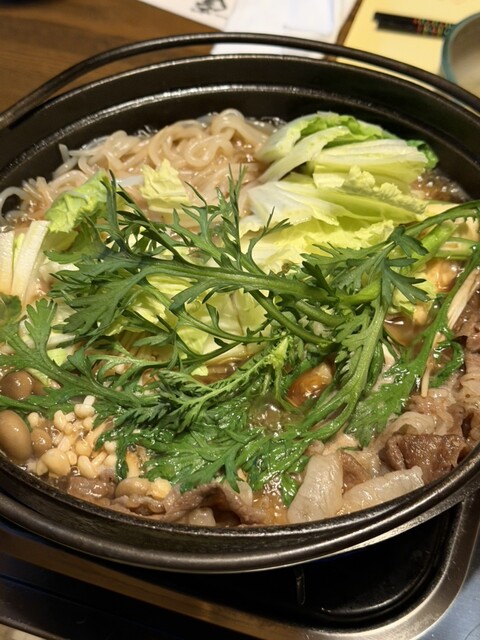
Shabu-shabu’s appeal begins before the first slice of meat touches broth. In a good hot pot room, the table becomes the stove, conversation moves around the pot, and dinner is measured in small decisions rather than finished plates. Zakuro belongs to an older Japanese grammar of dining: the guest is active, and the meal is shaped by heat, timing, dipping sauces, and the quiet order of a shared table.
That matters because travelers often mistake hot pot for comfort food alone. In Japan, shabu-shabu and sukiyaki are more exacting: social, but not casual by default. Beef quality, broth clarity, seasoning balance, and room pacing all carry weight. Selection for Tabelog’s Hot Pot 100 in 2024 places a restaurant in a national conversation beyond neighborhood utility. It does not make the meal fine-dining theater, but it does put the address in a more competitive bracket than the average nabe counter.
Hot pot as ceremony rather than spectacle
Shabu-shabu’s cultural force comes from restraint. Thin slices pass briefly through hot broth, vegetables and tofu follow, and the table manages doneness in real time. Shared control is the point. Unlike sushi omakase or kaiseki, where authority flows from the counter or kitchen, hot pot distributes responsibility across the table. The better rooms keep the format disciplined, letting repetition become part of the pleasure.
Zakuro’s shabu-shabu category places it in a Japanese tradition where luxury is rarely decorative. It is more often expressed through ingredient selection, private-room demand, confidence in a short format, and the ability to keep the meal calm while guests cook. Its inclusion in the 2024 Tabelog Hot Pot 100 is the clearest public marker, and explains why this is not just a local specialty to tick off, but a window into how Japan treats communal dining when the format is taken seriously.
The regional comparison set is useful. Soba Tokoro Shimizu operates in a lower spend band; saint M sits above Zakuro’s dinner range and belongs to a different dining register. Taban Kusano Ya and Mango Ya occupy less expensive evening territory. Those differences matter because hot pot value is not measured only by volume or conviviality. At this level, the question is whether the format feels controlled enough to justify a higher spend without losing the warmth that makes the category work.
Where Zakuro fits in a Hiroshima-facing itinerary
For travelers using Hiroshima as the planning frame, Zakuro sits off the expected map: the address points to Miyazaki City. That changes the meal’s role. Rather than folding it into a Hiroshima night of oysters, okonomiyaki, and sake bars, it reads better as a Kyushu hot pot stop for diners tracking Japan’s regional dining lists. The use case is narrower, but valuable. Tabelog’s category awards often surface restaurants outside the international circuit, especially in formats such as soba, unagi, tempura, sukiyaki, and shabu-shabu.
Hiroshima’s dining identity is built around different pressures: Seto Inland Sea seafood, okonomiyaki culture, bakeries with long local memory, and a growing group of chef-led rooms speaking to contemporary Japanese cooking. For that city context, readers should cross-check Akai (Creative Cuisine), ANDERSEN, Bishu Bikou Hamai, Butter Cake no Nagasaki Do, and CHILAN. Those addresses speak more directly to the city’s day-to-night rhythm, while Zakuro’s relevance is tied to hot pot recognition and Japan’s broader appetite for specialist formats outside the usual inbound travel corridor.
This is where Japan’s restaurant culture rewards patience. International visitors often chase starred counters and tasting menus, but domestic ranking systems give serious attention to categories that look modest from outside. Hot pot is one. A recognized shabu-shabu room can be less photogenic than a counter tasting menu yet more revealing about how Japanese diners structure a meal with friends: private rooms when available, shared heat at the center, and measured comfort over performance.
How to read the signal before planning around it
The useful public facts are specific. Zakuro is listed as shabu-shabu, selected for Tabelog’s Hot Pot 100 in 2024, and positioned in an evening spend band of JPY 8,000 to JPY 9,999. Reservations are available, private rooms are listed, and cards including JCB, AMEX, and Diners are accepted. These details point to planned dinners rather than casual drop-ins, especially for travelers building a route around awarded specialist venues.
The format has practical implications. Shabu-shabu is table-led, so it suits pairs and small groups better than solo grazing. It rewards diners comfortable pacing a shared pot and ordering within a Japanese-language dining environment. The category is not difficult, but less frictionless than ramen or sushi for a first-time visitor without Japanese. That is not a reason to avoid it; it is a reason to treat it as a deliberate dinner, not a gap-filler between sightseeing stops.
For a wider itinerary, use Our full Hiroshima restaurants guide alongside Our full Hiroshima hotels guide, Our full Hiroshima bars guide, Our full Hiroshima wineries guide, and Our full Hiroshima experiences guide. Readers tracking Japanese dining formats beyond one city can also compare the category spread with -Grilled beef Sukiyaki- KAMAKURA TANUKIAN 鎌倉 たぬき庵 in Kamakura. 鮪と炭火焼き うお炭 秋葉原店 in Tokyo.cafe in Osaka.know in Kumamoto, (Shoku) Vietnam in Kawasaki, [Curry Senmon Ten] Maruyama Kyoju. in Sapporo, Jōdo Saké Bar in Los Angeles, and Onigiri Time in Pasadena. The point is not to rank unlike meals, but to see how Japanese dining formats travel: hot pot, sukiyaki, curry, café culture, sake bars, and rice-based comfort each carry different expectations.
Zakuro is strongest for diners who understand that hot pot is about control, not novelty. The 2024 Tabelog Hot Pot 100 selection gives it a credible signal in a category where many good meals remain local and low-profile. For travelers chasing Japan through specialist traditions rather than only tasting-menu addresses, that signal is enough to make the table worth serious consideration.
Price and Positioning
Nearby venues at a similar price tier for orientation.
| Venue | Cuisine | Price | Notes |
|---|---|---|---|
| ZakuroThis venue — the venue you are viewing | Not listed | $$$ | Not listed |
| Takotsubo (割烹 たこつぼ) | Naka-ku, Traditional Japanese Kappo | $$$ | Not listed |
| Ichigo Ichie | Naka, Hiroshima okonomiyaki & teppanyaki | $$$ | Not listed |
| Shusai Takenoshita | Not listed | $$$ | Naka, Traditional Japanese Izakaya & Seafood |
| Hatsu Chan | Naka, Izakaya, Steak & Ramen | $$ | Not listed |
| Denko Sekka | Minami-ku, Hiroshima-Style Okonomiyaki | $$ | Not listed |
Recognition history
Dated appearances from independent guides and award organizations, with the underlying list record or original source where available.
Tabelog 100 #16 · No. 16
Tabelog · Tabelog 100 - Hot Pot - 2024
Continue exploring
More in Hiroshima
At a Glance
- Classic
- Cozy
- Intimate
- Group Dining
- Business Dinner
- Casual Hangout
- Special Occasion
- Private Dining
- Standalone
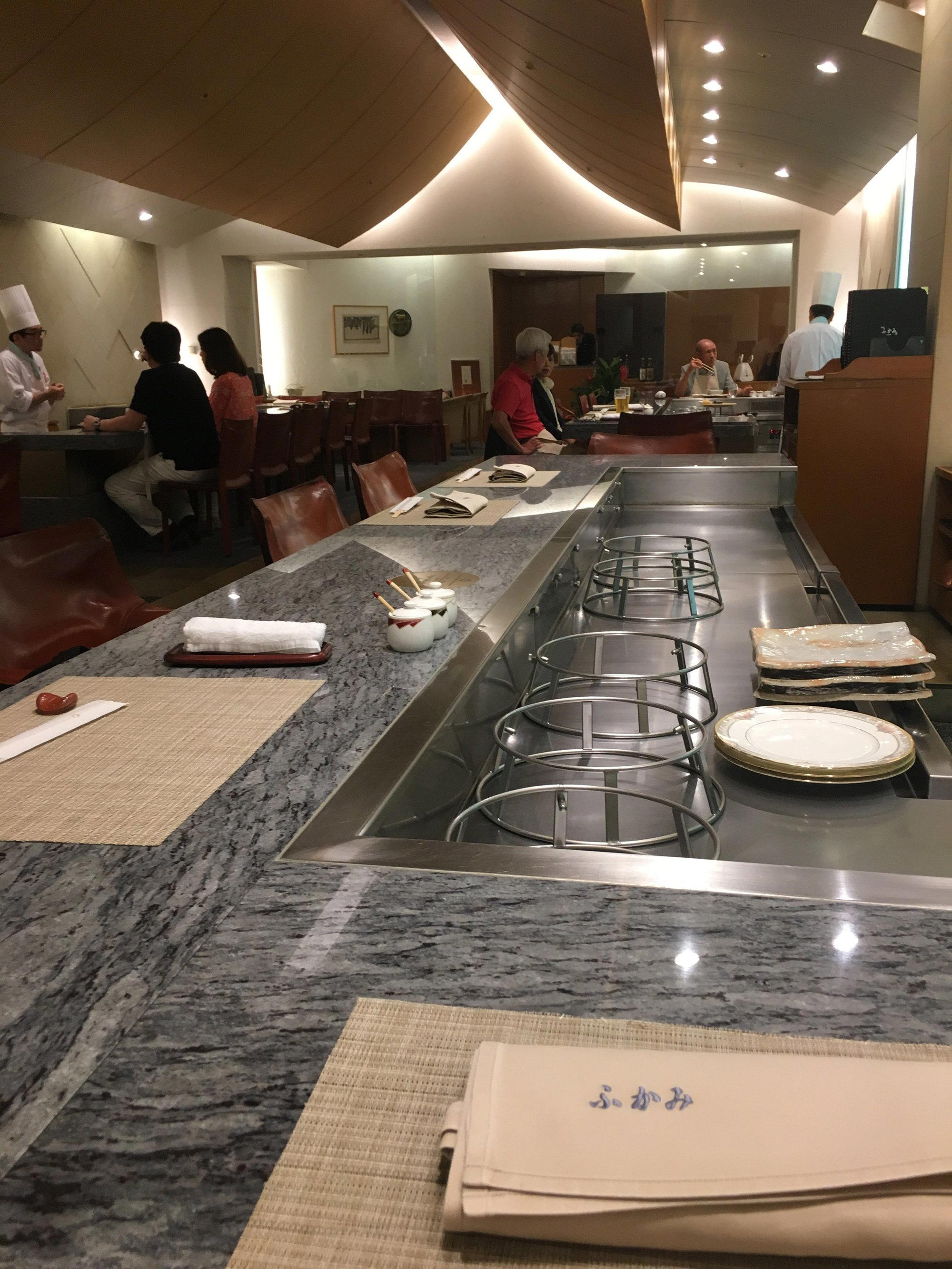
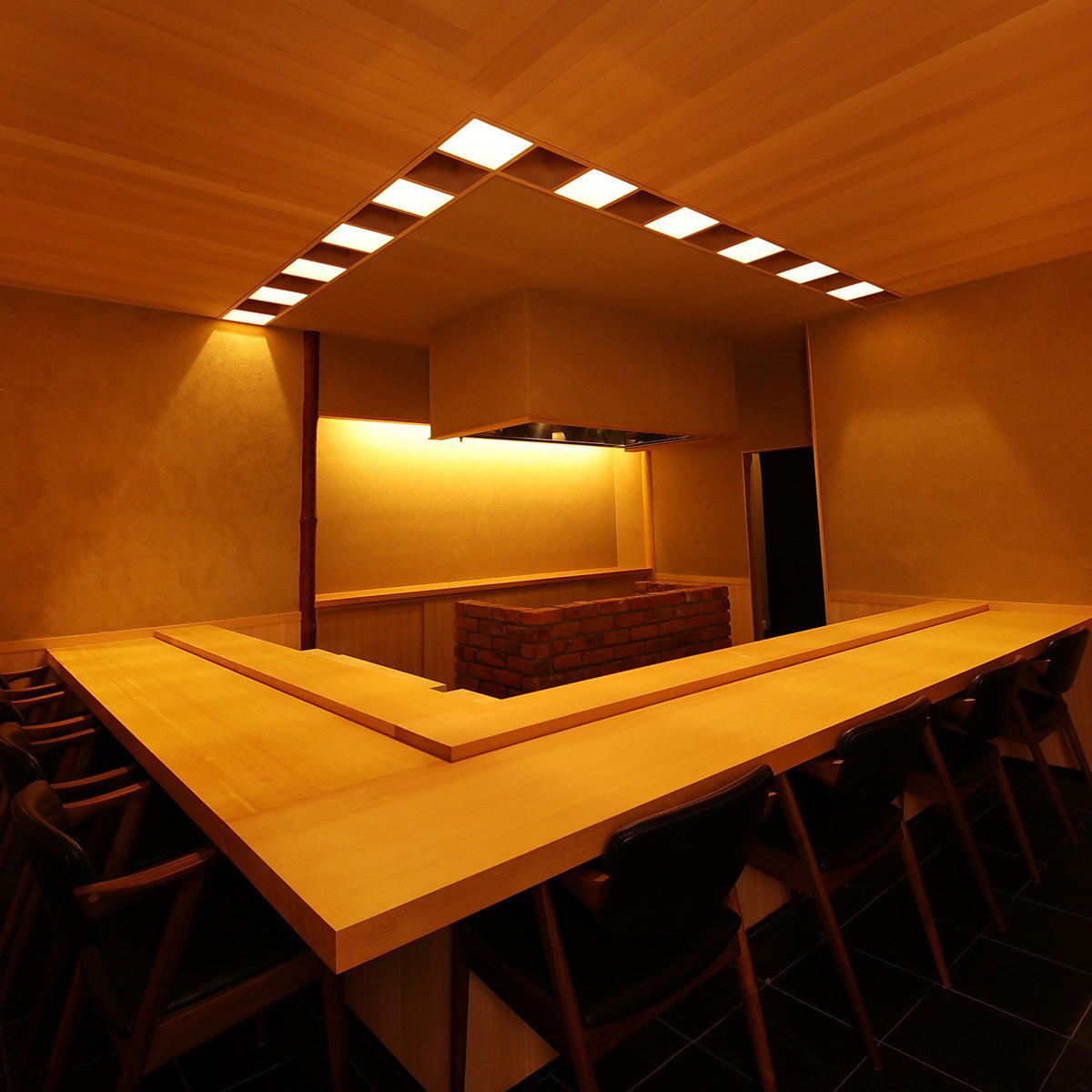
A traditional Japanese shabu-shabu house with a modest, cozy atmosphere that feels suited to relaxed dinners with friends or business, running only in the evening and emphasizing an unhurried, sit-down hotpot experience.