
Michelin Bib Gourmand
Our verdict
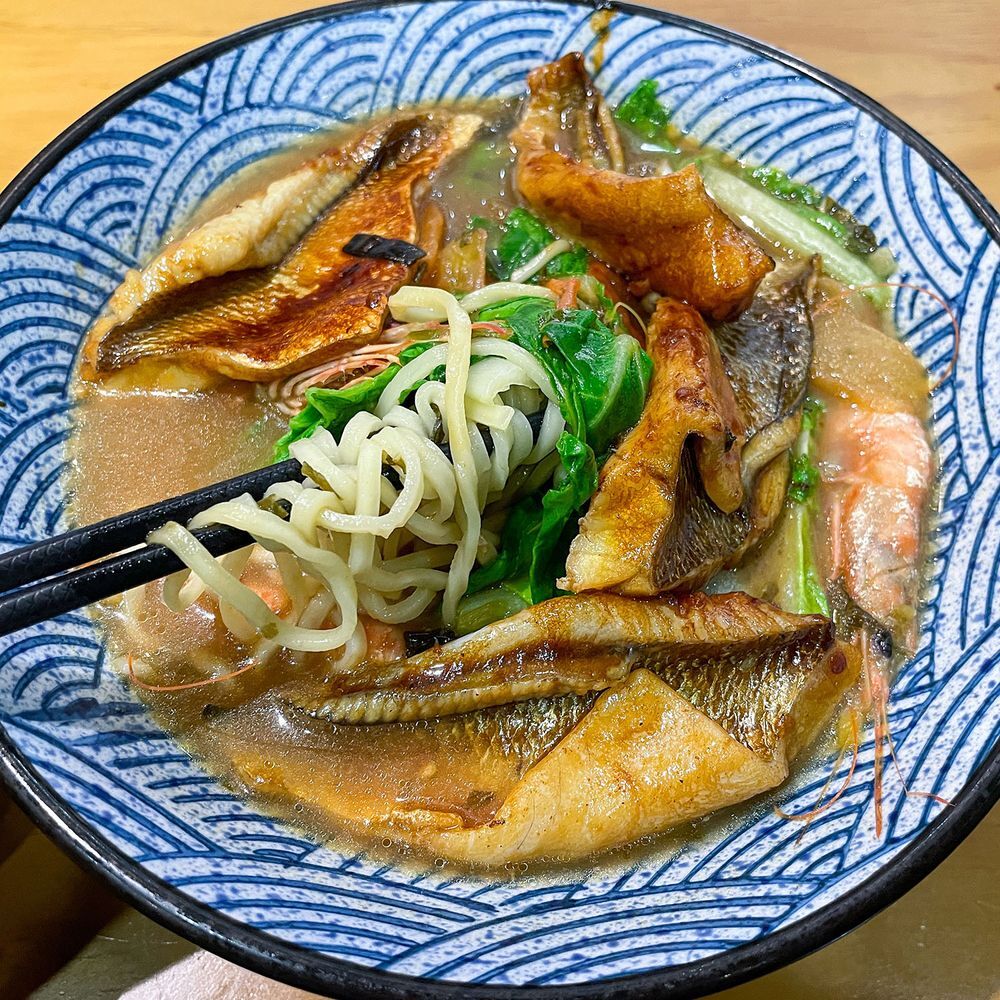
Yu Du Lao Wei Mian belongs to Huangpu’s more grounded dining register, away from Shanghai’s hotel dining rooms and imported tasting-menu formats. Its point of interest is place: Liyuan Road, an owner with Zhoushan roots, and a noodle-led idiom that reads differently from the city’s polished Cantonese, French, Italian, and steakhouse circuits.

Pearl is the En Primeur Club membership app, where members save venues, book tables and use the concierge.
The menu
What to order
- Yellow croaker noodles
- Braised belt fish noodles
- Freshwater eel noodles
Shanghai puts a diner in a different frame from the one suggested by riverfront towers and hotel lobbies. The pace around a local meal can feel more functional than ceremonial: everyday traffic, unshowy dining rooms, and the restaurant economy that gives the city much of its daily eating character. In that setting, Yu Du Lao Wei Mian is better understood as part of Shanghai’s everyday restaurant culture than as a destination built around spectacle.
Shanghai keeps the focus on the meal, not spectacle
Shanghai’s restaurant scene now splits sharply between high-design rooms and places whose authority comes from repetition. The first category includes polished formats such as Madam Goose, Coquille, Scarpetta, La Scene Ronde, and Lu Style (Huangpu), each speaking to a different version of the city’s appetite for dining out. The second category is less theatrical: addresses where a focused meal and a clear house rhythm carry the argument.
That distinction matters here. The venue’s clearest public credential is its Michelin Bib Gourmand recognition, rather than a star rating, tasting-menu structure, or named-chef narrative. In Shanghai, that places the restaurant inside a useful category for travellers: a place to read through value, consistency, and local appeal, not only through luxury signifiers or formal service language.
The result sits outside the city’s louder premium categories. A diner comparing it with other Shanghai dining rooms is comparing different dining languages, not just different price tiers. More formal rooms belong to a different Shanghai grammar. This address belongs to the city’s everyday meal culture, where the question is less about occasion and more about whether the restaurant has a point of view that can support repeat, practical eating.
Recognition gives the shop its signal
Restaurant identity is often softened in Shanghai dining, especially when venues chase a broad metropolitan audience. Here, the useful editorial hook is simpler: Yu Du Lao Wei Mian is a Michelin Bib Gourmand restaurant in Shanghai. That recognition suggests a place whose appeal is grounded in accessible dining rather than in the apparatus of a luxury concept.
That is the useful way to read Yu Du Lao Wei Mian: as evidence of Shanghai’s lower-profile food map. The city can support grand dining, business dining, tourist dining, and quick local meals within a short radius. This venue sits closer to the last category, and that makes the restaurant more revealing than its modest public footprint might suggest. Shanghai’s serious food culture is not only in reservation-led rooms; it is also in restaurants that become part of the city’s routine.
For broader planning, the address pairs more naturally with a Shanghai food walk than with a formal tasting-menu itinerary. Readers building a wider city plan can cross-reference Our full Shanghai restaurants guide, then look outward to Our full Shanghai hotels guide, Our full Shanghai bars guide, Our full Shanghai wineries guide, and Our full Shanghai experiences guide. For comparison across Chinese regional dining, keep the lens broad and look at unnamed dining rooms across other cities rather than forcing a one-to-one match. The same point holds internationally: direct formats can carry local identity with as much precision as larger dining rooms.
How to place it in a Shanghai itinerary
The practical value of this stop is its role in the day. It works as a focused meal in Shanghai rather than a centrepiece dinner, and that gives it a different role from the city’s more formal dining addresses. The editorial case is strongest for travellers who want everyday dining patterns alongside polished rooms. That contrast is the point: Shanghai’s food culture is not a single hierarchy, but a set of parallel systems, and Yu Du Lao Wei Mian belongs to the one that can be used without fanfare.
Frequently asked questions
Is Yu Du Lao Wei Mian Michelin-listed?
Yes. Yu Du Lao Wei Mian is listed by the Michelin Guide in Shanghai with a Bib Gourmand distinction.
Where exactly is Yu Du Lao Wei Mian?
Shanghai.
Do I need a reservation for Yu Du Lao Wei Mian?
Yu Du Lao Wei Mian reads like a Shanghai dining stop, so reservations may not be the main way people approach it. Timing your visit can matter more than planning a formal booking.
What has Yu Du Lao Wei Mian built its reputation on?
Its clearest public credential is Michelin Bib Gourmand recognition, which positions the Shanghai venue around accessible, value-conscious dining rather than a luxury-only profile. Check the venue's official channels for the latest details.
Is Yu Du Lao Wei Mian good for vegetarians?
Those details are not published. The useful anchor here is the shop’s Shanghai setting and Michelin Bib Gourmand recognition. Check the venue's official channels for the latest details.
A Tight Comparison
Side-by-side context: comparable cuisine and price.
| Venue | Cuisine | Price | Awards | Notes |
|---|---|---|---|---|
| Yu Du Lao Wei MianThis venue (the venue you are viewing) | Traditional Zhoushan-style seafood noodle shop | $10–20 | Michelin Bib Gourmand | Not listed |
| Madam Goose | Cantonese Roast Goose | $20–30 | Not listed | Chinese-Roast Goose |
| Coquille | Modern French Seafood Bistro | $100–150 | Michelin Plate · Black Pearl 1 Diamond | French |
| Scarpetta | Refined Italian Pasta & Pizza | $50–100 | Michelin Plate · Wine Spectator Best of Award of Excellence | Italian |
| La Scene Ronde | French-Japanese Fusion Omakase | $150–200 | Michelin Plate | Innovative |
| Lu Style (Huangpu) | Modern Shandong Seafood | $50–100 | 1 Michelin Star · Black Pearl 1 Diamond | Shandong |
Recognition history
Dated appearances from independent guides and award organizations, with the underlying list record or original source where available.
Michelin Bib Gourmand
Michelin
Continue exploring
More in Shanghai
Restaurants in Shanghai
All restaurants in Shanghai →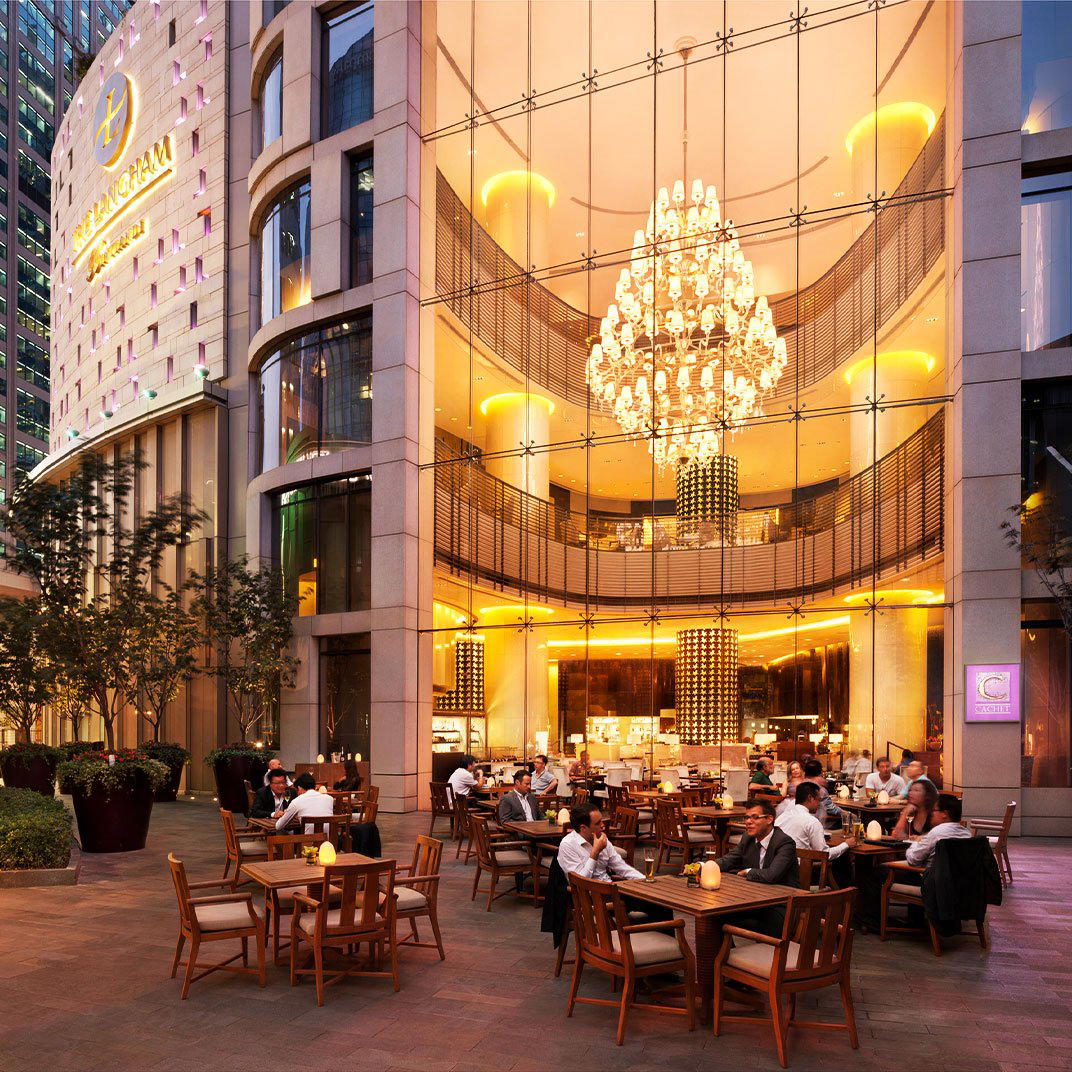
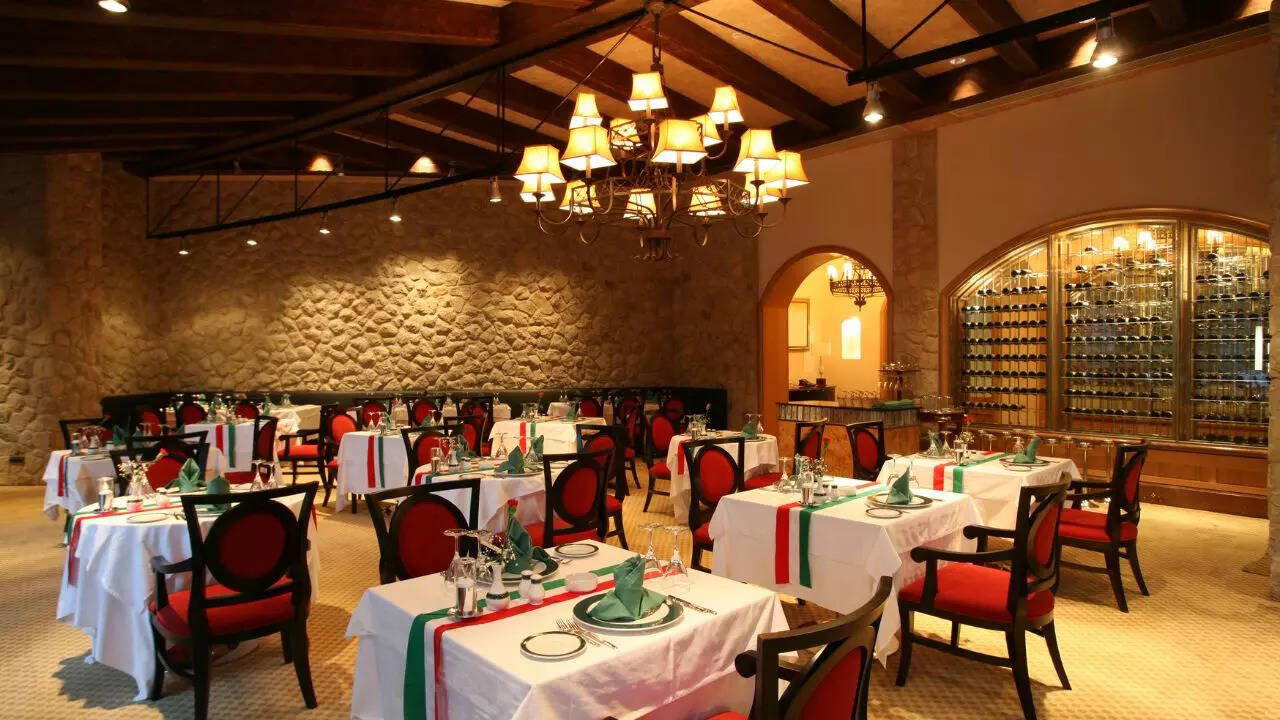
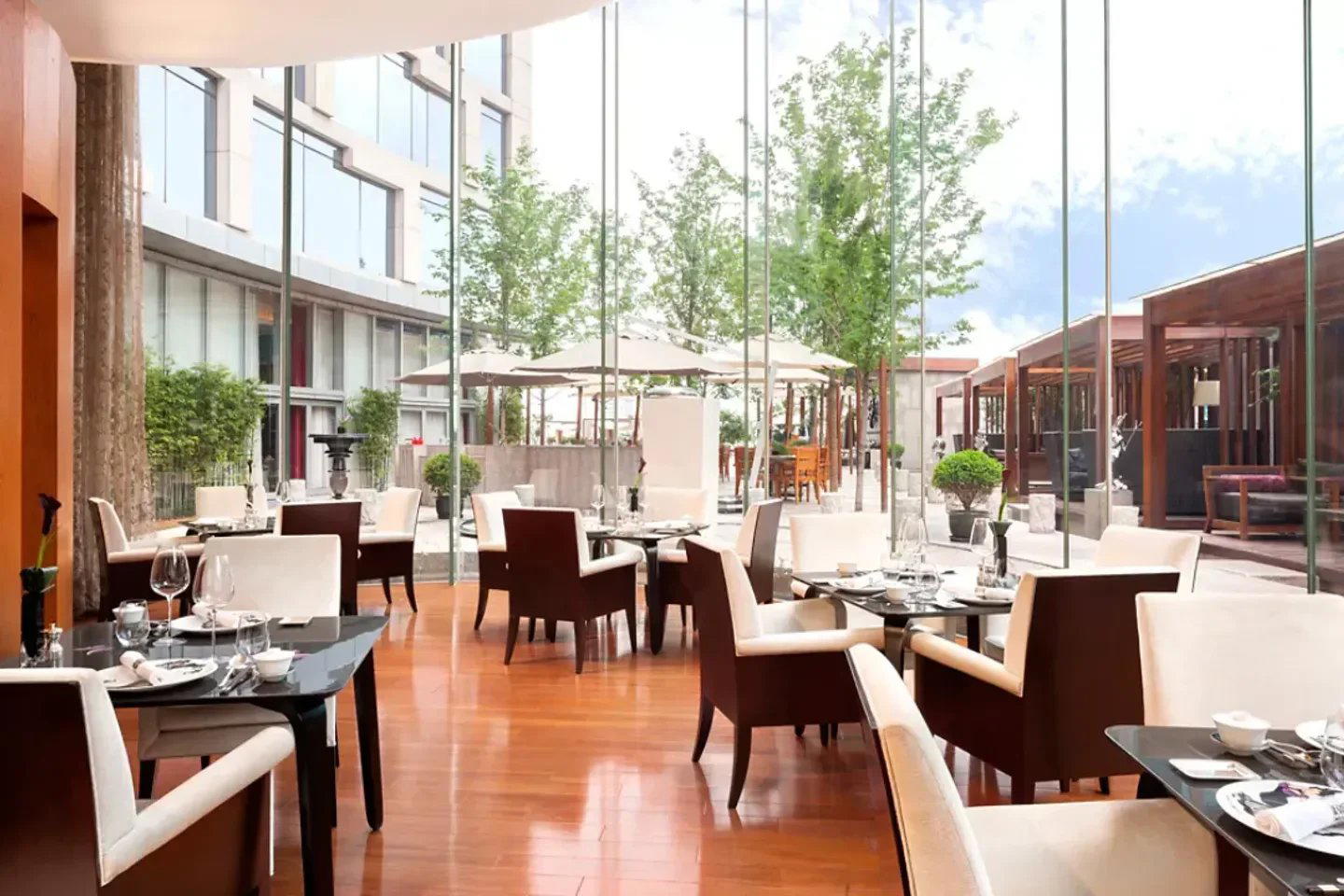
Bars in Shanghai
All bars in Shanghai →
Details
- Lively
- Cozy
- Classic
- Casual Hangout
- Solo
- Family
- Group Dining
- Late Night
- After Work
- Standalone
- Local Sourcing
- A La Carte
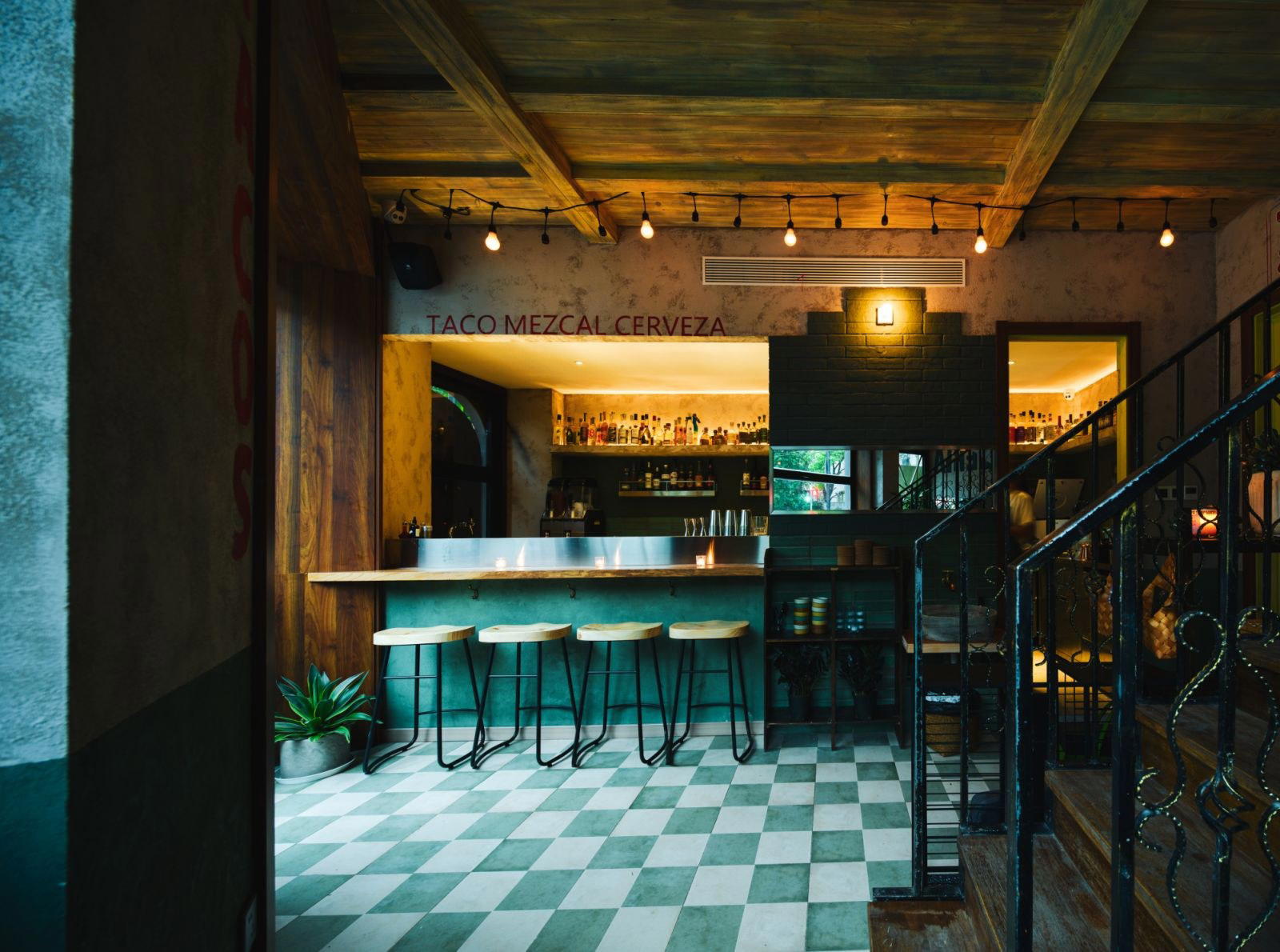
Simple, compact and functional noodle shop with bright lighting, fresh seafood displayed at the counter, and a busy, buzzy atmosphere typical of a popular local spot.