
Yoshoku Katsui puts yoshoku in a rural Nara frame rather than an urban department-store frame: Western-derived Japanese cooking, served from Tenri City Trail Center in Yanagimotocho. Its selection for Tabelog 100 Yoshoku WEST 2025 gives it a clear quality signal, while the lunch and dinner budgets keep it in a practical bracket for travelers moving through Tenri.
Pearl is the En Primeur Club membership app — saves, bookings, and concierge access live there. Same editors, same standards.
- Address
- 奈良県天理市柳本町577-1 天理市トレイルセンター
- Phone
- +81743673838
- Website
- katsui1999.com
 Saves & bookings on Pearl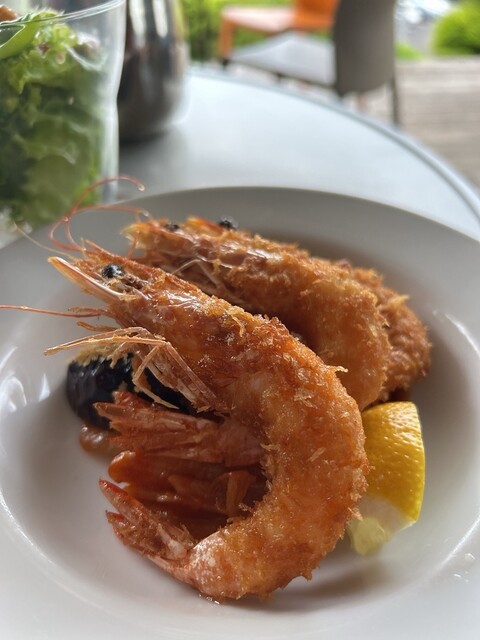
Approach this part of Tenri and the restaurant reads less like a city dining room than a pause point on the Yamato plain: trail-center setting, low-rise surroundings, and a pace that suits Nara’s temple-and-tumulus geography. That context matters for yoshoku. The genre began as Japan’s adaptation of Western cooking, but outside major cities it often becomes something more local: rice, sauces, cutlets, stews, grills, and set meals shaped by regional habits rather than hotel-dining formality.
Yoshoku Katsui belongs to that quieter side of the category. Its recognition in Tabelog 100 Yoshoku WEST 2025 places it among selected yoshoku addresses across western Japan, but the appeal here is not trophy dining. It is the way an old Japanese-Western format fits Tenri’s travel rhythm: substantial cooking, no grand tasting-menu theater, and a setting that makes sense before or after time in the Nara basin.
Yoshoku with a Nara sense of place
Yoshoku is often misunderstood by visitors who treat it as a nostalgic side category. In Japan, it is a full dining language: Western forms translated through Japanese kitchens, usually with a sharper relationship to rice, sauce, texture, and portion than to European orthodoxy. In Kansai, that can mean the genre sits close to everyday comfort cooking, yet the stronger rooms show real discipline in sourcing, frying, seasoning, and heat control.
The Tenri address gives the category a different reading from Osaka or Kyoto. Nara is agricultural as well as historical, and meals here often feel tied to roads, walks, shrines, and day travel rather than nightlife. The restaurant’s location at Tenri City Trail Center reinforces that relationship between food and landscape without turning the meal into a tourist performance. Parking is available, and Yanagimoto Station is the nearest rail point, which makes the restaurant workable for travelers who plan Tenri as part of a wider Nara day rather than a standalone dining sprint.
The ingredient angle is where yoshoku earns its seriousness. This cuisine depends on plain-seeming components that expose shortcuts quickly: vegetables need sweetness and structure, sauces need depth without heaviness, fried items need clean oil and timing, and rice has to carry the plate rather than sit as filler. When a yoshoku restaurant receives a Tabelog 100 selection, the signal is usually less about novelty than consistency across familiar forms. In that sense, Yoshoku Katsui is useful for travelers who want a meal that explains how Japanese Western-style cooking functions beyond the Tokyo department-store basement or retro kissaten image.
Why this matters in Tenri's dining mix
Tenri’s casual food conversation is often ramen-led, and the city has several noodle addresses that suit quick, focused meals. For a different read on the area, compare the category rather than the venue: ramen is speed and specialization; yoshoku is a broader plate culture, closer to a full pause in the day. Menya Ittoku, Men Shokudo 88, Menba Rikiou, and Ramen Senichi sit in that noodle lane; Yoshoku Katsui answers a different question, namely where to eat when the day calls for a composed meal rather than a bowl-and-go stop.
Its score of 3.62 on Tabelog and 2025 WEST selection give practical weight to that decision. Japan’s user-review culture can reward highly specialized counters and long-running neighborhood favorites differently, so a yoshoku selection in this category matters because it identifies consistency inside a cuisine built on familiar dishes. The restaurant opened in 2017, another useful signal: long enough to move beyond launch curiosity, recent enough to reflect the current interest in regional yoshoku outside the largest dining markets.
The format also matters for families and mixed groups. Yoshoku tends to be easier to share across ages than strict omakase, kaiseki, or counter-only ramen, because the category is built around recognizable plate structures. That does not make every meal casual in execution, but it does make the genre forgiving for travelers who need one table to satisfy different appetites. In Tenri, where sightseeing days can be long and transit can shape the meal schedule, that flexibility is part of the value.
How to place it in a Nara itinerary
The smart use of this restaurant is not as a detour for spectacle. It works as a grounded meal in a part of Nara where the cultural draw is spread across roads, trails, tombs, shrines, and small stations. Travelers building a Tenri day should think in terms of timing and geography: the rail approach via Yanagimoto suits walkers, while available parking makes it easier for those covering multiple stops across the basin.
Lunch and dinner budgets occupy different bands, which gives the restaurant two roles. Lunch can function as the practical anchor of a sightseeing day; dinner is the slower option for travelers staying in or near Tenri. Lunch course reservations are required, so the midday meal needs more planning than the category might suggest. Payment is also more flexible than at many small regional restaurants, with major credit cards and PayPay accepted, while electronic money is not accepted.
For broader planning, use Our full Tenri restaurants guide alongside Our full Tenri hotels guide, Our full Tenri bars guide, Our full Tenri wineries guide, and Our full Tenri experiences guide. For readers mapping Japanese dining across regions rather than by cuisine alone, related city pages include -Grilled beef Sukiyaki- KAMAKURA TANUKIAN 鎌倉 たぬき庵 in Kamakura. 鮪と炭火焼き うお炭 秋葉原店 in Tokyo.cafe in Osaka.know in Kumamoto, (Shoku) Vietnam in Kawasaki, [Curry Senmon Ten] Maruyama Kyoju. in Sapporo, [ki:] in Kyoto, Jōdo Saké Bar in Los Angeles, and Onigiri Time in Pasadena.
Comparison Snapshot
Comparable venues by cuisine and price in the same metro.
| Venue | Cuisine | Price | Notes |
|---|---|---|---|
| Yoshoku KatsuiThis venue — the venue you are viewing | Yoshoku (Japanese-style Western) comfort food | $$ | Not listed |
| Menya Ittoku | Classic Japanese Ramen Shop | $ | .null |
| Ramen Senichi | Modern ramen & abura-soba shop | $ | Tenri |
| Menba Rikiou | Ramen shop | $ | Not listed |
| Men Shokudo 88 | Japanese Ramen / Tsukemen | $ | Kawanishi-cho / Yuzaki |
| 楽々 | Handmade Udon Specialist | $$ | 幾野 |
Recognition history
Dated appearances from independent guides and award organizations, with the underlying list record or original source where available.
Tabelog 100 #57 · No. 57
Tabelog · Tabelog 100 - Yoshoku - WEST - 2025
Continue exploring
More in Tenri
Restaurants in Tenri
Browse all →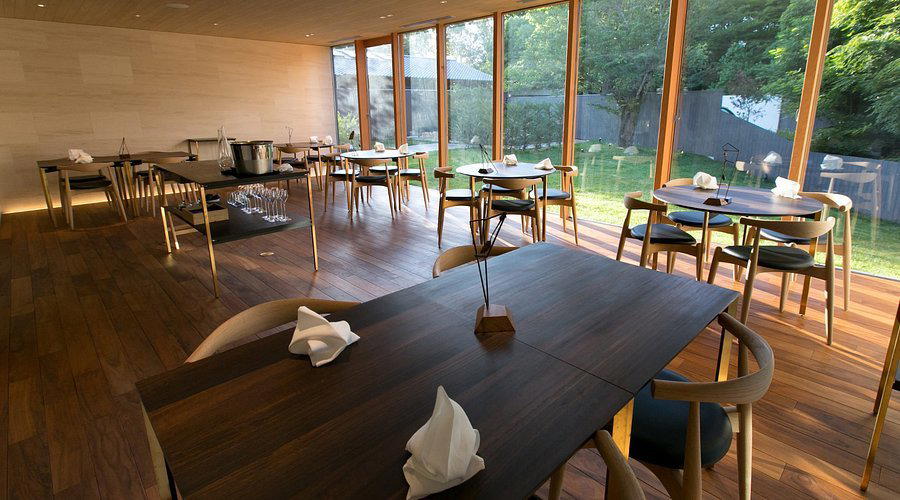




Bars in Tenri
Browse all →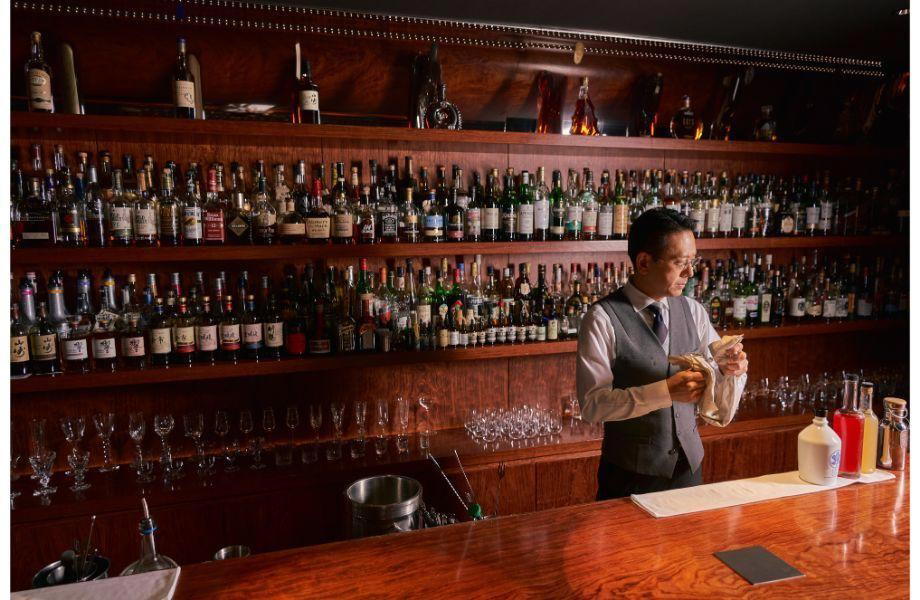
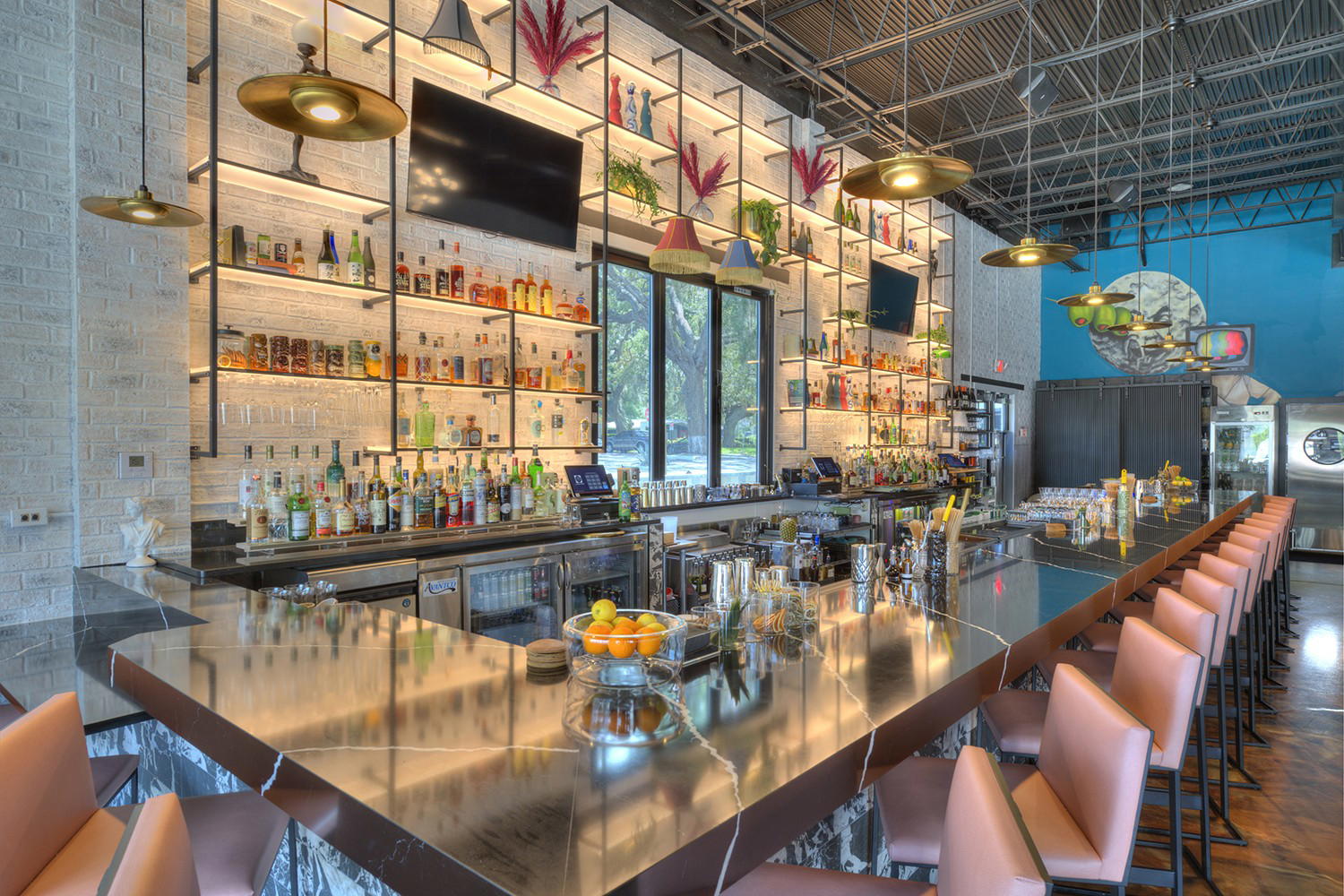
Hotels in Tenri
Browse all →



Wineries in Tenri
Browse all →
At a Glance
- Scenic
- Classic
- Cozy
- Family
- Casual Hangout
- Group Dining
- Solo
- Standalone
- Historic Building
- Sake Program
- Garden
Relaxed, homey yoshoku restaurant atmosphere inside a modern trail-center building, offering comforting Western-style Japanese dishes in a calm, scenic countryside setting popular with walkers and families.