
Menya Ittoku puts Tenri into the Kansai ramen conversation through a compact counter format, low pricing, and repeat selection for Tabelog Ramen WEST 100 in 2017, 2018, 2023, 2024, and 2025. The draw is not luxury theatre; it is the disciplined small-shop ramen culture that rewards sourcing, broth control, and fast turnover.
Pearl is the En Primeur Club membership app — saves, bookings, and concierge access live there. Same editors, same standards.
- Address
- 372-2 Kawaharajocho, Tenri, Nara 632-0016, Japan
- Phone
- +81 743-62-2888
- Website
- instagram.com
- Directions
- Get directions
 Saves & bookings on Pearl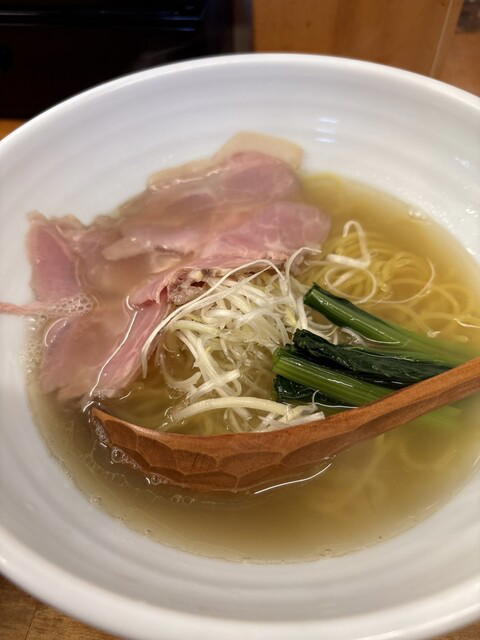
Tenri’s ramen rooms tend to announce themselves without ceremony: a short frontage, counter seats, steam in the doorway, and a rhythm set by bowls rather than by service choreography. Menya Ittoku belongs to that compact Kansai tradition, where the kitchen is close enough for diners to read the pace of production and where the meal is judged on broth structure, noodle handling, and how cleanly the bowl lands.
That matters in Nara Prefecture, where ramen is not a single house style but a field of small operators competing on base ingredients and consistency. In this tier, sourcing is less about luxury labels than repeatable fundamentals: stock components, tare balance, noodle texture, and toppings that do not drown the bowl. The price band keeps the format democratic, but the margin for error is narrow. A low-cost ramen shop has to make its case quickly.
A seven-seat counter in Tenri's serious ramen circuit
The shop’s recognition gives the counter a clearer position in western Japan’s ramen hierarchy. Menya Ittoku was selected for Tabelog Ramen WEST 100 in 2017, 2018, 2023, 2024, and 2025, with a Tabelog score of 3.65 attached to the 2025 listing. Those are useful signals because ramen in Kansai is crowded with specialists whose reputations are built through repeat local use, not tasting-menu spectacle.
The room is built for concentration rather than lingering. Seven counter seats put the cooking line and the dining line in the same visual field, a format that suits ramen because timing is part of the craft. Noodles do not wait gracefully; broth temperature, noodle firmness, and assembly speed all matter. Counter-only shops make that transaction visible, and they also explain why solo dining is such a natural fit for the category.
Within Tenri, the comparison is not between ramen and fine dining; it is between different forms of everyday precision. Men Shokudo 88, Menba Rikiou, and Ramen Senichi help map that local noodle circuit, while Yoshoku Katsui points toward the city’s broader casual dining habits. The useful question is not which name wins a tourist checklist, but which format fits the meal being planned: a quick counter bowl, a slightly broader noodle stop, or a western-Japanese comfort-food detour.
Ingredient discipline over luxury signalling
Ramen sourcing is often misunderstood by travellers because the finished bowl looks simple. The real decisions sit underneath: how the soup base is built, how tare defines salinity and depth, how noodles hold against heat, and how toppings are portioned so the bowl stays coherent. In a small counter shop, those choices are exposed by repetition. There is nowhere for heavy plating, room design, or beverage theatre to cover a weak broth.
Menya Ittoku’s value is tied to that discipline. The listed budget sits at JPY 999, which places it firmly in the everyday ramen bracket, yet its repeated Tabelog Ramen WEST 100 selections put it in a more scrutinised competitive group than the price suggests. That tension is central to Japanese ramen culture: serious craft can remain inexpensive, but only when the operation is tight and the menu does not try to behave like a multi-course restaurant.
For travellers building a Tenri day around food rather than temples alone, this is the kind of address that changes the rhythm of the itinerary. It works less as a long lunch and more as a focused stop, especially when paired with a wider read of the city through our full Tenri restaurants guide. Visitors staying locally can cross-check the dining plan with our full Tenri hotels guide, while evening planning sits better in our full Tenri bars guide. The broader regional lens also includes our full Tenri wineries guide and our full Tenri experiences guide, useful for understanding how compact food stops fit around cultural time in Nara.
How to read the counter before choosing the detour
The critical read is simple: this is a specialist ramen stop for diners who care about the bowl more than the extras around it. Reservations are unavailable, private rooms are unavailable, and the format is counter seating. That makes the experience closer to a craft station than a social dining room. Families can make it work, but the room’s scale rewards parties that can move with the pace of service.
Cash planning matters because credit cards, electronic money, and QR code payments are not accepted. The shop is non-smoking, opened in 2009, and has maintained enough consistency to return repeatedly to a major western Japan ramen selection across multiple years. Those details point to a mature local operation rather than a newly fashionable stop.
Readers comparing Japanese casual formats beyond Tenri can widen the frame through -Grilled beef Sukiyaki- KAMAKURA TANUKIAN 鎌倉 たぬき庵 in Kamakura. 鮪と炭火焼き うお炭 秋葉原店 in Tokyo.cafe in Osaka.know in Kumamoto, (Shoku) Vietnam in Kawasaki, [Curry Senmon Ten] Maruyama Kyoju. in Sapporo, and [ki:] in Kyoto. For a North American counterpoint to Japanese drinking and rice-based casual formats, Jōdo Saké Bar in Los Angeles and Onigiri Time in Pasadena show how Japanese food grammar travels when the format changes.
The verdict is practical rather than romantic: the restaurant is for diners who want Tenri’s ramen scene at close range, with the discipline of a small counter and the credibility of repeated Tabelog Ramen WEST 100 selection. It is not a place to stretch an afternoon. It is a place to read how much control can sit inside a modest bowl.
In Context: Similar Options
Comparable venues by cuisine and price in the same metro.
| Venue | Cuisine | Price | Notes |
|---|---|---|---|
| Menya Ittoku | Classic Japanese Ramen Shop | $ | .null |
| Menba Rikiou | Ramen shop | $ | Not listed |
| Men Shokudo 88 | Japanese Ramen / Tsukemen | $ | Kawanishi-cho / Yuzaki |
| Yoshoku Katsui | Yoshoku (Japanese-style Western) comfort food | $$ | Yamanobe-no-michi / Tenri City Trail Center |
| Ramen Senichi | Modern ramen & abura-soba shop | $ | Tenri |
| Tanikawa Beikokuten | Sanuki Udon | $ | Manno-cho, Nakatado-gun |
Recognition history
Dated appearances from independent guides and award organizations, with the underlying list record or original source where available.
Tabelog 100 #63 · No. 63
Tabelog · Tabelog 100 - Ramen - WEST - 2025
Continue exploring
More in Tenri
Restaurants in Tenri
Browse all →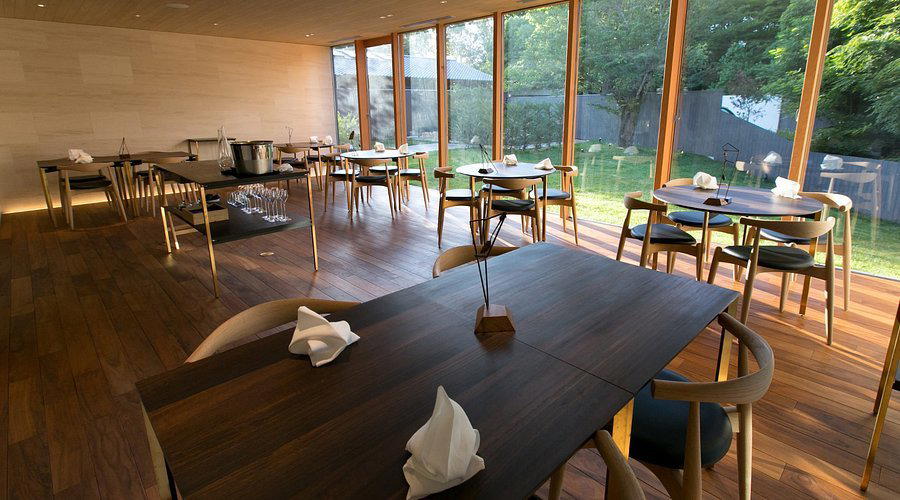




Bars in Tenri
Browse all →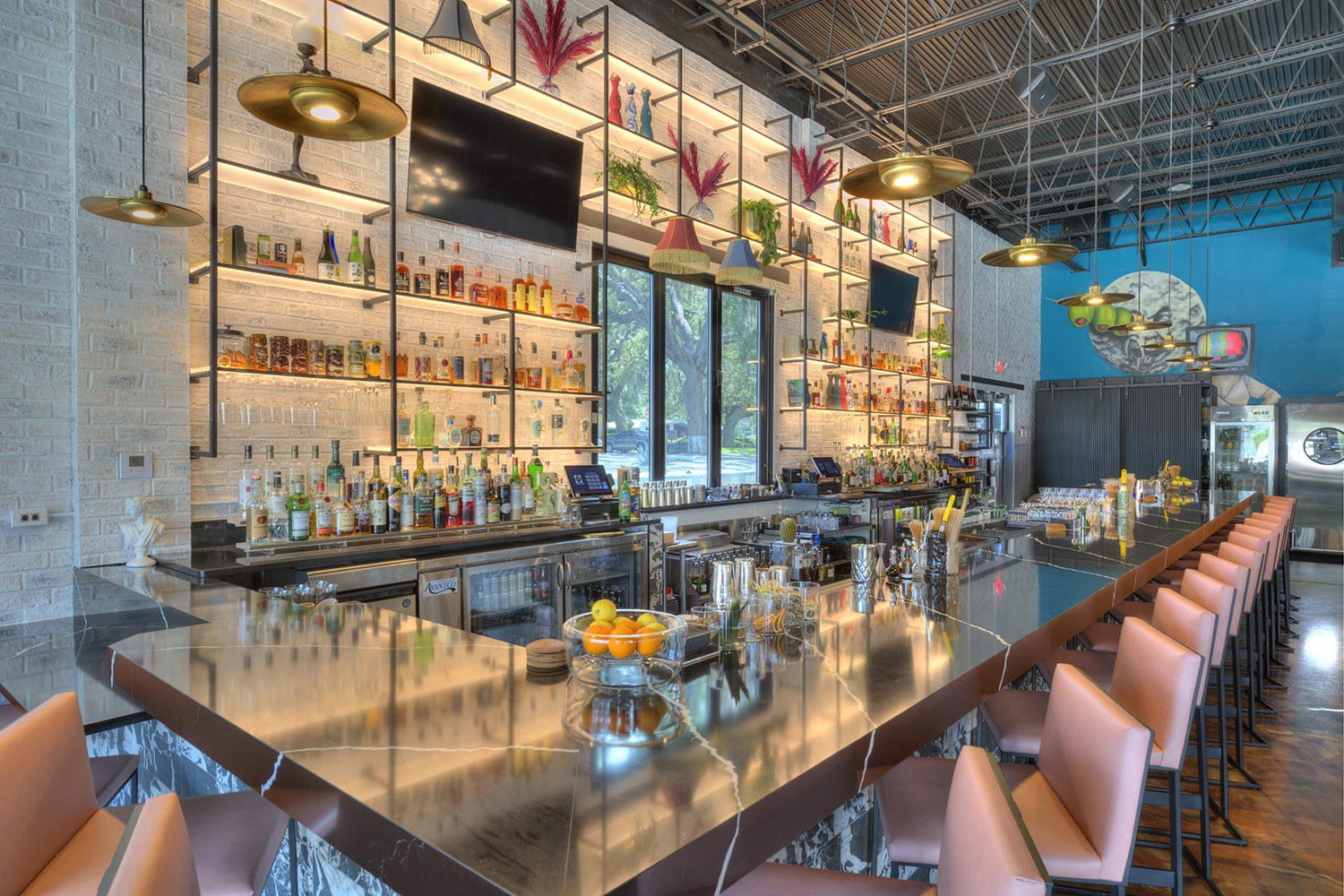

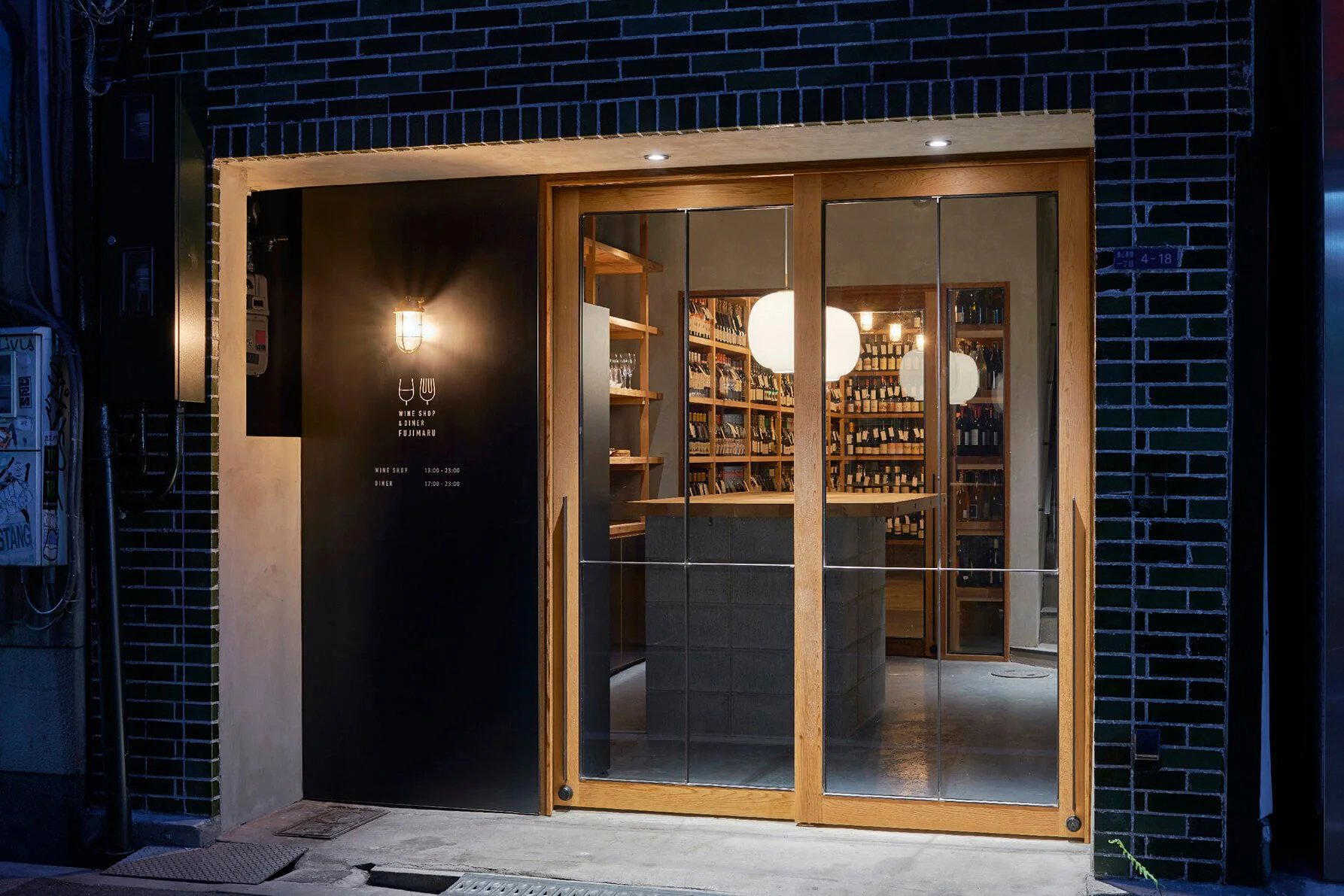

Hotels in Tenri
Browse all →




Wineries in Tenri
Browse all →
At a Glance
- Cozy
- Classic
- Solo
- Casual Hangout
- Family
- Standalone
Current opening hours
- Monday
- Closed
- Tuesday
- Closed
- Wednesday
- 11 AM–2 PM
- Thursday
- 11 AM–2 PM
- Friday
- 11 AM–2 PM, 6–8 PM
- Saturday
- 11 AM–2 PM, 6–9 PM
- Sunday
- 11 AM–2 PM, 6–9 PM
Hours can change for holidays and private events. Last verified .
A small, non-smoking counter-only shop with warm, traditional Japanese touches and a relaxed, cozy feel typical of classic neighborhood ramen-ya.