Nanahoshi
Jugemu occupies a quiet address on Winnett Street in Soho, sitting within a London neighbourhood that has accumulated Japanese dining options at every price tier over the past two decades. The restaurant represents the more intimate, specialist end of that spectrum, where format discipline and culinary focus matter more than scale or visibility.
Pearl is the En Primeur Club membership app — saves, bookings, and concierge access live there. Same editors, same standards.
- Address
- 3 Winnett St, London W1D 6JY, United Kingdom
- Phone
- +44 20 7734 0518
- Website
- instagram.com
- Directions
- Get directions
 Saves & bookings on Pearl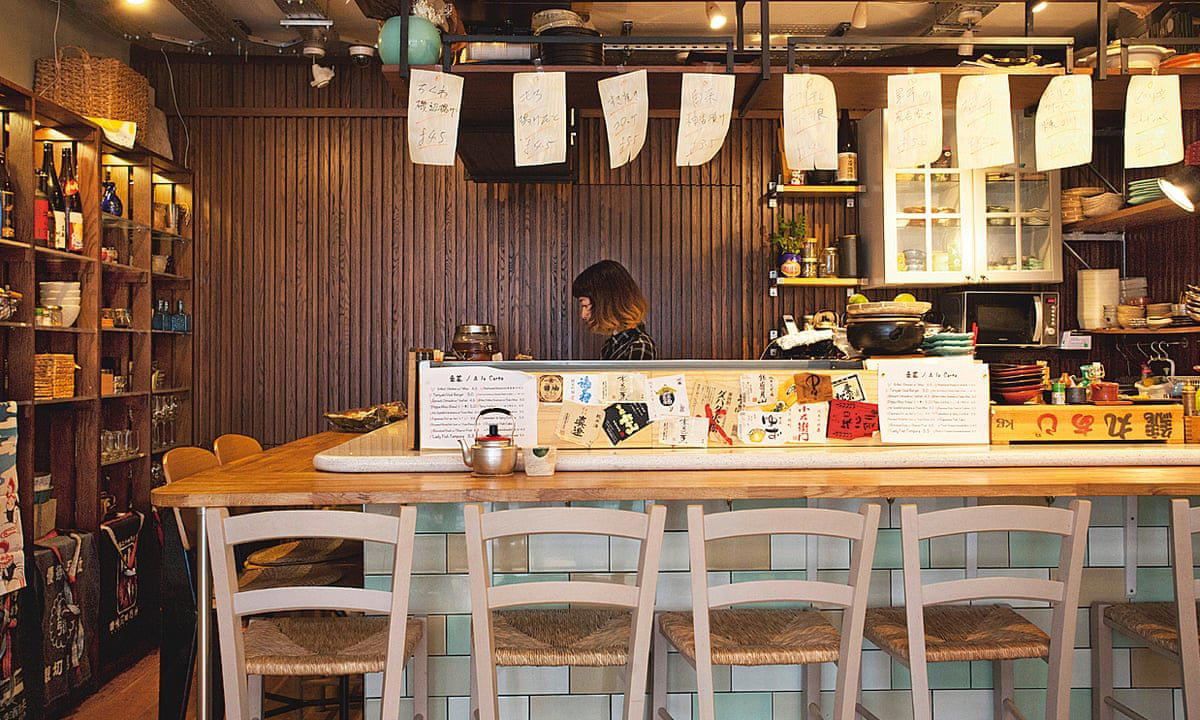
Japanese Dining in Soho: A Scene Built Over Decades
Soho's relationship with Japanese cuisine predates the city's broader enthusiasm for the format by some margin. While the rest of London was catching up to omakase culture and izakaya informality in the 2010s, the streets between Shaftesbury Avenue and Brewer Street had already accumulated a layered ecosystem of Japanese restaurants, noodle counters, and specialist sake bars. Winnett Street, where Jugemu sits, feeds off that longer accumulation. In a neighbourhood where Japanese restaurants compete across multiple price tiers and formats, the ones that hold are the ones with a defined point of view.
London's Japanese dining scene has matured significantly. At the formal end, multi-course kaiseki and high-commitment omakase counters price themselves against the city's three-star French and Modern British rooms, venues like CORE by Clare Smyth, Restaurant Gordon Ramsay, Sketch, The Lecture Room and Library, and The Ledbury, all carrying Michelin recognition at the ££££ bracket. Jugemu operates at a different register, one where the emphasis falls on accessibility and craft rather than ceremony and occasion spend.
The Cultural Architecture of an Izakaya in Central London
Understanding Jugemu requires understanding what an izakaya actually is in its Japanese context. The format is not a restaurant in the European sense. It is, more precisely, a drinking establishment where food arrives in a sequence determined by appetite and conversation rather than a fixed progression. In Japan, izakaya culture functions as the social fabric of working life after hours: sharing plates of grilled skewers, pickled vegetables, tofu, and seafood alongside sake, shochu, or beer, with the table as a communal space rather than a private dining room.
Translating that format to central London involves inevitable adaptation. The izakaya in Japan benefits from a density of options, a pedestrian culture, and train-connected late nights. In Soho, the format sits inside a neighbourhood that does understand late eating and pub-to-dinner sequencing, which gives London's better izakaya operators a more sympathetic audience than they might find elsewhere in the UK. The cultural fit is imperfect but closer than in most other British cities.
The significance of that cultural framing matters when assessing what Jugemu is trying to do. Izakaya menus in London that hold to the original spirit, small plates, grilled proteins, seasonal vegetables, modest pricing, sake-forward drinks lists, operate as counterpoints to the tasting-menu-dominated Japanese fine dining tier. Where Dinner by Heston Blumenthal or the city's Michelin-decorated rooms ask for a structured evening commitment, the izakaya format asks only for hunger and company.
Soho as a Context for This Kind of Restaurant
The address on Winnett Street places Jugemu in a pocket of Soho that has historically absorbed specialist, lower-profile dining rather than destination restaurants. The larger footfall venues cluster on Old Compton Street, Frith Street, and around Wardour Street. Winnett Street and the immediate streets around it tend to collect the kind of restaurant that relies on word of mouth and repeat custom rather than passing trade. That geography is relevant because it shapes expectations on arrival and on booking. Diners who find this kind of address are generally self-selecting for something more considered than a casual walk-in.
For the broader London dining context, the EP Club covers everything from the destination fine dining tier to neighbourhood specialists. The full London restaurants guide maps the city's range across cuisines and price points, while the London hotels guide, London bars guide, London experiences guide, and London wineries guide cover the full width of the city's hospitality offer. For those looking beyond London, the EP Club also features The Fat Duck in Bray, L'Enclume in Cartmel, Moor Hall in Aughton, Gidleigh Park in Chagford, Hand and Flowers in Marlow, and hide and fox in Saltwood among the UK's destination dining options at various price brackets.
Internationally, the izakaya format as a dining category has received increasing critical attention. Venues like Atomix in New York City represent the fine-dining Korean interpretation of a comparable sharing-plate and sequence-driven format, while Le Bernardin in New York City illustrates how a cuisine rooted in a specific cultural tradition, in that case classical French seafood, can anchor a long-term critical reputation in a non-native city. The comparison is instructive: cultural authenticity and consistent execution tend to matter more than novelty in the long run.
What the Seasonal Timing Means for a Visit
For izakaya-style restaurants operating in London, the seasons matter in ways that casual diners sometimes underestimate. Japanese cooking, even at the accessible end, follows a produce calendar that differs from the European one. Autumn brings mushroom preparations, chestnuts, and heavier grilled dishes. Spring shifts toward lighter vegetable plates and freshness-forward fish. These seasonal pivots are not incidental to the experience; they are close to its centre. Visiting in late autumn or early winter, when the menu is likely to reflect the richer, more substantive end of the Japanese produce range, tends to produce one satisfying version of an izakaya meal.
Planning Your Visit
Address: 3 Winnett St, London W1D 6JY. Getting There: Piccadilly Circus is the nearest Underground station, approximately a two-minute walk. Dress: No dress code information is available, though Soho's Japanese dining tier is generally casual-smart. Timing: Evenings, particularly mid-week, tend to suit the izakaya format; the slower pace allows for the unhurried, drink-alongside-food sequencing the cuisine format is designed around.
Peers You’d Cross-Shop
Comparable venues nearby, for context on price, style, and recognition.
| Venue | Cuisine | Price | Notes |
|---|---|---|---|
| NanahoshiThis venue — the venue you are viewing | Authentic Japanese Izakaya & Sushi | $$$ | Not listed |
| Tonkotsu | Japanese Ramen Noodle Bar | $$ | Soho |
| Shack-Fuyu | Yōshoku Japanese Izakaya | $$ | Soho |
| Aki London | Modern Kyoto-Inspired Japanese | $$$$ | Marylebone |
| Tokii | Modern Japanese Omakase | $$$$ | Marylebone |
| wagamama camden | Japanese Ramen & Noodles | $$ | Chalk Farm |



At a Glance
- Cozy
- Intimate
- Date Night
- Solo
- Business Dinner
- Open Kitchen
- Chefs Counter
- Sake Program
Current opening hours
- Monday
- 6–11 PM
- Tuesday
- 6–11 PM
- Wednesday
- 6–11 PM
- Thursday
- 6–11:30 PM
- Friday
- 6–11:30 PM
- Saturday
- 6–11:30 PM
- Sunday
- Closed
Hours can change for holidays and private events. Last verified .
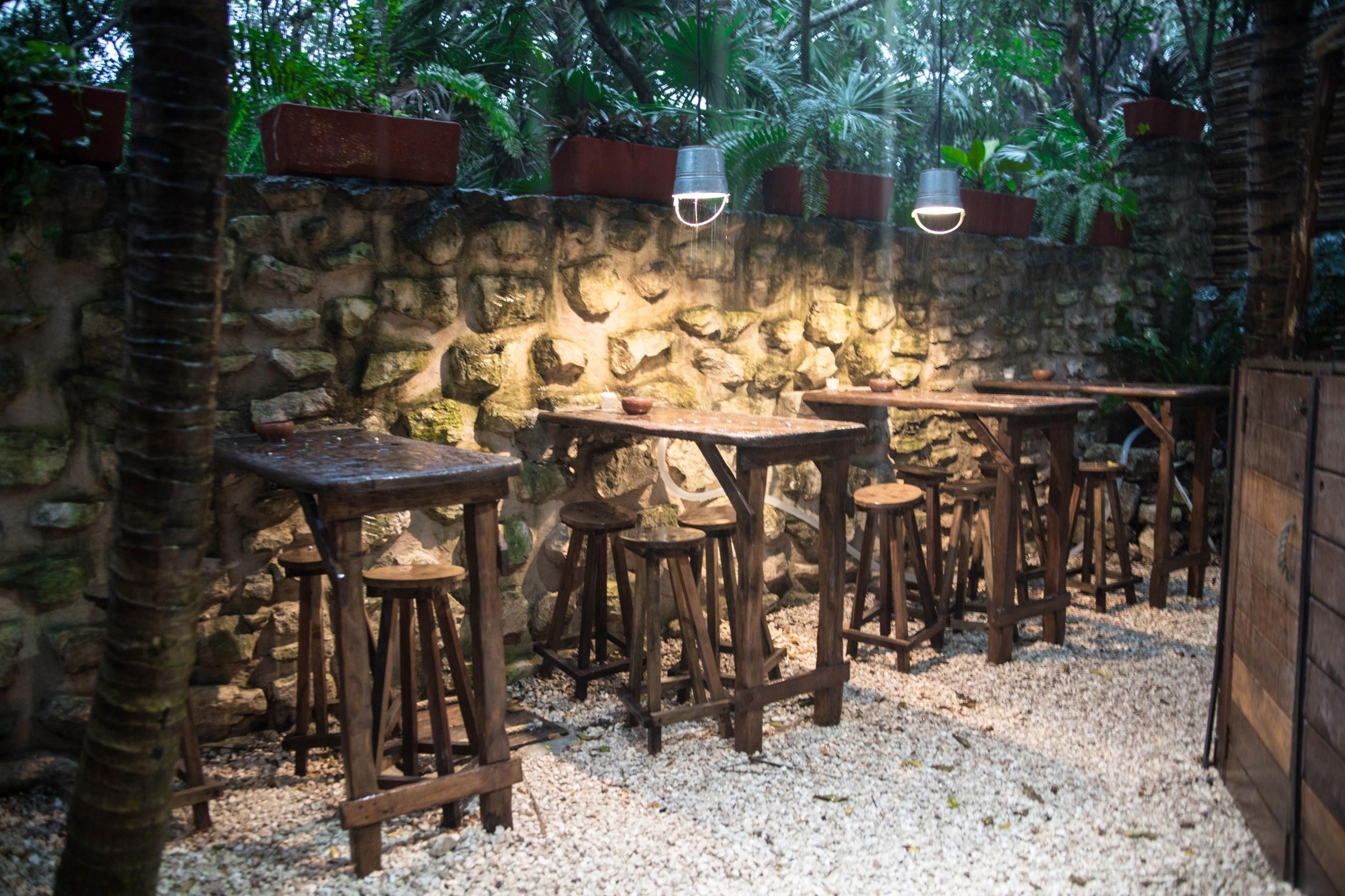
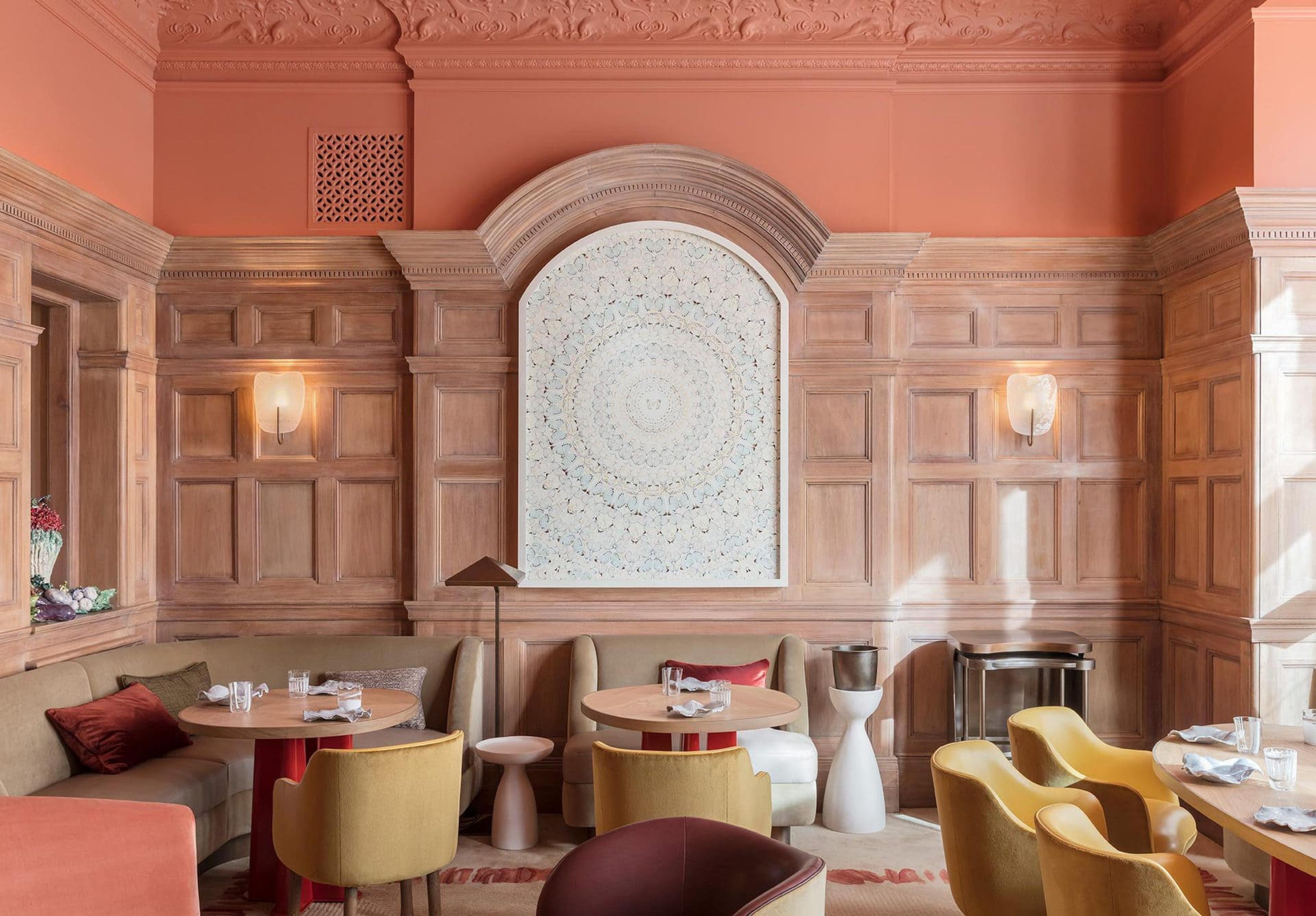
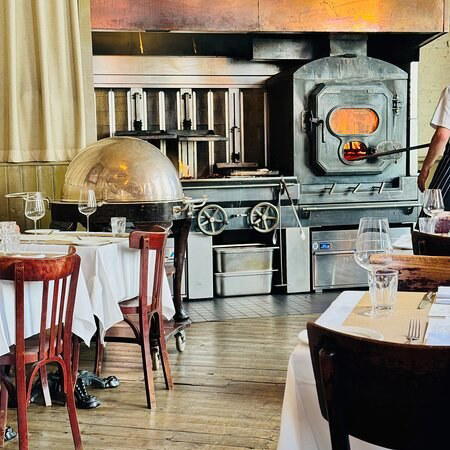
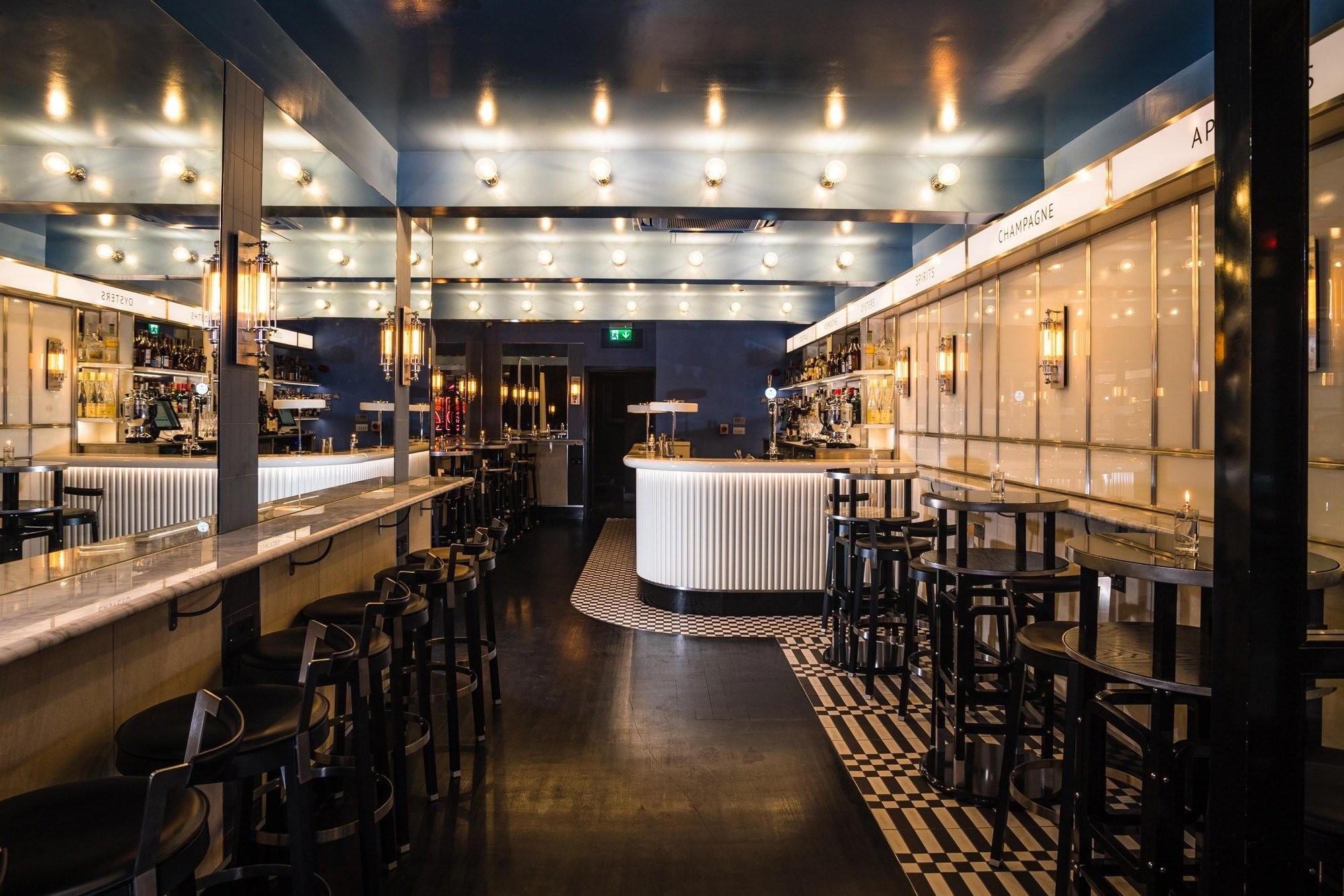
Cozy and intimate with an open kitchen where diners watch the chef work in a cramped space, creating a communal and authentic Japanese atmosphere.