Yong Fu Hong Kong brings Ningbo cooking to Wan Chai's Lockhart Road, splitting the menu between regional classics and contemporary dishes built from ingredients sourced across China. Live seafood arrives daily from Zhejiang Province, and the dining room occupies two floors of the Golden Star Building. Ranked fifth among Asia's top restaurants by Opinionated About Dining in 2025.
Pearl is the En Primeur Club membership app — saves, bookings, and concierge access live there. Same editors, same standards.
- Address
- Shop 2, G/F and 1/F, Golden Star Building, 20-24 Lockhart Road, Wan Chai, Hong Kong
- Phone
- +852 2881 7899
- Website
- yongfuhk.com
 Saves & bookings on Pearl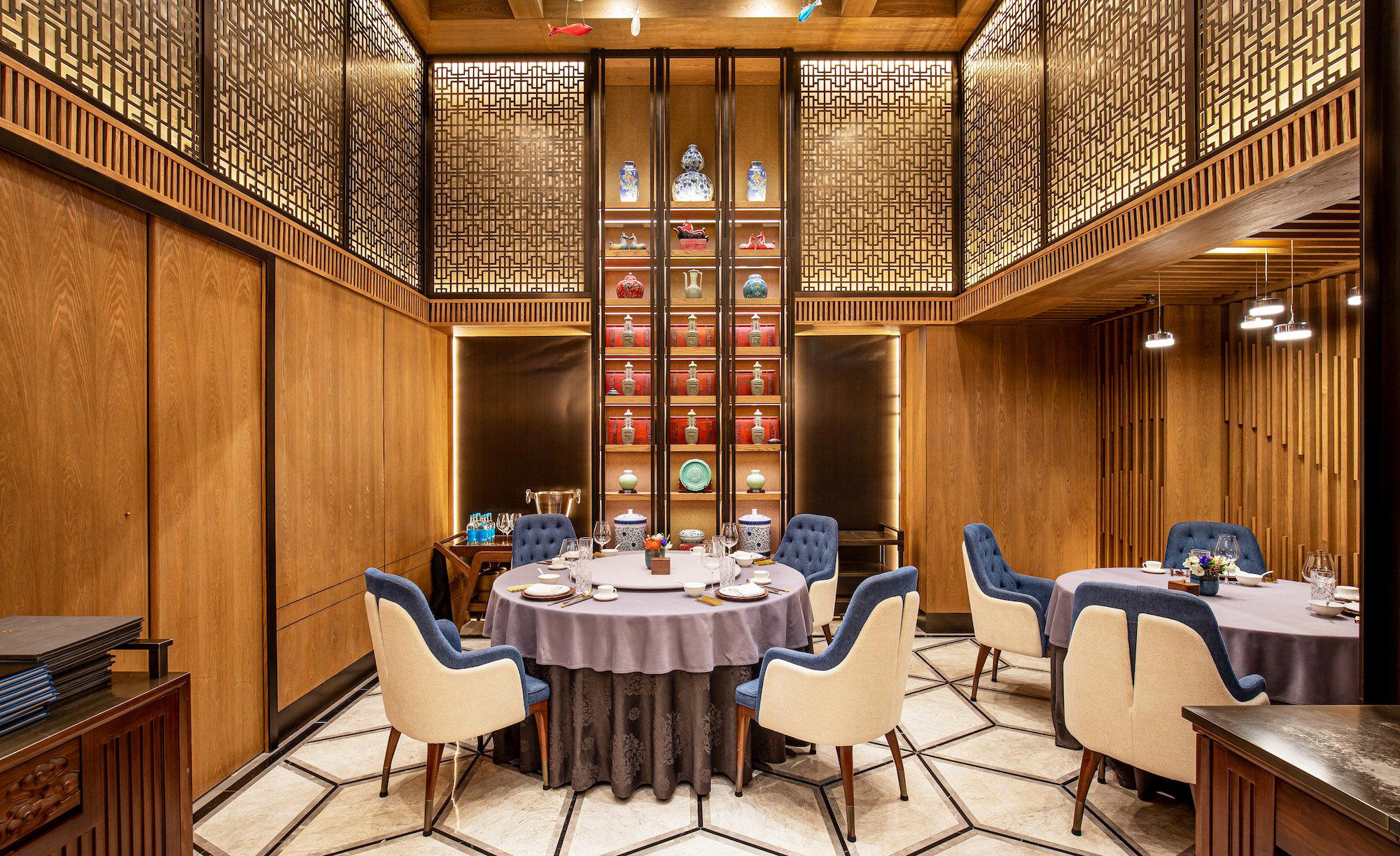
Marble, River Views, and the Zhejiang Pantry
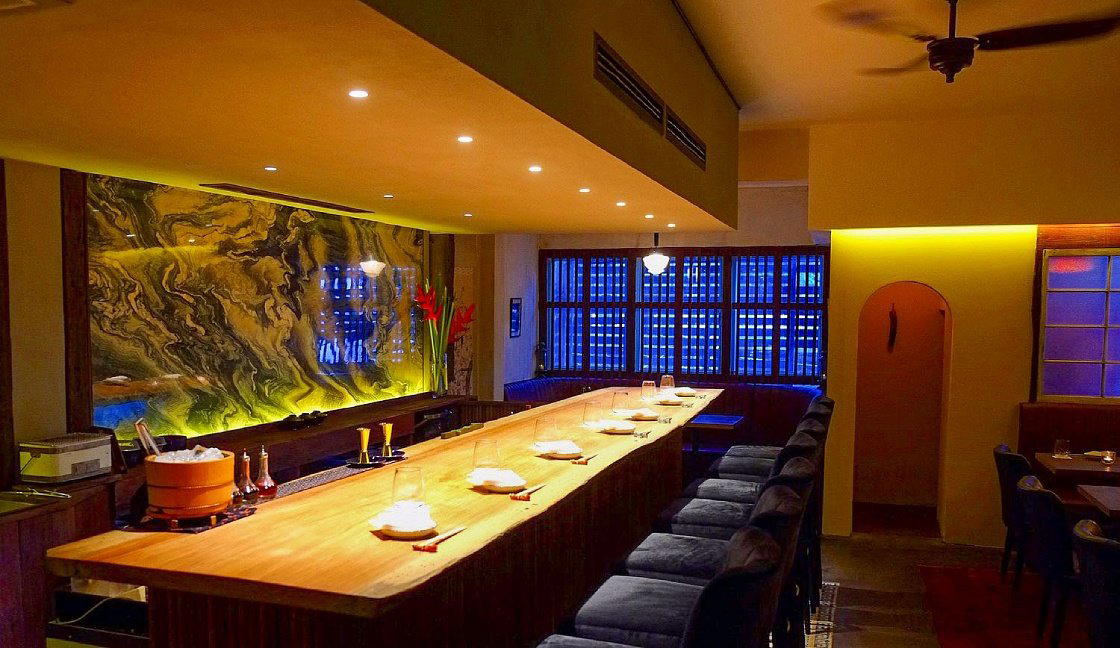
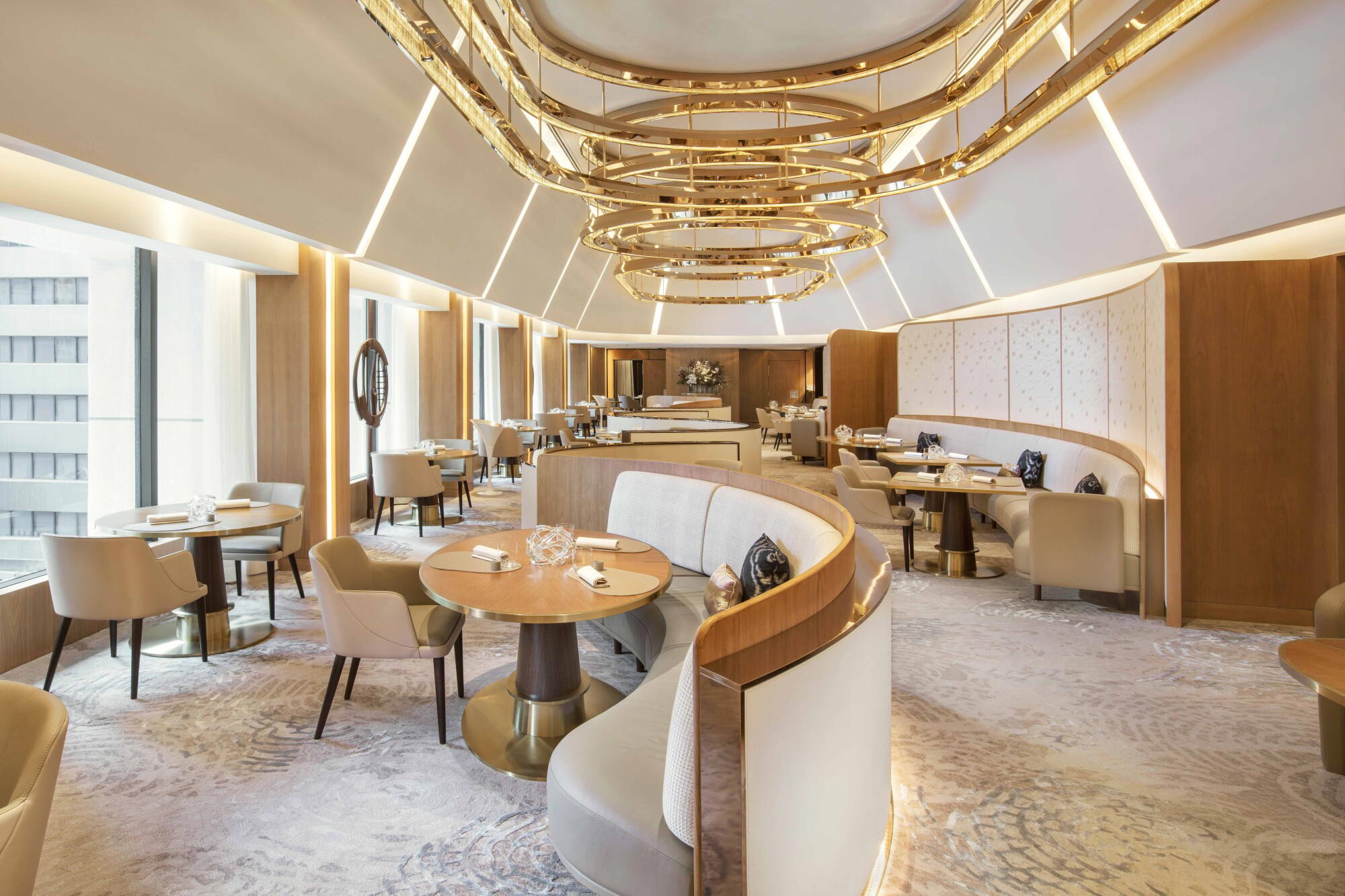
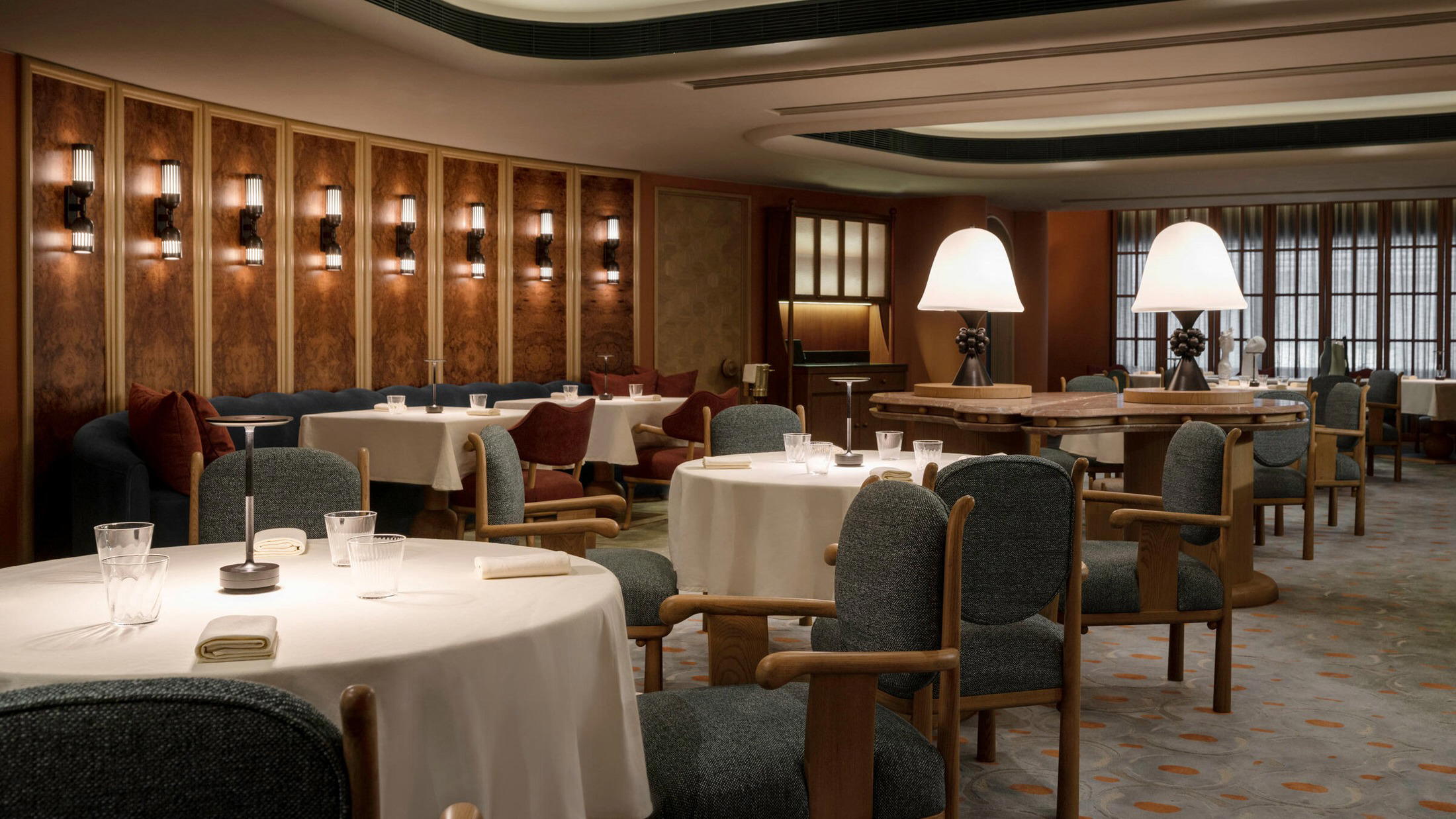
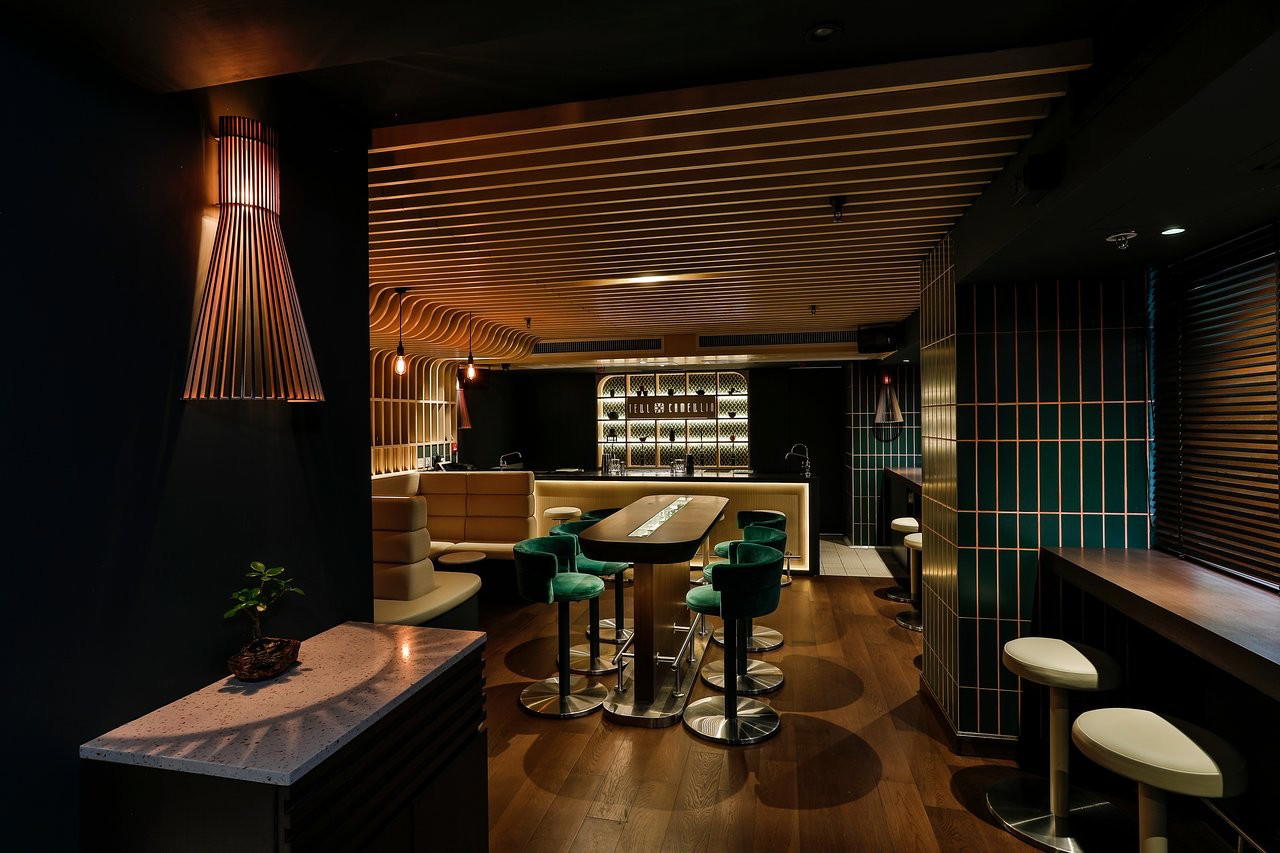
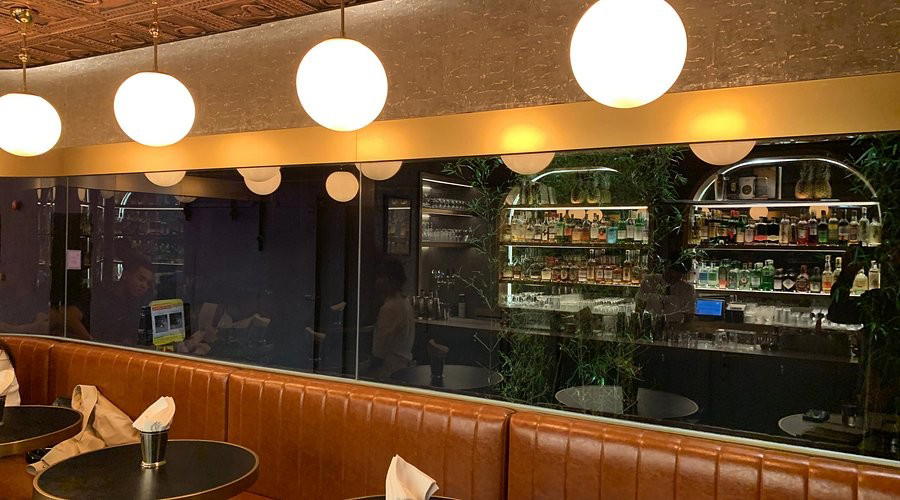
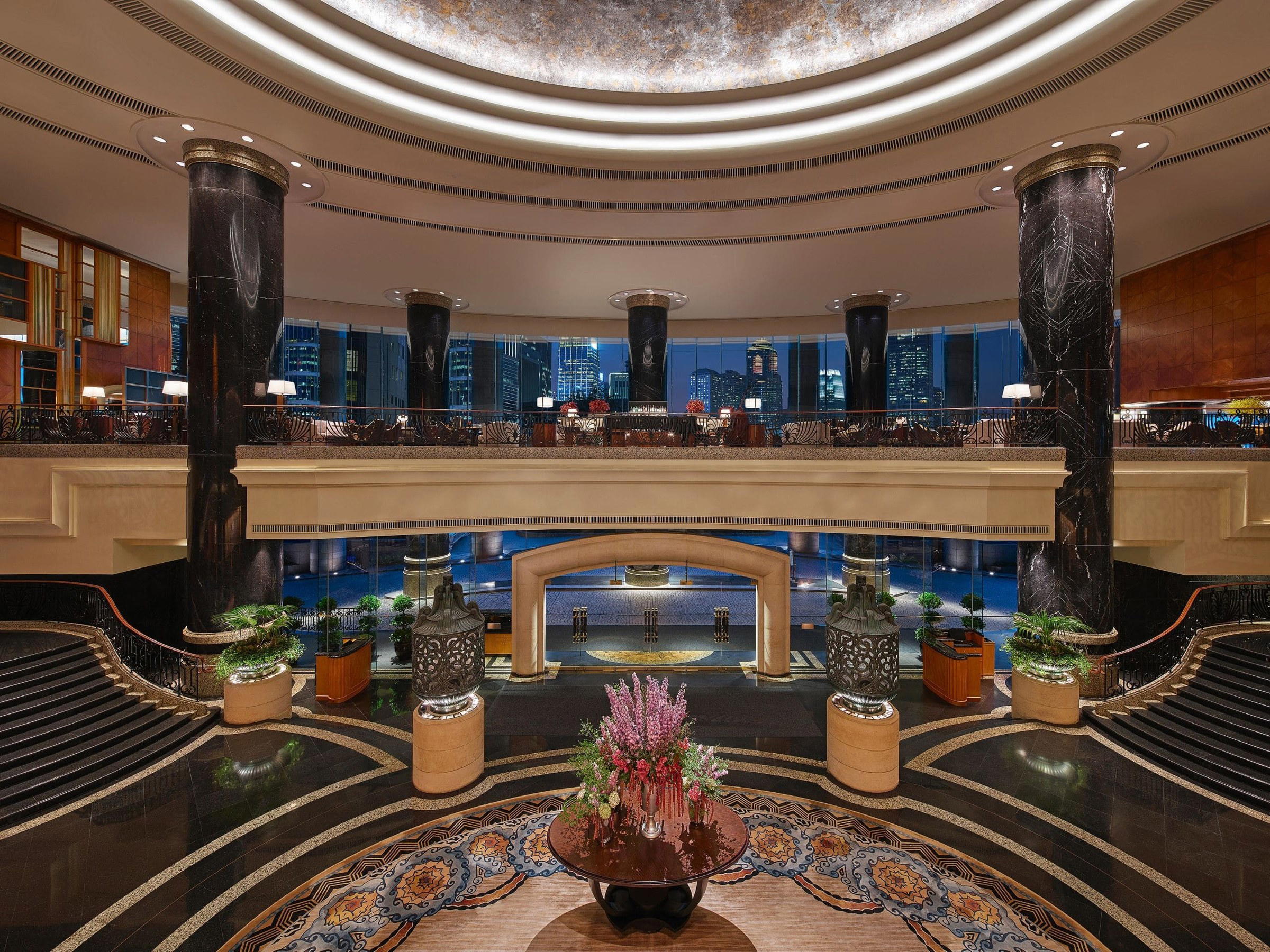
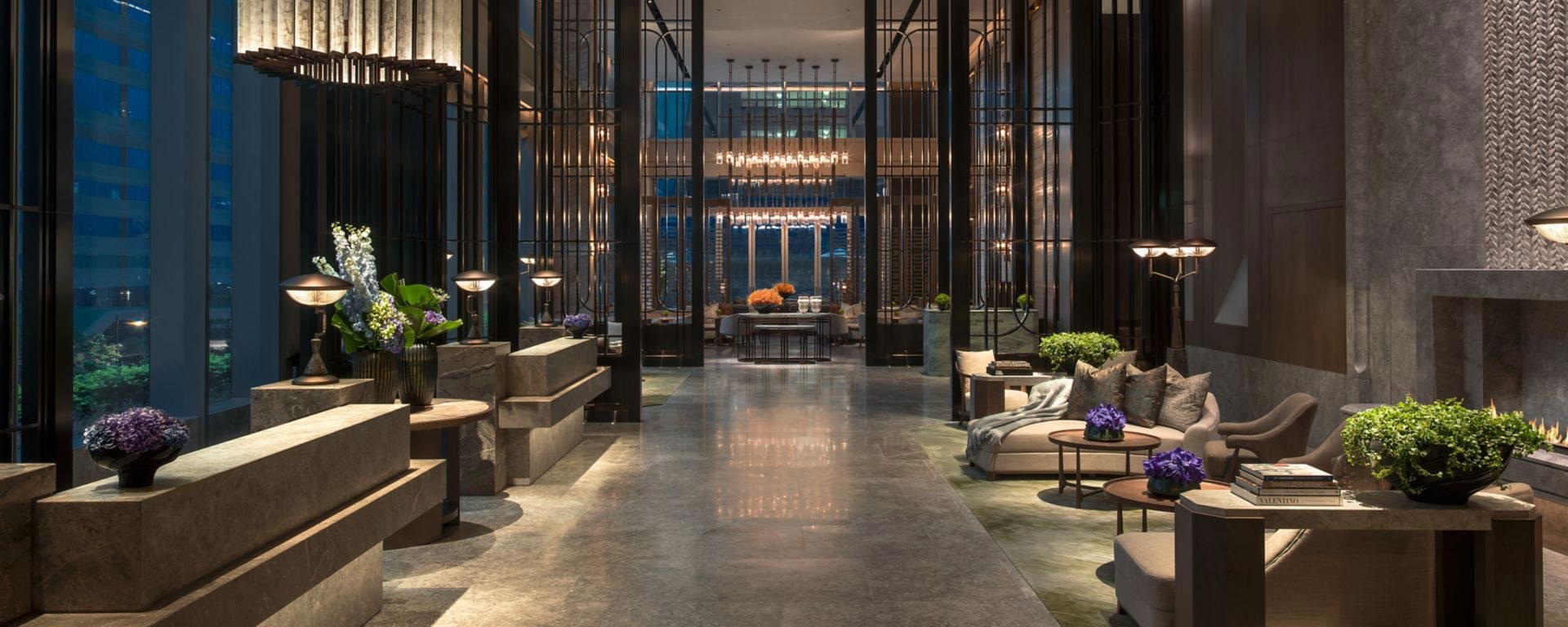
Wan Chai's dining strip on Lockhart Road covers a lot of ground: Cantonese roast shops, late-night congee counters, and the occasional international import. Yong Fu Hong Kong occupies a different register. The two-floor space inside the Golden Star Building is dressed in marble walls with chandeliers overhead. It is one of the more formally designed rooms in a neighbourhood not known for dining ceremony, and that architectural ambition signals the expectations the kitchen is trying to meet.
Ningbo cuisine as a category is underrepresented in Hong Kong relative to its standing on the mainland. The tradition draws from the Zhejiang coast: clean brine flavours, a preference for steaming and slow braising over high-heat wok work, and a deep reliance on freshwater and sea ingredients that have to be genuinely fresh to read correctly on the plate. Yong Fu Hong Kong, under Chef Liu Zhen, is one of the few Hong Kong addresses staking its identity on that specific regional tradition at this price point and ambition level. For context, the Yong Fu (Huangpu) flagship in Shanghai and the more compact YongFu Mini (Pudong) address the same culinary tradition with different formats and scales.
The Menu Architecture: Classics and a Moving Half
The menu at Yong Fu Hong Kong divides deliberately into two halves. One section anchors around Ningbo classics that remain fixed across seasons. The other rotates ingredients sourced from provinces across China, giving the kitchen room to respond to what is available and to place Ningbo technique alongside materials that would not have appeared on a traditional Zhejiang table. That structural split is worth understanding before you arrive, because it means roughly half the menu you see on a given visit will differ from what was served the month before.
The supply chain behind the fixed half is the operational detail that separates this kind of restaurant from peers working with ambient or frozen product. Live seafood comes from Zhejiang Province on overnight shipments timed to arrive in the early morning hours, which keeps the gap between sea and kitchen as short as the logistics allow. In a city with no shortage of seafood restaurants making freshness claims, that level of supply specificity is a meaningful differentiator.
Regulars tend to anchor on a set of dishes that appear consistently across visits: stir-fried white crabmeat, sautéed cattail with shrimp roe, and sticky rice balls filled with black sesame. The crabmeat preparation is a useful introduction to the kitchen's approach, keeping the treatment restrained so the quality of the incoming product remains audible. The cattail with shrimp roe sits in the vegetable-forward strand of Ningbo cooking where produce receives the same deliberate attention as protein. The sticky rice balls close on a Ningbo dessert tradition that mainland diners with Zhejiang roots will recognise immediately.
Where Yong Fu Sits in the Regional Chinese Dining Scene
The 2025 Opinionated About Dining ranking places Yong Fu Hong Kong at number five across all of Asia, which positions it inside a very small peer group of Chinese regional restaurants operating at continental recognition level. That credential also frames the competitive context: the restaurant is not pricing or pitching against casual Ningbo noodle shops, but against the top tier of refined regional Chinese dining in a city where Cantonese cooking dominates that conversation.
Across Greater China, a handful of addresses are doing comparable work with Zhejiang culinary traditions. Ru Yuan in Hangzhou and Song, Ningbo in Hangzhou operate closer to the source, while Xin Rong Ji (Xinyuan South Road) in Beijing and Xin Rong Ji in Chengdu have extended Zhejiang-adjacent cooking to major mainland cities. In Hong Kong, Yong Fu sits in a different competitive set from the Cantonese fine dining addresses that define the city's higher-end Chinese restaurant tier. Venues like 102 House in Shanghai and the plant-focused Fu He Hui (Vegetarian) occupy the top end of Shanghai's Chinese dining spectrum from different angles, which illustrates how fractured and category-specific this comparable set has become across the region.
Macau and Guangzhou play in adjacent registers. Chef Tam's Seasons in Macau and Imperial Treasure Fine Chinese Cuisine in Guangzhou both operate at the premium end of Chinese dining in their respective cities, though neither focuses on Ningbo or Zhejiang traditions. The point is that at this recognition level, the relevant comparisons run across the region rather than down the street. For a Ningbo-specific counterpart physically in Hong Kong, Yong Fu, Ningbo in Hong Kong and Dai Yuet Heen in Nanjing round out a short list of addresses where the cuisine is handled with the same depth of focus.
Drinks and the Wine Program
Regional Chinese cooking at this level raises a recurring question about what to drink alongside it. Ningbo flavours, particularly the brined and lightly fermented preparations and the delicate steamed seafood, sit awkwardly with heavily tannic reds. The tradition in Zhejiang leans toward Shaoxing rice wine as the default pairing vehicle, and a kitchen sourcing this carefully from the province typically has strong relationships with quality producers. Beyond rice wine, the wine list at a room of this design and recognition tier is expected to offer enough depth to support the food rather than fight it, with aged white Burgundy and mineral-driven Austrian or Alsatian whites tending to work better with the seafood-forward menu than most alternatives. The architectural ambition of the dining room and its Opinionated About Dining ranking signal the wine program should be treated as part of the experience, not an afterthought.
For the broader context of what Hong Kong's premium dining scene offers in wine depth and curation, Taian Table in Shanghai represents a different model of how a Chinese regional restaurant at the top of its category approaches the wine conversation. Hong Kong's wine import policies, which carry no duty on most categories, mean the city's leading tables generally have access to deeper and more diverse cellars than their Shanghai counterparts working within mainland import constraints.
Planning Your Visit
Yong Fu Hong Kong occupies the ground floor and first floor of the Golden Star Building at 20-22 Lockhart Road, Wan Chai. The address is on the OAD Leading Restaurants in Asia list at number five for 2025, which, combined with its dual-level capacity and formal room design, means reservations are advisable well ahead, particularly for weekend evenings. The Google review base currently reflects 129 reviews at a 4.1 rating.
Reservations: Advance booking recommended given the OAD ranking and formal dining format. Location: Golden Star Building, 20-22 Lockhart Road, Wan Chai, Hong Kong. Format: À la carte across two floors; menu split between Ningbo classics and rotating seasonal dishes.
Peers in This Market
Comparable venues nearby, for context on price, style, and recognition.
| Venue | Cuisine | Price | Notes |
|---|---|---|---|
| Yong Fu Hong KongThis venue — the venue you are viewing | Dining | , | |
| Ippudo (一風堂) | Hakata-Style Tonkotsu Ramen | $$ | Jing'an District |
| Old Jesse Restaurant | Authentic Shanghainese Home-Style | $$ | Xuhui |
| fat pho | Vietnamese Pho | $$ | Disneytown |
| Trattoria Palatino | Traditional Roman Italian Trattoria | $$ | Huangpu |
| WANYAN | Refined Hui (Anhui) Cuisine | $$$ | Changning |