
Osaka’s curry culture rewards compact rooms, quick decisions, and serious repeat traffic. yobareya belongs to that lane: a Shinmachi curry counter-and-table address with Tabelog Curry WEST 100 selections in 2023 and 2024, a modest spend band, and a format that fits solo diners as easily as small groups.
Pearl is the En Primeur Club membership app — saves, bookings, and concierge access live there. Same editors, same standards.
- Address
- 大阪府大阪市西区新町1-31-3
- Phone
- +81665437008
- Website
- yobareya.com
 Saves & bookings on Pearl
Shinmachi is not the Osaka of giant crab signs and canal-side queues. West of the louder tourist circuit, the neighbourhood runs quieter: design offices, small bakeries, lunch counters, and restaurants that rely less on spectacle than on regulars who know what they came for. Curry fits that setting. It is quick enough for a weekday, personal enough to inspire loyalty, and broad enough in Japan to carry everything from yoshoku nostalgia to spice-shop precision.
yobareya sits in that everyday Osaka register, not the ceremony-driven end of Japanese dining. The compact room, with counter seating and tables, feels like a focused urban meal rather than a long-form restaurant appointment. That matters in a city where serious eating is not limited to high spend. Osaka’s dining identity has always made room for low-friction formats: the standing bar, okonomiyaki counter, bakery queue, and curry specialist whose reputation is built plate by plate.
Osaka curry, judged by repeatability rather than theatre
Japanese curry is often oversimplified outside Japan as mild comfort food. Osaka complicates that. Its curry scene includes old-school roux houses, spice-curry specialists, café hybrids, and concise lunch addresses that make their point without a tasting menu. Selection for Tabelog Curry WEST 100 in both 2023 and 2024 places yobareya within a regional conversation judged by repeat visits, local enthusiasm, and category depth rather than imported fine-dining signals.
The useful comparison is not a luxury restaurant, but small-format Osaka places with precise audiences. Bonabona, also in Osaka, sits in an even lower spend band, while Yoshoku Teshima moves between a higher dinner range and modest lunch range. Mochisho Shizuku Shinmachi ten and YAMAMOTO KASHITEN show how the same neighbourhood supports tightly defined sweet and casual formats alongside curry. The pattern is clear: Shinmachi rewards specificity. A place does not need a grand room when the category is clear and the local audience understands the value proposition.
That is the appeal. The experience is not about chef biography or luxury signalling; no public-facing chef narrative is needed to read the room. The pull is curry itself: an Osaka lunch-and-early-evening habit, sharpened by recognition that separates it from a generic neighbourhood stop. A Tabelog score of 3.62 adds another clue, especially in Japan, where scores compress and modest-looking numbers can indicate meaningful local traction.
A compact Shinmachi room built for solo diners and small tables
The physical format shapes the meal before anything reaches the table. Twenty-three seats, including a small counter and several tables, place the room in the intimate casual tier: not private, not performative, but close enough that pacing and turnover become part of the atmosphere. Counter seating also changes the social contract. Solo dining is not an accommodation; it is part of the room’s grammar, as at ramen shops, kissaten counters, and curry specialists across Japanese cities.
For visitors building a wider Osaka food day, that scale helps. The city rewards grazing and contrast. A curry stop in Shinmachi can sit beside bakery scouting at 52CHO-ME BAKERY, casual Osaka staples such as 551 Horai (551蓬莱), or a sharper Italian detour at a canto (Italian). The point is not to make every meal an occasion. Osaka is better when the day moves between registers: coffee at .cafe, pizza at 99 Pizza Napoletana Gourmet, curry in Shinmachi, then drinks elsewhere.
The absence of private rooms also signals the kind of meal. This is not for a sealed-off business dinner. It fits a solo diner, a pair, a family, or friends wanting a contained meal with minimal ceremony. Children are welcome, important in Osaka, where serious casual restaurants often blur neighbourhood utility and specialist destination.
How to place it within an Osaka itinerary
For travellers, treat yobareya as part of Osaka’s everyday food intelligence rather than a single headline meal. Nishiohashi places it within the Nishi-ku rhythm, close enough to fold into a day of galleries, boutiques, and quieter side streets west of Shinsaibashi. The no-reservation setup makes timing the main decision: build flexibility into the schedule and avoid stacking it against a fixed-ticket experience.
Payment is part of the practical read. Credit cards are not accepted, while electronic money and PayPay are listed, so do not approach it like a hotel dining room. Parking is unavailable, normal for central Osaka and another reason to think station-to-station rather than car logistics.
Readers mapping a broader stay should use Our full Osaka restaurants guide for dining structure, then pair it with Our full Osaka hotels guide, Our full Osaka bars guide, Our full Osaka wineries guide, and Our full Osaka experiences guide. For category comparison across Japan, curry specialists such as [Curry Senmon Ten] Maruyama Kyoju. in Sapporo show how regional curry identity shifts outside Kansai, while [ki:] in Kyoto.know in Kumamoto, (Shoku) Vietnam in Kawasaki. 鮪と炭火焼き うお炭 秋葉原店 in Tokyo, and -Grilled beef Sukiyaki- KAMAKURA TANUKIAN 鎌倉 たぬき庵 in Kamakura underline how tightly Japanese casual dining can define itself by format. Overseas links such as Jōdo Saké Bar in Los Angeles and Onigiri Time in Pasadena sharpen the contrast: abroad, Japanese casual food often becomes concept-led; in Osaka, the strength is often repetition, proximity, and the confidence to stay narrow.
The editorial read is simple: this is a small Osaka curry address with enough third-party recognition to justify attention, but its value is not grandeur. It belongs to the city’s practical dining culture, where a concise room, clear category, and repeatable pleasure can carry more authority than a long menu or polished backstory.
Fast Comparison
Comparable venues for orientation by cuisine and category.
| Venue | Cuisine | Price | Notes |
|---|---|---|---|
| yobareyaThis venue — the venue you are viewing | Japanese Curry | $ | Not listed |
| Menya Taku | Ramen shop specializing in pork-and-seafood W Soup | $ | Nishi |
| Columbia8 Sakaisuji honmachi ten | Japanese Curry | $ | Chūō |
| Tachinomi Sakaba Kakedashi | Japanese standing izakaya & sake bar | $ | Chūō |
| Deiribashi Kintsuba Ya | Traditional Japanese Wagashi & Kintsuba Café | $ | Kita |
| Ramen Tsuji | Ramen shop | $ | Chūō |
Recognition history
Dated appearances from independent guides and award organizations, with the underlying list record or original source where available.
Tabelog 100 #41 · No. 41
Tabelog · Tabelog 100 - Curry - WEST - 2024
Continue exploring
More in Osaka
Restaurants in Osaka
Browse all →




Bars in Osaka
Browse all →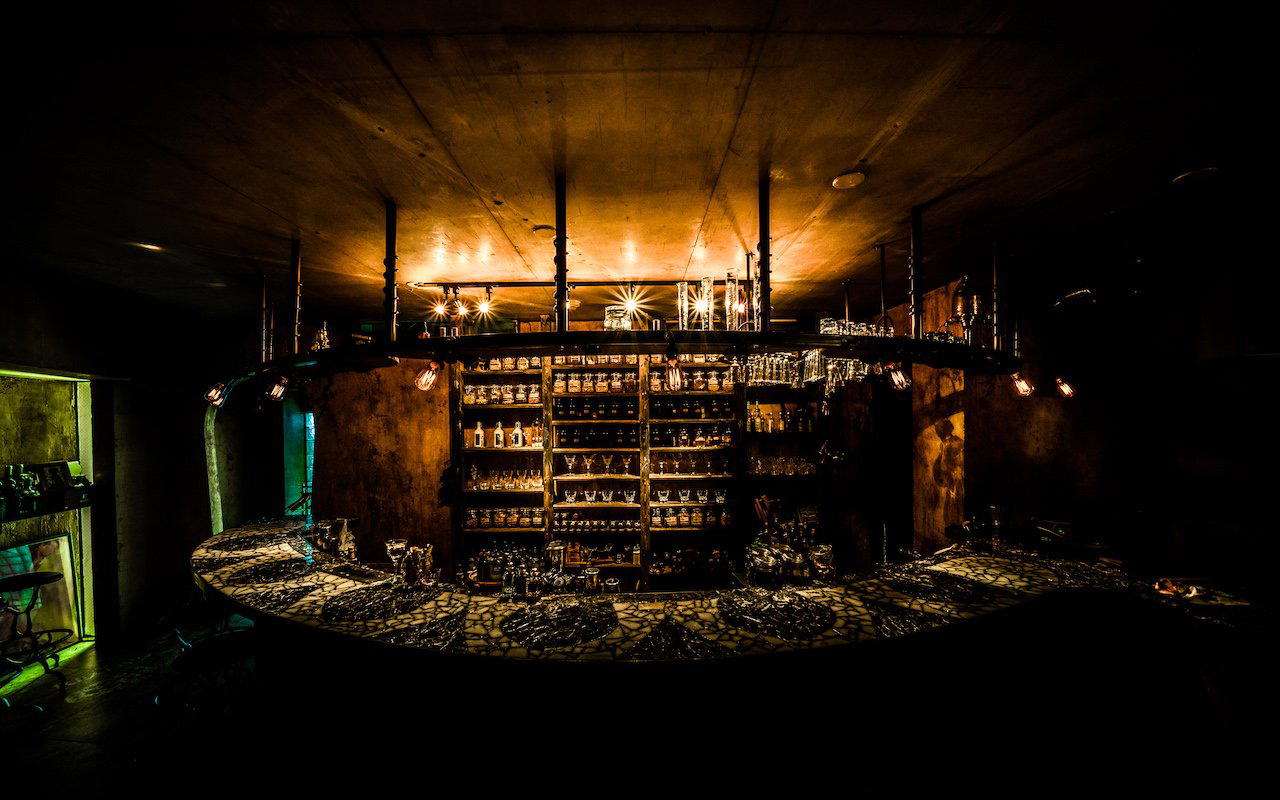
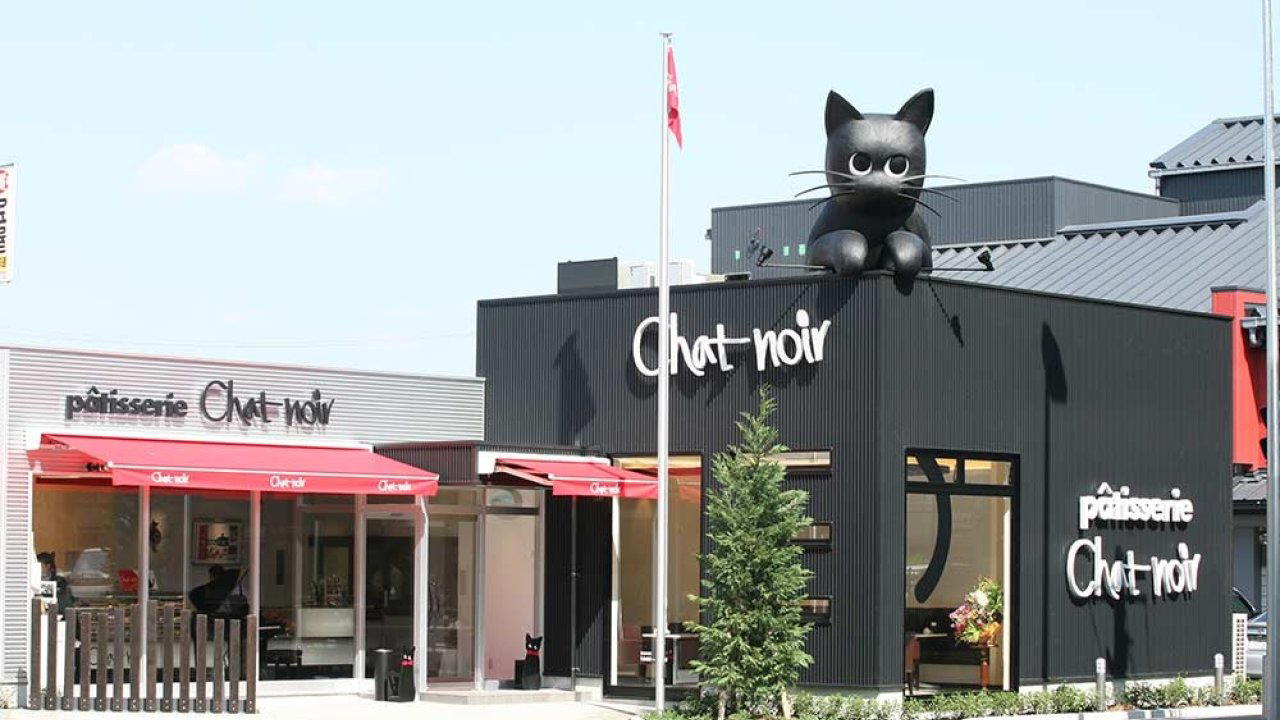


Hotels in Osaka
Browse all →



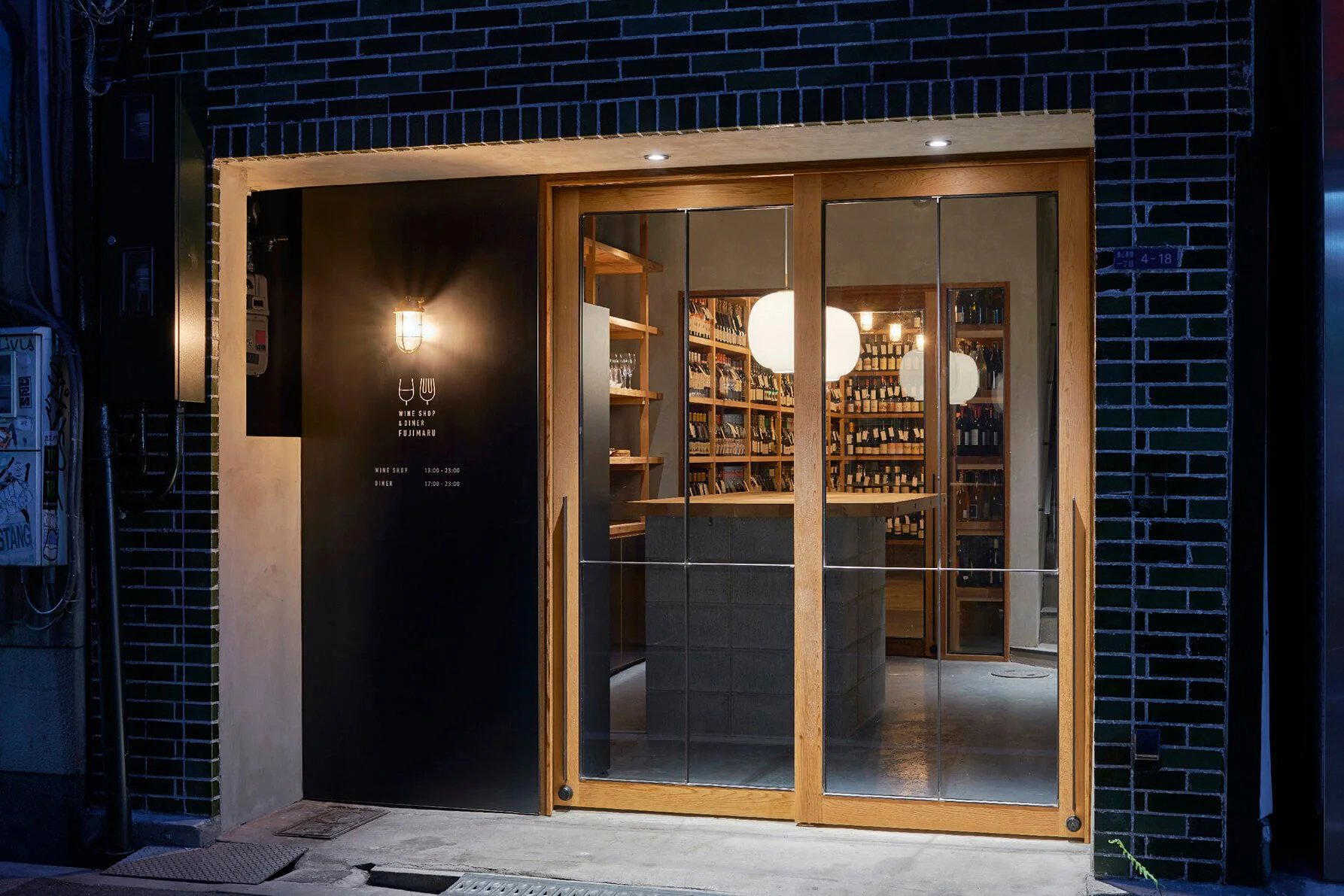
Wineries in Osaka
Browse all →
At a Glance
- Cozy
- Modern
- Casual
- Solo
- Casual Hangout
- Family
- Group Dining
- Standalone
- Beer Program
Relaxing, casual, and intimate, with a small counter-and-table layout that feels like a tucked-away local curry hideout.