
Ramen Tsuji belongs to Osaka’s compact, serious ramen tier: an eight-seat counter in Tanimachi 4-chome with repeated Tabelog 100 recognition for ramen in Osaka. The appeal is less about spectacle than format discipline, local appetite, and the city’s habit of treating a sub-¥1,000 bowl with the scrutiny other cities reserve for tasting menus.
Pearl is the En Primeur Club membership app — saves, bookings, and concierge access live there. Same editors, same standards.
- Address
- 大阪府大阪市中央区鎗屋町1-1-10 山大ビル1F
- Phone
- +81671788377
- Website
- tabelog.com
 Saves & bookings on Pearl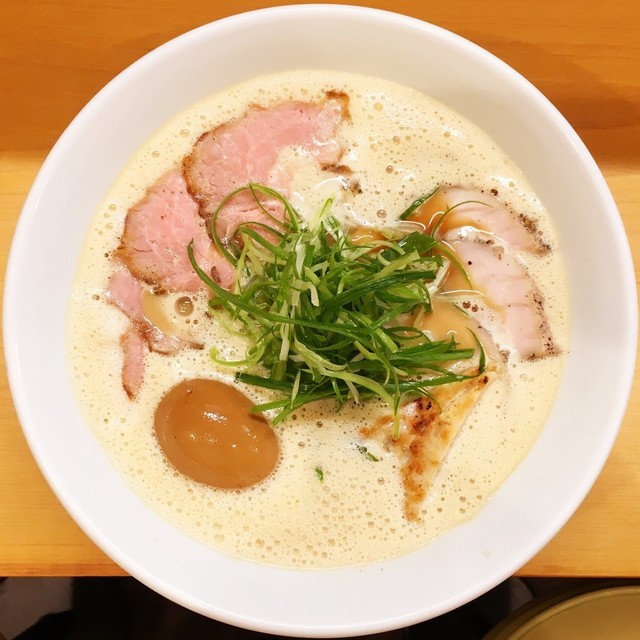
Approaching a small ramen counter in central Osaka, the first cue is compression: short frontage, a line moving by bowl rather than table, and a room built for eating, not lingering. Here ramen competes with udon, okonomiyaki, standing bars, department-store food halls, bakeries, and late-night Chinese-Japanese staples. A shop earning repeat attention is not surviving on novelty; it is working in a city that judges everyday food severely.
Ramen Tsuji sits in that tier. Its Tabelog 100 selection for Ramen OSAKA in 2025, after earlier selections in 2024, 2023, and 2019 for the wider west-Japan ramen grouping, places it in a public benchmark system that rewards consistency in a crowded field. The other central number is scale: eight seats. Osaka has many casual ramen rooms, but low capacity sets the rhythm: quick, focused, turnover-dependent, with little buffer between kitchen timing and customer.
Osaka ramen under pressure from a city that eats broadly
Osaka’s dining culture does not give ramen an uncontested stage. In Tokyo, ramen can dominate whole station-area subcultures; in Osaka, it competes with a wider repertoire of cheap, fast, technically confident food. Around Tanimachi 4-chome, office workers, local residents, and destination diners share lunch and evening patterns, so a serious ramen counter needs more than convenience.
The city’s strongest casual restaurants often share three traits: narrow format, clear value, and little patience for theatrical service. A French room such as Kamekichi competes through set-course structure and wine-led pacing; Yatagarasu Udon works in another noodle tradition, where texture and broth carry different expectations; Shuhari Tanimachi yonchome ten sits in the neighborhood’s broader casual-dining orbit at a higher spend than a ramen lunch. Against that field, ramen’s advantage is precision at speed. The bowl must make its case immediately, with no service arc to hide behind.
The global-technique question in ramen is not a gimmick. Modern ramen shops across Japan borrow from French stock-making, Chinese noodle craft, and contemporary temperature control, then anchor those methods in Japanese broths, tare, noodles, and regional eating habits. Osaka’s version is often less doctrinaire than Tokyo’s; it accepts hybrid technique when the result feels useful rather than decorative. Ramen Tsuji’s recognition belongs to that wider movement: a local counter in a cuisine that has always absorbed outside methods and turned them into everyday Japanese discipline.
For readers mapping a fuller Osaka day, ramen is clearer beside other formats, not isolated as a checklist stop. Our full Osaka restaurants guide tracks that spread across dining rooms and counters, while Our full Osaka bars guide, Our full Osaka hotels guide, Our full Osaka wineries guide, and Our full Osaka experiences guide frame how much of the city’s pleasure sits outside formal restaurant categories.
An eight-seat counter and the discipline of a sub-¥1,000 bowl
The price signal matters. A listed average of under JPY 999 puts the meal in the everyday bracket, not the destination tasting-menu economy. That does not lower the standard. In Japan, the lower-priced specialist counter can be less forgiving than a luxury dining room because the format has no padding: no elaborate room, long wine list, parade of courses, or extended explanation. Bowl, timing, and counter flow carry the experience.
That is where Tabelog’s ramen category has practical editorial value. Its 100-restaurant lists are not Michelin-style luxury rankings; they are category filters for diners separating durable specialists from new-opening churn and social-media spikes. Selection in multiple years suggests relevance beyond one burst of attention. For a traveler, that matters more than a poetic origin story. Ramen is a repeat-eating cuisine, and repeat recognition is stronger than a single anecdote.
The counter format also shapes who should go. This is a focused stop, not a long social meal. Solo diners and pairs fit naturally; larger groups will find the scale less forgiving. Children are welcomed, notable in a counter-driven ramen setting, but the experience remains compact and quick. Anyone expecting leisurely pacing should choose another meal for that part of the day.
Payment and access patterns underline the local character. The surrounding neighborhood rewards flexibility, with udon, bakeries, cafes, and casual restaurants close enough to make Tanimachi 4-chome useful even when the line dictates the schedule.
How to read it within a wider Japan itinerary
Ramen can mislead visitors because the word covers everything from station bowls to obsessive counters with house-made components and long queues. The better question is what role a shop plays in its city. In Osaka, this counter belongs to the serious everyday tier: affordable, compact, repeatedly recognized, and embedded in a neighborhood rather than staged for visitors.
That corrects the idea that Osaka dining is only the loud, saucy, street-level canon. The city’s pleasure also lies in small specialist rooms where technique is compressed into inexpensive formats. A ramen counter with eight seats and Tabelog 100 recognition says something about Osaka’s food culture: precision does not need luxury signaling, and value does not mean casual execution.
Travelers building a Japan food route can place it beside other focused formats without pretending they are the same experience: 52CHO-ME BAKERY and.cafe show Osaka’s smaller-format daytime side, while 551 Horai (551蓬莱), 99 Pizza Napoletana Gourmet, and a canto (Italian) point to the city’s breadth beyond noodles. Further afield, the same logic of specialization runs through -Grilled beef Sukiyaki- KAMAKURA TANUKIAN 鎌倉 たぬき庵 in Kamakura. 鮪と炭火焼き うお炭 秋葉原店 in Tokyo.know in Kumamoto, (Shoku) Vietnam in Kawasaki, [Curry Senmon Ten] Maruyama Kyoju. in Sapporo, [ki:] in Kyoto, Jōdo Saké Bar in Los Angeles, and Onigiri Time in Pasadena.
The editorial case is simple: choose Ramen Tsuji to understand Osaka’s specialist-counter culture at modest spend, not when the itinerary needs ceremony. Its value is the collision of low price, tight capacity, and repeated category recognition. In a city that turns casual food into a serious civic sport, that combination carries weight.
Pricing, Compared
Comparable venues by cuisine and category.
| Venue | Cuisine | Price | Notes |
|---|---|---|---|
| Ramen TsujiThis venue — the venue you are viewing | Chūō, Ramen shop | $ | Not listed |
| Madam Curry | Chūō, Japanese Curry | $ | Not listed |
| Kikujudo Yoshinobu | Not listed | $ | Chūō, Traditional Japanese wagashi & tea cafe |
| Ichifuji Shokudo | Not listed | $ | Kita, Osaka shokudo with udon and oyakodon |
| Ushi Tora | Not listed | $ | Chūō, Casual Osaka Izakaya & Standing Bar |
| Curry Ya Madras | Naniwa, Japanese Curry | $ | Not listed |
Recognition history
Dated appearances from independent guides and award organizations, with the underlying list record or original source where available.
Tabelog 100 #93 · No. 93
Tabelog · Tabelog 100 - Ramen - OSAKA - 2025
Continue exploring
More in Osaka
Restaurants in Osaka
Browse all →




Bars in Osaka
Browse all →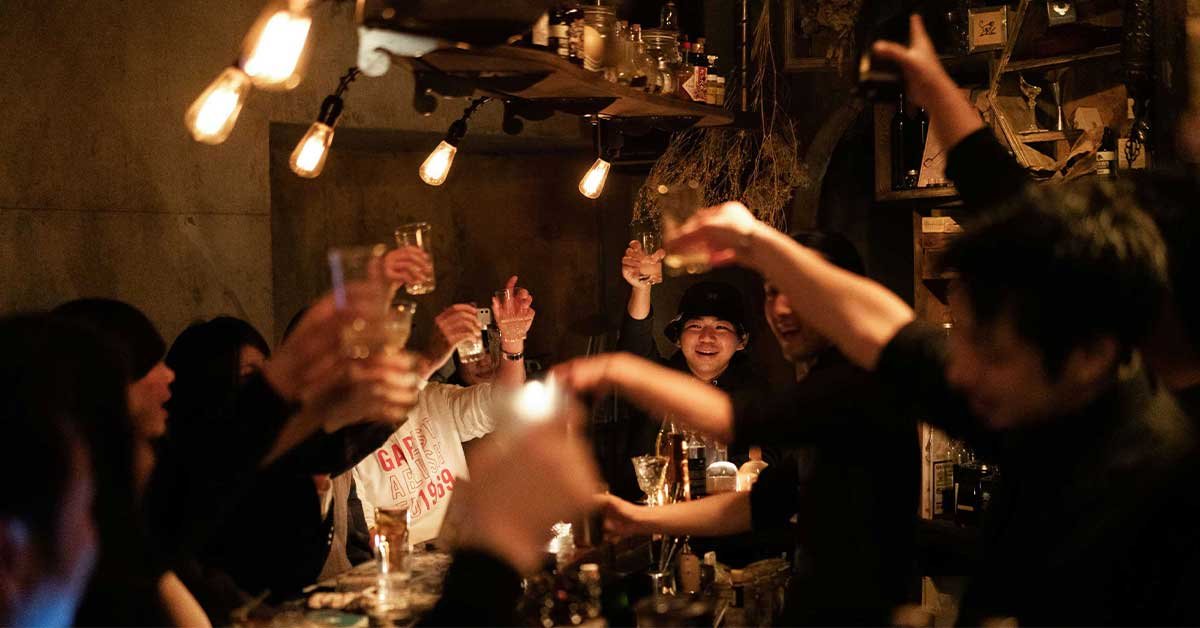

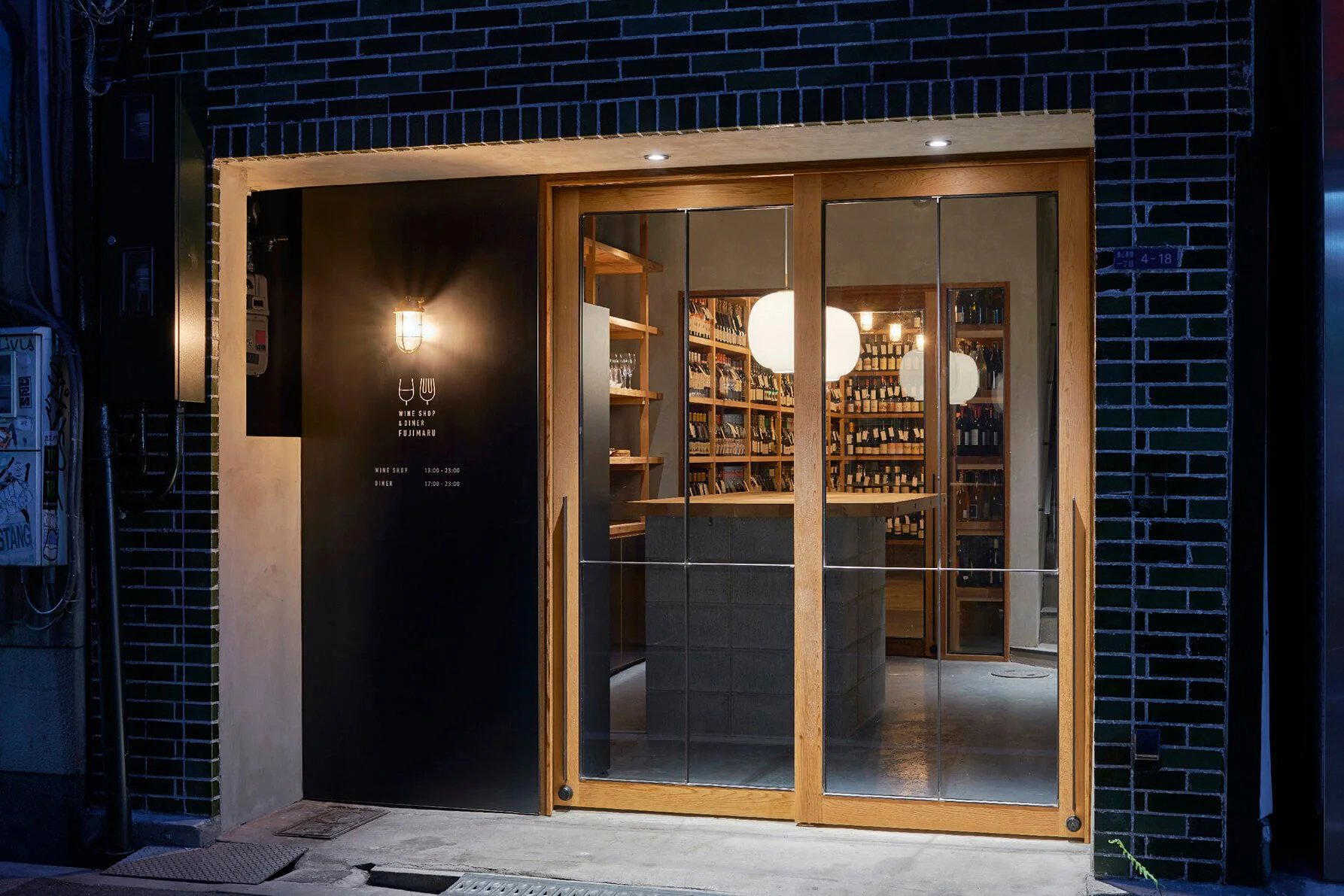
Hotels in Osaka
Browse all →



Wineries in Osaka
Browse all →
At a Glance
- Cozy
- Modern
- Casual
- Solo
- Family
- Casual Hangout
- After Work
- Chefs Counter
- Standalone
A small 8-seat, non-smoking counter-only ramen bar with a simple but stylish, relaxed atmosphere, focused on solo or small-party diners and quick but satisfying meals.