La Taille de Guêpe occupies a modest address at 24 Rue de Fersen in Antibes old town, sitting within a dining scene where Provençal tradition and Mediterranean produce define the competitive frame. The restaurant operates in a city that ranges from high-end hotel dining to neighbourhood bistros, positioning it within a locally rooted tier that rewards those who know where to look in the vieille ville.
Pearl is the En Primeur Club membership app — saves, bookings, and concierge access live there. Same editors, same standards.
- Address
- 24 Rue de Fersen, 06600 Antibes, France
- Phone
- +33493740358
- Website
- facebook.com
- Directions
- Get directions
 Saves & bookings on Pearl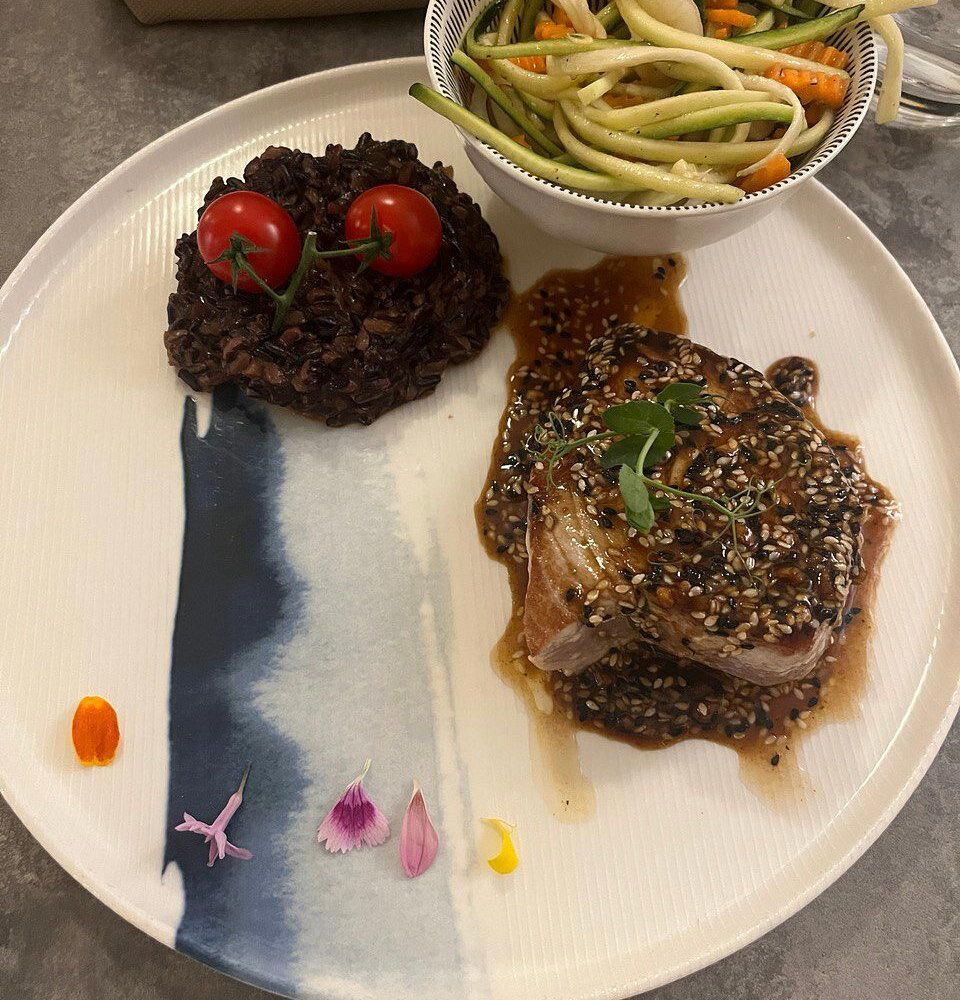
Old Town Antibes and the Bistro Tradition It Sustains
Antibes old town, enclosed within its Vauban ramparts a short walk from the Marché Provençal, operates as one of the Côte d'Azur's more coherent dining neighbourhoods. Unlike the resort strip further along the coast, the vieille ville functions on a human scale: narrow lanes, stone façades, and a market culture that has shaped the local palate for generations. Restaurants here tend to read their address carefully. The proximity to the covered market on Cours Masséna, open every morning except Monday, creates a gravitational pull toward seasonal and regional sourcing that the better addresses in this quarter take seriously. La Taille de Guêpe, at 24 Rue de Fersen, sits inside that geography, a street-level presence in the old town fabric rather than a hotel dining room or a waterfront terrace positioned primarily for view.
The dining scene in Antibes spreads across a relatively wide price and ambition range. At the upper end, Le Figuier de Saint-Esprit and Les Pêcheurs both operate at the €€€€ tier, as does Louroc at the Hôtel du Cap-Eden-Roc, which anchors one formal end of the local market with the infrastructure of a grand hotel behind it. The neighbourhood bistro register is thinner but present, with addresses like Chez Jules Le Don Juan holding down a Provençal position at €€ pricing. La Taille de Guêpe occupies a slot within this range, though its specific price tier and format place it in a category that warrants understanding before arrival rather than after.
The Cultural Weight of Provençal Cooking on the Côte d'Azur
Provençal cuisine is one of France's most legible regional traditions, built on olive oil, tomato, aromatic herbs, and the fish and shellfish of the Mediterranean littoral. What distinguishes its better practitioners from generic Mediterranean cooking is specificity: the difference between a bouillabaisse made to Marseille's strict historical protocol and a generic fish stew, or between a daube de boeuf slow-cooked with olives and orange peel versus a generic braise. The Côte d'Azur adds its own inflection to this tradition, incorporating Nice's Ligurian overlap, socca, pissaladière, the use of chickpea flour and anchovies, alongside the more broadly Provençal canon of ratatouille, tapenade, and herb-forward grilling.
In a region where international tourism has historically pushed kitchens toward safe, crowd-pleasing versions of these dishes, the addresses that maintain the discipline of the tradition carry genuine significance. The market culture of Antibes provides both the raw material and the cultural pressure to keep that discipline: when your suppliers are twenty metres away and your regulars know what the season offers, shortcuts read differently than they do in a resort kitchen insulated from local supply chains. This is the culinary context in which a small restaurant on Rue de Fersen operates, measured against a tradition that the broader French fine dining establishment has long codified. Institutions like Mirazur in Menton and AM par Alexandre Mazzia in Marseille represent what Mediterranean-rooted cooking looks like at its most ambitious and awarded end. The tradition extends further, through the broader French canon documented at addresses like Auberge de l'Ill, Bras in Laguiole, and Troisgros in Ouches, each representing regional roots taken to formal heights. La Taille de Guêpe operates several tiers below those reference points, which is not a criticism, the neighbourhood bistro has its own logic and its own standards.
What the Address Signals About Format and Expectation
A restaurant named La Taille de Guêpe, the wasp's waist, on a narrow street in Antibes old town sets certain expectations before a single dish arrives. The name suggests compression and precision rather than grandeur, a register consistent with the smaller, owner-operated addresses that define this part of the vieille ville. In French bistro culture, the physical scale of a room is often proportional to the ambition of its sourcing: smaller seat counts tend to correlate with more careful purchasing, shorter menus changed more frequently, and a kitchen that can actually execute what it promises. These are generalisations, but they map reasonably well onto old-town Antibes, where the room sizes are constrained by the medieval street plan.
Visitors accustomed to the structured formality of addresses like Alléno Paris au Pavillon Ledoyen or the destination-dining intensity of Flocons de Sel in Megève will find the old-town Antibes bistro register operates on different terms. The comparable local anchors at the neighbourhood end of the market, including Chez Josy, share this informal character. For reference across further afield French fine dining, Paul Bocuse's Auberge du Pont de Collonges, Assiette Champenoise in Reims, and Au Crocodile in Strasbourg each illustrate how regional French cooking presents at the formal awards tier, a contrast that makes the neighbourhood bistro register easier to calibrate. At the international level, Le Bernardin in New York and Atomix in New York show how the fine dining register functions outside France entirely.
Planning a Visit: What to Know Before You Go
Rue de Fersen sits within Antibes old town, walkable from the Place de Gaulle and the main commercial centre of the city. The old town is compact enough that the restaurant is accessible on foot from most central accommodation. As with most small restaurants in this part of the Côte d'Azur, the summer months from June through August represent peak demand, when the population of the Antibes-Juan-les-Pins area swells significantly with seasonal visitors and the French themselves on holiday. Arriving without a reservation during this period at a small old-town address carries more risk than it would in autumn or spring, when the crowds thin and kitchens often have more room to perform without the pressure of full covers every service. The restaurant is open Wednesday through Saturday for lunch and dinner, with Monday, Tuesday, and Sunday closed.
Pricing, Compared
Comparable venues nearby, for context on price, style, and recognition.
| Venue | Cuisine | Price | Notes |
|---|---|---|---|
| La Taille de GuêpeThis venue — the venue you are viewing | Not listed | $$ | Not listed |
| Restaurant Le J | Not listed | $$$ | Juan-les-Pins, Modern French Bistronomique with Tahitian Influences |
| Nacional | Not listed | $$$ | Place Nationale, Antibes, Italian-Provençal Beef & Wine |
| Michelangelo | Old Town, Authentic Italian Trattoria | $$$ | Not listed |
| La Passagère | Not listed | $$$$ | Juan-les-Pins, Modern French Seafood Fine Dining |
| NKI sushi | Antibes, Fresh Contemporary Sushi | $$ | Not listed |
Continue exploring
More in Antibes
Restaurants in Antibes
Browse all →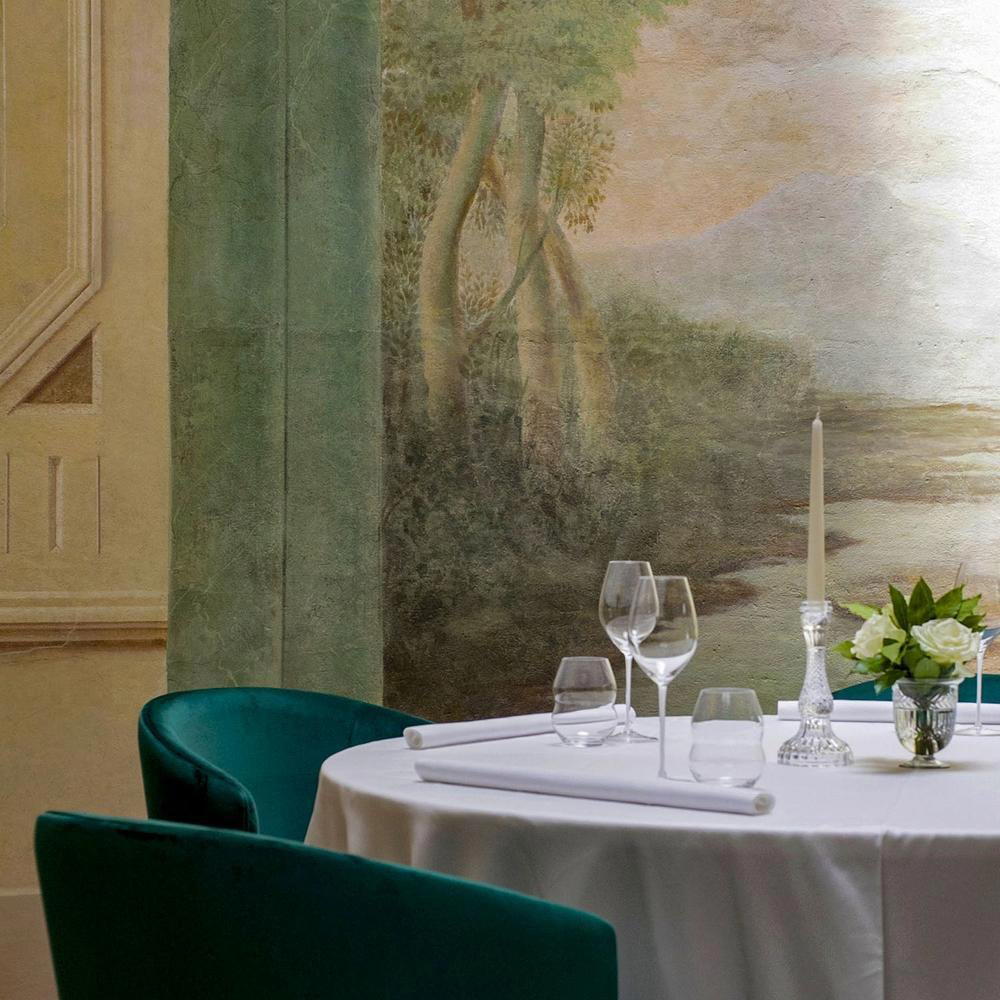
Bars in Antibes
Browse all →
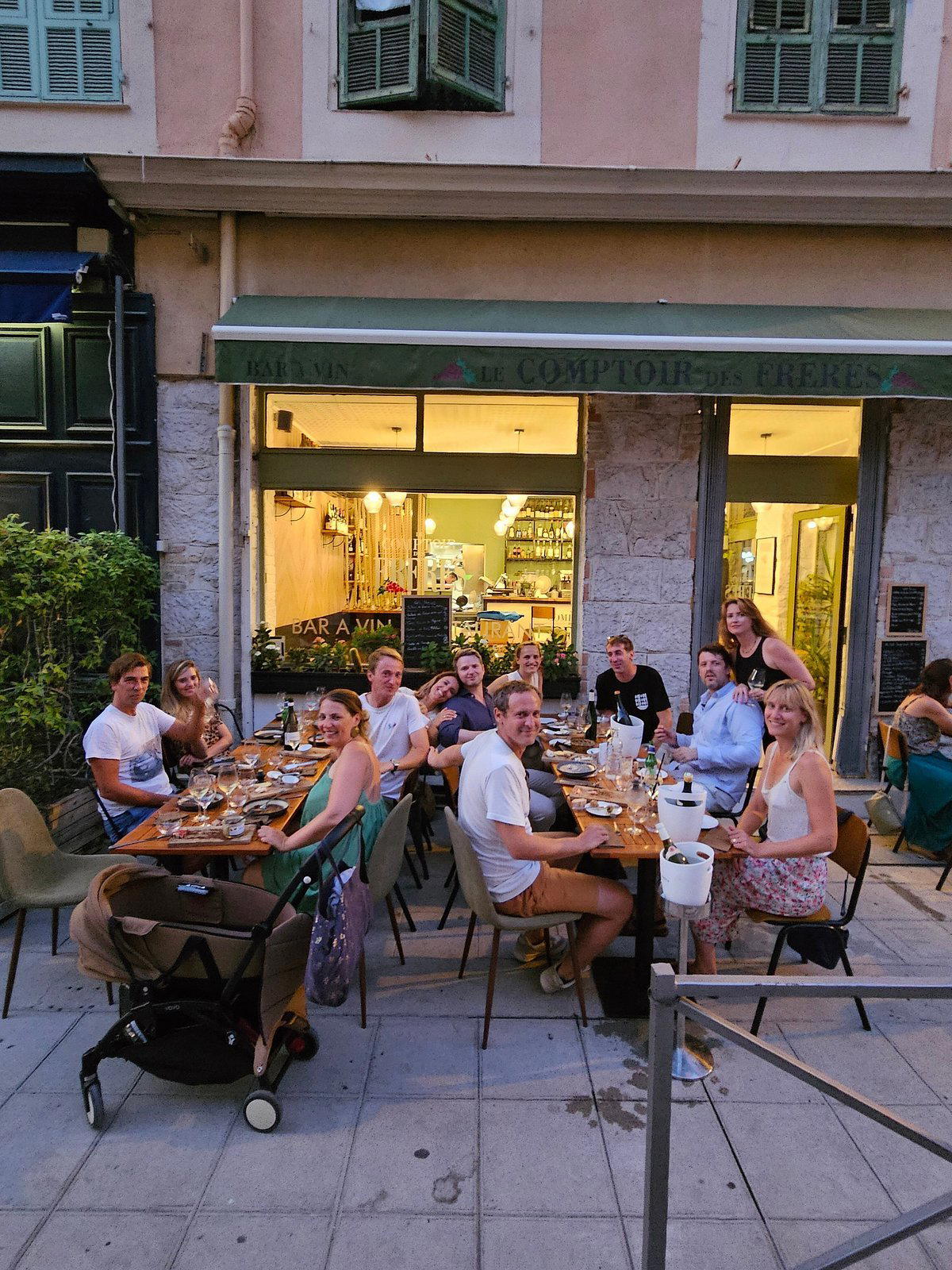
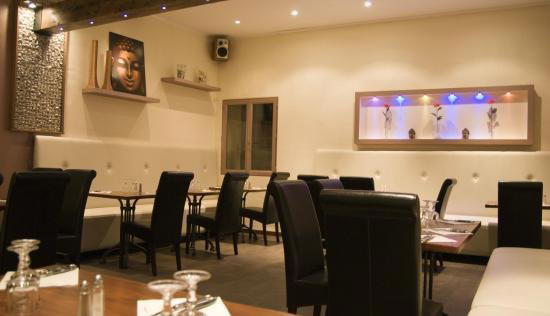
Hotels in Antibes
Browse all →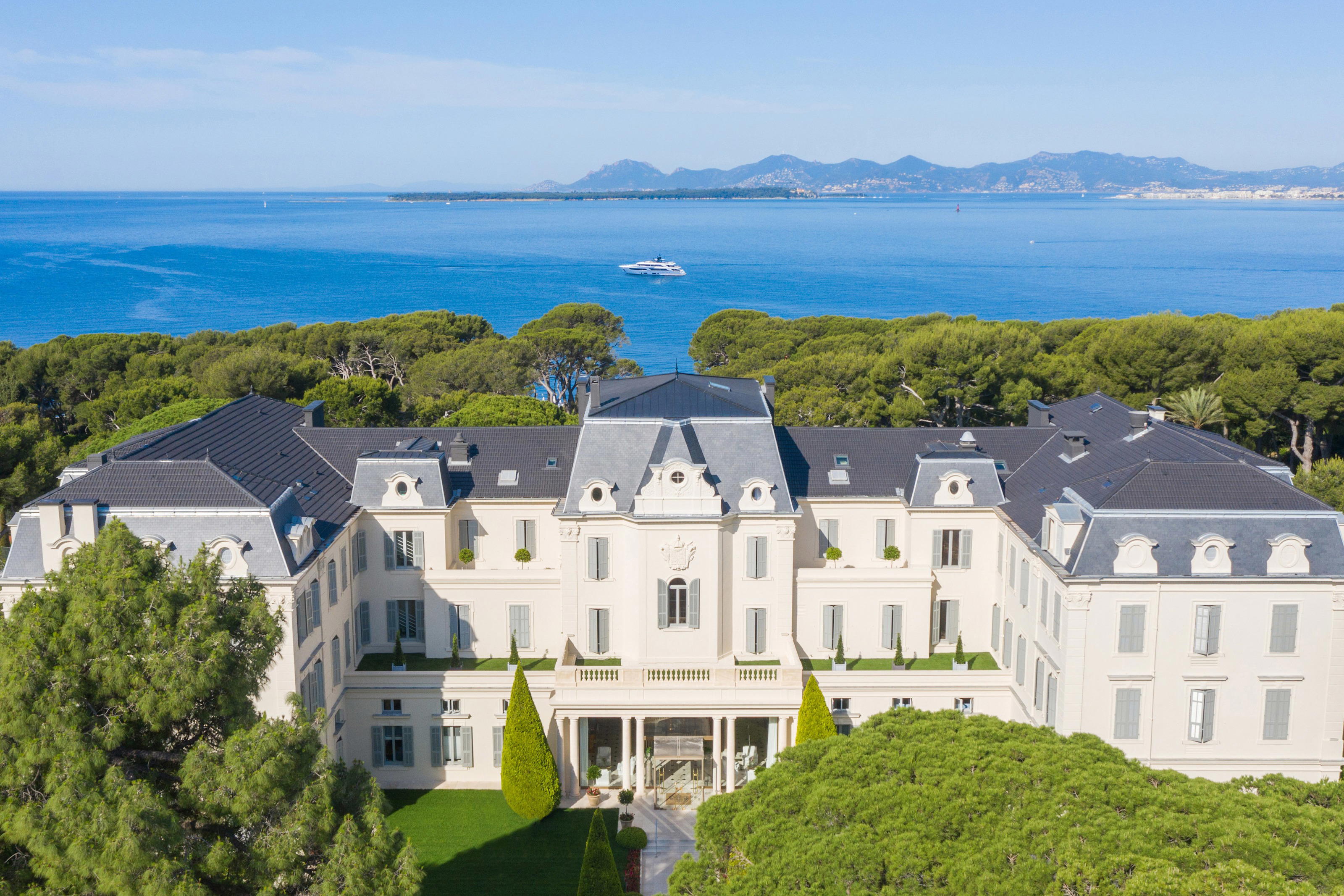
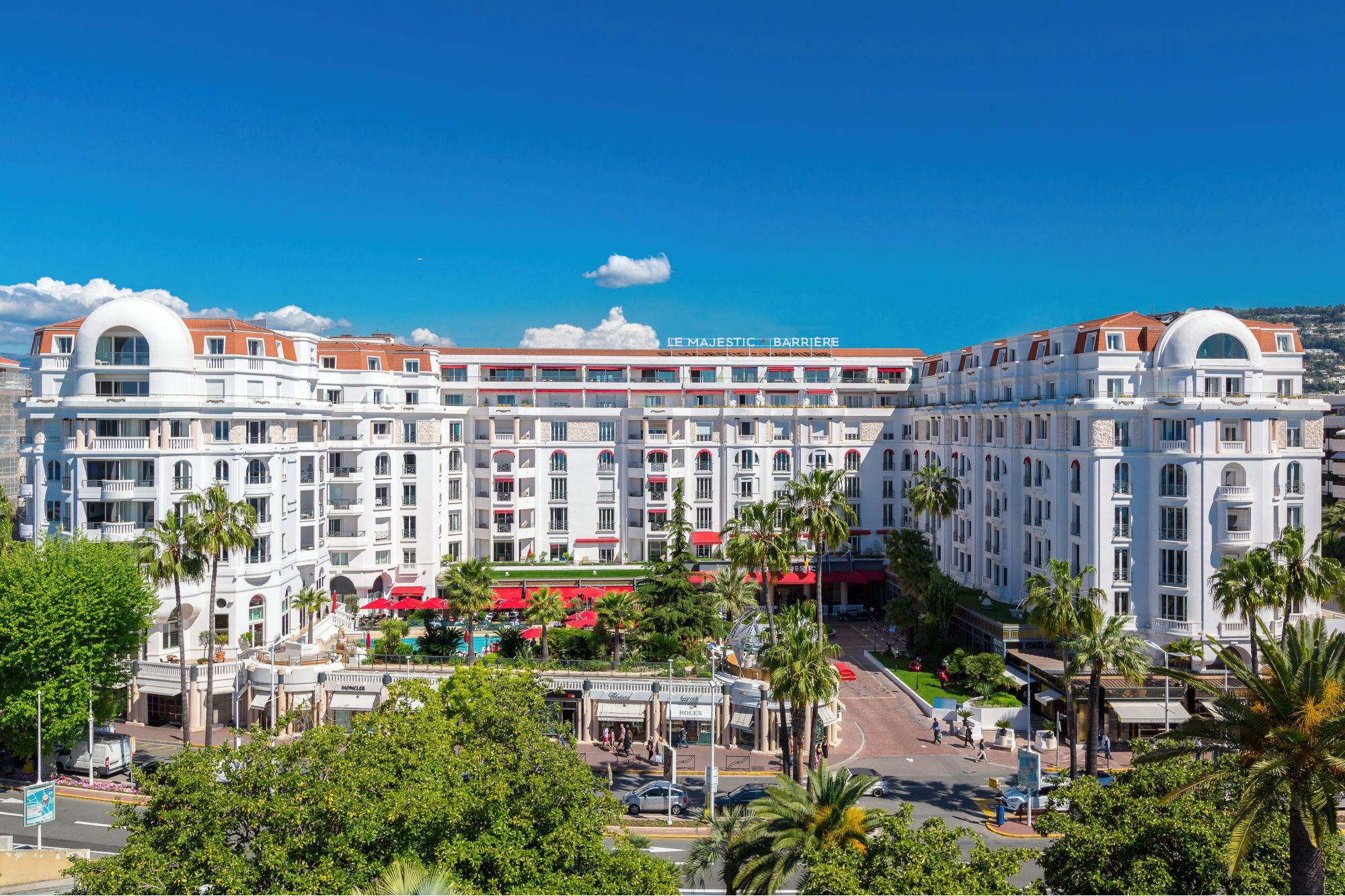
Wineries in Antibes
Browse all →
At a Glance
- Cozy
- Elegant
- Intimate
- Whimsical
- Date Night
- Special Occasion
- Standalone
- Local Sourcing
Current opening hours
- Monday
- Closed
- Tuesday
- Closed
- Wednesday
- 12–2 PM, 7–9:30 PM
- Thursday
- 12–2 PM, 7–9:30 PM
- Friday
- 12–2 PM, 7–9:30 PM
- Saturday
- 12–2 PM, 7–9:30 PM
- Sunday
- Closed
Hours can change for holidays and private events. Last verified .
Relaxed, cozy, and welcoming atmosphere with whimsical and eclectic interior, pleasant service, and beautifully presented plates.