
Yasuda places Osaka’s hot-pot tradition inside a compact, old-school room in Miyakojima-ku, with table seating and tatami seating shaping the pace as much as the cooking. Its 2024 Tabelog 100 Hot Pot selection and 3.76 score put it in the city’s serious shabu-shabu conversation rather than the casual nabe bracket.
Pearl is the En Primeur Club membership app — saves, bookings, and concierge access live there. Same editors, same standards.
- Address
- 大阪府大阪市都島区毛馬町2-3-15
- Phone
- +81669291401
- Website
- tabelog.com
 Saves & bookings on Pearl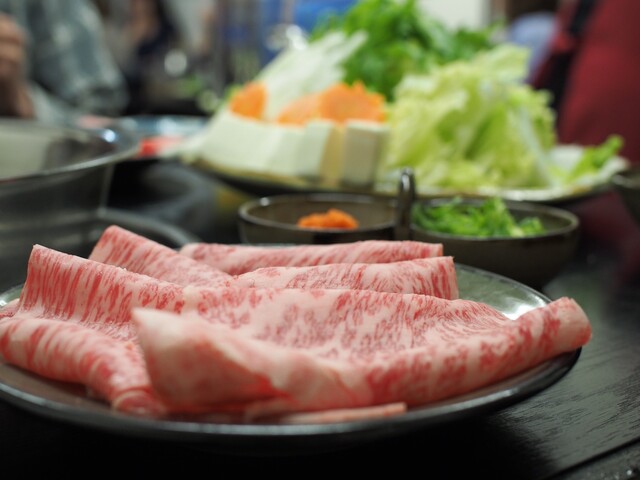
Approaching the hot-pot houses of residential Osaka differs from entering the bright restaurant corridors of Umeda or Namba. The tempo drops, the room matters, and the meal becomes partly architectural: table position, closeness to the next group, shoes-off ease or chair-backed efficiency. In Miyakojima-ku, Yasuda belongs to an older Osaka grammar: a compact beef-and-hot-pot address where the physical container shapes the experience rather than serving as decorative background.
Osaka’s serious dining culture is often framed through sushi counters, kappo rooms and late-night drinking streets, but shabu-shabu has its own hierarchy. Because cooking happens in front of the diner, the room needs restraint; excess design would fight the format. Here, the appeal is modest scale and a split seating plan: 24 seats divided between tables and tatami. Table seating suits mixed-age groups and visitors unused to floor seating, while tatami keeps the restaurant tied to a domestic style of Japanese hot-pot dining, where conversation and pacing structure the meal.
A small-room hot-pot format with Osaka restraint
Shabu-shabu and beef cooking in Japan often swing between polished luxury rooms built around branded wagyu and neighbourhood places where regulars value consistency over spectacle. Yasuda sits nearer the second camp, but with recognition beyond ordinary local status. Selection for Tabelog 100 Hot Pot in 2024 gives it an external marker, and a 3.76 Tabelog score places it in a competitive bracket for a category where comfort, meat quality and room discipline matter more than theatrical plating.
The categories say enough: shabu-shabu, beef dishes and yakiniku. That combination is common in Kansai because beef culture here is not confined to tasting-menu luxury; it can be social, practical and exacting about texture, heat and dipping rhythm. Compared with Osaka peers such as Shibaken, in a lower dinner spend band, or Udon Kurajuu, in a more casual noodle register, Yasuda asks diners to treat hot pot as the main event rather than an add-on to a broader night out. Soba Takama and Sushidokoro SHIN occupy different Japanese dining lanes; the useful comparison is scale, because all are smaller specialist rooms where format sets expectations before the first order.
The design interest is not glossy interiors but how a 24-seat room manages intimacy. Hot pot needs space for shared equipment, plates, drinks and the gradual accumulation of timing decisions. Too large a room turns the format into catering; this size keeps attention on the table. The absence of private rooms also signals the point: not a sealed-off celebration box, but a compact public room with a domestic thread.
Where hot pot fits into an Osaka itinerary
For travellers mapping Osaka by appetite, Yasuda works better as part of a specialist circuit than as a broad city introduction. The centre still pulls visitors toward takoyaki, kushikatsu, okonomiyaki and department-store dining floors, while more rewarding meals often sit just outside the tourist grid. That is where a hot-pot dinner helps: it slows the day after markets, trains and standing snacks, and gives beef a role beyond the grill-heavy yakiniku evening.
This is where Osaka’s range becomes apparent. A visitor can build a day from bakery counters, coffee rooms, casual Chinese-Japanese staples and serious dinner formats without forcing everything into one neighbourhood. For broader planning, Our full Osaka restaurants guide is the practical starting point, while Our full Osaka hotels guide, Our full Osaka bars guide, Our full Osaka wineries guide and Our full Osaka experiences guide help separate a food-led trip from a generic city break. Within the restaurant map, smaller addresses such as.cafe, 52CHO-ME BAKERY, 551 Horai (551蓬莱), 99 Pizza Napoletana Gourmet and a canto (Italian) show how widely the city’s dining day can stretch before dinner settles into hot pot.
There is useful national context, too. Beef and comfort cooking vary across Japan, from -Grilled beef Sukiyaki- KAMAKURA TANUKIAN 鎌倉 たぬき庵 in Kamakura to Tokyo drinking-room cooking at. 鮪と炭火焼き うお炭 秋葉原店 in Tokyo. Regional comparison helps because Osaka’s strength is not formality alone; it is the ability to make specialist dining feel socially grounded. That breadth runs through addresses as different as.know in Kumamoto, (Shoku) Vietnam in Kawasaki, [Curry Senmon Ten] Maruyama Kyoju. in Sapporo and [ki:] in Kyoto. Even overseas Japanese-adjacent formats, including Jōdo Saké Bar in Los Angeles and Onigiri Time in Pasadena, clarify what Japan’s domestic rooms do differently: they let format, seating and repetition carry authority.
The planning read: compact, cash-minded, reservation-sensitive
The practical character is plain. This is a small restaurant, not a walk-in machine, and hot pot does not turn tables like a noodle counter. Reservations are available, with booking opening from the 20th of the previous month; calling outside peak service periods is sensible. Payment is cash-oriented, with credit cards, electronic money and QR payments not accepted. The restaurant is non-smoking inside, has no private rooms, and parking is not provided, though nearby parking exists. Children aged 3 and older are accepted, making the room more flexible than many serious small restaurants in Japan, though it remains better suited to diners comfortable with a focused, shared-table meal.
The address suits travellers who have done central Osaka’s obvious hits and want a dinner that explains another side of the city: less neon, more room discipline; less performance, more format. Yasuda is not translating shabu-shabu into luxury theatre. Its value is the opposite: a recognized hot-pot address where modest scale, tatami option and beef-focused cooking keep the meal close to the tradition that made the category endure.
Same-City Peers
Comparable venues by category and price.
| Venue | Cuisine | Price | Notes |
|---|---|---|---|
| YasudaThis venue — the venue you are viewing | Traditional Shabu-shabu & Beef Hotpot | $$ | Not listed |
| Stand Ruten | Modern Japanese Standing Izakaya | $$ | Kita |
| ZEN LABORATORY | Modern ramen & tsukemen | $$ | Kita |
| Man masa | Yakiniku (Japanese BBQ) | $$ | Ikuno |
| カドヤ食堂 本店 | Classic Osaka Chuukasoba Ramen | $$ | Nishi-Ku / Nishi-Nagahori |
| Udo An | Handmade Soba & Seasonal Izakaya | $$ | Chūō |
Recognition history
Dated appearances from independent guides and award organizations, with the underlying list record or original source where available.
Tabelog 100 #3 · No. 3
Tabelog · Tabelog 100 - Hot Pot - 2024
Continue exploring
More in Osaka
Restaurants in Osaka
Browse all →



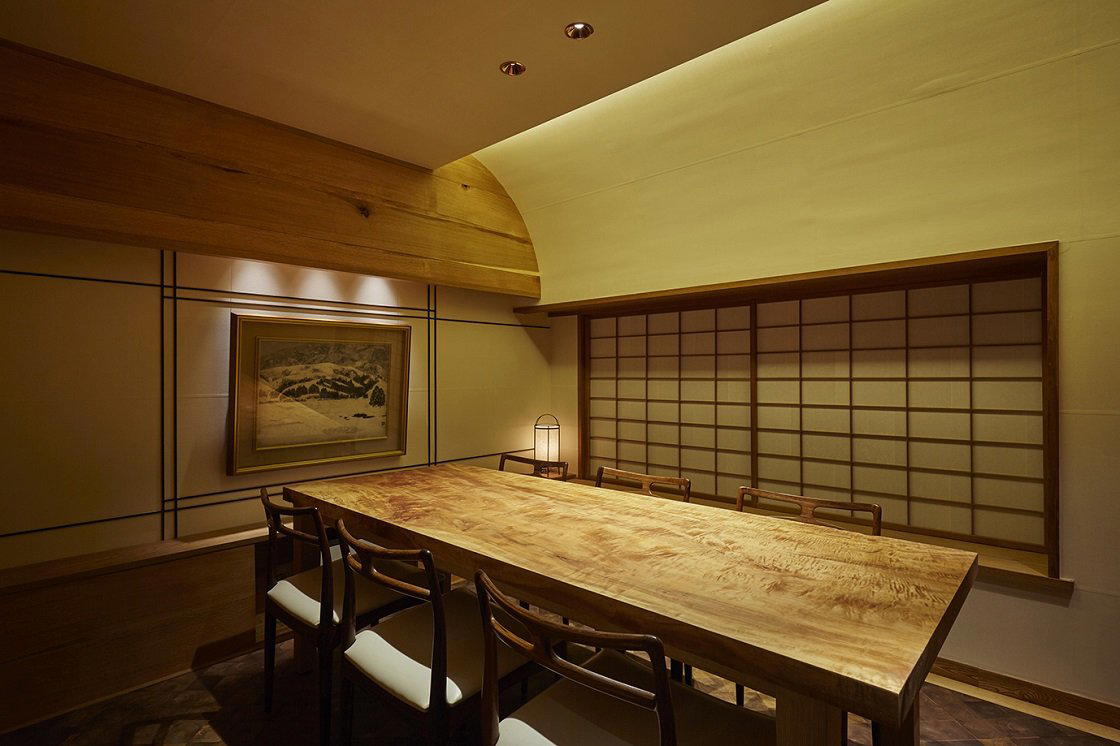
Bars in Osaka
Browse all →




Hotels in Osaka
Browse all →

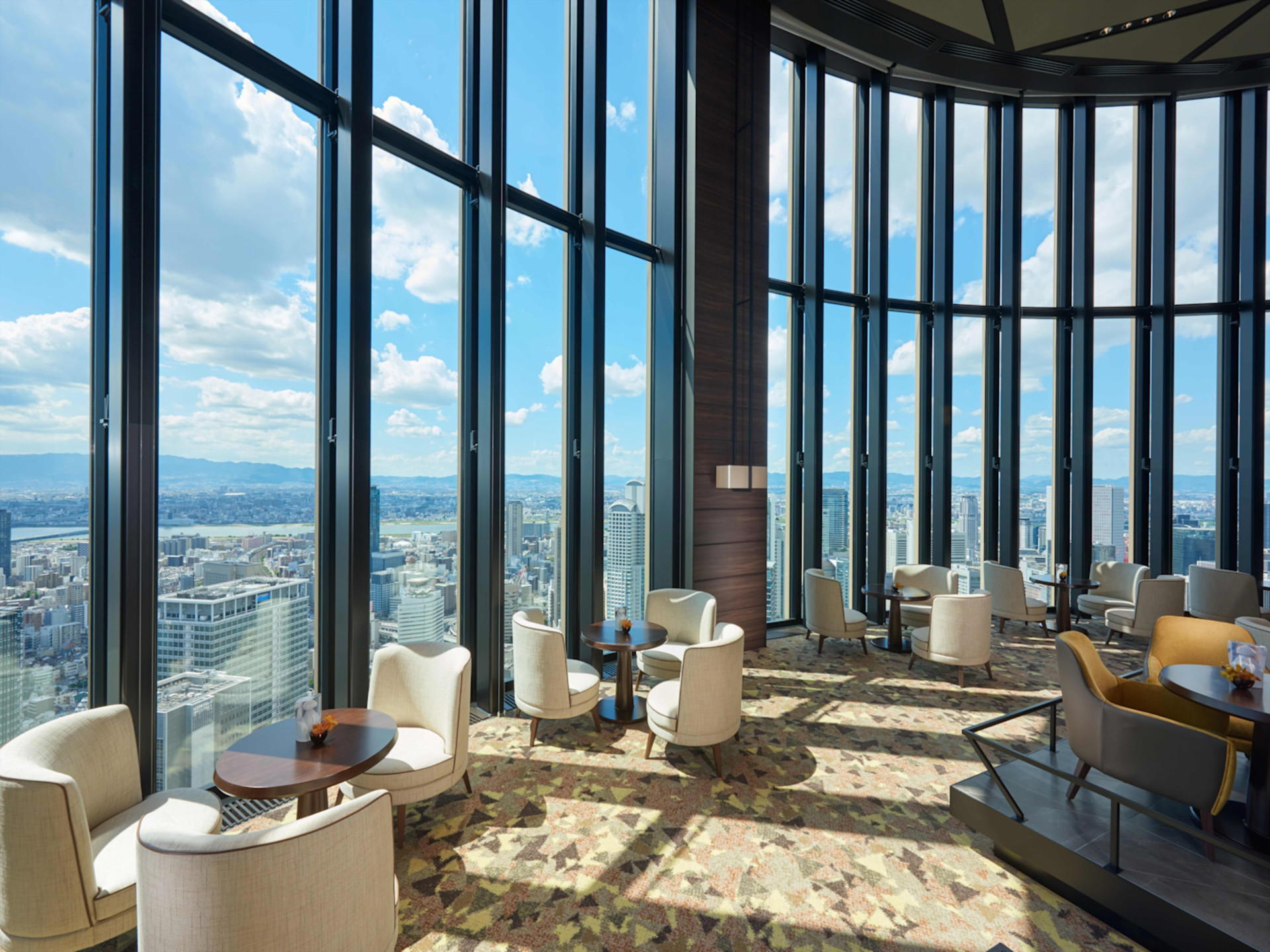


Wineries in Osaka
Browse all →
At a Glance
- Cozy
- Intimate
- Classic
- Group Dining
- Family
- Casual Hangout
- Special Occasion
- Solo
- Standalone
- Sake Program
A small, non-smoking local hideout with about two dozen seats split between tables and a tatami area, offering a relaxed, classic Japanese atmosphere that feels cozy and friendly rather than formal.