
Man masa places Osaka yakiniku in its older, more tactile register: smoke, counter seats, tatami rooms, offal cuts, sake and shochu rather than polished tasting-menu choreography. Its repeated Tabelog 100 Yakiniku WEST selections through 2025 and JPY 6,000–7,999 dinner range put it in a serious local bracket without moving into luxury pricing.
Pearl is the En Primeur Club membership app — saves, bookings, and concierge access live there. Same editors, same standards.
- Address
- 3 Chome-3-2 Momodani, Ikuno Ward, Osaka, 544-0034, Japan
- Phone
- +81 90-2592-9687
- Website
- instagram.com
 Saves & bookings on Pearl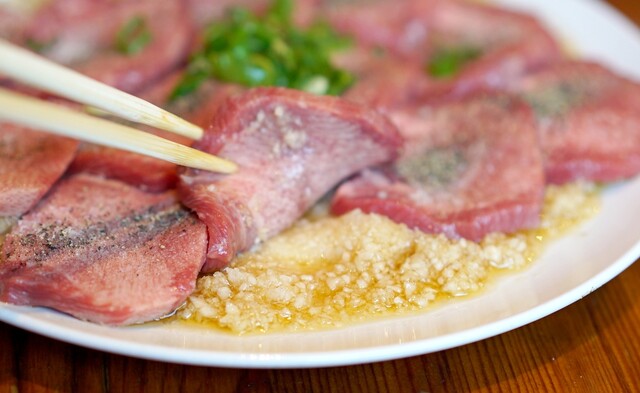
Approaching yakiniku in Osaka means accepting the city at grill level: the hiss of fat, the quick turn of tongs, the table becoming both kitchen and dining room. In Ikuno Ward, where Korean-Japanese food culture has shaped one of Osaka’s defining eating districts, the genre is less about ceremony than control. Heat, timing and cut selection matter more than plating. Man masa belongs to that tradition: a house-style yakiniku room with counter seating and tatami space, closer in spirit to neighbourhood appetite than hotel dining.
That context matters because Osaka does not treat grilled beef as a single category. Around the city, casual beef shops, horumon specialists, Korean-influenced rooms and splurge counters compete for the same evening hunger. The price band here, JPY 6,000–7,999 at dinner, places it above everyday okonomiyaki or ramen spending and below the city’s grander beef rooms. For comparison, Okonomiyaki Omoni Honten and Samgyetang Niru sit in a lower casual bracket, while Pocket reaches a dinner range closer to this level. The difference is not just cost; it is the expectation that beef and tripe carry the meal rather than function as one stop in a broader Osaka crawl.
Smoke, offal and the Osaka yakiniku register
Osaka’s yakiniku culture is at its strongest when it resists polish. The city has long rewarded places that understand texture: skirt, belly, tripe, liver and other cuts that ask diners to pay attention rather than simply order the highest-priced beef. Man masa’s listed categories, yakiniku and tripe, put it in that more specific lane. The presence of sake and shochu also signals a room built for grilled meat’s rhythm: sharp heat, salt or sauce, a drink that can reset the palate, then another round.
The atmosphere is therefore central to the editorial case. Counter seating changes the pace, keeping the action close and direct. Tatami rooms shift the meal toward a group format, where the grill becomes shared territory and the conversation moves around it. This is not the Osaka of grand reveal menus. It is the city’s more physical dining grammar, where sound and smoke are part of the social contract.
Recognition gives that sensory argument some weight. Man masa was selected for Tabelog 100 Yakiniku WEST 2025, with earlier selections listed across multiple years from 2019 onward. Tabelog’s Hyakumeiten lists are useful in Japan because they capture a local dining consensus that often sits outside Michelin-style luxury. In yakiniku, that distinction is especially relevant: the rooms that matter are not always the ones built for international tasting-menu expectations.
Why Ikuno changes the read of the meal
Ikuno and the Tsuruhashi area give yakiniku a different meaning from the same meal in Umeda or Namba. This part of Osaka is deeply associated with Korean markets, grilled meat, kimchi shops and casual dining rooms that run on repeat customers rather than spectacle. A yakiniku dinner here carries neighbourhood context before the first order lands. The reader should understand the area as part of the experience, not as a backdrop.
That also explains why the venue works for a certain kind of diner and not another. Anyone looking for a highly staged, English-forward, chef-counter performance may be reading the wrong category. The appeal is tighter: a grill-led meal in an Osaka district where beef and offal have deep local footing, backed by recurring national dining recognition. In that sense, it sits far closer to the city’s lived eating culture than to the luxury restaurant circuit.
Osaka’s range is useful here. Ramen Shuki sits in a lower everyday bracket, Yaoyasu occupies another casual register, and the city’s broader dining map stretches from bakeries such as 52CHO-ME BAKERY to Italian rooms such as a canto (Italian) and pizza specialists like 99 Pizza Napoletana Gourmet. Yakiniku in Ikuno should be read beside those options as a category with its own rules: less linear, more tactile, and often better suited to a group that wants the meal to unfold around the grill.
The decision: serious local yakiniku without luxury theatre
The reason to seek this table is not a chef biography or a branded tasting format. It is the combination of category focus, district credibility and repeated Tabelog 100 selection. In a city where casual food can be outstanding at low prices, spending in the JPY 6,000–7,999 band needs justification. Here, the justification is specificity: yakiniku and tripe, in a part of Osaka where the form has cultural weight, with recognition that places it among notable western Japan yakiniku addresses.
For travellers building an Osaka itinerary, this is better positioned as an evening anchor than a quick add-on. Pairing it with broader city research helps clarify the choice: Our full Osaka restaurants guide maps the dining field, while Our full Osaka hotels guide, Our full Osaka bars guide, Our full Osaka wineries guide and Our full Osaka experiences guide help place dinner within the wider trip. For lighter Osaka stops.cafe and 551 Horai (551蓬莱) occupy different parts of the city’s food rhythm.
Travellers comparing grill-led meals across Japan can also look beyond Osaka: -Grilled beef Sukiyaki- KAMAKURA TANUKIAN 鎌倉 たぬき庵 in Kamakura frames beef through sukiyaki, while. 鮪と炭火焼き うお炭 秋葉原店 in Tokyo points toward charcoal and seafood. The wider Japanese table stretches through.know in Kumamoto, (Shoku) Vietnam in Kawasaki, [Curry Senmon Ten] Maruyama Kyoju. in Sapporo and [ki:] in Kyoto. For readers continuing the Japanese drinking-and-snack thread abroad, Jōdo Saké Bar in Los Angeles and Onigiri Time in Pasadena show how those forms translate outside Japan.
Cost Snapshot
Comparable venues at the same tier.
| Venue | Cuisine | Price | Notes |
|---|---|---|---|
| Man masaThis venue — the venue you are viewing | Not listed | $$ | Not listed |
| Grill Baranoki | Not listed | $$ | Chūō, Japanese-style Western (Yoshoku) |
| OXYMORON Kitahama | Chūō, Japanese Curry Cafe | $$ | Not listed |
| Sekaiichi Himana Ramen Ya | Not listed | $$ | Kita, Ramen shop specializing in broth-less and soupy bowls |
| tanpopo Kitashinchi honten | Not listed | $$ | Kita, Teppanyaki & Okonomiyaki with Italian Wine |
| DINING | Osaka, Japanese Kaiseki and Teppanyaki | Not listed | Not listed |
Recognition history
Dated appearances from independent guides and award organizations, with the underlying list record or original source where available.
Tabelog 100 #46 · No. 46
Tabelog · Tabelog 100 - Yakiniku - WEST - 2025
Continue exploring
More in Osaka
Restaurants in Osaka
Browse all →




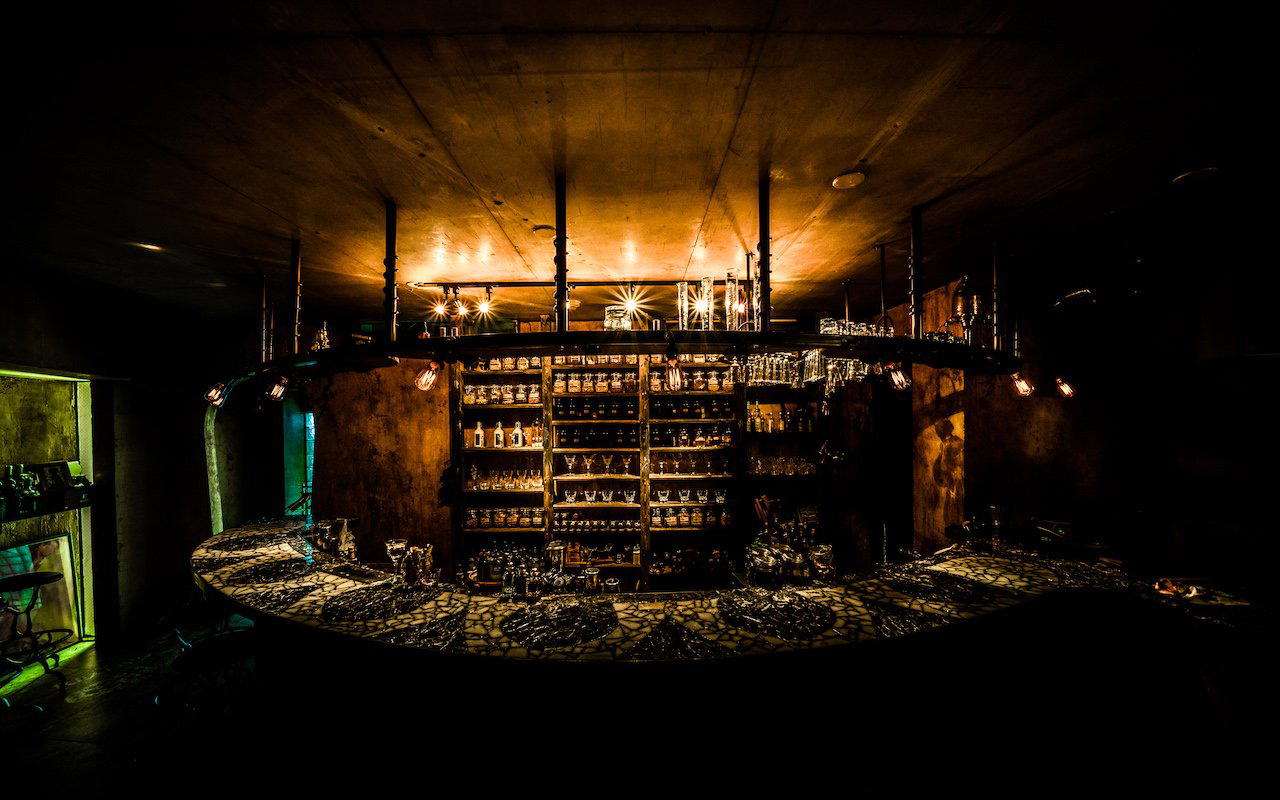
Bars in Osaka
Browse all →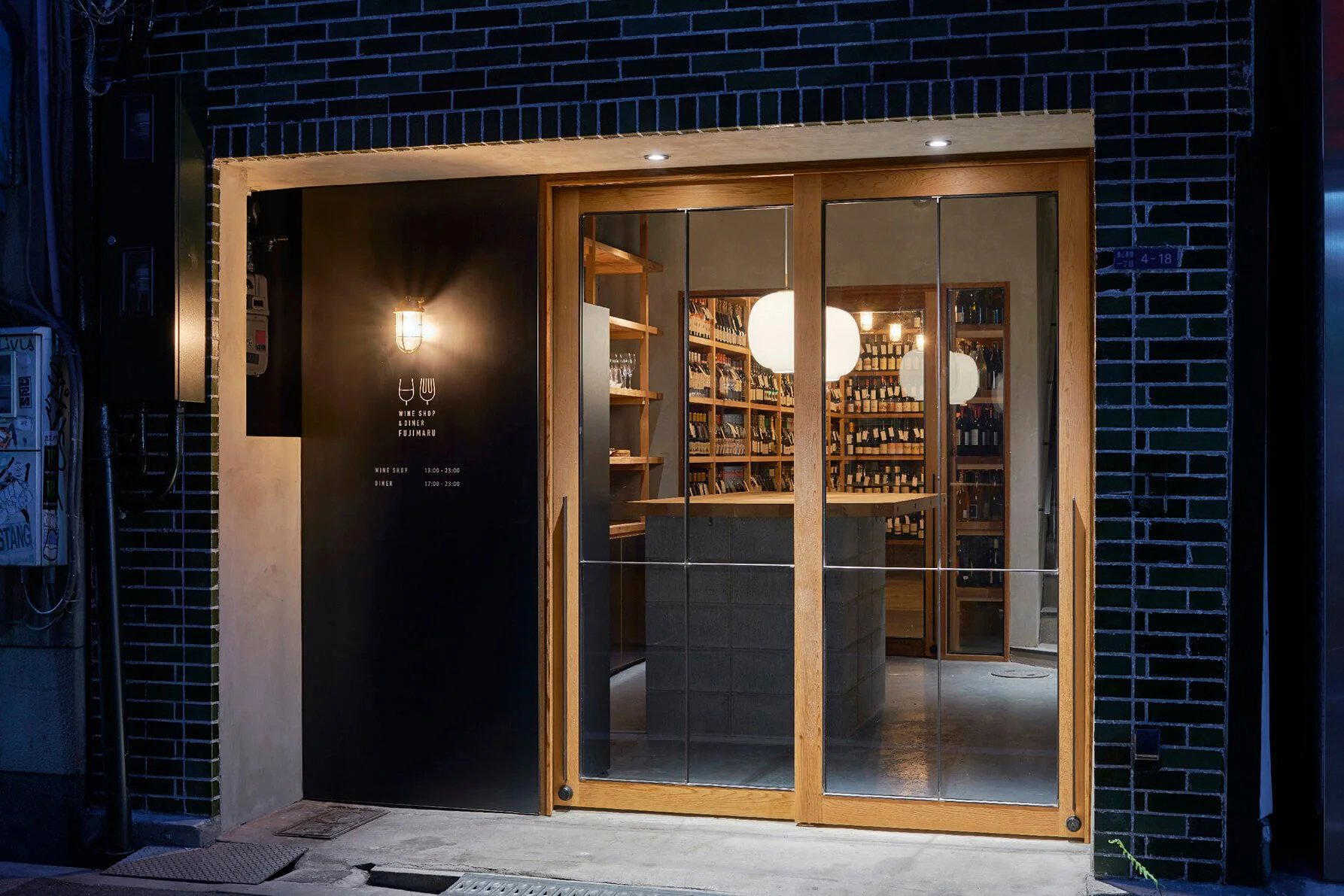


Hotels in Osaka
Browse all →



Wineries in Osaka
Browse all →
At a Glance
- Group Dining
- Casual Hangout
- After Work
- Late Night
- Standalone
- Sake Program
- Beer Program
Current opening hours
- Monday
- Closed
- Tuesday
- 5:30–10 PM
- Wednesday
- Closed
- Thursday
- 5:30–10 PM
- Friday
- 5:30–10 PM
- Saturday
- 5:30–10 PM
- Sunday
- 5:30–10 PM
Hours can change for holidays and private events. Last verified .
Described on local guides as a house-restaurant hideout, giving it an intimate, tucked-away feel typical of a small neighborhood yakiniku spot.