
Yamani gives Uonuma’s grill culture a sharper address: tripe and Jingisukan in a modest Koidejima room, backed by repeated Tabelog 100 recognition for yakiniku in eastern Japan. The draw is not luxury theatre, but regional appetite, offal confidence, and a price tier that keeps the cooking closer to local habit than destination tasting-menu economics.
Pearl is the En Primeur Club membership app — saves, bookings, and concierge access live there. Same editors, same standards.
- Address
- 新潟県魚沼市小出島124-26
- Phone
- +81257920120
- Website
- tabelog.com
 Saves & bookings on Pearl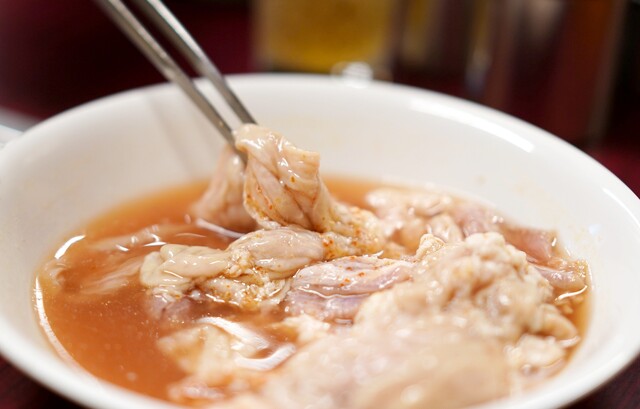
Koidejima is not a stage-set dining district; it is the kind of Uonuma address where the room matters less than the heat source, the cut, and the company. Yamani belongs to a Japanese grill tradition that rewards appetite over ceremony. Smoke, counter seating, tatami rooms, sake, shochu, wine, and the rhythm of a neighbourhood dinner point to eating closer to local routine than culinary theatre.
That distinction matters in Niigata. Uonuma’s name travels through rice, snow-country agriculture, and sake culture, but its everyday dining is broader than premium koshihikari and ryokan meals. Grilled meat rooms, offal specialists, and lamb-focused counters belong to the same regional metabolism: cold winters, strong drinking culture, and food built to carry conversation rather than perform as a plated sequence.
Tripe and Jingisukan put Uonuma's grill culture ahead of luxury signals
Yakiniku in Japan often splits in two. One track is high-spend wagyu rooms built around marbling, provenance, and private-room calm. The other is democratic: offal, lamb, mixed cuts, table grills, and ordering shaped by texture as much as prestige. Yamani sits firmly in the second track, defined by tripe and Jingisukan rather than branded beef.
That focus gives the restaurant its weight. Tripe demands preparation, seasoning, and cut selection; lamb in the Jingisukan idiom points northward in Japanese food memory, toward communal grilling and drinking rather than formal beef service. In Uonuma, the restaurant feels less like an imported urban yakiniku model than a local answer to what should be eaten with sake after work, with friends, and without ceremony.
The Tabelog 100 recognition for Yakiniku EAST in 2025 places Yamani in a regional conversation beyond Niigata. Earlier Tabelog 100 selections for yakiniku and grill categories are also useful signals because this genre is hard to judge from outside. Grill restaurants live on consistency, ingredient handling, and repeat local use. A tripe-and-lamb room does not need luxury-beef visuals to compete; it needs sourcing and preparation confident enough that diners order parts other restaurants treat as secondary.
For travellers comparing Uonuma with larger Japanese dining markets, price architecture is the useful contrast. Ryu Zushi, Miyano Ya, and Keyaki En occupy higher dining bands in the wider out-of-metro set, while Ichii and Paris Pie sit more casually. Yamani gives a recognised grill address without sushi-counter spending or formal kaiseki pacing. It is not a substitute for those meals, but a different night built around heat, protein, alcohol, and table energy.
The room reads as local, not destination-designed
The format is part of the argument. A 40-seat restaurant with counter seating and tatami space fits small-city Japanese dining: flexible for pairs, friends, and regulars, not built around metropolitan counter hush. The listed no-smoking policy also matters in a category where grill rooms can otherwise carry more than cooking aroma.
Uonuma is not Tokyo, Kyoto, or Osaka, and that is the point. Destination dining in smaller Japanese cities asks visitors to shift from English-language polish to category literacy. Here, knowing the difference between a beef-first yakiniku dinner and a tripe-and-lamb grill room matters more than chasing a chef biography. The public identity is ingredient-led, not personality-led, suiting an area where rice, sake, preserved foods, river fish, mountain vegetables, meat, and winter appetite sit in the same frame.
The occasion profile is another cue: this is a friends’ table more than a formal celebration room. A meal like this rewards ordering across categories, sharing the grill, and treating drinks as structural, not additional. For a broader map of the city’s dining options, see Our full Uonuma restaurants guide; for where to stay around the same trip, use Our full Uonuma hotels guide.
How to place it within a wider Japan itinerary
Yamani works as a regional counterweight to Japan’s reservation-heavy prestige dining. A traveller might spend one night on sushi, another on beef, another on a bar with a tight sake list. Uonuma’s grill night should be read through ingredients and mood, not luxury shorthand. Recognition gives it a quality signal; the category keeps it grounded.
That is why it fits a Niigata itinerary built around rice country and sake rather than a single destination meal. A day can move through snow-country landscapes, breweries, or onsen, with dinner turning to meat and offal after dark. Visitors wanting a broader evening plan can cross-reference Our full Uonuma bars guide, while longer regional planning can include Our full Uonuma wineries guide and Our full Uonuma experiences guide.
For a Japan-wide food route, compare categorically, not hierarchically. A sukiyaki-focused meal such as -Grilled beef Sukiyaki- KAMAKURA TANUKIAN 鎌倉 たぬき庵 in Kamakura tells another story about beef and sweetness; . 鮪と炭火焼き うお炭 秋葉原店 in Tokyo pulls charcoal toward seafood and city drinking; #肉といえば松田 奈良本店 in Kashihara belongs to another meat idiom. Yamani’s narrower role is more useful: it shows how a small-city grill room can make less glamorous cuts and lamb the meal’s centre.
Other detours make sense when an itinerary needs contrast rather than repetition: .cafe in Osaka,.know in Kumamoto, (Shoku) Vietnam in Kawasaki, [Curry Senmon Ten] Maruyama Kyoju. in Sapporo, [ki:] in Kyoto, 1/3 HAMBURGER FACTORY in Kanazawa, 1000 in Yokohama, and 1000mヒュッテ 1000m Hut in Kutchan. For sake-led extensions beyond Japan, Jōdo Saké Bar in Los Angeles and Onigiri Time in Pasadena show how Japanese drinking and rice culture translate abroad.
The critical reason to keep Yamani on the Uonuma list is not rarity for its own sake. It is the alignment between place and plate: a snow-country city, a practical grill format, offal and lamb rather than luxury beef as the main signal, and enough external recognition to justify the detour for diners who care about regional texture.
Snapshot
Comparable venues by cuisine and price in the same metro.
| Venue | Cuisine | Price | Awards | Notes |
|---|---|---|---|---|
| YamaniThis venue — the venue you are viewing | Uonuma horumon-yaki and jingisukan | $$ | , | |
| Nagano Meijitei | Nagano Sauce Katsudon | $$ | , | Nagano Station |
| 東家 本店 | 盛岡わんこそばの老舗 | $$ | , | 中ノ橋通 |
| 麺屋 あごすけ | あごだしラーメン | $$ | , | 上越市 |
| Standing Sushi Bar Shichiko (立ち喰い寿司 七幸) | Standing Sushi Bar | $$ | , | 高松市中心部 |
| Tenfusa (天房) | Tempura & Tendon | $$ | , | Toyosu |
At a Glance
- Lively
- Cozy
- Classic
- Hidden Gem
- Energetic
- Group Dining
- Casual Hangout
- After Work
- Solo
- Standalone
- Sake Program
- Beer Program
- Local Sourcing
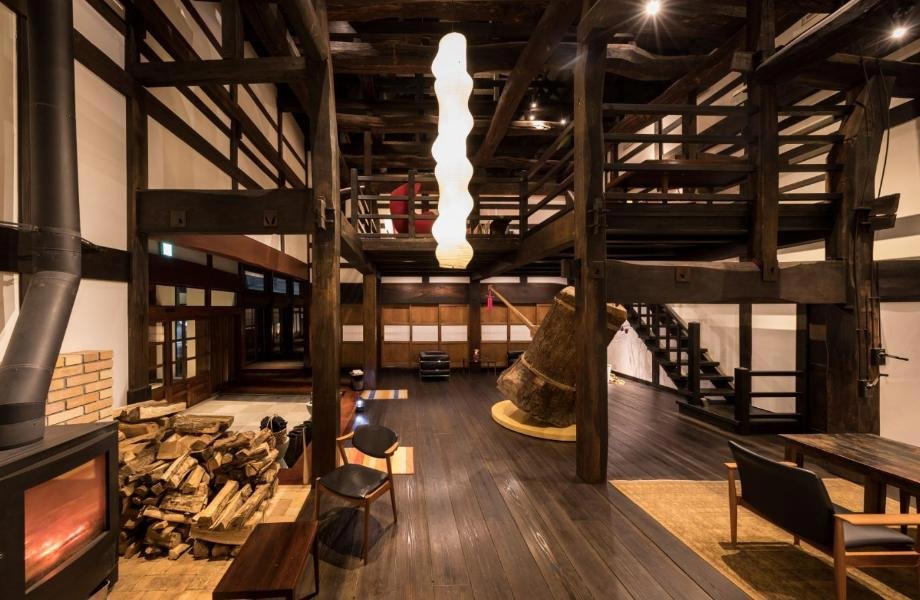
A compact, no-frills Japanese horumon-yaki joint with counter seats and tatami rooms, a lively, crowded atmosphere that fills up quickly in the evening, and a down-to-earth, classic feel focused on food rather than decor.