
Tabelog 100 #92
Our verdict
Paris Pie gives Nagaoka a low-price, take-out-led sweets stop with more credibility than its modest format suggests. Its selection for Tabelog 100 - Sweets - EAST - 2023 places it in a regional conversation about Japanese Western-style confectionery, where ingredient discipline and repeat custom matter more than ceremony.

Pearl is the En Primeur Club membership app — saves, bookings, and concierge access live there. Same editors, same standards.
- Address
- Japan, 〒940-0062 Niigata, Nagaoka, Otedori, 1 Chome−5−7 大手通りビル 1F
- Phone
- +81 258-39-7050
- Hours
- Mon–Tue ClosedWed–Sun 10 AM–6:30 PM
- Website
- paris-pai.com
- Directions
- Get directions
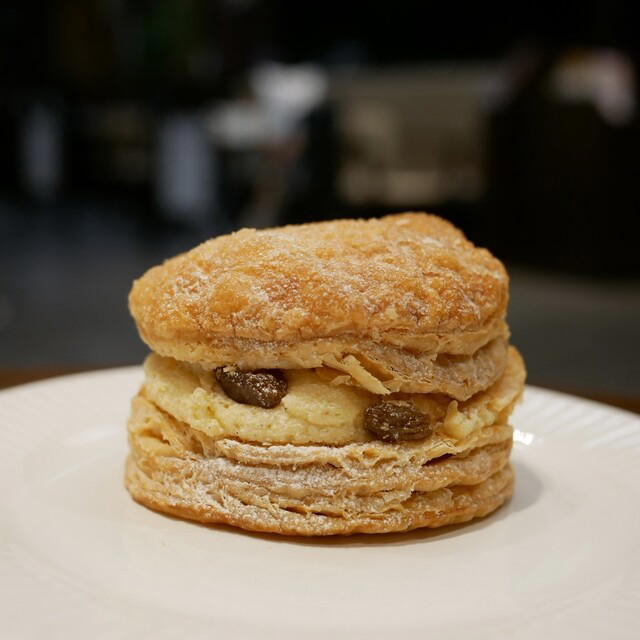
The menu
What to order
- レアチーズブルーベリー (rare cheesecake blueberry mille-feuille)
- レモン (lemon mille-feuille)
- チェリーパイ (cherry pie-style mille-feuille)
- フランボワーズ (raspberry mille-feuille)
- フロランタン(ミルフィーユ仕立て)
Nagaoka is not a place that asks every diner to dress for the room. It is a practical regional city where food culture often reveals itself through small counters, sweets cases, and places built for repeat local use rather than long lunches. In that setting, Paris Pie belongs to a recognisable Japanese category: Western-style sweets adapted to everyday rhythms, priced for frequent buying, and judged by consistency rather than theatre.
The useful way to read this shop is not as a grand dessert destination, but as part of Japan’s long-running yōgashi tradition. Butter pastry, cream-based sweets, fruit work, and individual portions entered the Japanese mainstream through European technique, then became localised through smaller formats and sharper attention to seasonality. Niigata adds its own context. The prefecture’s food identity is usually discussed through rice, sake, seafood, and snow-country produce, but its sweets culture also depends on the same question: where does the ingredient come from, and how cleanly is it handled?
Nagaoka sweets culture in an everyday format
Western-style sweets in regional Japan occupy a different social role from restaurant dessert. They are bought for family tables, train rides, office visits, school celebrations, and the small acts of obligation that shape Japanese hospitality. A shop can be modest in footprint and still matter if it earns repeat use. Paris Pie’s everyday format places it in that daily-use tier, while its recognition on Tabelog 100 - Sweets - EAST - 2023 gives it a broader signal beyond local loyalty.
That award matters because sweets rankings in Japan tend to reward reliability across a narrow field. A pastry shop cannot hide behind a long beverage list or a room with expensive materials. The product has to hold its appeal beyond the first look in the case. For travellers, that makes the category unusually transparent: the appeal is in execution, value, and how well a shop fits the city around it.
Nagaoka’s dining scene is often read through practical eating rather than destination dining. Within the city, Ichii sits in a slightly higher everyday bracket, while レストラン ラルモワーズ points to a more restaurant-shaped meal. Paris Pie answers a different need: a short stop for sweets with enough recognition to justify attention from travellers who usually skip regional pastry counters in favour of bigger-city names.
Why ingredient discipline matters more than menu drama
Japan’s Western-style sweets tradition is ingredient-sensitive by design. A small variation in dairy, fruit ripeness, flour handling, or storage temperature changes the result quickly. That is why the strongest shops in this field often communicate restraint rather than novelty. The category rewards fresh turnover, careful portioning, and a clear sense of what should be eaten while the sweets are at their best.
Niigata’s wider food reputation strengthens that reading. This is a prefecture where provenance is not a fashionable add-on; it is embedded in how people talk about rice, sake brewing, and seasonal produce. Even when a pastry shop does not publish a sourcing manifesto, the local expectation is clear: sweetness should not flatten the ingredient. The appeal of a regional yōgashi counter is often the quiet calibration between richness and lightness, not spectacle.
The low spend also changes the decision. At a listed price range of - JPY 999 - JPY 999, the risk is small, but the benchmark is not casual. Japanese sweets customers are exacting, and recognition from a national restaurant platform’s sweets list suggests a shop performing above the level implied by its everyday format. That is the editorial reason to care: the pleasure sits in a category where low cost and serious craft can coexist.
How to fit it into a Nagaoka food day
Paris Pie works cleanly as a mid-itinerary sweets stop rather than the anchor of a meal. It suits travellers moving through Nagaoka who want a local food signal without committing to a full restaurant sitting. The listed Western-style sweets category and modest price range make it practical for visitors building a day around several short food stops.
For a fuller read on the city, pair it with our full Nagaoka restaurants guide, then widen the planning lens through our full Nagaoka hotels guide, our full Nagaoka bars guide, our full Nagaoka wineries guide, and our full Nagaoka experiences guide. The point is not to force a pastry stop into a tasting-menu frame, but to understand how small-format sweets sit beside the city’s restaurants, drinking rooms, and regional food traditions.
Travellers comparing Japanese food stops across cities will find useful contrasts in formats rather than cuisines alone: some places are built around set meals, others around counters, cafés, casual sweets, regional dining, or specialist cooking. Paris Pie belongs to the category where format, price, and repeatability matter as much as any grand culinary statement. For Japanese food culture more broadly, the same lesson applies: format, sourcing, and audience shift from city to city, and small shops can often reveal those shifts more clearly than formal dining rooms.
The editorial verdict is simple: this is a smart stop for travellers who value regional food evidence over grand gestures. The draw is not ceremony, chef mythology, or a destination-room narrative. It is the intersection of Nagaoka’s everyday dining culture, Japan’s yōgashi discipline, and a sweets counter with credible third-party recognition, including a Tabelog score of 3.68 in the provided record.
Frequently asked questions
Is Paris Pie a family-friendly restaurant?
Paris Pie is listed in the Western-style sweets category in Nagaoka, with pricing recorded as - JPY 999 - JPY 999. Check the venue's official channels for the latest details.
What kind of setting is Paris Pie?
Paris Pie is in Nagaoka. It is recognised in the Tabelog 100 - Sweets - EAST - 2023 list.
Is Paris Pie expensive?
Pricing at Paris Pie is listed as - JPY 999 - JPY 999.
What is Paris Pie known for?
Paris Pie is known as a Western-style sweets venue in Nagaoka with Tabelog Sweets EAST 2023 recognition.
Comparison Snapshot
Comparable venues by cuisine and price in the same metro.
| Venue | Cuisine | Price | Awards | Notes |
|---|---|---|---|---|
| Paris PieThis venue — the venue you are viewing | Mille-feuille pastry specialty shop | $1–10 | Tabelog 100 #92 | Not listed |
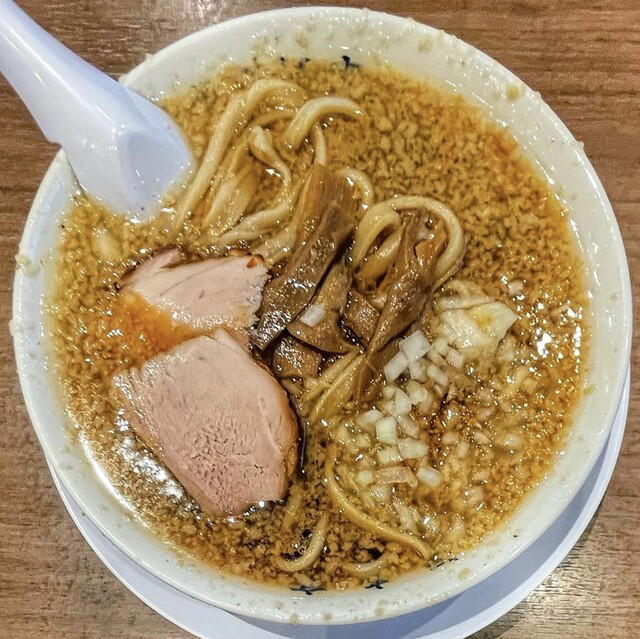
| Ichii | Specialty Shio Ramen Shop | $10–20 | Tabelog 100 #24 | Akebono |
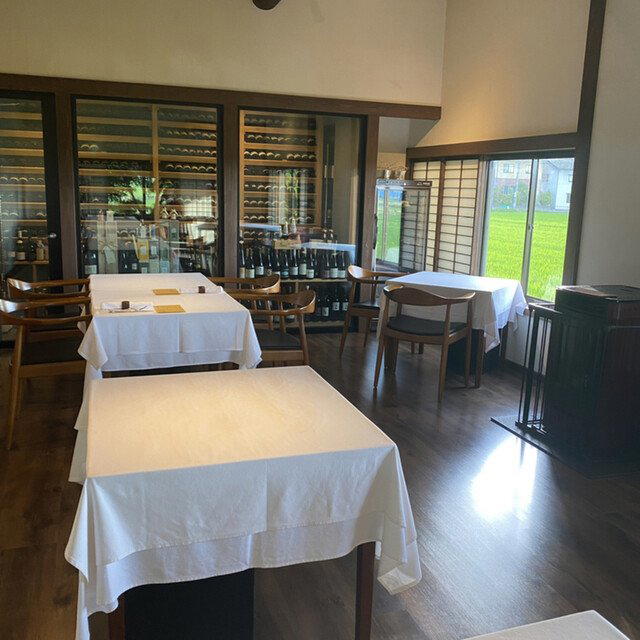
| レストラン ラルモワーズ | Seasonal French Gastronomy with Niigata Ingredients | $100–150 | Not listed | Nagaoka |
| Missu House Fushimi | Handmade Hokkaido Ice Cream & Parfaits | $10–20 | Not listed | Fushimi |
| Ult Coffee Roasters | Specialty Coffee Roasters | Not listed | Not listed | Kyomachibori |
| Patisserie Rond-to | Japanese patisserie & cafe | Not listed | Not listed | Obuse-machi |
Recognition history
Dated appearances from independent guides and award organizations, with the underlying list record or original source where available.
Tabelog 100 #92 · No. 92
Tabelog · Tabelog 100 - Sweets - EAST - 2023
Continue exploring
More in Nagaoka
Restaurants in Nagaoka
Browse all →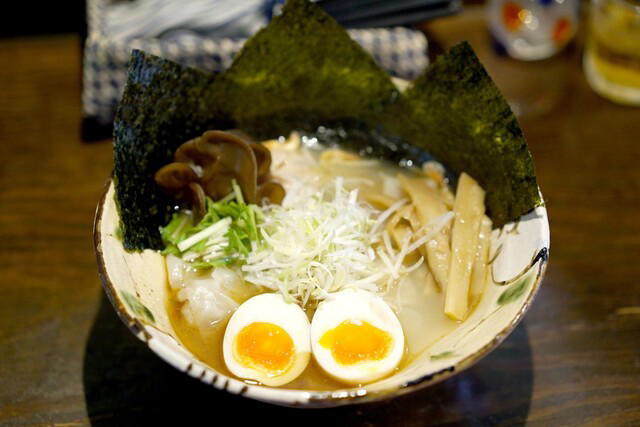
Details
- Cozy
- Classic
- Solo
- Casual Hangout
- After Work
- Celebration
- Family
- Standalone
- A La Carte
Current opening hours
- Monday
- Closed
- Tuesday
- Closed
- Wednesday
- 10 AM–6:30 PM
- Thursday
- 10 AM–6:30 PM
- Friday
- 10 AM–6:30 PM
- Saturday
- 10 AM–6:30 PM
- Sunday
- 10 AM–6:30 PM
Hours can change for holidays and private events. Last verified .
A small, low-key pastry shop with a simple, classic feel where guests often take pastries to go and savor freshly assembled mille-feuille rather than linger for long seated visits.