Tabelog 100 #39
Our verdict
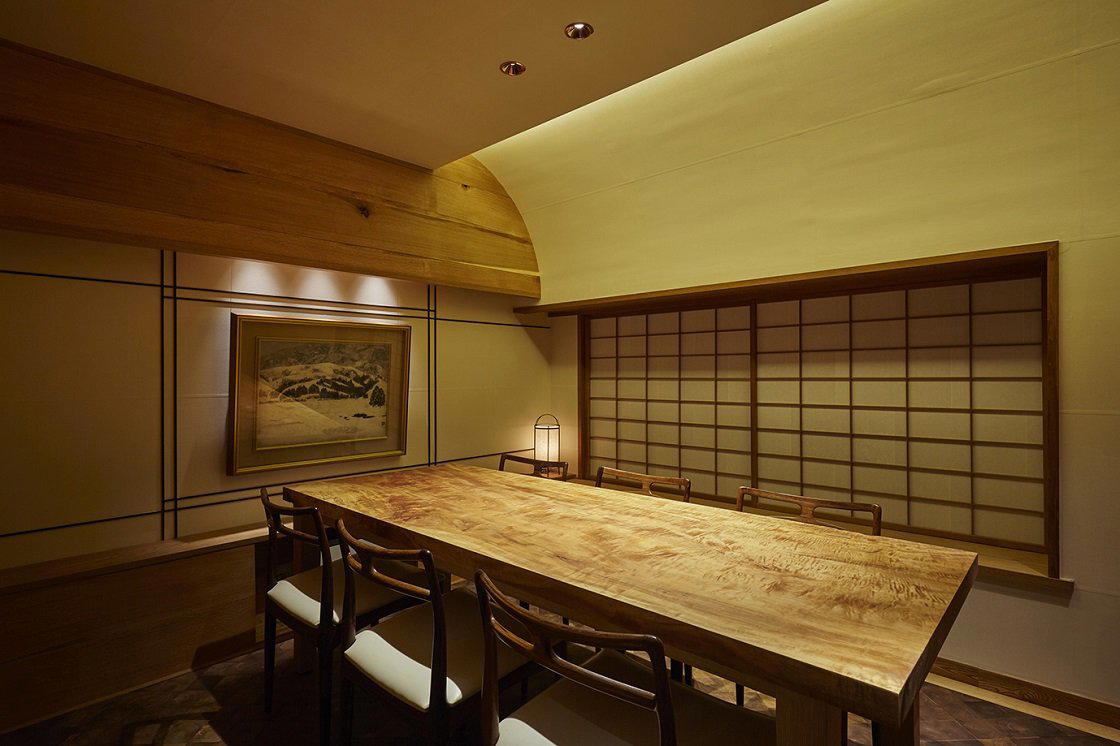
Osaka yakitori at this level is less about casual skewers than choreographed counter dining: fixed starts, shared pacing, and grill work treated as a full meal. Kuma no Yakitori 106 sits in that serious bracket, with Tabelog Yakitori WEST 100 recognition in 2025 and a compact room that keeps the ritual close to the fire.

Pearl is the En Primeur Club membership app, where members save venues, book tables and use the concierge.
The menu
What to order
- Egg-cooked rice
- Yakitori skewers from Kyukyoku-dori chicken
Osaka has the right scale for serious yakitori: direct, focused, and driven by dinner rhythm rather than customer drift. In a city where eating can be fast, loud, and democratic, higher-end yakitori asks for different attention. The meal is best approached as a sequence of heat, smoke, rest, and shared room pace, not simply as a snack parade.
Kuma no Yakitori 106 belongs to that disciplined category. Recognition in Tabelog Yakitori WEST 100 for 2025 places it in a competitive field where yakitori is judged not only by ingredients, but by control: how the grill handles fat, skin, lean meat, and other chicken parts; how the kitchen balances richer bites against lighter ones; how drinks support char without overpowering it. The format matters because yakitori loses authority when treated only as random ordering. Here, the appeal is the sense of focus: the restaurant is built around yakitori as a full meal, not grazing.
Yakitori as a timed Osaka counter ritual
Osaka’s dining culture often rewards informality, but its serious dining rooms can be exacting. Sushi, kappo, tempura, and yakitori share an unspoken contract: arrive ready to eat at the house cadence, watch the work, and let the sequence make its case. Yakitori’s version is especially physical. The grill is not background equipment; it organizes the meal. Heat decides pace, portion size, and when a skewer moves from fire to plate.
That is why a focused room changes dinner. A yakitori-led setup keeps attention close to the kitchen’s timing. This is not the same as treating skewers as casual add-ons to a broader night out. The appeal is contained service in which pacing becomes part of the cuisine. For travelers used to yakitori as a casual post-drinks stop, this format quickly recalibrates expectations.
The venue’s Tabelog score of 3.74 is not the whole story, but in Japan’s user-review ecosystem it signals a restaurant above the casual neighborhood tier. Its Tabelog 100 selection for 2025 adds a stronger trust marker than casual word of mouth. In a category where many counters are locally beloved but barely legible to visitors, that recognition helps separate a serious reservation from a convenient dinner.
The chicken-first argument, and why it matters
Yakitori at this level is a conversation about chicken as much as charcoal. The restaurant is identified as yakitori, specifically grilled chicken skewers, which makes poultry the center of gravity rather than a supporting act. That matters because premium yakitori has become more like sushi in its attention to handling. The bird is no longer neutral protein; butchery, seasoning, and heat affect texture, fat, and how each part behaves over fire.
The broader shift is easy to miss from outside Japan. Casual yakitori often leans on sauce, salt, and smoke’s easy pleasure. Serious yakitori asks a narrower question: how many expressions can chicken carry through a meal? Different parts demand different timing, and the pleasure comes from noticing contrast. The craft is not only charring, but deciding when resistance, softness, fat, and savor should appear.
Kuma no Yakitori 106 also sits within contemporary premium yakitori’s more flexible drinking culture. The category no longer belongs only to a single kind of drink pairing. Wine can work with smoke and fat when pacing is controlled, while sake, shochu, beer, and highballs all remain natural companions to grilled poultry. The point is flexibility around chicken, seasoning, and repeated charcoal.
Compared with other Osaka meals, the positioning is clear. Sushi Marumine speaks to the city’s sushi appetite, while Katsuya charcoal grill steakhouse sits closer to premium grilled beef. Gunjo, Hachi, and DIVA occupy different parts of Osaka’s dining map. Kuma no Yakitori 106 is narrower, and that narrowness is the advantage: it asks diners to give a full evening to chicken, fire, and pacing rather than treating yakitori as prelude.
How to place it in an Osaka itinerary
This is a dinner for travelers who want Osaka beyond obvious street-food shorthand. The city’s quick-service canon still matters, and Osaka’s everyday favorites remain useful references for how mass affection and consistency shape local eating. But serious dining here is more varied than takoyaki clichés suggest. Other Osaka dining rooms show a city moving between vernacular comfort, counter precision, and imported influences.
The smarter use of a yakitori reservation here is to protect the evening around it. The meal’s value depends on rhythm, and the experience is not best treated as one casual stop in a loose drinking crawl. Treat it as the night’s anchor, then build lighter meals around it. For planning, Our full Osaka restaurants guide gives the dining context, while Our full Osaka hotels guide, Our full Osaka bars guide, Our full Osaka wineries guide, and Our full Osaka experiences guide help map the rest of the trip.
Readers comparing Japanese dining formats beyond Osaka can see how regional specificity changes the meal: other Japanese dining rooms place grilled beef, charcoal cooking, and quieter regional service in different traditions. Further afield, Japanese formats can travel, adapt, or stay rooted depending on city and audience, but Kuma no Yakitori 106 is best understood through Osaka’s own appetite for focused dining.
The editorial call is simple: this is not the Osaka meal for diners seeking variety across a dozen addresses in one night. It is for those who understand that yakitori becomes compelling when repetition is disciplined. The reward lies in submitting to the sequence and noticing how small changes in cut, heat, seasoning, and timing carry the evening.
Frequently asked questions
When is Kuma no Yakitori 106 open?
Current opening hours for Kuma no Yakitori 106 are not provided here. Check the venue's official channels for the latest schedule before planning a visit.
How much does it cost to eat at Kuma no Yakitori 106?
Pricing at Kuma no Yakitori 106 is listed as JPY 10,000 - JPY 14,999 JPY 10,000 - JPY 14,999.
How do I find Kuma no Yakitori 106?
Kuma no Yakitori 106 is located in Osaka.
What is Kuma no Yakitori 106 known for?
It is identified as yakitori, or grilled chicken skewers, and has a Tabelog 100 Yakitori WEST 2025 selection with a Tabelog score of 3.74. The format suits diners looking for a focused yakitori meal in Osaka.
Can Kuma no Yakitori 106 adjust for dietary needs?
Those details are not provided here. Because the venue is focused on grilled chicken skewers, diners with dietary needs should check the venue's official channels for the latest details before booking.
Does Kuma no Yakitori 106 work for a family meal?
It can suit a family that is comfortable with a yakitori-focused dinner. Because the venue centers on grilled chicken skewers, it reads as a better fit for diners ready for that specific format than for casual drop-ins seeking broad menu variety.
The Minimal Set
Side-by-side context: comparable cuisine and price.
| Venue | Cuisine | Price | Awards | Notes |
|---|---|---|---|---|
| Kuma no Yakitori 106This venue (the venue you are viewing) | Members-only Yakitori Omakase | $100–150 | Tabelog 100 #39 | Not listed |
| Gunjo | Tsukemen and ramen noodle bar | $10–20 | Tabelog 100 #87 | JPY 999 - JPY 999 |
| Sushi Marumine | Edomae Sushi | $50–100 | Michelin Plate | Sushi |
| Hachi | Binchōtan-Grilled Wagyu Omakase | $150–200 | Michelin Plate | Not listed |
| Katsuya charcoal grill steakhouse | Charcoal Grill Steakhouse | $100–150 | Tabelog 100 #88 | JPY 15,000 - JPY 19,999 |
| DIVA | Classic French Bistro Counter Dining | $50–100 | Michelin Plate | Not listed |
Recognition history
Dated appearances from independent guides and award organizations, with the underlying list record or original source where available.
Tabelog 100 #39 · No. 39
Tabelog · Tabelog 100 - Yakitori - WEST - 2025