
Tabelog 100 #48
Our verdict
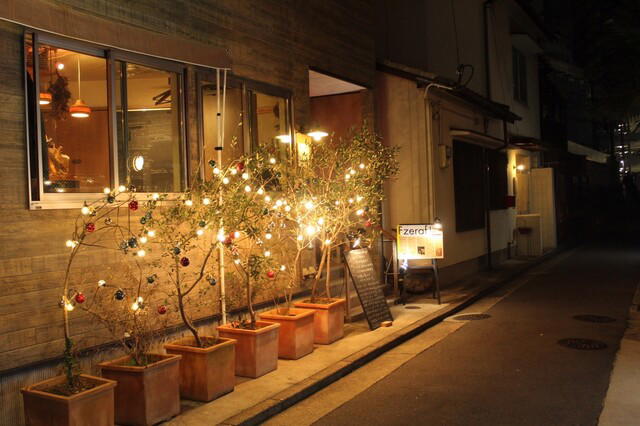
Yama Basque belongs to Fukuoka’s small-format Spanish bar tier, where wine, counter seating, and Kyushu produce matter more than ceremony. Its selection for Tabelog 100 Spanish cuisine in 2024 and 2026 gives it a clear credential, while the 14-seat scale keeps the experience closer to a serious bar à manger than a formal dining room.

Pearl is the En Primeur Club membership app, where members save venues, book tables and use the concierge.
The menu
What to order
- Charcoal-grilled game meat
- Cod pil-pil
- Basque-style rice dishes
Fukuoka rewards diners who pay attention beyond the city’s most obvious dining routes. Polished urban energy loosens into dinners and wine-bar evenings where the night can move from a first glass to a fuller meal without a major change of mood. Yama Basque sits in that register: Spanish, baru, and wine bar by published category, and best understood as part of Fukuoka’s varied restaurant-and-drinking landscape rather than as a venue that needs a narrow label.
That distinction matters in a city whose dining is often described through a few famous genres. Fukuoka has room for ramen, seafood, casual specialist rooms, and more internationally framed restaurants, and Spanish bar culture fits naturally into that wider pattern. The vocabulary is flexible: small plates, drinks, pacing, and a less rigid meal structure can all support a night that feels social rather than formal. In this context, the Basque reference works less as a claim to documentary regionalism and more as a cue for a Spanish-style bar experience in Fukuoka.
Spanish bar culture filtered through Fukuoka
The appeal here is the meeting point between Spanish bar structure and a Fukuoka dining setting. The city has a public comfortable with focused, small-scale restaurants, and Spanish baru cooking gives a room a frame that can be relaxed without becoming shapeless. That kind of format changes the rhythm, too. It keeps the emphasis on pacing, bottles, and conversation rather than ceremony.
Recognition has followed that fit. Yama Basque is listed in the Tabelog Hyakumeiten source for 2026, with a published score of 3.58 and a dinner budget of JPY 5,000 - JPY 5,999. The point is not that Fukuoka suddenly needs outside validation for Spanish cooking. It is that a focused Fukuoka venue can compete for attention in a national dining landscape while staying legible to the city’s evening habits: drinks, compact plans, and food that can make sense after work as much as on a planned date.
Within Fukuoka’s broader restaurant map, that puts it in a different decision bracket from some higher-spend counters and category specialists. F ridge sits in a higher dinner band, while Yakitori Koto occupies the city’s grilled-chicken lane at a higher spend. comodo runs closer on price but reads through an Italian lens. Kamo to Negi Yodomizu Nigyo gives another example of how Fukuoka diners support focused formats. Yama Basque’s angle is Spanish and wine-bar-oriented, which makes it useful for travellers who want a Fukuoka evening that does not default to sushi, yakitori, or ramen.
The wine-bar format is the point, not a side note
Fukuoka’s stronger small restaurants often blur the line between meal and drinking session. That is not a compromise; it is part of the appeal of the category. A Spanish baru format gives permission to order in stages, let drinks shape the meal, and avoid the formality of a long course sequence. For a city with a serious appetite for evening dining, this matters. The format is built for conversation, small groups, and a gradual meal rather than a scripted procession.
The scale and style are central to that experience. Smaller restaurants can be romantic in the practical sense: fewer distractions, tighter pacing, and a clearer sense of what the night is for. They also make group planning less forgiving. The natural fit is a pair or a small group that wants wine and Spanish plates rather than a broad menu crawl. The venue’s listed categories place it firmly in Spanish, baru, and wine bar territory, which keeps expectations closer to contemporary wine-led dining than to a conventional full-service restaurant.
The category earns its place when it is treated as more than imported decoration. Spanish cuisine in Japan can be most convincing when the format is clear and the meal has a reason to exist beyond familiar labels. A wine bar does not need a heavy conceptual overlay when the structure is direct: drinks, Spanish-leaning food, and a pace that lets the table decide how far to go. That is the editorial reason to take this room seriously.
Where it fits in a Fukuoka food itinerary
Travellers planning Fukuoka often overcorrect toward a single genre. That misses the city’s range. A smart itinerary might use other Fukuoka dining rooms for a local comfort-food register, a focused Japanese meal, or another casual specialist stop. The city’s broader restaurant scene adds further range. Against that spread, Yama Basque works as the wine-and-Spanish evening, especially when the plan calls for something more flexible than a formal course menu.
For wider planning, the full Fukuoka restaurants guide gives the restaurant context, while the full Fukuoka bars guide helps build the after-dinner route. Travellers turning the meal into a weekend should also scan broader Fukuoka hotel and experience planning. For broader Japan comparisons, the national map stretches across many genres and cities, but the same small-format logic is visible in different forms: focused menus, compact rooms, and a clear reason to sit down beyond simply checking off a famous dish.
The editorial call is clear: this is the Fukuoka booking for diners who want Spanish structure, wine-bar focus, and a relaxed evening format. It is not the obvious choice for a large family meal or a soft-drink-led dinner. It is the choice for a compact, adult, drinks-aware night in Fukuoka, where the city’s dining range can be read through a Spanish-style bar.
Frequently asked questions
How much does it cost to eat at Yama Basque?
Pricing at Yama Basque is listed as JPY 5,000 - JPY 5,999 for dinner.
When can I go to Yama Basque?
Published source details provided here do not include specific opening hours, so check the venue's official channels before visiting.
How do I find Yama Basque?
Yama Basque is located in Fukuoka.
What has Yama Basque built its reputation on?
Yama Basque is recognised in the Tabelog Hyakumeiten source for 2026, with a listed score of 3.58. Its published categories are Spanish, baru, and wine bar, and the focus leans toward Spanish bar service with wine.
What if I have allergies at Yama Basque?
Its published details list a wine-led Spanish bar format in Fukuoka, so any allergy handling should be checked in advance.
Is Yama Basque okay with children?
Published source details provided here do not include a specific children policy.
A Quick Peer Check
Comparable venues by cuisine and price in the same metro.
| Venue | Cuisine | Price | Awards | Notes |
|---|---|---|---|---|
| Yama BasqueThis venue (the venue you are viewing) | Basque-inspired Spanish Bar | $30–50 | Tabelog 100 #48 | Not listed |
| なかがわ | Italian-Inspired Seasonal Kyushu Cuisine | $100–150 | Tabelog 100 #28 | Chūō |
| Heart Strings | Authentic Cocktail Bar & Dining Bar | $30–50 | Tabelog 100 #89 | Hakata |
| Aji Dokoro Taro Gen Sougyou ten | Seafood Kaiseki | $50–100 | Tabelog 100 #96 | Hakata |
| Yakitori Choji | Yakitori | $50–100 | Tabelog 100 #13 | Chūō |
| Unazen | Traditional Japanese Unagi | $100–150 | Tabelog 100 #42 | Chūō |
Recognition history
Dated appearances from independent guides and award organizations, with the underlying list record or original source where available.
Tabelog 100 #48 · No. 48
Tabelog · Tabelog 100 - Spanish cuisine - 2026
Continue exploring
More in Fukuoka
Restaurants in Fukuoka
All restaurants in Fukuoka →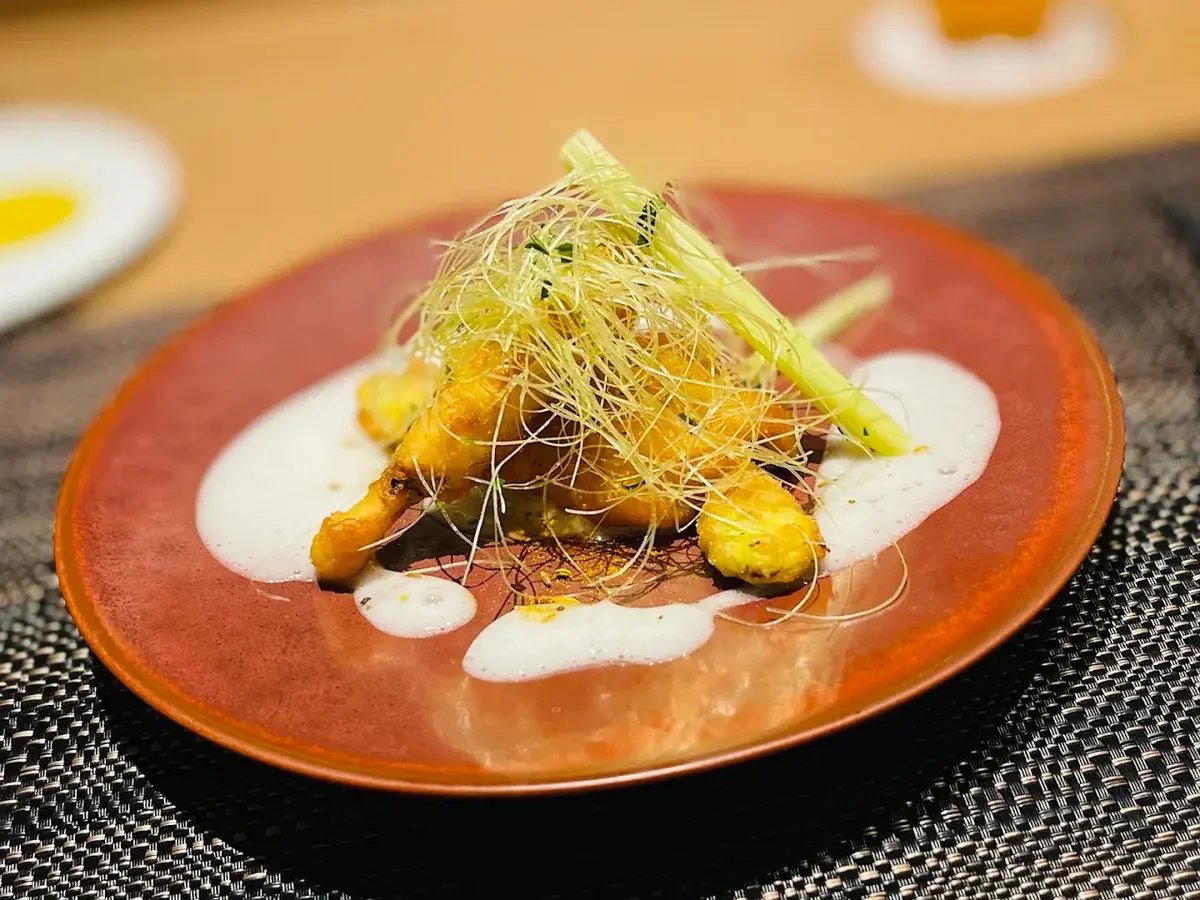
Details
- Cozy
- Intimate
- Modern
- Trendy
- Date Night
- After Work
- Late Night
- Casual Hangout
- Solo
- Special Occasion
- Chefs Counter
- Open Kitchen
- Standalone
- Extensive Wine List
- A La Carte
- Small Plates
- Counter Dining
- Wine
- Sherry
- Beer
- Highball
Current opening hours
- Monday
- 6 PM–1 AM
- Tuesday
- 6 PM–1 AM
- Wednesday
- 6 PM–1 AM
- Thursday
- 6 PM–1 AM
- Friday
- 6 PM–1 AM
- Saturday
- 6 PM–1 AM
- Sunday
- 6 PM–1 AM
Hours can change for holidays and private events. Hours as of .
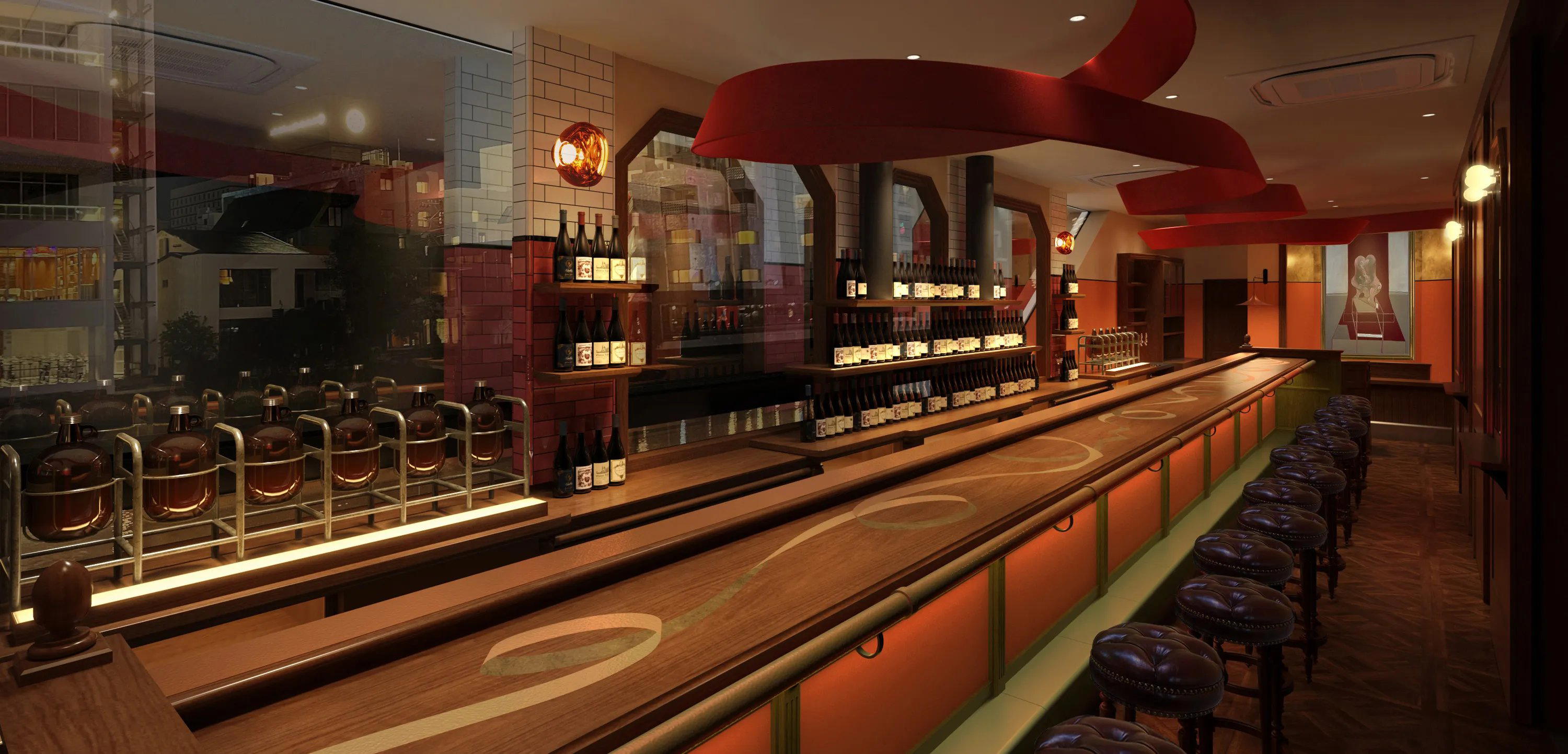
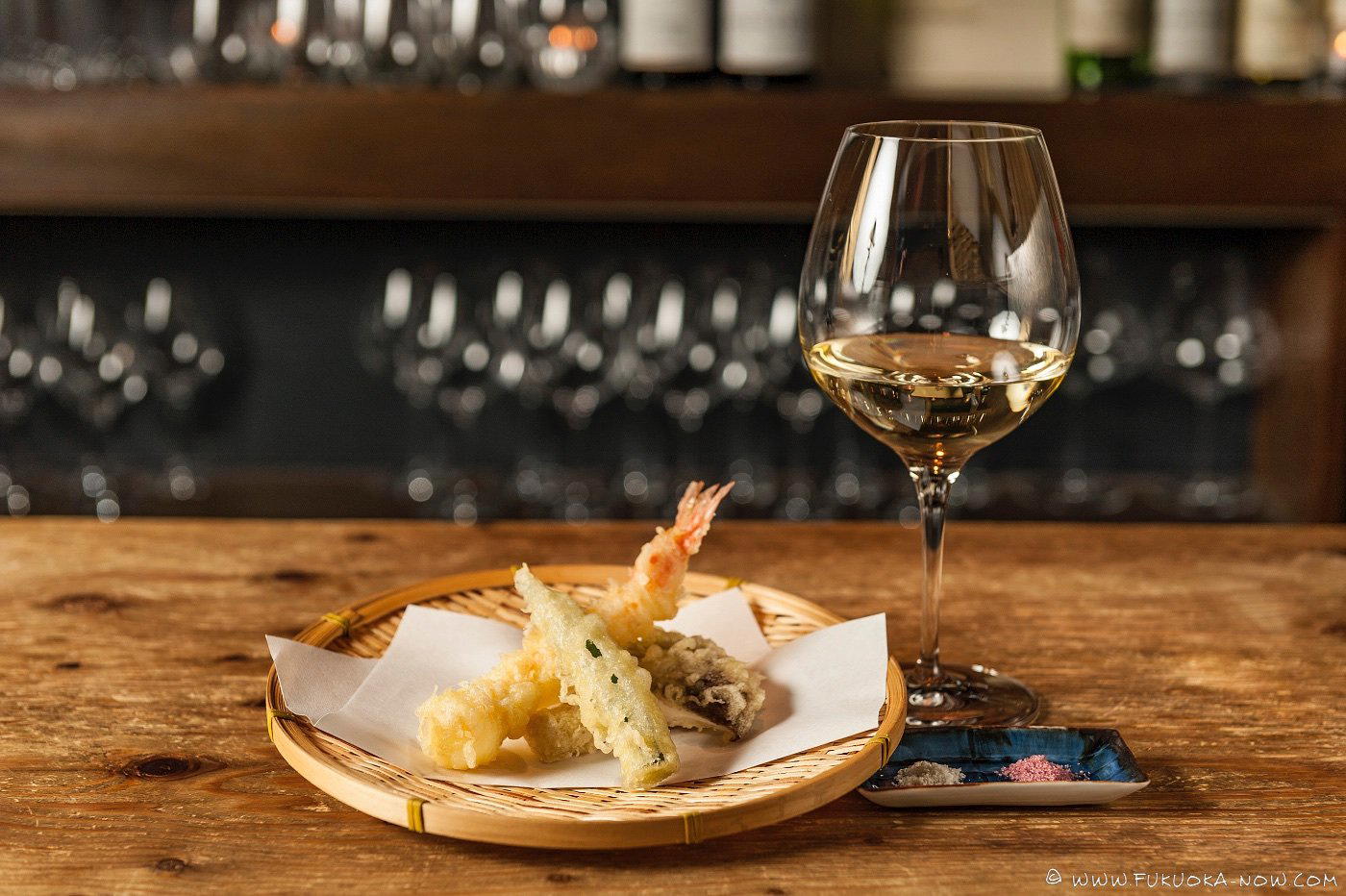
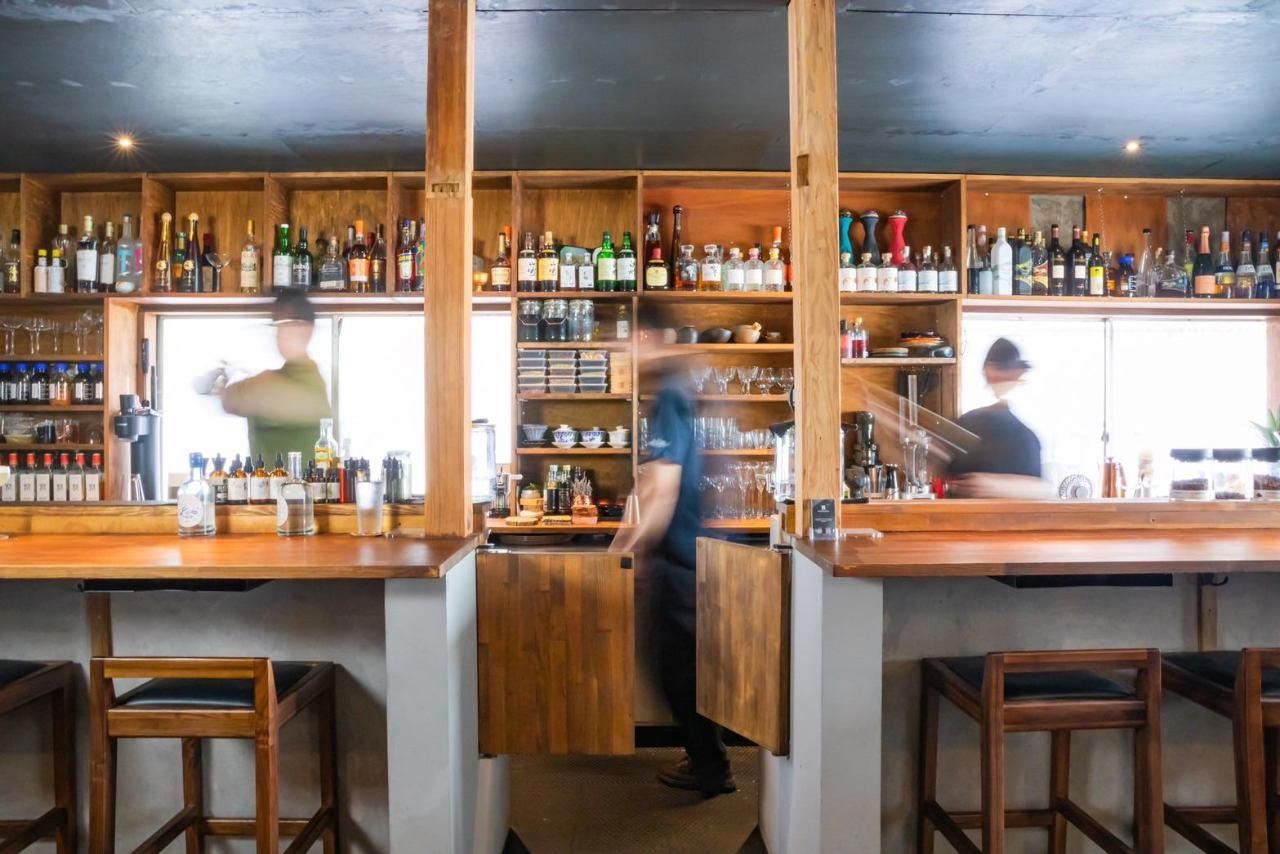
A stylish, white-themed open kitchen with only counter seating creates a relaxed, cozy bar atmosphere that feels like a hidden hideout, ideal for dates and quiet small gatherings while enjoying wine-focused Basque dishes late into the night.