
Tabelog 100 #16
Our verdict
Kiharu no Gomasaba ya is a Fukuoka izakaya and seafood counter built around the city’s close relationship with mackerel, sake, shochu, and evening drinking culture. Recognition in Tabelog 100 - Izakaya - WEST - 2025 places it in a serious regional set, while the compact 28-seat format keeps the experience closer to a neighbourhood tavern than a formal tasting room.

Pearl is the En Primeur Club membership app — saves, bookings, and concierge access live there. Same editors, same standards.
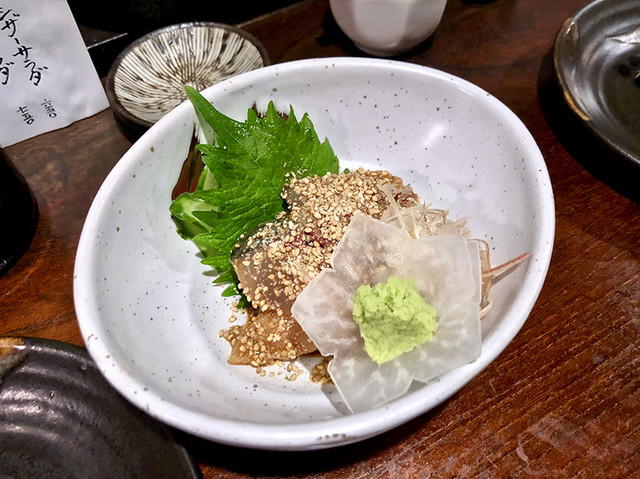
The menu
What to order
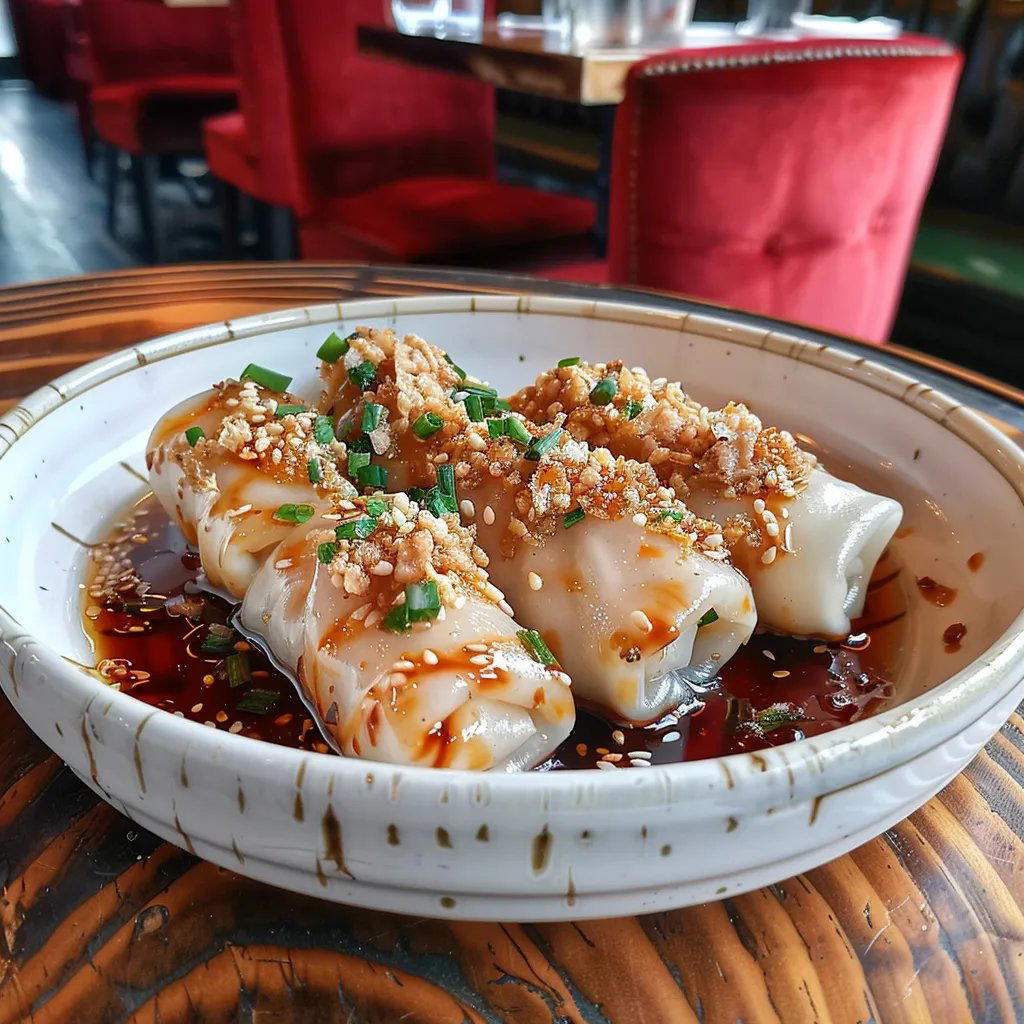
- Goma saba (sesame mackerel)
- Grilled mackerel fried rice
- Fresh Goto Islands mackerel sashimi
Fukuoka is not only the polished face of destination dining. It is also a city of small signs, informal rooms, and evenings that begin after office hours rather than at hotel-dining time. In that setting, the izakaya remains one of the city’s clearest dining forms: seafood handled with urgency, drinks chosen to stretch the table, and a room that rewards guests who understand that informality does not mean casual cooking.
Fukuoka’s seafood identity is often discussed through ramen-adjacent clichés or broad Kyushu abundance, but the sharper story is about proximity. The city sits close to fishing grounds and island routes, which gives certain taverns a different tempo from counters built around ceremony. Here, the point is not a long progression or a chef-led monologue. It is a table built around fish, drink, and the quick social rhythm of a Japanese-style tavern.
Gomasaba puts the izakaya in Fukuoka's seafood conversation
Gomasaba, mackerel dressed with sesame, belongs to the local grammar of Fukuoka drinking food. It is direct, regional, and unforgiving: when the fish is the idea, there is little room for distraction. Kiharu no Gomasaba ya works inside that tradition rather than above it, with seafood and izakaya listed as its defining categories and gomasaba sitting at the centre of its public identity. That matters because mackerel has long carried a double reputation in Japan, prized when handled cleanly and treated with caution when freshness is uncertain.
The cultural significance is less about rarity than confidence. Fukuoka diners do not need an explanation of why mackerel and drink belong together; the question is whether a room can make the ingredient feel specific to place rather than generic seafood. Recognition in Tabelog Hyakumeiten 2025 gives the venue a measurable signal within Japan’s tavern field. The listed Tabelog score of 3.74 is also useful context in Japan, where ratings tend to compress and small differences can mark meaningful consensus.
Compared with Fukuoka’s higher-ticket dining rooms, the format sits in a different lane. Restaurant Arena, for example, belongs to another part of the city’s dining map, with expectations around pacing, glassware, and service choreography shaped by a different style of evening. A seafood izakaya such as this one competes on another axis: whether the drinking food has enough precision to justify planning ahead, and whether the room preserves the looseness that makes izakaya culture work.
A tavern room where izakaya habits matter
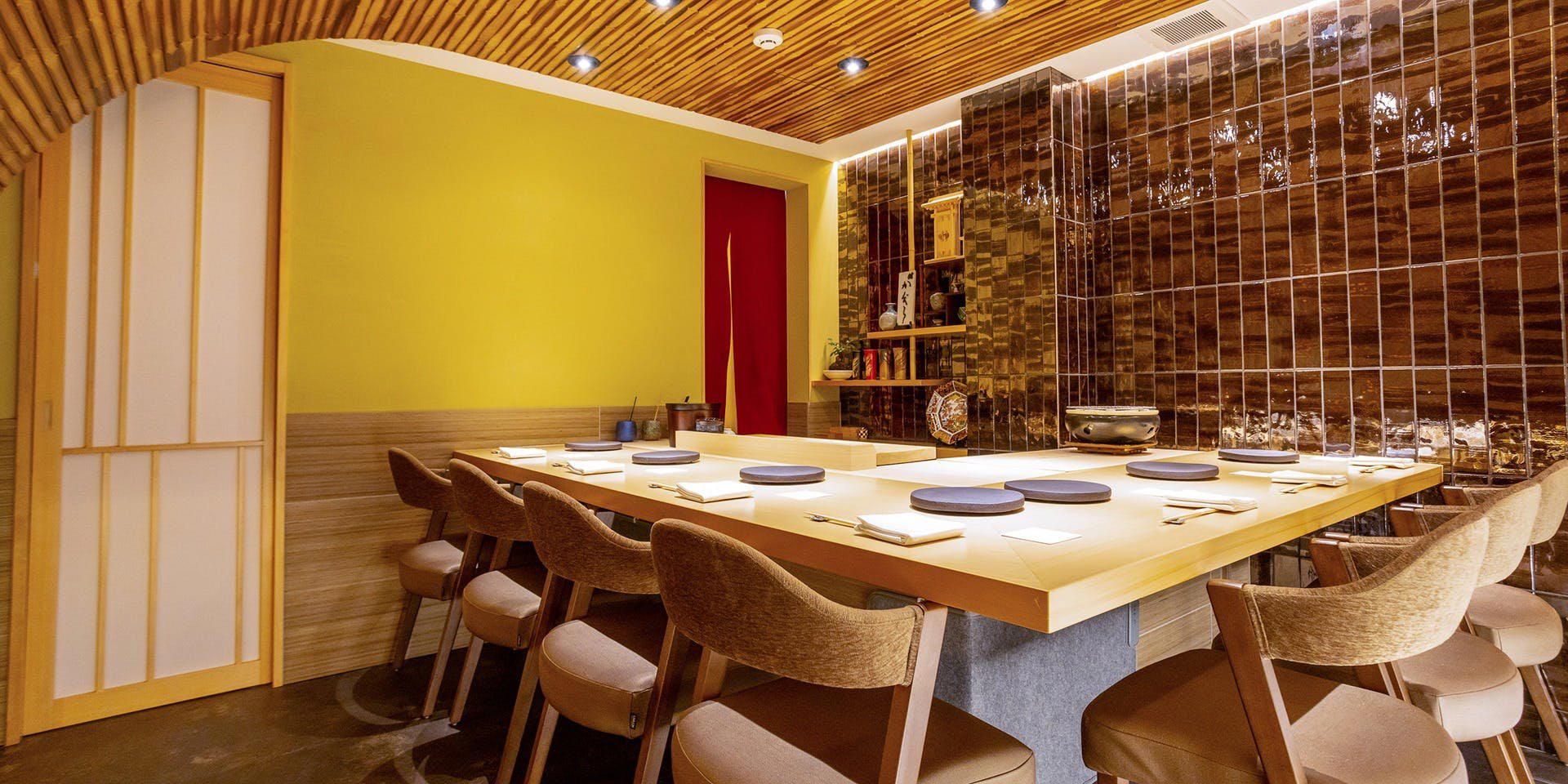
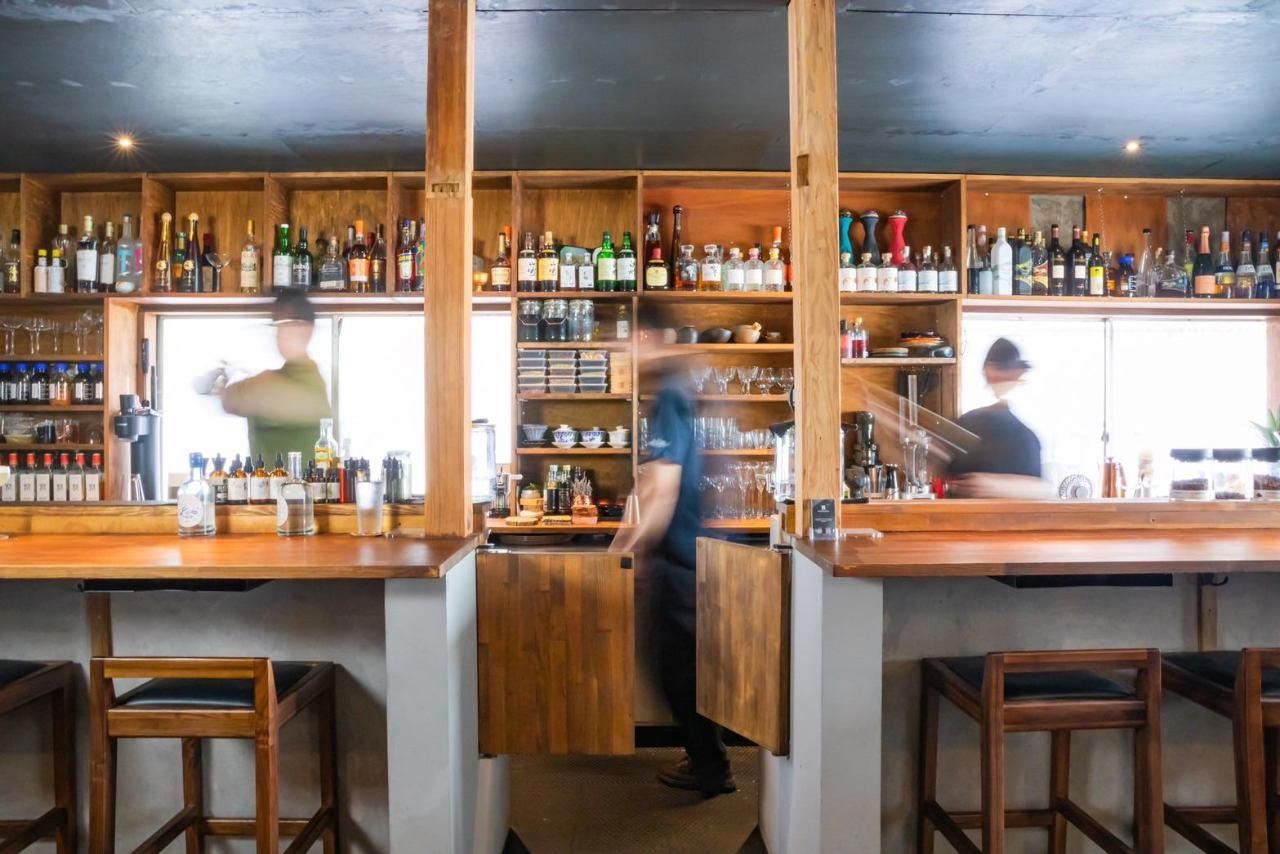
The tavern format is part of the experience. The appeal is not only a list of dishes, but the rhythm of the evening: attention to the kitchen’s pace, a shared-table mood, and a format that encourages ordering in rounds. In Fukuoka, that matters. The city’s better izakaya culture is not built only for solitary connoisseurs; it is built for friends adjusting the table as drinks arrive and letting seafood anchor rather than dominate the night.
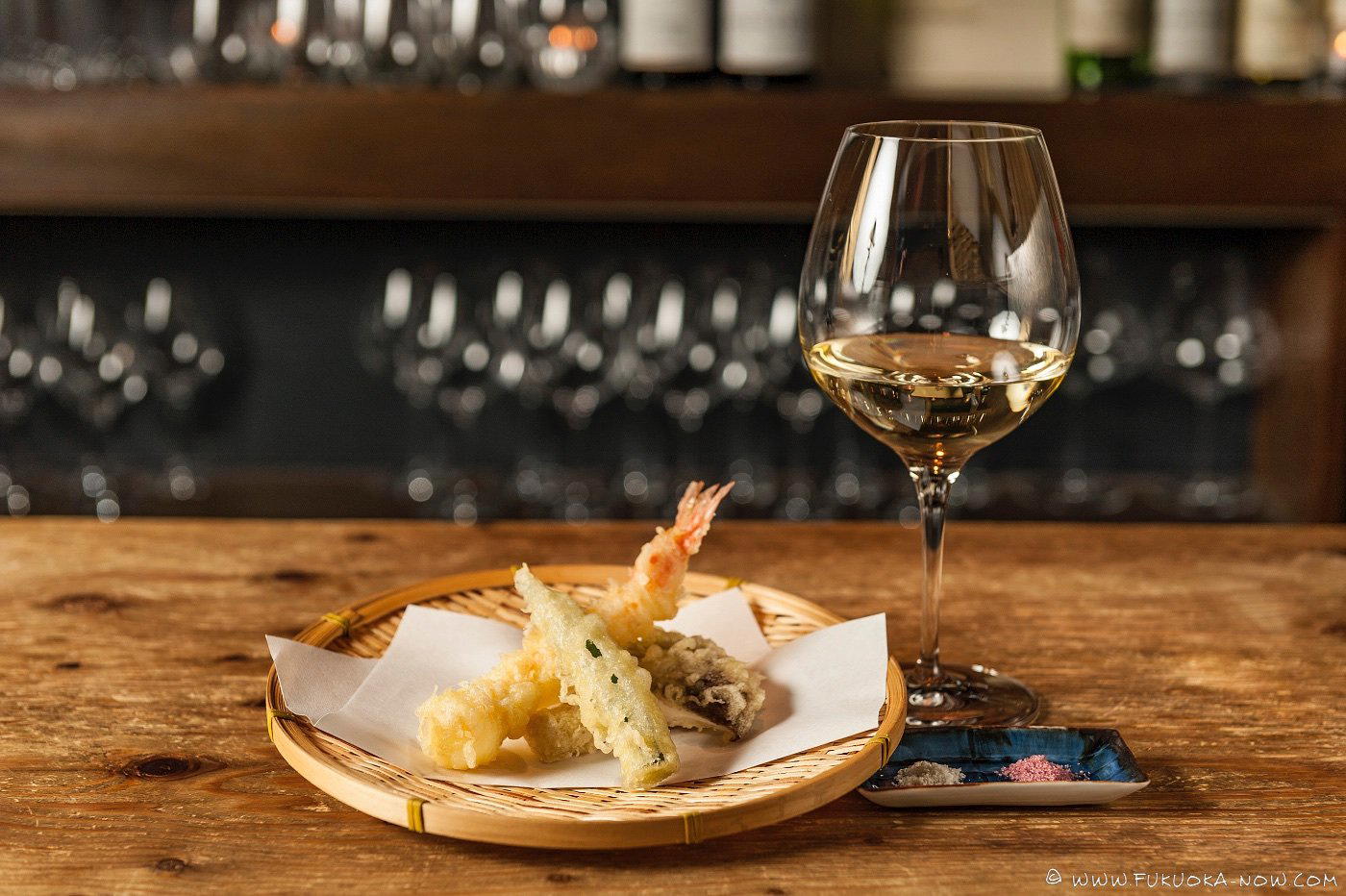
The drinks culture points in the same direction. Sake, shochu, beer, or other pairings may matter less as luxury markers than as social structure, especially in a tavern where the food is designed to keep the conversation moving. A mackerel-focused meal reads differently when paired with local drinking habits rather than imported fine-dining conventions. The appeal is disciplined informality: fish at the centre, alcohol as structure, and a room where timing and booking discipline matter.
There is also a useful contrast within Fukuoka’s broader restaurant map. The city can send diners in several directions: spice-led rooms, old-school local dining, fried fish specialists, everyday regional cooking, and more polished destination restaurants. Kiharu no Gomasaba ya belongs to the seafood-and-drink side of that spectrum, where the meal is strongest when treated as an izakaya evening rather than a substitute for sushi.
How to read it in the city's dining hierarchy
Fukuoka rewards diners who resist flattening every meal into a ranking exercise. A tavern can be serious without acting formal, and a seafood room can be destination-worthy without adopting the language of luxury. The better question is what the venue teaches about the city. In this case, the lesson is that Fukuoka’s seafood culture is not only about premium counters or market mornings; it is also about after-dark rooms where local fish, sesame, and drink meet a social style that has been refined through repetition.
For travellers building a wider itinerary, this is the sort of dinner that works as a corrective to polished hotel dining and tasting-menu fatigue. Use Our full Fukuoka restaurants guide to place it alongside other city meals, and pair the evening with planning from Our full Fukuoka hotels guide, Our full Fukuoka bars guide, Our full Fukuoka wineries guide, and Our full Fukuoka experiences guide. The broader Japan map runs from beef-focused dining, charcoal-and-seafood drinking rooms, café culture, contemporary regional dining, Vietnamese cooking, curry specialists, sake-bar culture abroad, and Japanese comfort food overseas.
The editorial case is clear: this is not the place for travellers seeking formal ceremony or chef biography as theatre. It is a Fukuoka izakaya whose credibility comes from regional seafood focus, Tabelog Hyakumeiten 2025 recognition, and a format that keeps the meal close to the city’s drinking culture. Read it through mackerel, not luxury, and it makes immediate sense.
Frequently asked questions
Is Kiharu no Gomasaba ya child-friendly?
Kiharu no Gomasaba ya is an izakaya, so it is best suited to guests who are comfortable in a tavern setting. Families should check directly with the restaurant before planning a visit.
What is the atmosphere like at Kiharu no Gomasaba ya?
It is a Fukuoka izakaya with a seafood focus. The format suits a focused evening built around fish and drink rather than a long, formal sit-down.
What price level is Kiharu no Gomasaba ya?
Pricing at Kiharu no Gomasaba ya is listed as JPY 4,000 - JPY 4,999 for dinner.
When can I go to Kiharu no Gomasaba ya?
Check directly with Kiharu no Gomasaba ya for current opening hours and reservation availability.
What's the address for Kiharu no Gomasaba ya?
Fukuoka.
What's the defining dish or idea at Kiharu no Gomasaba ya?
The defining idea is fish-first izakaya cooking, with seafood and Japanese-style tavern dining listed as its categories. Its calling card is gomasaba, and it is recognized in Tabelog Hyakumeiten 2025.
Price and Recognition
Comparable venues to calibrate price, style, and recognition.
| Venue | Cuisine | Price | Awards | Notes |
|---|---|---|---|---|
| Kiharu no Gomasaba yaThis venue (the venue you are viewing) | Mackerel-focused Japanese Izakaya | $30–50 | Tabelog 100 #16 | Not listed |
| Shinshu Soba Murata | Traditional Soba & Tempura | $20–30 | Tabelog 100 #49 | Hakata, Traditional Soba & Tempura |
| æç åç¿ | Japanese Coffee House | Not listed | Not listed | Chūō, Japanese Coffee House |
| Yakiniku Tagyu Ekiminami ten | Yakiniku & Sukiyaki near Hakata Station | $30–50 | Tabelog 100 #84 | Hakata, Yakiniku & Sukiyaki near Hakata Station |
| Mendo Hanamokoshi (麺道はなもこし) | Shoyu Ramen | $10–20 | Tabelog 100 #84 | Yakuin, Shoyu Ramen |
| 神戸焼肉大山 | Japanese Robatayaki Grill | $20–30 | Not listed | Hakata, Japanese Robatayaki Grill |
Recognition history
Dated appearances from independent guides and award organizations, with the underlying list record or original source where available.
Tabelog 100 #16 · No. 16
Tabelog · Tabelog 100 - Izakaya - WEST - 2025
Continue exploring
More in Fukuoka
Restaurants in Fukuoka
All restaurants in Fukuoka →
Details
- Lively
- Cozy
- Intimate
- After Work
- Group Dining
- Casual Hangout
- Solo
- Date Night
- Standalone
- Sake Program
- Local Sourcing
- Sustainable Seafood
- A La Carte
- Small Plates
- Counter Dining
- Sake
- Shochu
- Beer
- Pescatarian Friendly
Current opening hours
- Monday
- 5:30–10:30 PM
- Tuesday
- 5:30–10:30 PM
- Wednesday
- 5:30–10:30 PM
- Thursday
- 5:30–10:30 PM
- Friday
- 5:30–10:30 PM
- Saturday
- 5:30–10:30 PM
- Sunday
- Closed
Hours can change for holidays and private events. Last verified .
A small, non-smoking izakaya with counter and tatami seating that feels like a local hideout, energetic in the evening with a focus on seafood and drinks rather than formality.