
Higyu puts Osaka yakiniku into a compact Dojima setting, with counter seats, private-room capacity and a late-night rhythm that suits the Kitashinchi crowd. Its 2025 Tabelog 100 Yakiniku WEST selection and 3.69 score place it in the city’s more serious beef conversation, especially for diners who read yakiniku through cut selection, smoke management and repeat ordering rather than spectacle.
Pearl is the En Primeur Club membership app — saves, bookings, and concierge access live there. Same editors, same standards.
- Address
- Japan, 〒530-0003 Osaka, Kita Ward, Dojima, 1 Chome−1−20 パールプラザビル 5階
- Phone
- +81 6-4797-2929
- Website
- higyu.jp
 Saves & bookings on Pearl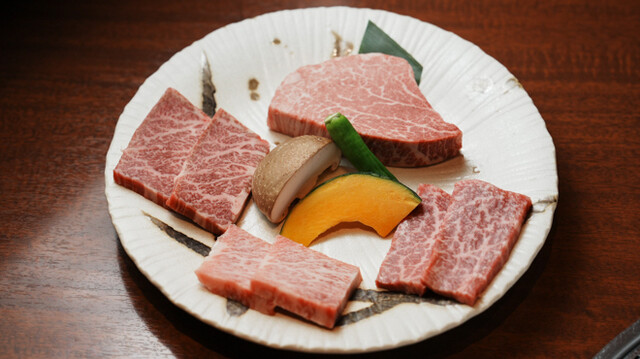
Dojima after dark suits meals that barely announce themselves. Office towers empty, Kitashinchi starts its second shift, and Osaka’s better yakiniku rooms often work by recognition: a lift, a small-floor address, grilled beef arriving before the room fully appears. Higyu belongs to that local tradition, where regulars already know the sequence, when to move from leaner cuts to richer ones, and that tripe is not support but grammar.
Osaka yakiniku is more direct than ceremonial kaiseki and less codified than high-end sushi. The table is democratic, but hierarchy is clear: sourcing, slicing, heat control, sauce balance and confidence with offal. Higyu’s listing as Yakiniku and Tripe says more than “Japanese barbecue,” placing it inside a beef culture that rewards intent, texture and marbling.
Dojima yakiniku for diners who already know the rhythm
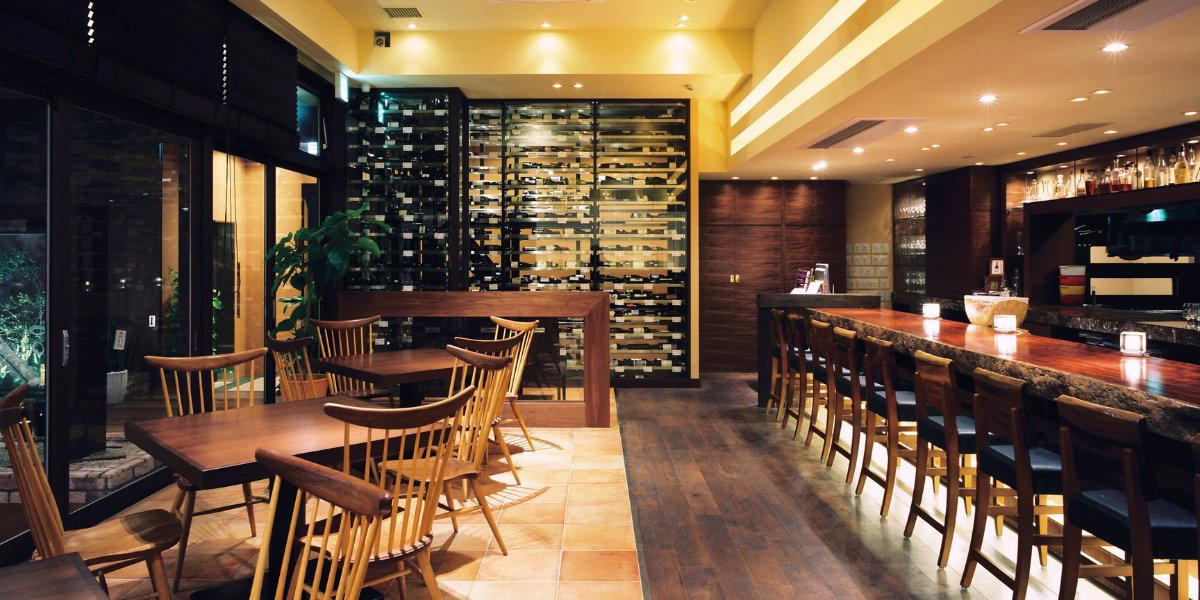
Regulars matter because yakiniku is rarely a single set-piece meal. It is a pattern of returns: counter visits after work, private-room dinners with colleagues, longer sessions where beef, drinks and conversation move together. Higyu’s 18 seats, split between counter seating and a private room, keep the scale tight enough for habit. Diners are not in a large barbecue hall; they read the grill, pace the order and treat the room as part of the night.
The Tabelog 100 Yakiniku WEST 2025 selection is the clearest external signal. Tabelog’s Hyakumeiten lists are not Michelin-style stars; they map category-specific restaurants with sustained attention by genre and region. For yakiniku in western Japan, that matters. The field is crowded, price-sensitive and visually similar. A 3.69 Tabelog score with that 2025 selection suggests judgment inside a specialist field, not against general dining rooms.
That separates Higyu from casual Osaka beef dinners. Satsuma sits in a lower dinner-budget band, while Yakiniku Futoro shares Higyu’s spending bracket. The point is not ranking, but occasion: value and volume versus a narrower room, longer pacing and a controlled beef-and-drinks evening. Around Dojima and Kitashinchi, the latter naturally serves office diners, regular groups and late-night guests who treat yakiniku as social infrastructure.
For a wider Osaka itinerary, Higyu is far from the city’s snack-and-queue culture. 551 Horai (551蓬莱) explains mass affection and pork buns; 52CHO-ME BAKERY and .cafe point to daytime routines; 99 Pizza Napoletana Gourmet and a canto (Italian) show imported forms settling into the city. Higyu is the evening counterweight: beef, smoke, spirits and a room for people not rushing the table.
Beef, tripe and wine mark the serious end of the genre
The defining idea is not one named dish but yakiniku and tripe at a scale that rewards informed ordering. In Japanese beef dining, offal carries distinct credibility. It asks more of the kitchen in trimming and preparation, and more of the diner in timing and tolerance for chew, snap and mineral depth. Foregrounding tripe with beef signals a meal beyond premium marbling: the full vocabulary of the grill.
The drinks list shows contemporary yakiniku’s evolution. Sake, shochu, wine and cocktails are offered, with wine treated as a focus rather than an afterthought. Higyu fits a newer Osaka pattern: yakiniku rooms no longer relying only on beer-highball momentum, but letting beef fat, tare, salt and offal meet broader pairings. This is not Western fine dining; the grill stays central while regulars repeat the experience without repeating the same night.
Other Osaka formats clarify the difference. Sushi rooms such as AKA to SHIRO run on chef-paced precision; kushiage counters such as kushiage 010 use sequencing and frying technique; Chinese rooms such as Kosai Fukumimi depend on shared plates and wok timing. Yakiniku splits control between kitchen and diner: the kitchen selects, cuts and seasons; the table finishes. At stronger restaurants, that shared control is the pleasure.
Higyu is clearest for diners who enjoy that responsibility. Read it as a repeatable Osaka night, not a checklist. A first-timer can stay within the beef-and-tripe identity, but the better approach is contrast: lean and fatty, familiar and offal, salt and sauce, grill heat and drink pacing. That is how yakiniku becomes personal without a chef biography carrying the story.
How to place it within an Osaka trip
Dojima suits this dinner because it sits near Osaka’s after-work and late-night centre. More polished than Namba’s louder food streets and less tourist-facing than Dotonbori, it fits a compact yakiniku room with private dining. The setting does not explain Osaka in postcard terms; it reflects the city’s business-dining side, where meals stretch, groups settle in, and beef anchors a broader evening.
Use Higyu as a night anchor, not a casual add-on. Osaka rewards sequencing across categories: the broader restaurant map sits in Our full Osaka restaurants guide, while sleep, drinks and activity layers are covered in Our full Osaka hotels guide, Our full Osaka bars guide, Our full Osaka wineries guide and Our full Osaka experiences guide. Daytime Osaka can be bakeries, cafés and quick counters; night can narrow into beef, smoke and a table that stays occupied.
Across Japan, beef and grill traditions shift sharply by city and format. -Grilled beef Sukiyaki- KAMAKURA TANUKIAN 鎌倉 たぬき庵 in Kamakura frames beef through sukiyaki rather than tabletop grilling, while. 鮪と炭火焼き うお炭 秋葉原店 in Tokyo points to charcoal and seafood in another urban register. Elsewhere.know in Kumamoto, (Shoku) Vietnam in Kawasaki, [Curry Senmon Ten] Maruyama Kyoju. in Sapporo and [ki:] in Kyoto show regional dining identities do not travel in a single line. Outside Japan, Japanese drinking and rice formats have diasporic readings, from Jōdo Saké Bar in Los Angeles to Onigiri Time in Pasadena.
The verdict: Higyu is a specialist Osaka yakiniku address for diners who care about the category’s internal rules. The award signal, compact seating and beef-tripe identity give it credibility; Dojima gives it purpose. Do not reduce it to luxury beef alone. Its value lies in regulars’ logic: return, reorder, adjust the pace, and let the grill define the night.
Peers in This Market
Comparable venues by price and recognition.
| Venue | Cuisine | Price | Notes |
|---|---|---|---|
| HigyuThis venue — the venue you are viewing | Japanese Yakiniku | $$$ | Not listed |
| Sumibi Yakitori Kibitaki | Charcoal-Grilled Yakitori & Japanese Cuisine | $$$ | Chūō |
| San Bettei Kitashinchi ten | Okinawan Shabu-Shabu & Sukiyaki | $$$ | Kita |
| Sumibi Yakitori Morita | Traditional Yakitori | $$$ | Chūō |
| Unagi no Uoi Honten | Traditional Osaka charcoal-grilled unagi | $$$ | Asahi |
| Kuku Hanare | High-end Yakiniku (Japanese BBQ) Counter | $$$ | Sakaihigashi |
Recognition history
Dated appearances from independent guides and award organizations, with the underlying list record or original source where available.
Tabelog 100 #79 · No. 79
Tabelog · Tabelog 100 - Yakiniku - WEST - 2025
Continue exploring
More in Osaka
Restaurants in Osaka
Browse all →




Bars in Osaka
Browse all →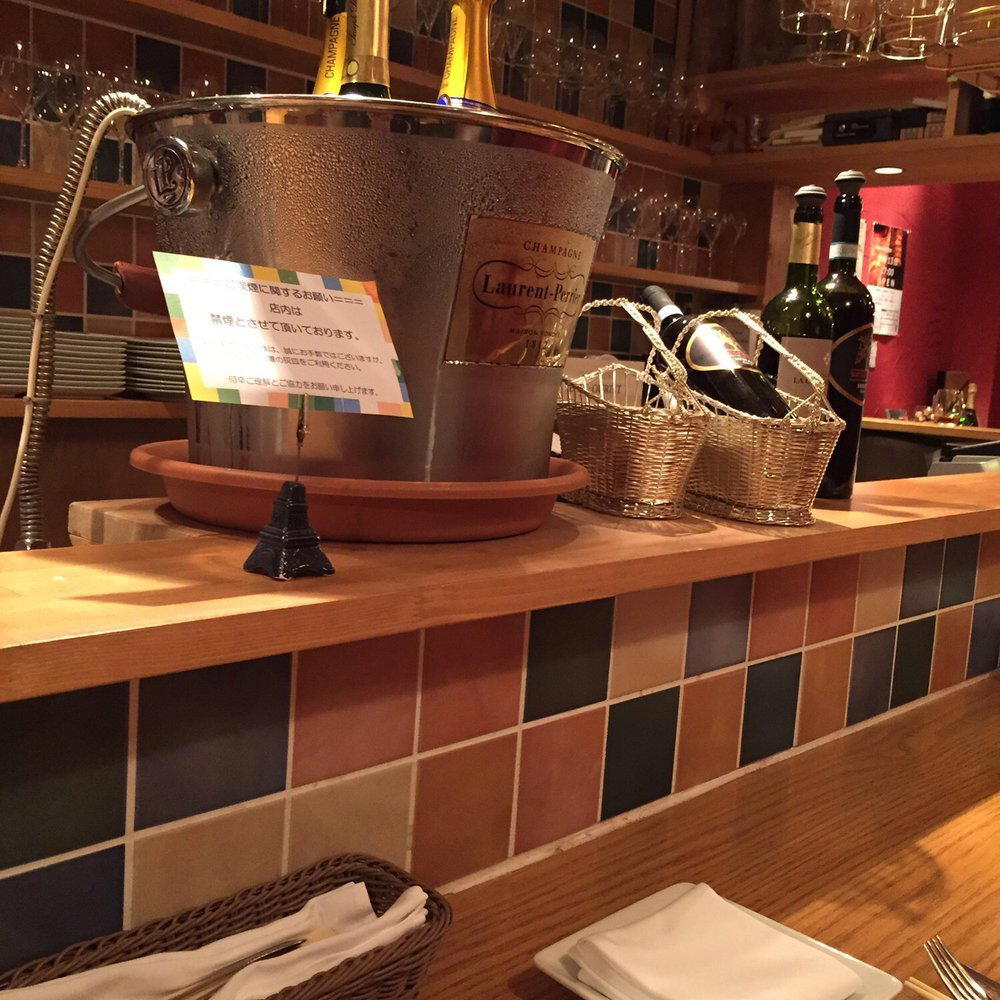
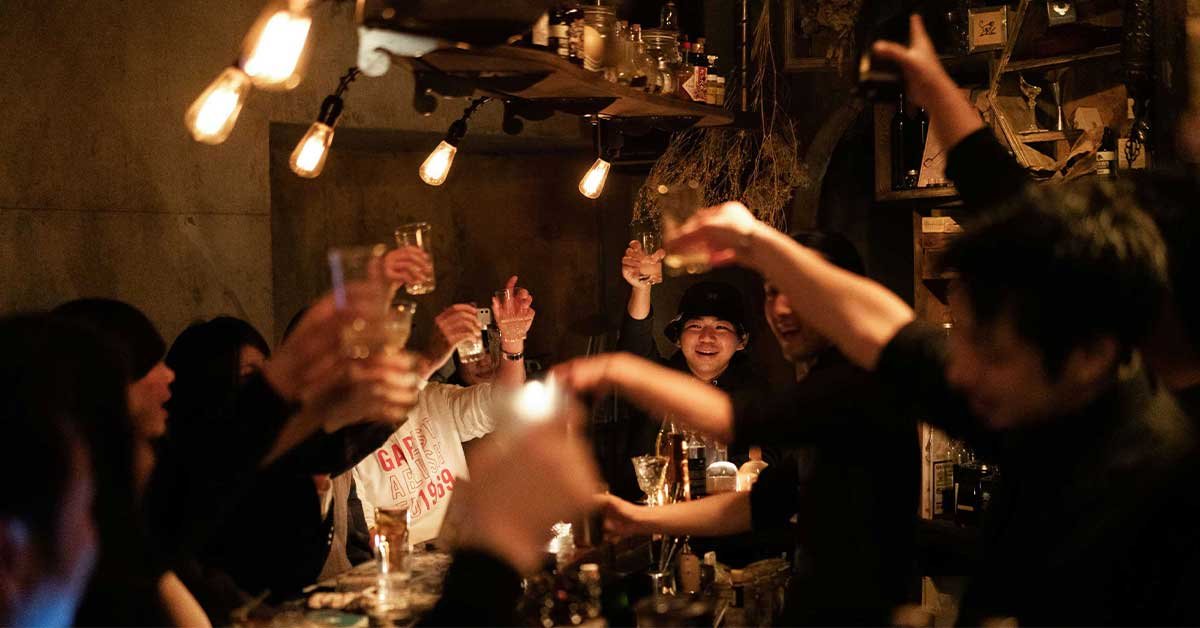

Hotels in Osaka
Browse all →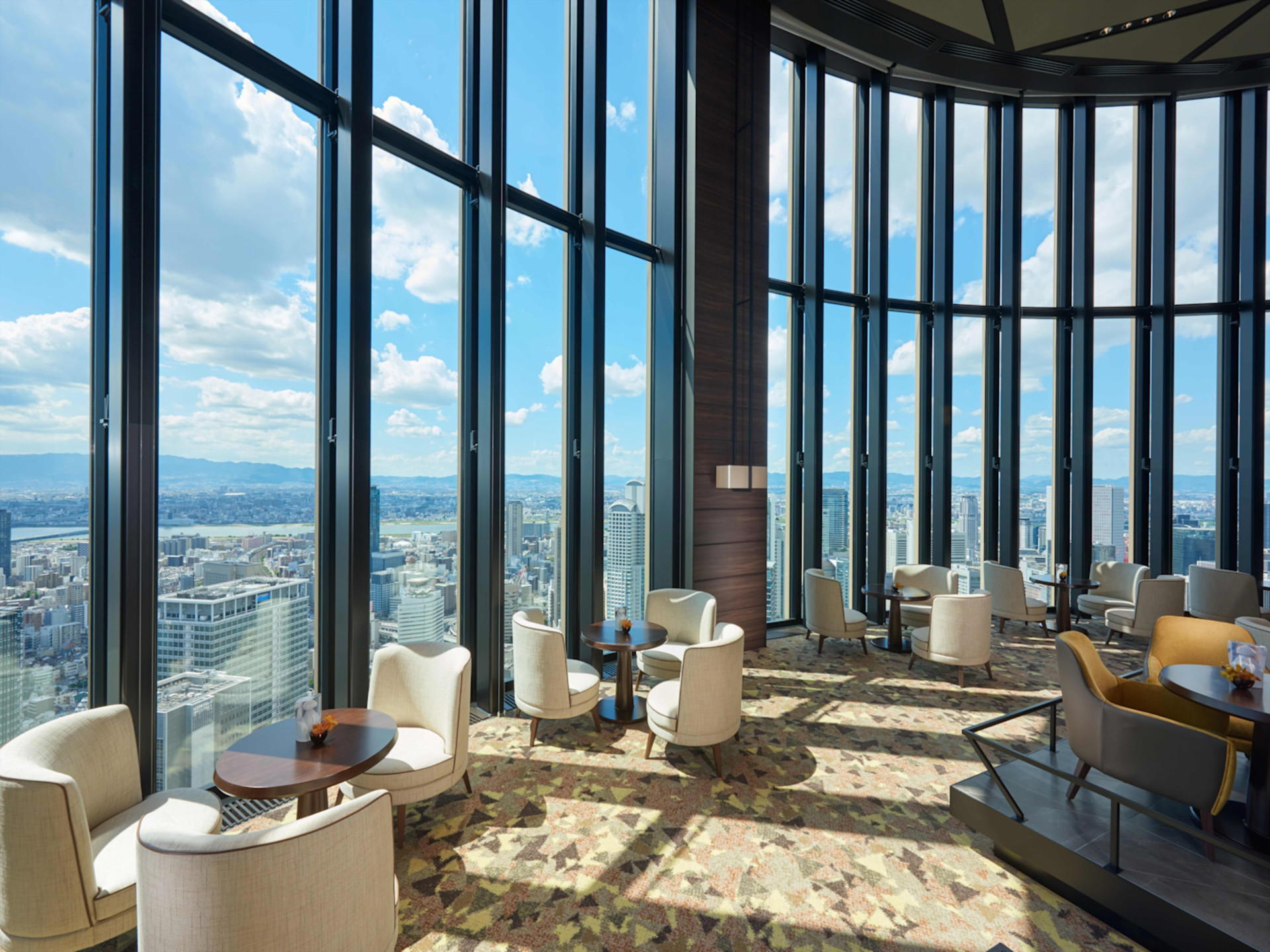




Wineries in Osaka
Browse all →
At a Glance
- Modern
- Cozy
- Sophisticated
- Intimate
- Business Dinner
- Group Dining
- Casual Hangout
- Standalone
- Sake Program
Current opening hours
- Monday
- 6 PM–4 AM
- Tuesday
- 6 PM–4 AM
- Wednesday
- 6 PM–4 AM
- Thursday
- 6 PM–4 AM
- Friday
- 6 PM–4 AM
- Saturday
- 6 PM–3 AM
- Sunday
- Closed
Hours can change for holidays and private events. Last verified .
A refined yakiniku setting geared toward business dining and group gatherings, with a polished, comfortable feel rather than a casual barbecue vibe.