
A compact yakiniku address in Ama with Tabelog 100 Yakiniku EAST 2025 recognition, Yakiniku Fujisan Jimokuji koujou ten belongs to the suburban Japanese barbecue tier where sourcing, offal handling, and grill discipline carry the meal. The appeal is less ceremony than focus: counter and table seating, a non-smoking room, and a price band that keeps it grounded in regular dining rather than special-occasion theatre.
Pearl is the En Primeur Club membership app — saves, bookings, and concierge access live there. Same editors, same standards.
- Address
- 愛知県あま市甚目寺桑丸64-2
- Phone
- +81524336239
- Website
- tabelog.com
 Saves & bookings on Pearl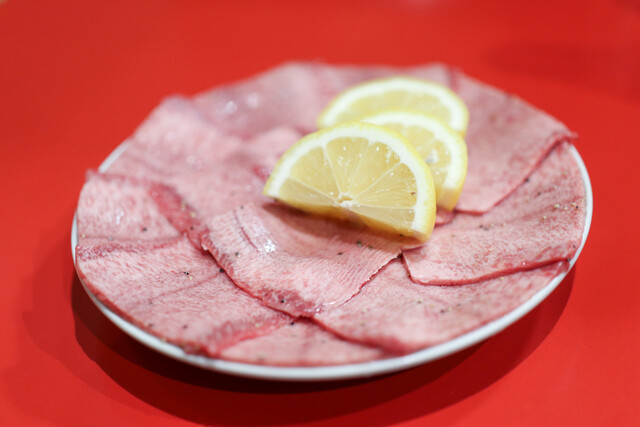
Approaching suburban yakiniku in Aichi is different from approaching a Ginza counter or a hotel dining room. The cues are quieter: a house-restaurant setting, the practical pull of car access, the smell and rhythm of grilling rather than choreographed service. In Ama, that format matters because yakiniku is not only about marbling or brand beef; it is about procurement, trimming, seasoning, and the confidence to let different cuts cook in front of the guest without hiding behind a long tasting-menu script.
Yakiniku Fujisan Jimokuji koujou ten sits inside that tradition with the kind of recognition that makes a small-format barbecue room worth taking seriously: selection for Tabelog 100 Yakiniku EAST 2025, following Tabelog Grill EAST 2024 recognition.
Ingredient control is the quiet test of serious yakiniku
Japanese barbecue rewards restaurants that treat beef as a sequence of decisions rather than a generic luxury product. The work begins before the grill: choosing cuts that can tolerate direct heat, separating leaner pieces from fattier ones, handling tripe and offal with enough care that texture becomes an asset rather than a compromise. The listed category here includes yakiniku and tripe, a useful signal. In this genre, offal is not a side note; it is often where a kitchen shows whether sourcing and preparation are disciplined or merely decorative.
That distinction separates destination yakiniku from casual grill-and-drink rooms. At the lower end, value is measured by volume and sauce. In the more serious middle tier, diners pay for better product selection, cleaner handling, and a room calibrated for quick heat, smoke control, and repeat ordering. The stated dinner spend places Yakiniku Fujisan Jimokuji koujou ten in a bracket that competes on execution rather than spectacle. It is not priced like a luxury wagyu temple, and that is part of the point: Aichi’s stronger suburban rooms often depend on regulars who know cuts, order decisively, and judge consistency over theatre.
Compared with the wider Japanese dining field, that makes it a different proposition from the beef sukiyaki frame at -Grilled beef Sukiyaki- KAMAKURA TANUKIAN 鎌倉 たぬき庵 in Kamakura, the charcoal-and-tuna angle at . 鮪と炭火焼き うお炭 秋葉原店 in Tokyo, or the casual specialist lane represented by [Curry Senmon Ten] Maruyama Kyoju. in Sapporo. Those comparisons clarify the category: yakiniku is interactive, ingredient-led, and dependent on short timing decisions at the table.
A small room changes the pace of the grill
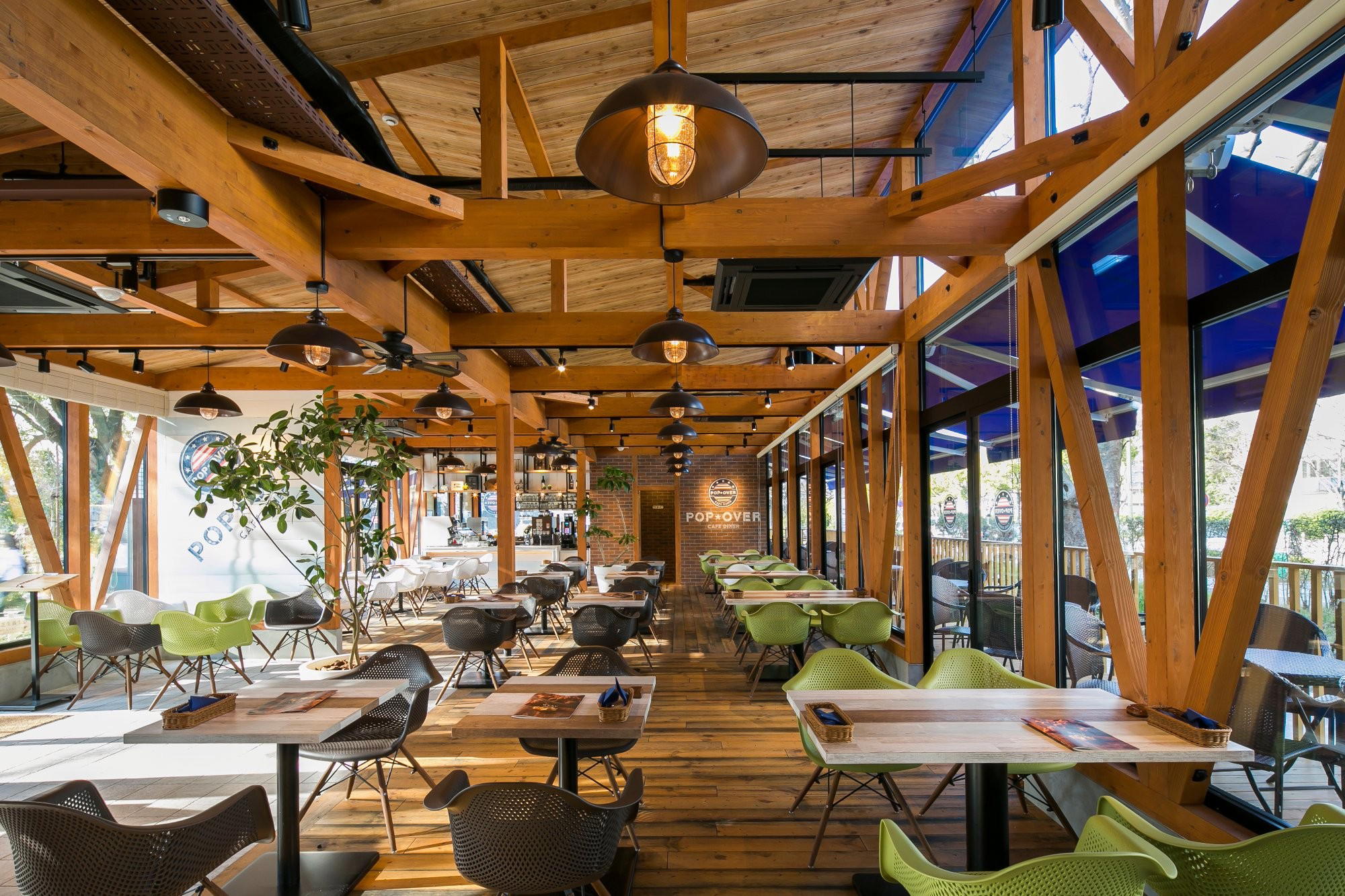
The room runs on 22 seats, split between counter seating and tables. That scale matters. Yakiniku can feel anonymous in large dining halls, where speed and ventilation dominate the experience. A smaller room puts more pressure on pacing: orders need to land in a rhythm that lets diners control the grill without crowding the table, and the staff has less margin for indifferent timing. The non-smoking policy also matters in a cuisine where smoke, fat, and heat already define the room.
The format is practical rather than ceremonial. Counter seating suits solo diners or pairs who want a tighter meal; tables make sense for families or groups sharing cuts. Children and strollers are accepted, which places the restaurant in a local dining register rather than an adults-only destination mold. That family-friendly signal is not cosmetic in suburban Japan, where strong food addresses often serve regular household dining as much as visiting gourmands.
For travellers building a wider Ama itinerary, the dining stop is only one layer of the city. Our full Ama hotels guide, Our full Ama bars guide, Our full Ama wineries guide, and Our full Ama experiences guide help frame the rest of the stay. The useful editorial takeaway is that this is not a glossy urban dining room transplanted into Aichi; it reads as a small, focused yakiniku house built around repeatable grillcraft.
Where it fits among Japan's specialist casual rooms
Japan’s strongest casual specialists often look modest from the outside because the investment sits in product knowledge and repetition. A compact café such as.cafe in Osaka, a local-format dining room like.know in Kumamoto, or a regional Vietnamese specialist such as (Shoku) Vietnam in Kawasaki may have little in common on the plate, but all depend on clarity of category. The same is true here. The restaurant is not trying to be a grand wagyu salon, a steakhouse, or an izakaya with a grill attachment. Its lane is narrower: beef, tripe, heat, and timing.
Within the comparison set supplied for this market, Busan occupies a similar listed spend, while Taiyo Shokudo and Kodawari Men Kobo Tago sit in lighter price categories. That spread is useful because it shows where this dinner fits: not casual fuel, not luxury ceremony, but a committed middle bracket where diners expect sourcing and preparation to justify the spend. Tabelog’s 3.76 score and 2025 Yakiniku EAST selection add external weight to that positioning.
The broader Japanese specialist map helps explain why the address can matter to travellers who normally prioritize bigger cities. [ki:] in Kyoto, #肉といえば松田 奈良本店 in Kashihara, 1/3 HAMBURGER FACTORY in Kanazawa, 1000 in Yokohama, and 1000mヒュッテ 1000m Hut in Kutchan all point to a national dining culture where category focus can be as persuasive as formality. Even outside Japan, the same principle explains why tight concepts such as Jōdo Saké Bar in Los Angeles and Onigiri Time in Pasadena travel well editorially: specificity beats breadth.
The strongest reason to place Yakiniku Fujisan Jimokuji koujou ten on an Ama dining list is not romance or rarity. It is the combination of recognized yakiniku credentials, manageable scale, offal-inclusive category focus, and a price position that keeps the meal grounded. For a visitor who understands Japanese barbecue as a sourcing-driven cuisine, that is enough to make the detour intelligible.
Side-by-Side Snapshot
Comparable venues by cuisine and price in the same metro.
| Venue | Cuisine | Price | Notes |
|---|---|---|---|
| Yakiniku Fujisan Jimokuji koujou tenThis venue — the venue you are viewing | Yakiniku (Japanese BBQ) & Offal Grill | $$ | Not listed |
| レストラン横倉 | Western-Japanese Ski Resort Fare | $$ | Zao Onsen |
| Gyoza Kogetsu | Traditional Japanese Gyoza | $$ | Kitahama |
| Rock 'n' Billy Super 1 (ロックンビリーS1) | Award-Winning Ramen | $$ | Minamitsukaguchicho |
| Sonmin Shokudo (村民食堂) | Shinshu Regional Japanese | $$ | Hoshino Area |
| 琴平酒房 焼鳥・骨付鳥 田中屋 | さぬき名物 骨付鳥居酒屋 | $$ | 琴平町 |
Recognition history
Dated appearances from independent guides and award organizations, with the underlying list record or original source where available.
Tabelog 100 #60 · No. 60
Tabelog · Tabelog 100 - Yakiniku - EAST - 2025
Continue exploring
More in Ama
Restaurants in Ama
Browse all →
At a Glance
- Lively
- Cozy
- Industrial
- Rustic
- Family
- Group Dining
- Casual Hangout
- After Work
- Celebration
- Solo
- Standalone
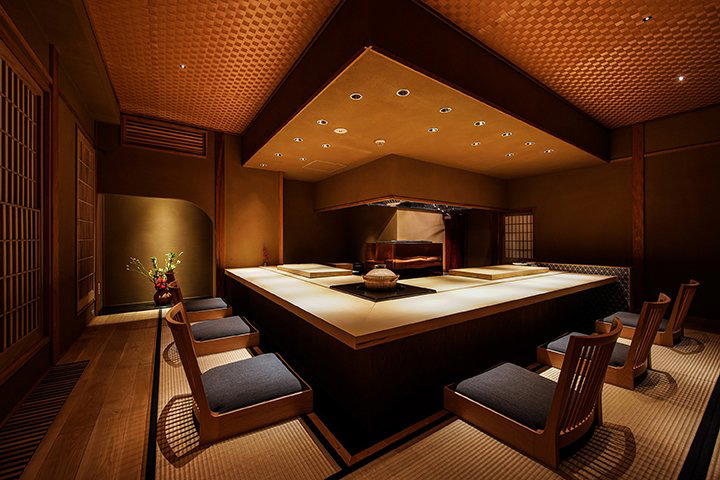
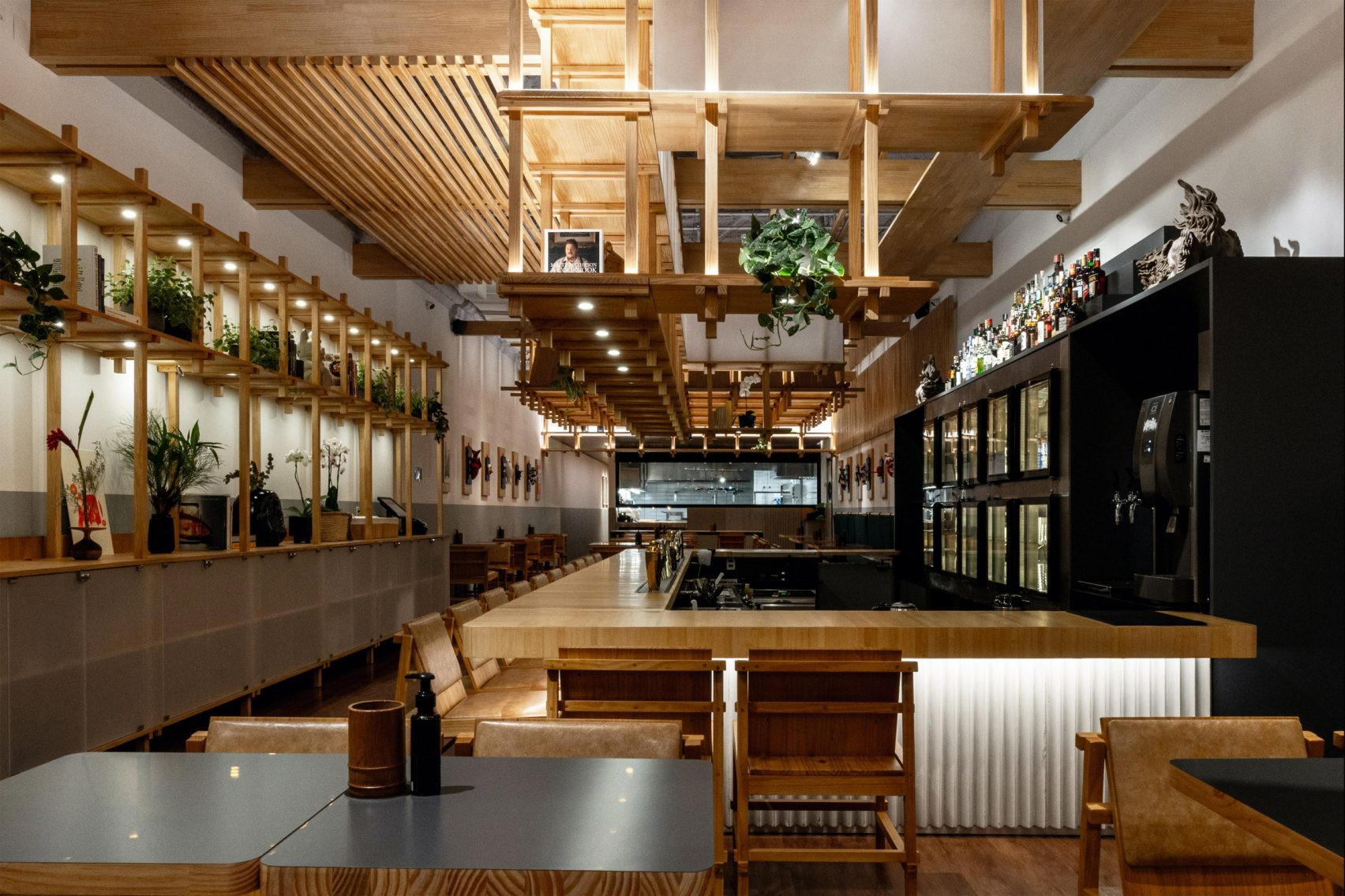
An intimate, no-smoking factory-style hideout with rugged roasters, visible gas hoses, and rough wood walls, creating a lively, slightly industrial feel that still works well for families and small groups.