Xôi Bát

Michelin Bib Gourmand
Our verdict
Opened in 2021 in Bình Thạnh, Xôi Bát is a contemporary Vietnamese eatery that treats steamed sticky rice — xôi — as a full meal rather than a hasty street snack. The kitchen pairs a relatively soft sticky rice with composed toppings like quail eggs, pig ears, and fried shallots, served alongside soup and kimchi.

Pearl is the En Primeur Club membership app — saves, bookings, and concierge access live there. Same editors, same standards.
- Address
- Hẻm 8 Hoàng Hoa Thám, Phường 7, Bình Thạnh, Hồ Chí Minh 700000
- Phone
- +84 325 305 957
- Directions
- Get directions
The menu
What to order
- Xôi
- Xôi bát bửu
- Sticky rice with quail eggs, pig ears and fried shallots
Sticky Rice, Reframed
In Ho Chi Minh City's Bình Thạnh district, the side-street hẻm culture produces a particular kind of eating spot: small, purposeful, and built around a single dish done with unusual care. Xôi Bát, which opened in 2021 on Hẻm 8 Hoàng Hoa Thám, fits that model precisely. The eatery's subject is xôi — steamed sticky rice — a Vietnamese staple that appears at breakfast stalls and street corners across the country, typically sold fast and eaten standing up. What sets this address apart from that broad category is a deliberate decision to treat xôi as a composed, sit-down meal rather than a quick convenience food.
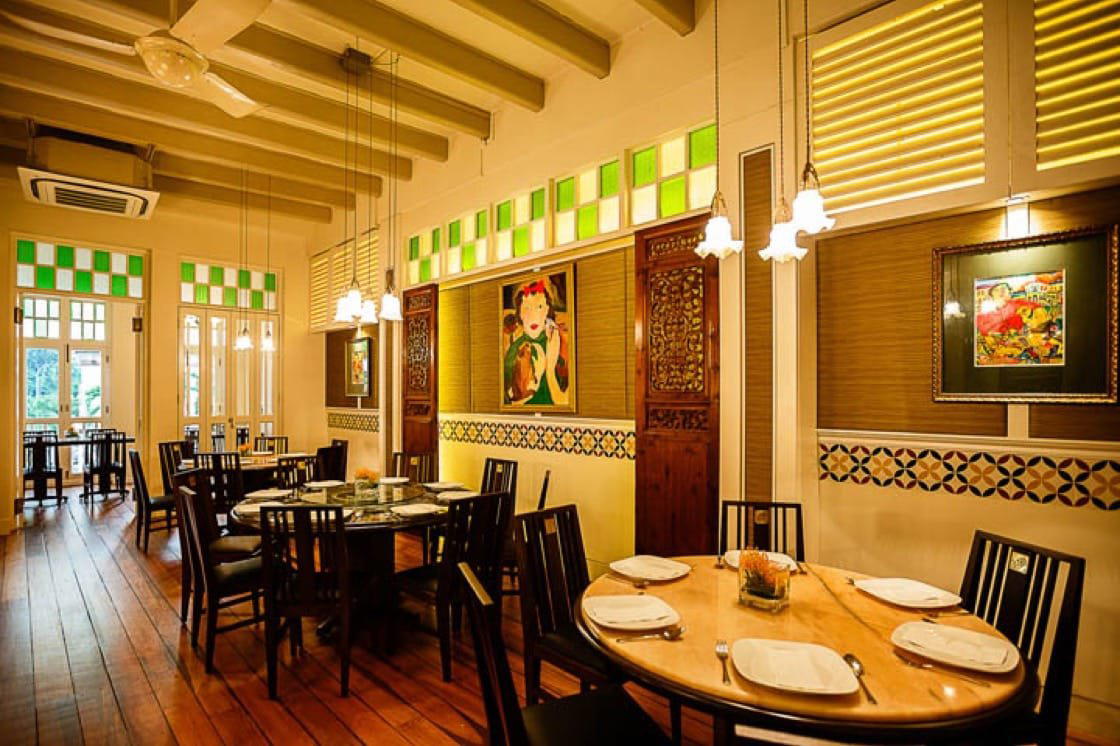
The physical space reinforces that shift. Contemporary design and close attention to detail in the fit-out signal that the founders, a young team working within the ₫ price tier, were interested in repositioning the dish rather than simply replicating the standard sticky-rice-stall format. At its price point, Xôi Bát sits alongside Vietnamese street addresses like Bánh Xèo 46A, places where the cooking is inexpensive but the intention is clear. That positioning, accessible in cost but considered in execution, is a specific strand of Ho Chi Minh City dining that has grown since 2020.
The Logic of the Bowl
Across Vietnamese cooking, the idea of freshness as a structural element, not a garnish, is central. Rice paper rolls arrive with a full plate of herbs alongside. Bún bò Huế comes with shredded banana flower and fresh lime. The principle is that textural and flavour contrast, delivered through raw or lightly pickled components set against warm cooked elements, produces a more complete meal. Xôi Bát applies that same logic to sticky rice.
The xôi phá lấu trứng non illustrates this well. The dish combines quail eggs and pig ears, both braised items from the phá lấu tradition, which draws on Chinese-Vietnamese cooking, with fried shallots, and serves the assembled bowl with soup and kimchi on the side. The kimchi reference is notable: fermented, acidic, and sharp, it performs a similar function to the pickled vegetables that appear as counterpoints in many Vietnamese rice and noodle dishes. The soup adds a warm liquid element that loosens the sticky rice, which the kitchen has calibrated to be relatively soft rather than the dense, glutinous texture associated with older-style xôi. The result is a meal with multiple temperatures, textures, and flavour registers rather than a single-note carbohydrate hit.
That layering approach connects to a broader pattern in contemporary Vietnamese restaurant cooking. Addresses like Béo Ơi and Bếp Mẹ ỉn in Ho Chi Minh City work within a similar register: dishes rooted in regional Vietnamese tradition, assembled with enough compositional thought to justify the shift from street corner to dedicated dining room. See also Bếp Người Hội An for how central Vietnamese cooking makes the same move, or Cục Gạch Quán for a version of the same instinct applied to a broader menu and a higher price tier.
Bình Thạnh and the Hẻm Dining Circuit
Bình Thạnh sits north of District 1 and has developed a reputation for neighbourhood-level eating spots that serve locals more than tourists. The hẻm, the narrow alleyways that run off the main streets, function as dining corridors in many Ho Chi Minh City districts, and Bình Thạnh is among the districts where this culture is most intact. Addresses in these alleys tend to be small in footprint, reliant on word-of-mouth, and priced for repeat visits rather than single-occasion spending.
Xôi Bát's location on Hẻm 8 Hoàng Hoa Thám places it squarely in that context. Visitors staying in central districts who want to eat outside the District 1 and District 3 concentration will find the trip to Bình Thạnh worthwhile for understanding a different register of the city's food culture. For broader orientation across the city's restaurant options, our full Ho Chi Minh City restaurants guide maps the full range of neighbourhoods and price tiers.
Sticky Rice in Vietnamese Culinary Tradition
Xôi occupies a specific place in the Vietnamese food calendar and daily routine. It appears at temple offerings, family gatherings, and celebration tables alongside its everyday street incarnation. The variety of xôi preparations across Vietnam is considerable: xôi xéo uses mung bean paste and turmeric; xôi gà pairs sticky rice with shredded chicken; xôi lạc adds peanuts and salt. The southern Vietnamese version, associated with Ho Chi Minh City, tends toward sweeter and richer toppings than northern preparations.
The phá lấu tradition that Xôi Bát draws on for its quail egg and pig ear topping has Teochew Chinese roots and is deeply embedded in southern Vietnamese street food. Pig ears, tripe, and offal cuts slow-braised in a five-spice-adjacent sauce appear across Ho Chi Minh City's street food circuit, typically sold from carts or small stalls. Incorporating this tradition into a sticky rice composition that also includes kimchi, a Korean fermentation form that has established a firm foothold in Vietnamese urban food culture over the past decade, produces a dish that is historically layered without being self-consciously fusion.
For context on how Vietnamese cooking translates to international settings, Berlu in Portland and Camille in Orlando offer points of reference. Within Vietnam, Tầm Vị in Hanoi and 1946 Cua Bac represent the northern parallel to the kind of considered traditional cooking that Xôi Bát practices in the south. The regional contrast is instructive: northern xôi tends toward simpler, more austere preparations, while the southern version absorbs the flavour influences of Chinese migration and a more abundant ingredient base. A Bản Mountain Dew in Hanoi illustrates yet another register, drawing on highland Vietnamese traditions that sit apart from both northern and southern city cooking. For higher-end Vietnamese-adjacent experiences across the country, Hibana by Koki in Hanoi and La Maison 1888 in Da Nang operate in an entirely different tier and register.
Beyond restaurants, our Ho Chi Minh City hotels guide, bars guide, wineries guide, and experiences guide cover the full picture of the city for planning purposes. For a Southeast Asian Vietnamese dining comparison outside Vietnam itself, Agave in Ubon Ratchathani offers an adjacent regional perspective.
Know Before You Go
- Address: Hẻm 8 Hoàng Hoa Thám, Phường 7, Bình Thạnh, Ho Chi Minh City
- Price tier: ₫, among the most accessible in the city's sit-down Vietnamese category
- Opened: 2021
- Cuisine: Vietnamese, specialising in xôi (steamed sticky rice)
- Getting there: Bình Thạnh is a short ride north of District 1 by motorbike taxi or rideshare app
- Hours, phone, and booking: before visiting
Frequently asked questions
Does Xôi Bát have a Michelin star or similar recognition?
Xôi Bát has received recognition including: Xôi – steamed sticky rice – is a Vietnamese staple popularly eaten as a quick breakfast or lunch. Determined to shatter the stereotype of xôi as a frugal fast food, in 2021 a young team opened Xôi Bát, a charming little eatery with a contem….
What's Xôi Bát's location?
Xôi Bát is located at Hẻm 8 Hoàng Hoa Thám, Phường 7, Bình Thạnh, Hồ Chí Minh 700000, Ho Chi Minh City.
What should I eat at Xôi Bát?
The xôi phá lấu trứng non is the dish that defines the kitchen's approach: braised quail eggs and pig ears over soft sticky rice, finished with fried shallots and served alongside soup and kimchi. It illustrates why Xôi Bát opened in 2021 with a specific agenda — to reposition xôi as a composed, detail-led meal rather than a hasty street-food grab.
Is Xôi Bát expensive?
Pricing at Xôi Bát is listed as ₫.
Can I walk in to Xôi Bát?
No advance booking method is listed, and the hẻm-alley setting in Bình Thạnh points to a walk-in format. At the ₫ price tier, turnover tends to be quick, but arriving early is a sound strategy for a spot that has attracted attention since its 2021 opening.
What is Xôi Bát known for?
Xôi Bát is known for treating xôi — a dish widely eaten as fast, frugal breakfast food across Ho Chi Minh City — as something worth slowing down for. Opened in 2021 by a young team in Bình Thạnh, the eatery applies compositional thinking to the bowl: soft sticky rice, considered toppings like pig ears and quail eggs, and accompaniments that give the meal structure rather than just bulk.
A Credentials Check
Comparable venues nearby, for context on price, style, and recognition.
| Venue | Cuisine | Price | Awards | Notes |
|---|---|---|---|---|
| Xôi BátThis venue — the venue you are viewing | Vietnamese Sticky Rice | Not listed | Michelin Bib Gourmand | Not listed |
| Ốc Oanh | Vietnamese Street Seafood | $10–20 | Michelin Plate | Quan 4 |
| Dim Tu Tac (Dong Du Street) | Authentic Cantonese Dim Sum | $20–30 | Michelin Bib Gourmand | Quan 1 |
| Kobe Bistro | French Contemporary with Kobe Wagyu | $100–150 | Michelin Plate | Quan 1 |
| Đông Phố | Upscale Hue Cuisine | $20–30 | Michelin Plate | Quan 3 |
| Nhà Tú | Home-style Vietnamese | $10–20 | Michelin Bib Gourmand | Quan 3 |
Recognition history
Dated appearances from independent guides and award organizations, with the underlying list record or original source where available.
Michelin Bib Gourmand
Michelin
Continue exploring
More in Ho Chi Minh City
Restaurants in Ho Chi Minh City
Browse all →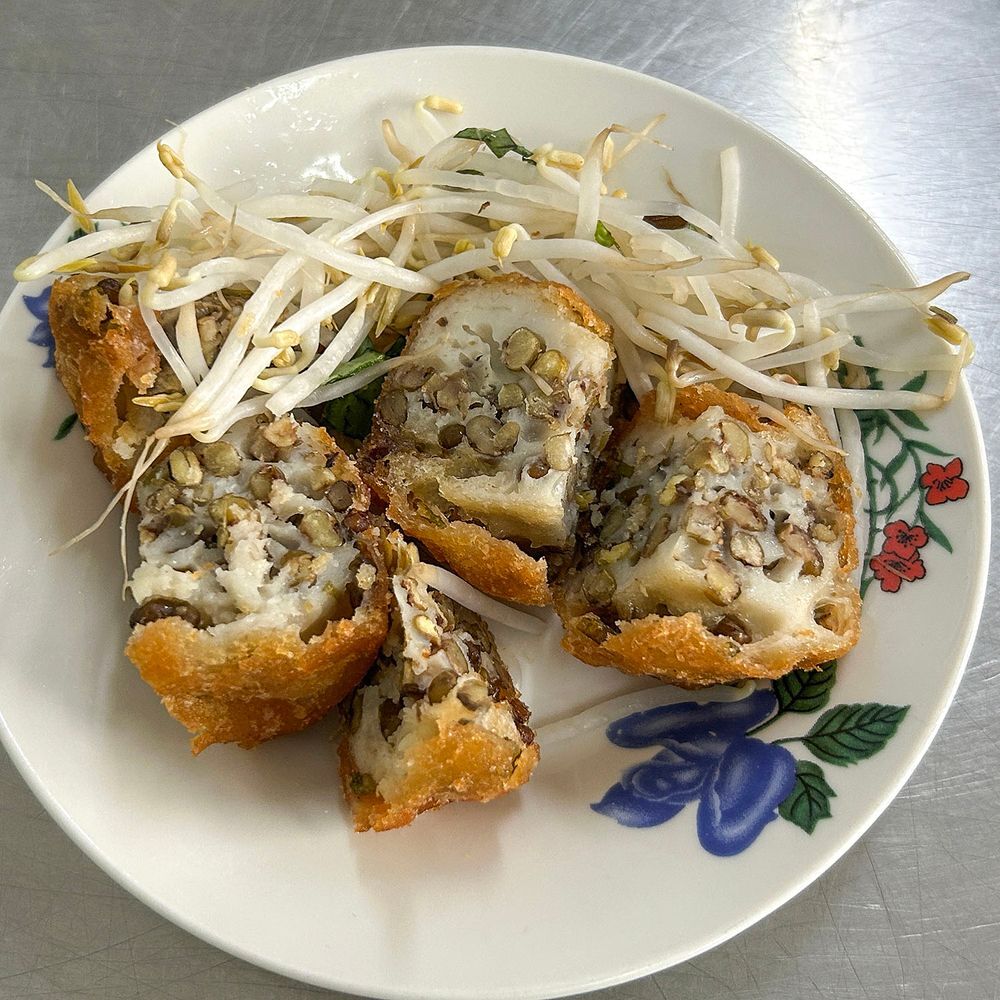
Bars in Ho Chi Minh City
Browse all →

Details
- Quiet
- Cozy
- Modern
- Casual Hangout
- Solo
- Family
- Standalone
- A La Carte
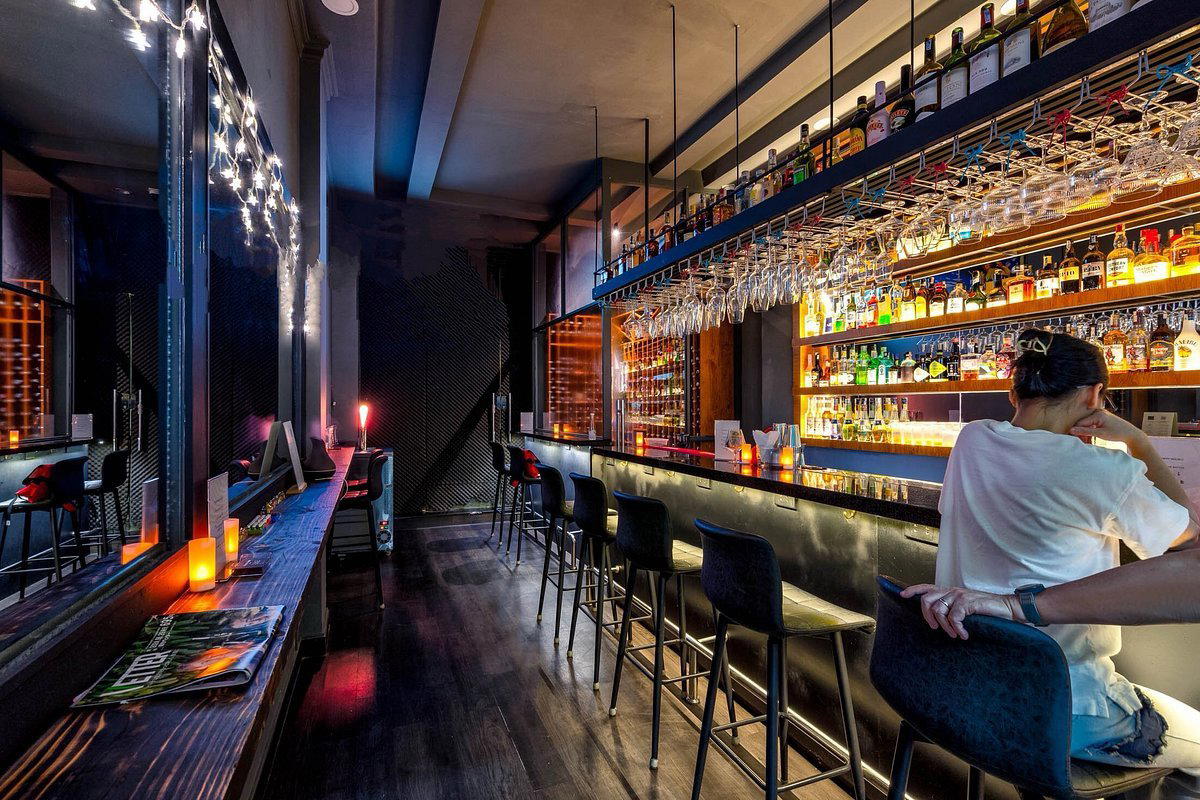
A humble, small eatery tucked in a quiet alley, with a simple contemporary feel centered on casual sticky-rice dining.