
Michelin Plate
Our verdict
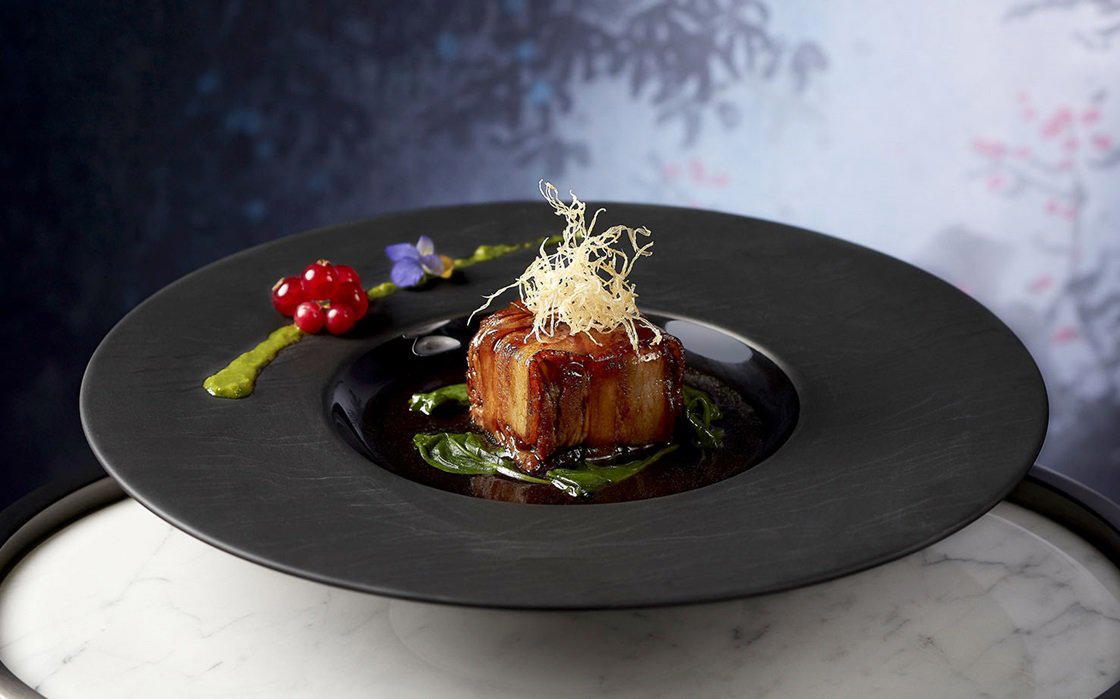
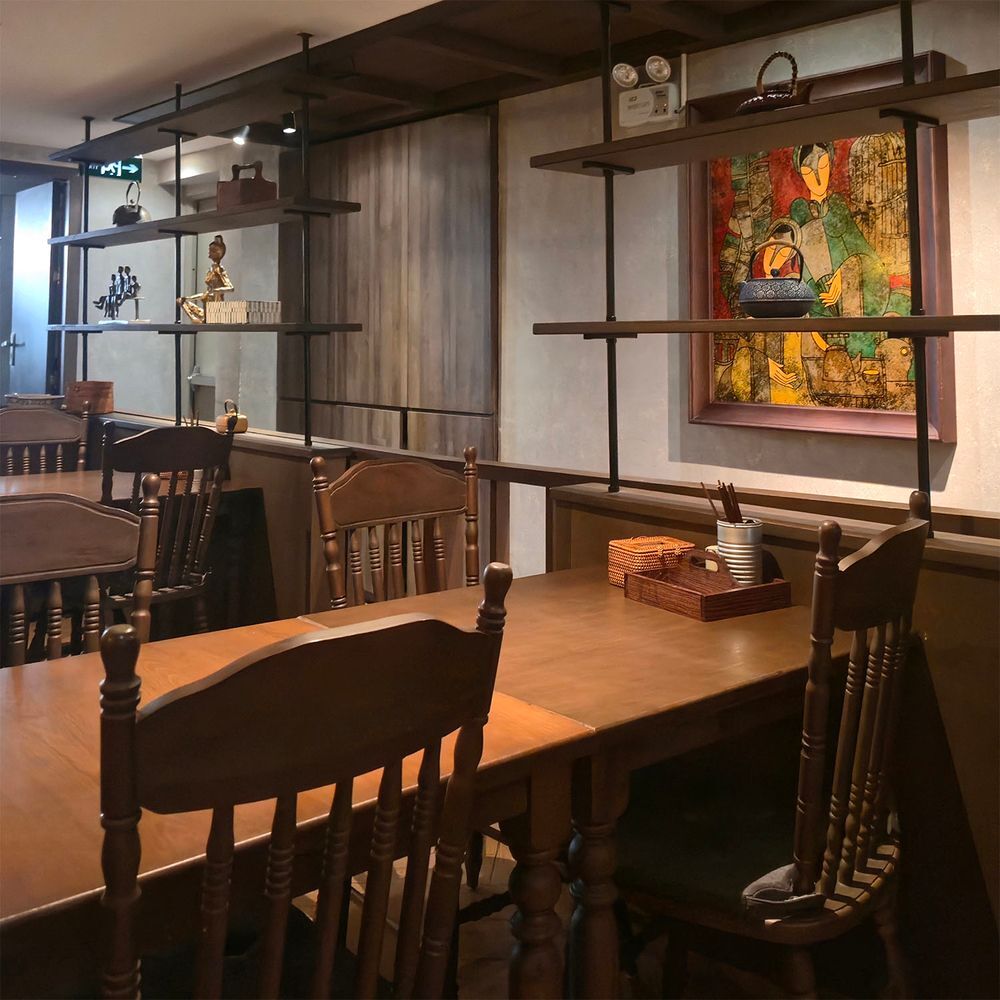
Hidden amid a lush garden threaded with tranquil water features, A Bản Mountain Dew channels the spirit of northwestern Vietnam with a refined, contemporary sensibility. Chef Phạm Việt crafts a singular culinary narrative that celebrates the authentic flavors of the Mông, Tày, Muong, and Tai peoples, rendered with meticulous technique and an eye for elegance. Expect an intriguing progression of rare, provenance-driven ingredients—snake, horse, buffalo, freshwater carp—framed by vivid herbs, mountain spices, and forest aromatics. The dining room, draped in vibrant woven textiles, glows with an understated warmth that elevates each course into a moment of discovery. For the discerning traveler, this is a rarefied encounter with Vietnam’s highland terroir: intimate, evocative, and unmistakably one-of-a-kind.

Pearl is the En Primeur Club membership app — saves, bookings, and concierge access live there. Same editors, same standards.
- Address
- 76 P. Trần Phú, Điện Biên, Ba Đình, Hà Nội, Vietnam
- Phone
- +84 856 787 678
- Hours
- Daily 10 a.m.–2 p.m., 5–11 p.m.
- Website
- aban.com.vn
- Directions
- Get directions
- Booking
- Book on the venue's website
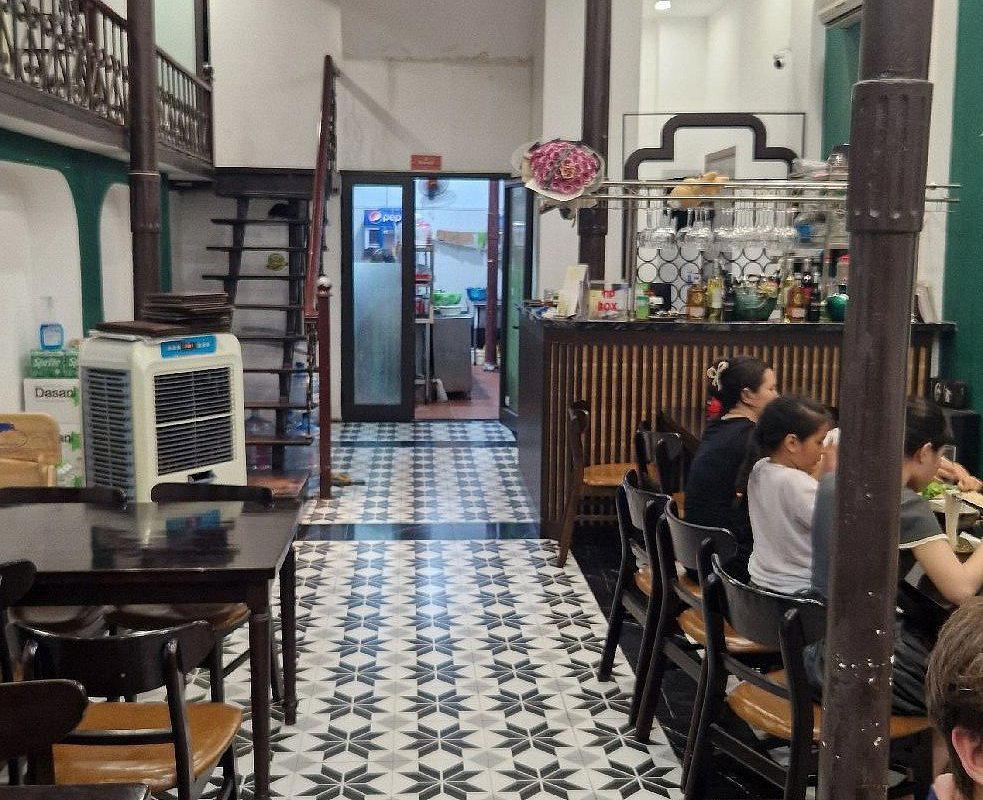
The menu
What to order
- Nộm bì trâu
- Cơm lam
- Lạp sườn gác bếp
- Khau nhục
- Xôi ngũ sắc
Where Ba Đình Meets the Mountain
Trần Phú is one of those Hanoi streets that carries more history than noise. Running along the western edge of the Ba Đình district, close to the old French quarter's administrative core, it draws a quieter crowd than the Old Quarter lanes a kilometre east. A Bản Mountain Dew sits at number 76, occupying a position in a neighbourhood where government buildings and tree-lined pavements give the dining scene a more local, residential character. Arriving here, you are already in a different register from the tourist-facing restaurants clustered around Hoàn Kiếm Lake.
The Fresh-First Logic of Northern Vietnamese Cooking
Vietnamese cuisine, in its northern expression, has always operated around a particular tension: the heat of the bowl against the cool of what arrives alongside it. A plate of herbs, a clutch of bean sprouts, a folded sheet of rice paper — these are not garnishes. They are half the dish. The tradition of assembling at the table, of tearing and wrapping and dipping, puts the diner in an active role that most other cuisines reserve for the kitchen. A Bản Mountain Dew works within this grammar, offering Vietnamese food at a ₫₫ price point (mid-range by Hanoi standards, where fully licensed fine-dining rooms like Gia operate at ₫₫₫₫ and single-star teppanyaki at Hibana by Koki reaches the same tier).
The name itself signals something about the kitchen's orientation. "Bản" refers to a highland village, a word associated with the mountain communities of northern Vietnam, where produce arrives from elevation and the diet skews toward vegetables, fermented condiments, and herbs that do not survive the lowland heat well. That framing shapes expectations before the first dish appears.
Raw, Fresh, and Assembled: The Eating Tradition
The emphasis on fresh components alongside cooked dishes is one of the defining features of Vietnamese table culture, and it is also one of the most frequently misunderstood by visitors expecting a finished plate. In practice, a bowl of bún or a platter of grilled meat typically arrives with its own ecosystem: a tangle of mint, perilla, and rice paddy herb; sliced cucumber; green banana; and often a basket of bánh tráng for wrapping. The ratio of raw to cooked can tip surprisingly far toward the former.
This is not minimalism for its own sake. The uncooked elements bring bitterness, grassiness, and textural contrast that the cooked components alone cannot supply. Perilla carries a faint anise note; Vietnamese balm offers something closer to lemon. When wrapped together in damp rice paper with a piece of grilled pork and a drag through nước chấm, the result is a compound flavour that no single ingredient could produce. The technique is about balance achieved through assembly rather than through cooking alone. Restaurants operating in this tradition, whether in Hanoi or further afield at places like Ăn Thôi in Da Nang or Ăn Chơi in Hong Kong, are asking something of the diner that most Western restaurant formats do not.
Michelin Recognition at the Accessible End
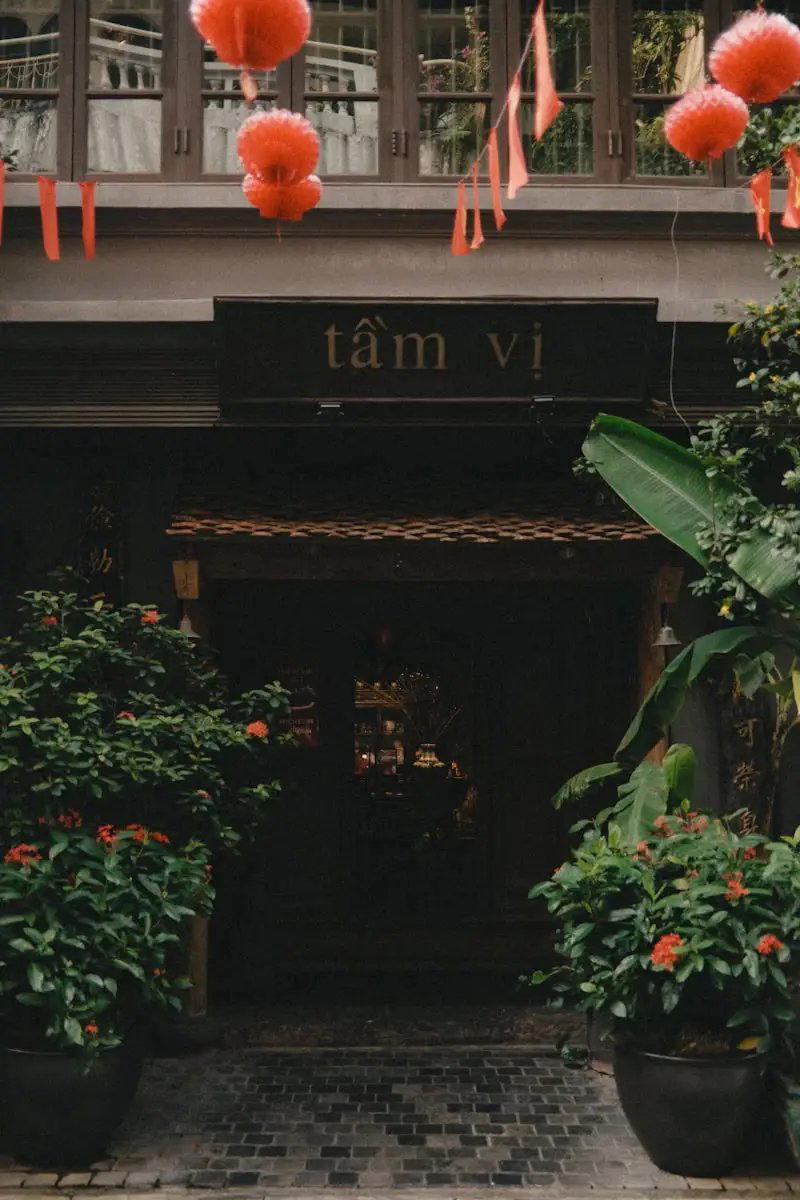
Hanoi's Michelin presence, which arrived formally in 2023, has since spread across a wider price range than the guide's reputation might suggest. A Bản Mountain Dew holds a Michelin Plate for both 2024 and 2025, a designation that signals quality cooking without star-level ceremony or pricing. The Michelin Plate sits below the star tier but above the general recommendation, functioning as a marker that the kitchen meets the guide's baseline standards for ingredient quality and technique. At a ₫₫ price point, it places A Bản in a specific cohort: accessible Vietnamese restaurants that have caught the guide's attention. Tầm Vị, also operating in the Vietnamese category at ₫₫, holds a full Michelin star, making it a natural point of comparison for diners calibrating expectations across this price band. 1946 Cua Bac and Bếp Prime represent other reference points in Hanoi's mid-range dining conversation.
For context, a 4.6 across several hundred reviews typically indicates consistent execution rather than occasional brilliance. Cau Go and Chào Bạn operate in the same broader Hanoi Vietnamese dining space and are worth comparing when building a multi-night itinerary.
Hanoi in the Wider Vietnamese Dining Context
Hanoi's food identity differs from Ho Chi Minh City's in ways that matter at the table. Northern cooking tends toward cleaner broths, less sweetness, and a heavier reliance on fermented and pickled elements. The herb selection in the north also runs narrower than in the south, where tropical abundance produces a wider table spread. Visitors arriving from Ho Chi Minh City, where a restaurant like Akuna operates at a different register, or from Da Nang, where La Maison 1888 occupies the fine-dining tier, will find Hanoi's mid-range Vietnamese scene more restrained in seasoning and more focused on the interplay of a few precise ingredients.
For Vietnamese dining outside Vietnam, comparison points include An Nam in Singapore, Berlu in Portland, and Camille in Orlando, though the gap between diaspora Vietnamese cooking and its source in a Hanoi neighbourhood restaurant is one that travels poorly in description and requires the actual table to resolve. Agave in Ubon Ratchathani offers another regional adjacency worth noting for travellers moving through Southeast Asia.
Planning Your Visit
A Bản Mountain Dew is located at 76 Trần Phú in the Ba Đình district, reachable on foot from the Ba Đình Square area and a short taxi or ride-share from the Old Quarter. The ₫₫ pricing places it within comfortable reach for most international visitors: a full meal here sits well below the cost of a starred room in the city. No booking method is confirmed in available data, so arriving with some flexibility, or visiting outside peak lunch and dinner hours, is the pragmatic approach. For a fuller picture of dining, accommodation, and activities in the capital, see our full Hanoi restaurants guide, our full Hanoi hotels guide, our full Hanoi bars guide, our full Hanoi wineries guide, and our full Hanoi experiences guide.
Frequently asked questions
Does A Bản Mountain Dew have a Michelin star or similar recognition?
A Bản Mountain Dew has received recognition including: Michelin Plate (2025); Michelin Plate (2024).
What dish is A Bản Mountain Dew famous for?
The menu reflects the northern Vietnamese tradition of pairing cooked dishes with raw, fresh components assembled at the table — a practice that defines the Ba Đình dining style more broadly. The Michelin Plate recognition in both 2024 and 2025 points to consistent execution across the kitchen's range rather than a single signature dish. For specifics on current dishes, checking directly with the restaurant before your visit is advisable.
Is A Bản Mountain Dew expensive?
Pricing at A Bản Mountain Dew is listed as ₫₫.
How do I find A Bản Mountain Dew?
A Bản Mountain Dew is located at 76 P. Trần Phú, Điện Biên, Ba Đình, Hà Nội, Vietnam, Hanoi.
Do they take walk-ins at A Bản Mountain Dew?
No booking policy is formally documented for A Bản Mountain Dew at 76 Trần Phú. Given its Michelin Plate status across two consecutive years, demand at peak meal times is real, and arriving early or on weekday lunches will improve your chances if you are visiting without a reservation.
Cost and Credentials
Comparable options at a glance, pulled from our tracked venues.
| Venue | Cuisine | Price | Awards | Notes |
|---|---|---|---|---|
| A Bản Mountain DewThis venue — the venue you are viewing | Northern & Highland Vietnamese | $20–30 | Michelin Plate | Not listed |
| Hibana by Koki | Michelin-Starred Japanese Teppanyaki | $200–300 | 1 Michelin Star · La Liste Top Restaurants | Teppanyaki, ₫₫₫₫ |
| Tầm Vị | Northern Vietnamese Home-Style | $10–20 | 1 Michelin Star | Vietnamese, ₫₫ |
| Gia | Modern Vietnamese Fine Dining | $100–150 | 1 Michelin Star · La Liste Top Restaurants | Vietnamese Contemporary, ₫₫₫₫ |
| 1946 Cua Bac | Northern Vietnamese | $10–20 | Michelin Bib Gourmand | Vietnamese, ₫ |
| Bun Cha Ta (Nguyen Huu Huan Street) | Authentic Vietnamese Bun Cha | $1–10 | Michelin Bib Gourmand | Noodles, ₫ |
Recognition history
Dated appearances from independent guides and award organizations, with the underlying list record or original source where available.
Michelin Plate
Michelin
Full recognition history (3 entries)
Michelin Plate
Michelin
Michelin Plate
Michelin
Details
- Cozy
- Rustic
- Modern
- Sophisticated
- Group Dining
- Business Dinner
- Family
- Special Occasion
- Casual Hangout
- Design Destination
- Standalone
- Garden
- Beer Program
- Local Sourcing
- Garden
- Set Menu
- A La Carte
- Wine
- Vegetarian Friendly
- Gluten Free Options
Current opening hours
- Monday
- 10 a.m.–2 p.m., 5–11 p.m.
- Tuesday
- 10 a.m.–2 p.m., 5–11 p.m.
- Wednesday
- 10 a.m.–2 p.m., 5–11 p.m.
- Thursday
- 10 a.m.–2 p.m., 5–11 p.m.
- Friday
- 10 a.m.–2 p.m., 5–11 p.m.
- Saturday
- 10 a.m.–2 p.m., 5–11 p.m.
- Sunday
- 10 a.m.–2 p.m., 5–11 p.m.
Hours can change for holidays and private events. Last verified .
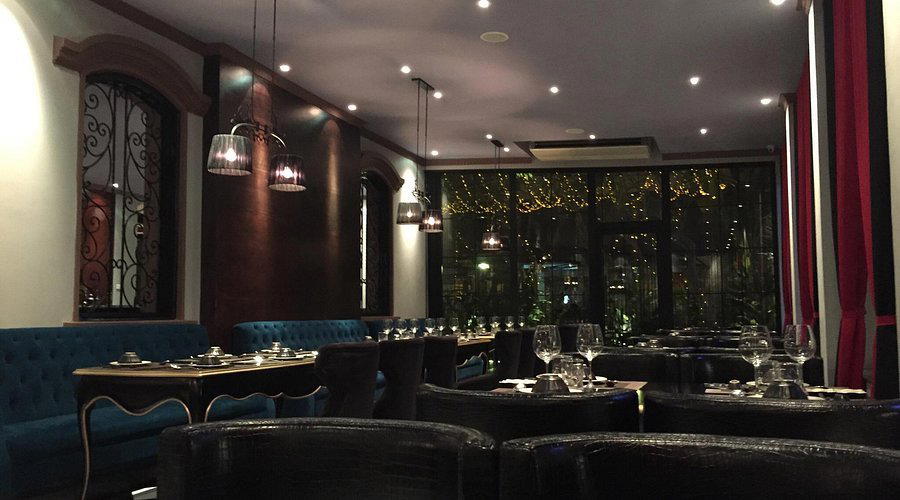
A refined, contemporary dining room with a lush garden feel, colorful decor, and design elements inspired by northwestern Vietnam’s mountains and ethnic heritage.