Đông Phố

A Michelin Plate recipient in both 2024 and 2025, Đông Phố sits on Hồ Xuân Hương Street in District 3, serving Vietnamese cuisine at mid-range prices that make the recognition accessible.
Pearl is the En Primeur Club membership app — saves, bookings, and concierge access live there. Same editors, same standards.
- Address
- 57 Hồ Xuân Hương, Phường 6, Quận 3, Thành phố Hồ Chí Minh, Vietnam
- Phone
- +84 28 3930 7665
- Website
- dongphorest.vn
- Directions
- Get directions
 Saves & bookings on Pearl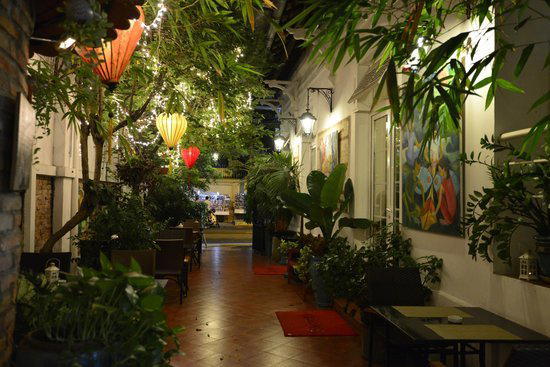
District 3's Quiet Consistency
Hồ Xuân Hương Street runs through one of District 3's more residential pockets, away from the tourist-facing density of Bùi Viện or the corporate polish of Districts 1 and 7. The buildings here are narrower, the street-level noise more domestic, and the dining options more attuned to how the city actually eats rather than how it performs for visitors. Đông Phố sits at number 57 in exactly this kind of setting: a Vietnamese restaurant that has now held a Michelin Plate in consecutive years, 2024 and 2025, without drifting toward the pricing or theatre of the city's starred tier.
That positioning matters. Ho Chi Minh City's Michelin-recognised Vietnamese restaurants split across a wide spectrum. Anan Saigon, which holds a full Michelin Star, operates at a similar price point but leans into street food reinterpretation as its editorial identity. The Plate distinction, awarded to restaurants preparing good food rather than star-level cooking, is Michelin's signal that the kitchen is executing with craft and consistency, two qualities that tend to matter more to the local diner than spectacle.
How a Meal Takes Shape
Vietnamese cooking at its most considered follows a logic of accumulation: light before rich, fresh before fermented, individual portions giving way to shared plates that arrive without particular ceremony. A meal at a restaurant like Đông Phố, working within the Vietnamese tradition at the ₫₫ price range, would generally move through that architecture, herb-forward openings that reset the palate, followed by dishes where heat, acidity, and umami start to layer.
The cuisine type is listed simply as Vietnamese, which in the Ho Chi Minh City context means a southern inflection: sweeter than the northern canon, more generous with fresh herbs and coconut, and historically shaped by the commercial energy of what was Saigon. Dishes that characterise this tradition tend toward complexity assembled from fresh components rather than depth built through long cooking times. A well-executed bò lá lốt, for instance, achieves its character through the interplay of fatty beef, the bitterness of lolot leaf, and the char from the grill, not through reduction or aging. That kind of cooking rewards a kitchen that shops carefully and handles raw material with attention.
What the Michelin Plate recognition does confirm is that the kitchen's execution clears a meaningful threshold. The guide's inspectors return to verify that standard, which means the 2025 re-award represents continuity of performance rather than a single strong year. For the visitor building a meal itinerary across the city, that sustained recognition at this price tier positions Đông Phố as the kind of address that delivers without requiring advance planning or a special-occasion budget.
Where It Sits in the City's Vietnamese Dining Tier
Ho Chi Minh City has a deep inventory of Vietnamese restaurants at every price level, and the ₫₫ bracket is particularly crowded. What separates the Michelin Plate addresses from the general mid-range field is usually a combination of sourcing discipline, kitchen consistency, and a point of view on how a dish should arrive. Restaurants like Bánh Xèo 46A, which focuses on the sizzling crepe as its core vehicle, demonstrate how a narrow editorial focus can generate a distinct identity. Bếp Mẹ ỉn on Le Thanh Ton Street and Bếp Người Hội An each stake out a regional identity, motherly comfort cooking and Hội An tradition respectively. Cục Gạch Quán occupies an older, heritage-house format that layers atmosphere into the value proposition.
The restaurant's identity, as far as the record permits a reading, is neighbourhood consistency: a restaurant that performs well enough to hold Michelin attention without the scaffolding of a signature concept or a chef persona. That is a harder thing to sustain than it sounds. The 1,077-review baseline on Google suggests a clientele that returns rather than one that visits once out of curiosity.
For broader context on Vietnamese cooking at the Michelin-recognised level in Vietnam, Gia in Hanoi and Tầm Vị in Hanoi show how the northern tradition approaches the same recognition tier differently. The contrast between the two cities' cuisines is instructive: Hanoi's kitchens tend toward more restrained seasoning and a greater emphasis on technique at the broth and stock level, while Ho Chi Minh City's southern cooking leans into freshness and layered condiment work. 1946 Cua Bac and A Bản Mountain Dew in Hanoi each represent further points on that northern spectrum. For Vietnamese cooking outside Vietnam, Berlu in Portland and Camille in Orlando are useful reference points for how the diaspora tradition interprets similar source material. Agave in Ubon Ratchathani adds a cross-border dimension to how Southeast Asian kitchens handle Vietnamese influence. At the premium end of the Vietnamese spectrum, La Maison 1888 in Da Nang represents the fine-dining translation of the tradition at a significantly higher price tier.
Planning Your Visit
The restaurant is at 57 Hồ Xuân Hương, Phường 6, District 3, a short ride from the central District 1 cluster by motorbike taxi or grab car. The address sits in a part of the city where parking and access are generally more manageable than the inner tourist corridors. At the ₫₫ price tier, a full meal for two with drinks should remain well within what most visitors would consider an accessible mid-range spend for a Michelin-recognised table. Specific hours are Tue-Sun 11 a.m.-2 p.m. and 5-9 p.m. with Monday closed; reservations are recommended. The 4.3 Google average across more than a thousand reviews provides a reasonable baseline for expectations: consistent, well-regarded cooking in an environment that reads as local rather than tourist-facing.
Other District 3 and adjacent addresses worth considering alongside the restaurant include Béo Ơi for a different angle on southern Vietnamese cooking at a comparable price point.
- Assorted spring rolls
- Shrimp on toast
- Seafood fried rice
- Com Hen
- Bun Bo soup
- Steamed rice dumplings with shrimp
Awards and Standing
Comparable venues nearby, for context on price, style, and recognition.
| Venue | Cuisine | Price | Awards | Notes |
|---|---|---|---|---|
| Đông PhốThis venue — the venue you are viewing | Upscale Hue Cuisine | $$$ | Michelin Plate | Not listed |
| Nén Light | Modern Vietnamese Storytelling Tasting Menu | $$$$ | Michelin Plate | Quan 1 |
| Vietnam House | Modern Vietnamese Fine Dining | $$$ | Michelin Plate | Quan 1 |
| Little Bear | Modern Contemporary Vietnamese | $$$ | Michelin Plate | Quan 2 |
| Phở Việt Nam (District 1) | Authentic Vietnamese Phở | $$ | Michelin Plate | Quan 1 |
| Miên Saigon | Modern Vietnamese Fine Dining | $$$$ | Michelin Plate | Quan 1 |
Recognition history
Dated appearances from independent guides and award organizations, with the underlying list record or original source where available.
Michelin Plate
Michelin
Michelin Plate
Michelin
Michelin Plate
Michelin
Continue exploring
More in Ho Chi Minh City
Restaurants in Ho Chi Minh City
Browse all →
Bars in Ho Chi Minh City
Browse all →
At a Glance
- Elegant
- Cozy
- Classic
- Date Night
- Group Dining
- Family
- Special Occasion
- Standalone
- Garden
- Historic Building
- Corkage Allowed
- Local Sourcing
Current opening hours
- Monday
- Closed
- Tuesday
- 11 a.m.–2 p.m., 5–9 p.m.
- Wednesday
- 11 a.m.–2 p.m., 5–9 p.m.
- Thursday
- 11 a.m.–2 p.m., 5–9 p.m.
- Friday
- 11 a.m.–2 p.m., 5–9 p.m.
- Saturday
- 11 a.m.–2 p.m., 5–9 p.m.
- Sunday
- 11 a.m.–2 p.m., 5–9 p.m.
Hours can change for holidays and private events. Last verified .
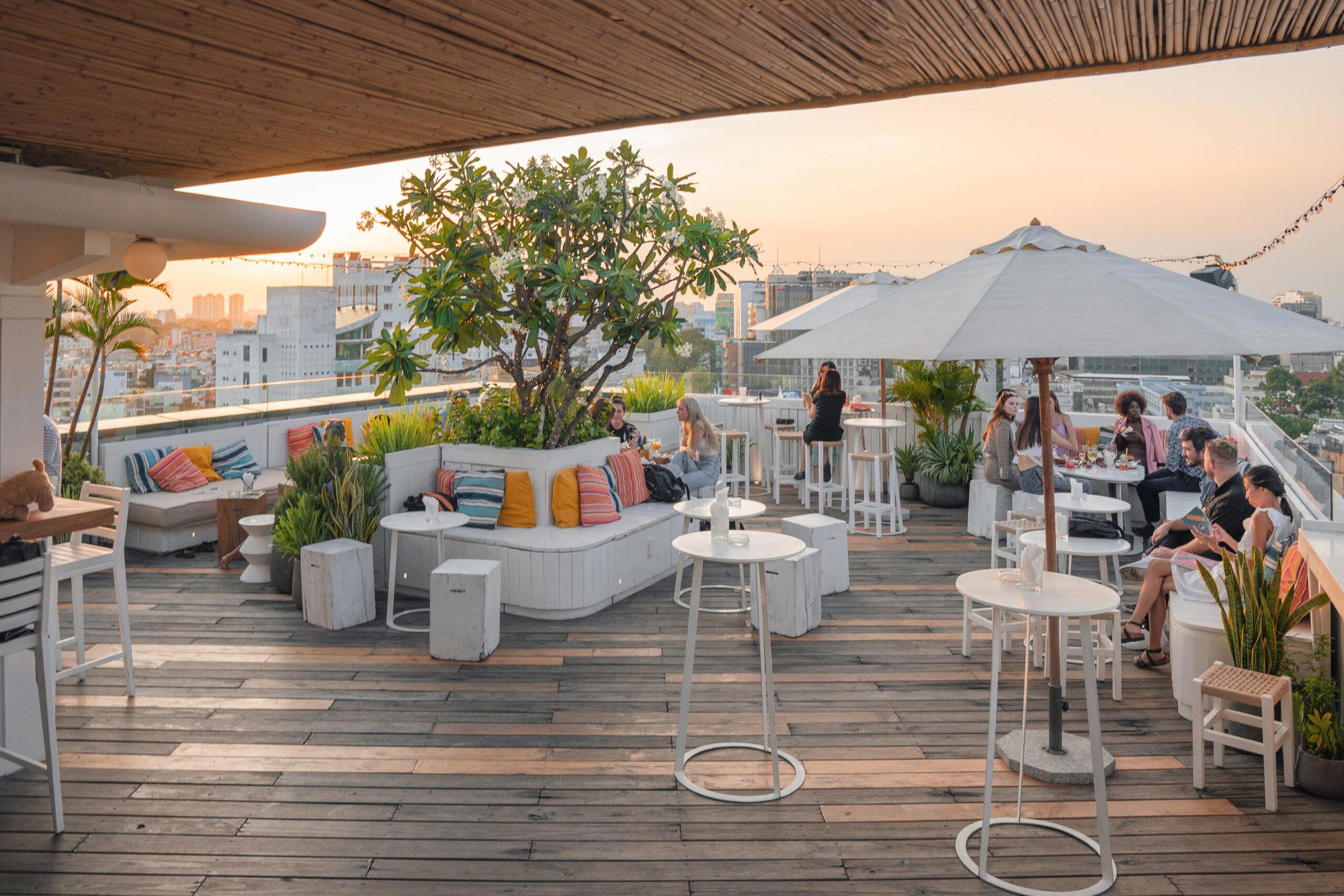
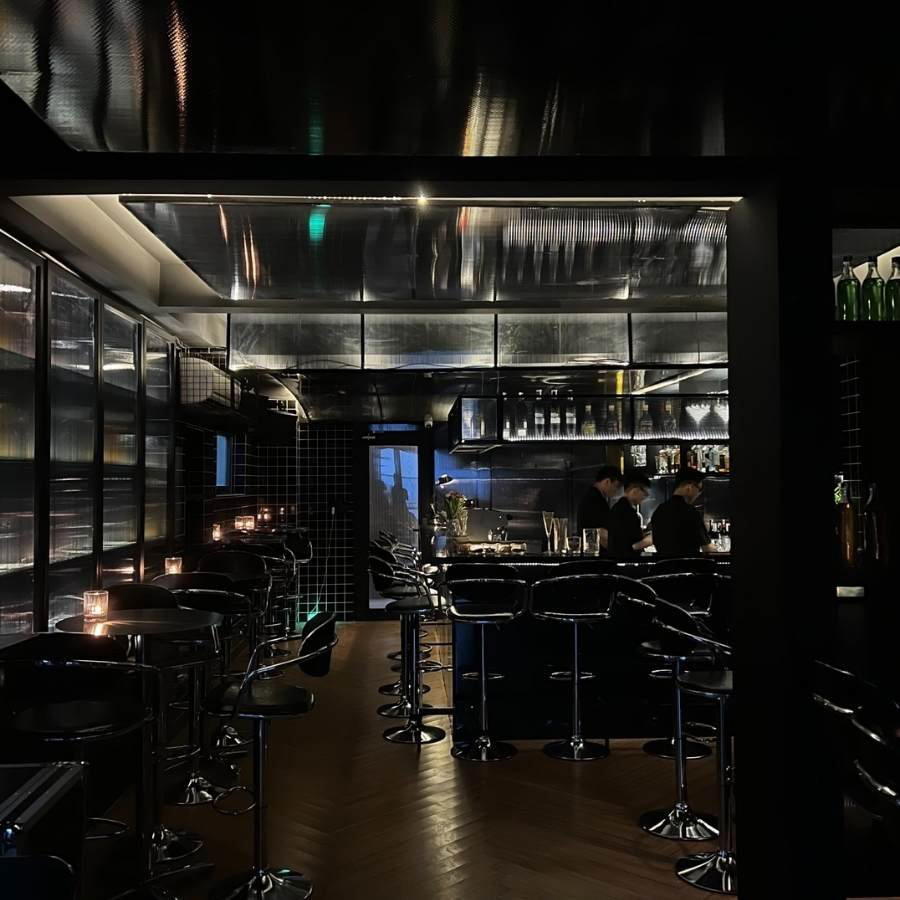
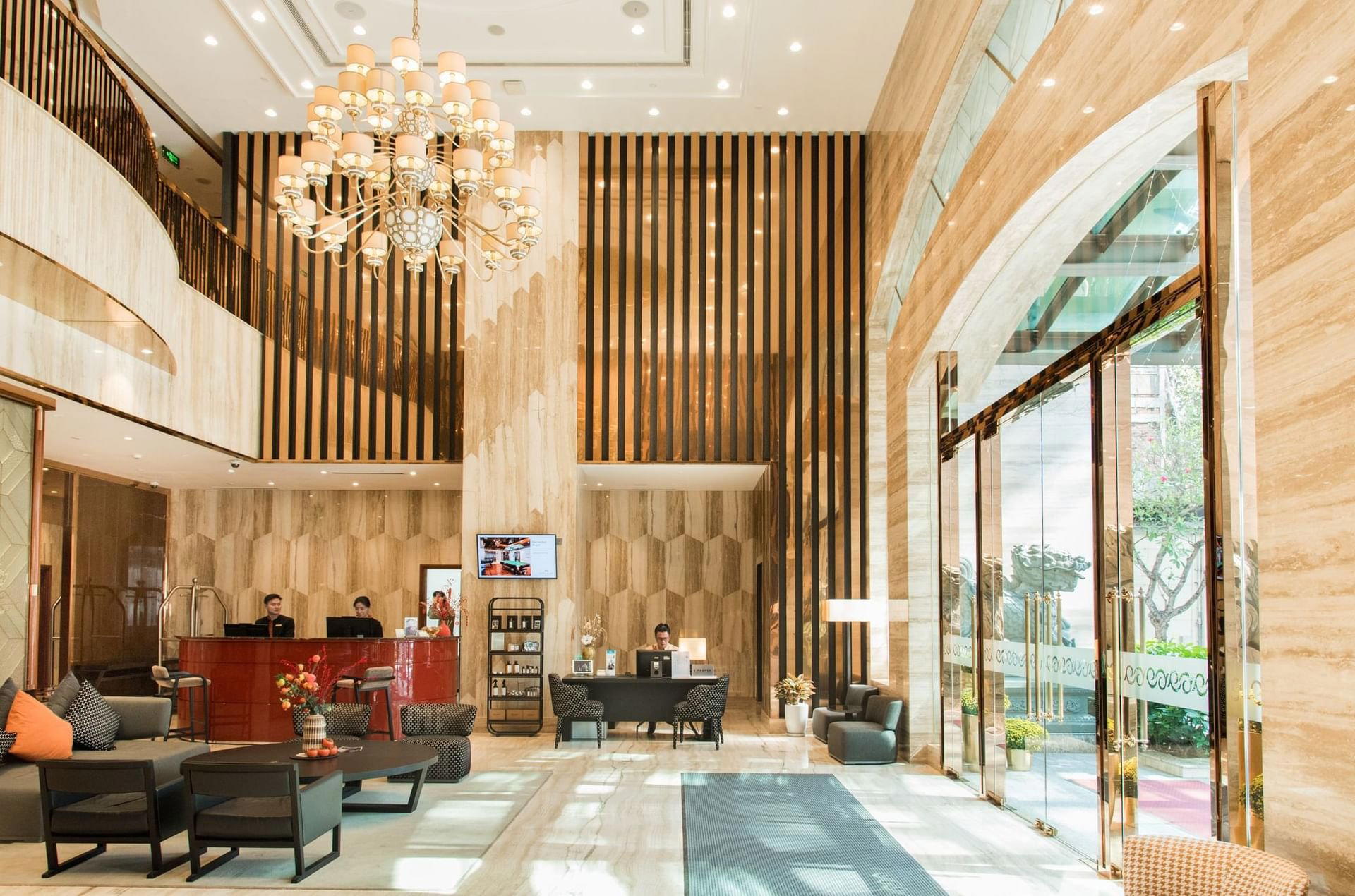
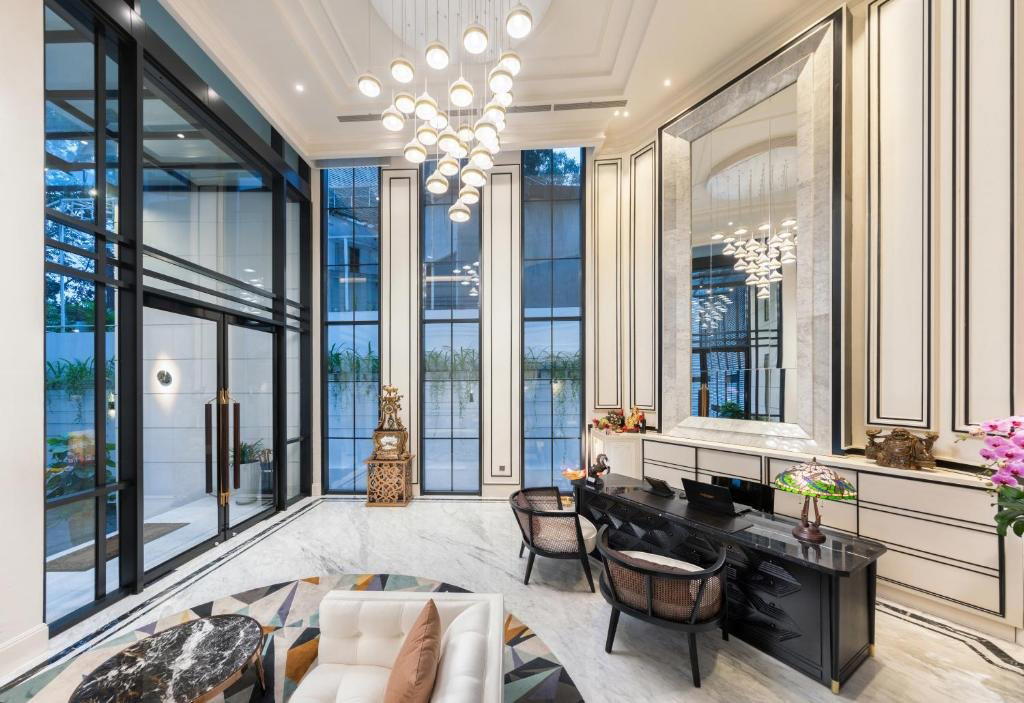
Warm, inviting colonial-style bungalow with cozy and relaxing atmosphere; described as unpretentious yet refined with beautiful plating and photo-worthy presentation throughout.