
A Michelin Bib Gourmand-recognised inn on a quiet residential street in Vienna's fifth district, Woracziczky (pronounced 'Vorashitsky') earns its following through honest Viennese cooking and a genuinely relaxed atmosphere. The daily-changing lunchtime set menu draws a neighbourhood crowd, while house specialities like Tafelspitz with chanterelle cream and beef tartare with avocado anchor the evening offer at prices that remain an anomaly at this standard.
Pearl is the En Primeur Club membership app — saves, bookings, and concierge access live there. Same editors, same standards.
- Address
- Spengergasse 52, 1050 Wien, Austria
- Phone
- +43 699 11229530
- Website
- woracziczky.at
- Directions
- Get directions
 Saves & bookings on Pearl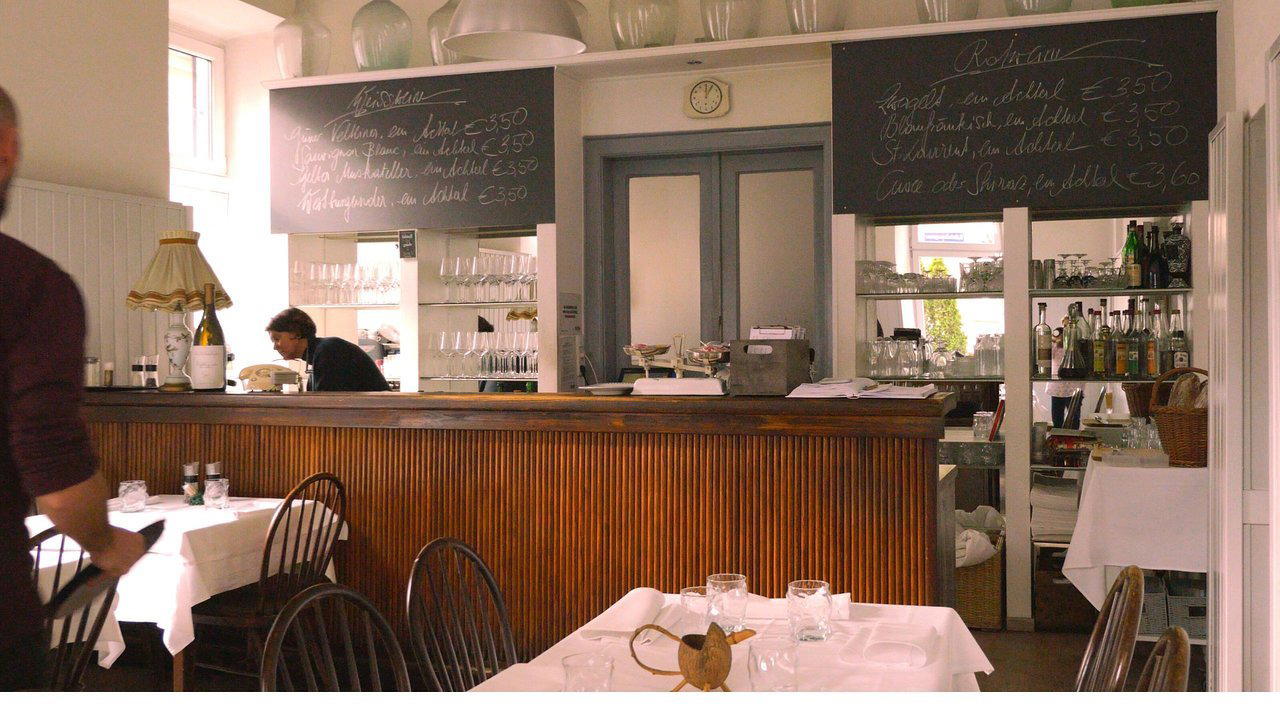
The Fifth District and What It Signals
Vienna's fifth district, Margareten, sits just south of the Ringstrasse belt without the foot traffic that tourism brings to the first or the self-conscious cool that has settled over parts of the seventh. Spengergasse is a working residential street: pharmacy, hardware shop, a few parked delivery vehicles. The address of a Michelin Bib Gourmand recipient here is not incidental. It reflects a category of Viennese inn that has historically thrived in precisely these off-centre neighbourhoods, where rents are lower, regulars are loyal, and the cooking does not need to perform for passing trade. Woracziczky belongs to that tradition, and the fifth district setting is part of why it works.
The Bib Gourmand designation, awarded by Michelin in 2024, applies to restaurants offering quality cooking at accessible prices. In Vienna, where the gap between tourist-facing Viennese restaurants and the genuinely local alternatives can be considerable, that recognition carries real weight.
What the Atmosphere Actually Feels Like
The Michelin notes describe the atmosphere as 'pleasingly informal,' and the word that comes up in both the award text and local reputation is warm welcome. Austrian inn culture, the Beisl tradition, prizes that quality above almost everything else. A Beisl that feels stiff or transactional has already failed its central brief, regardless of what arrives on the plate. Woracziczky is described specifically as laid-back, which in the context of Viennese dining means something: the city has a strong instinct toward formality in hospitality, and resisting that without becoming careless is a calibration that not every inn manages.
Contrast with Vienna's upper bracket is useful here. Restaurants like Steirereck, Mraz and Sohn, Konstantin Filippou, and Silvio Nickol operate at the €€€€ tier with the service architecture that bracket demands. That is a different experience entirely, and a worthwhile one on different terms. Woracziczky operates in a price range marked as €€, which makes it one of the more accessibly priced Michelin-recognised options in the city. The question for anyone considering a visit is not whether this is better or worse than those upper-tier rooms, but whether the Beisl register, informal, generous, neighbourhood-rooted, is what the occasion calls for.
The Cooking: Viennese Cooking Without the Tourist Markup
Kitchen at Woracziczky works within Austrian cooking's most durable formats. Tafelspitz, the classic dish of boiled veal served with accompaniments, appears here with a creamy chanterelle sauce, a pairing that grounds the dish in seasonal Austrian produce rather than the standard horseradish-and-rösti presentation that more tourist-facing kitchens rely on. Beef tartare with avocado sits at the other end of the register, a preparation that suggests a kitchen comfortable moving between tradition and something slightly more current without forcing the combination.
Lunchtime set menu, which changes daily, is the operating detail that most clearly defines the restaurant's role in the neighbourhood. A daily-changing menu at a single-digit or low double-digit price point requires a kitchen that is buying with the market, cooking what is seasonal, and serving a clientele that returns frequently enough to notice when something is repeated. That model produces a different kind of cooking from a fixed à la carte, less architectural, more responsive to what came in that morning. For the surrounding residential community, it functions as something between a canteen and a proper restaurant, and the popularity that Michelin notes is the direct result of executing that model reliably.
For context on where Viennese cooking sits more broadly, the city's restaurant scene offers several other reference points in the Austrian tradition. Plachutta is the city's most associated name for Tafelspitz and operates at a higher price point with an explicitly tourist-aware format. Meierei im Stadtpark and Meissl and Schadn occupy their own positions in the Austrian dining spectrum, each with distinct settings and price points. Fuhrmann and Rote Bar add further range to the city's offer. Woracziczky's place in that set is defined primarily by price accessibility and neighbourhood authenticity rather than by culinary ambition in the competitive sense.
Austrian Cooking Beyond Vienna
For those using a Vienna visit as a base for exploring Austrian cooking more widely, the country's restaurant geography extends well beyond the capital. Döllerer in Golling an der Salzach is among the more serious addresses for modern Alpine cooking. In Salzburg, Ikarus and Senns represent contrasting approaches to the city's dining ambitions. Further into the mountain regions, Griggeler Stuba in Lech, Gourmetrestaurant Tannenhof in Sankt Anton am Arlberg, Kräuterreich by Vitus Winkler in Sankt Veit im Pongau, and Obauer in Werfen each anchor serious cooking in regional alpine settings. For a different kind of Austrian inn cooking in a lake district setting, 1er Beisl im Lexenhof in Nußdorf am Attersee is a useful comparison point to Woracziczky's own Beisl format.
Know Before You Go7 from 695 reviewsChef Stefan Wiesner Getting there Margareten is served by U4 (Pilgramgasse) and U1 (Taubstummengasse); both are within walking distance of Spengergasse Booking Reservation is recommended, especially for lunch Hours Mon: 11:30 AM-2 PM, 6-11 PM; Tue: 11:30 AM-2 PM, 6-11 PM; Wed: 11:30 AM-2 PM, 6-11 PM; Thu: 11:30 AM-2 PM, 6-11 PM; Fri: 11:30 AM-2 PM, 6-11 PM; Sat: Closed; Sun: Closed
Recognition Snapshot
Comparable venues nearby, for context on price, style, and recognition.
| Venue | Cuisine | Price | Awards | Notes |
|---|---|---|---|---|
| WoracziczkyThis venue — the venue you are viewing | Traditional Viennese Gasthaus | $$ | Bib Gourmand | Not listed |
| Rote Bar | Modern Viennese Classics | $$$ | Michelin Plate | Staatsoper |
| LOLA | Traditional Spanish Tapas | $$ | Bib Gourmand | Inner City |
| Zum Schwarzen Kameel | Traditional Viennese | $$$ | Michelin Plate | Innere Stadt |
| Meierei im Stadtpark | Austrian Bistro Classics | $$ | Bib Gourmand | Staatsoper |
| Mochi | Modern Japanese Sushi | $$ | Bib Gourmand | Innere Stadt |
Recognition history
Dated appearances from independent guides and award organizations, with the underlying list record or original source where available.
Michelin Bib Gourmand
Michelin
Michelin Bib Gourmand
Michelin
Continue exploring
More in Vienna
Restaurants in Vienna
Browse all →![[aend] restaurant in Vienna](https://cdn.enprimeurclub.com/storage/v1/object/public/images/locations/recsVyRkMfzCxPmp0/hero2.jpg?width=3840&quality=75)
Bars in Vienna
Browse all →
Hotels in Vienna
Browse all →
At a Glance
- Cozy
- Classic
- Intimate
- Casual Hangout
- Family
- Group Dining
- Standalone
- Extensive Wine List
- Local Sourcing
Current opening hours
- Monday
- 11:30 AM–2 PM, 6–11 PM
- Tuesday
- 11:30 AM–2 PM, 6–11 PM
- Wednesday
- 11:30 AM–2 PM, 6–11 PM
- Thursday
- 11:30 AM–2 PM, 6–11 PM
- Friday
- 11:30 AM–2 PM, 6–11 PM
- Saturday
- Closed
- Sunday
- Closed
Hours can change for holidays and private events. Last verified .
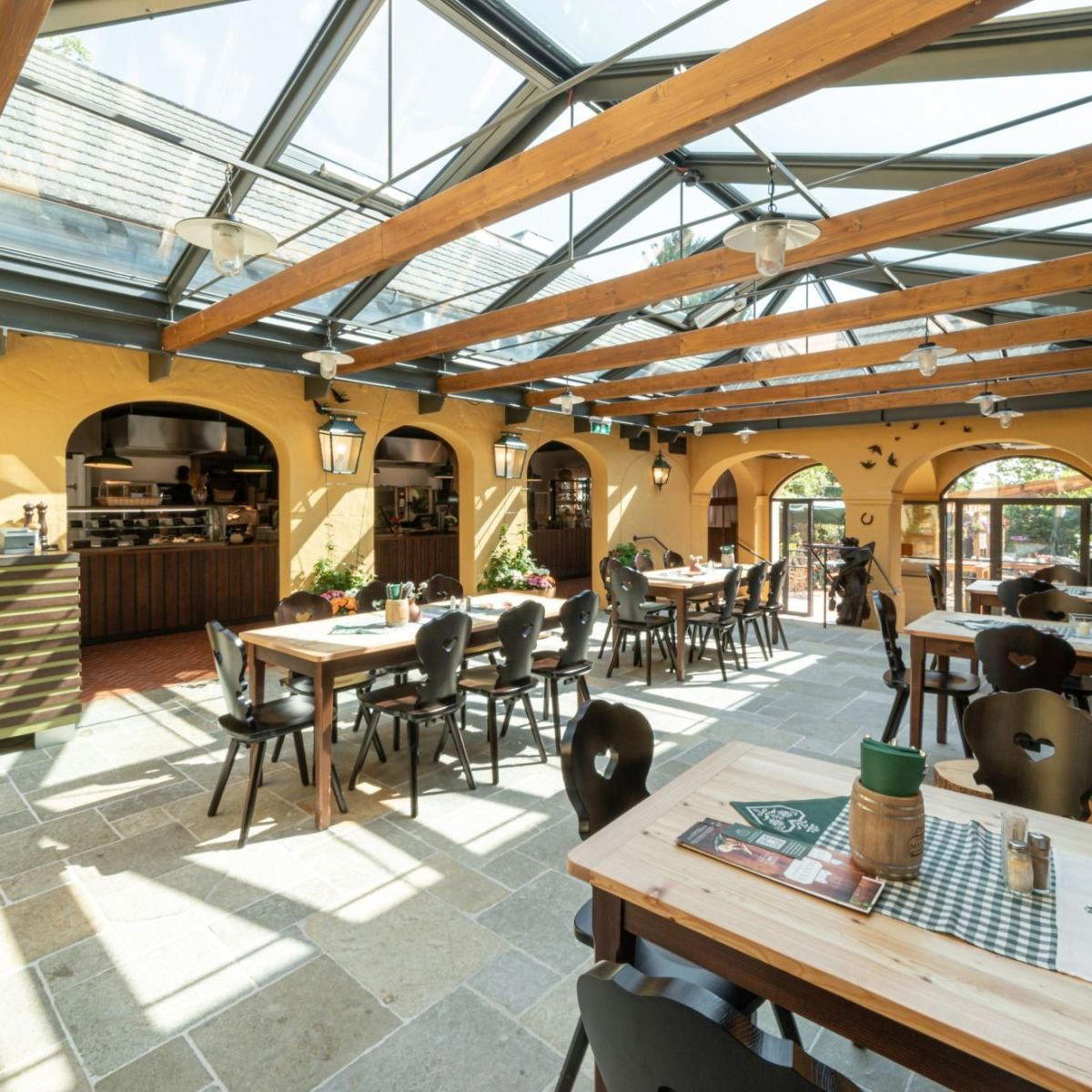
Warm, relaxed, and homely with wooden interiors, simple furniture, and a casual neighborhood inn feel that makes guests feel like family.