Our verdict
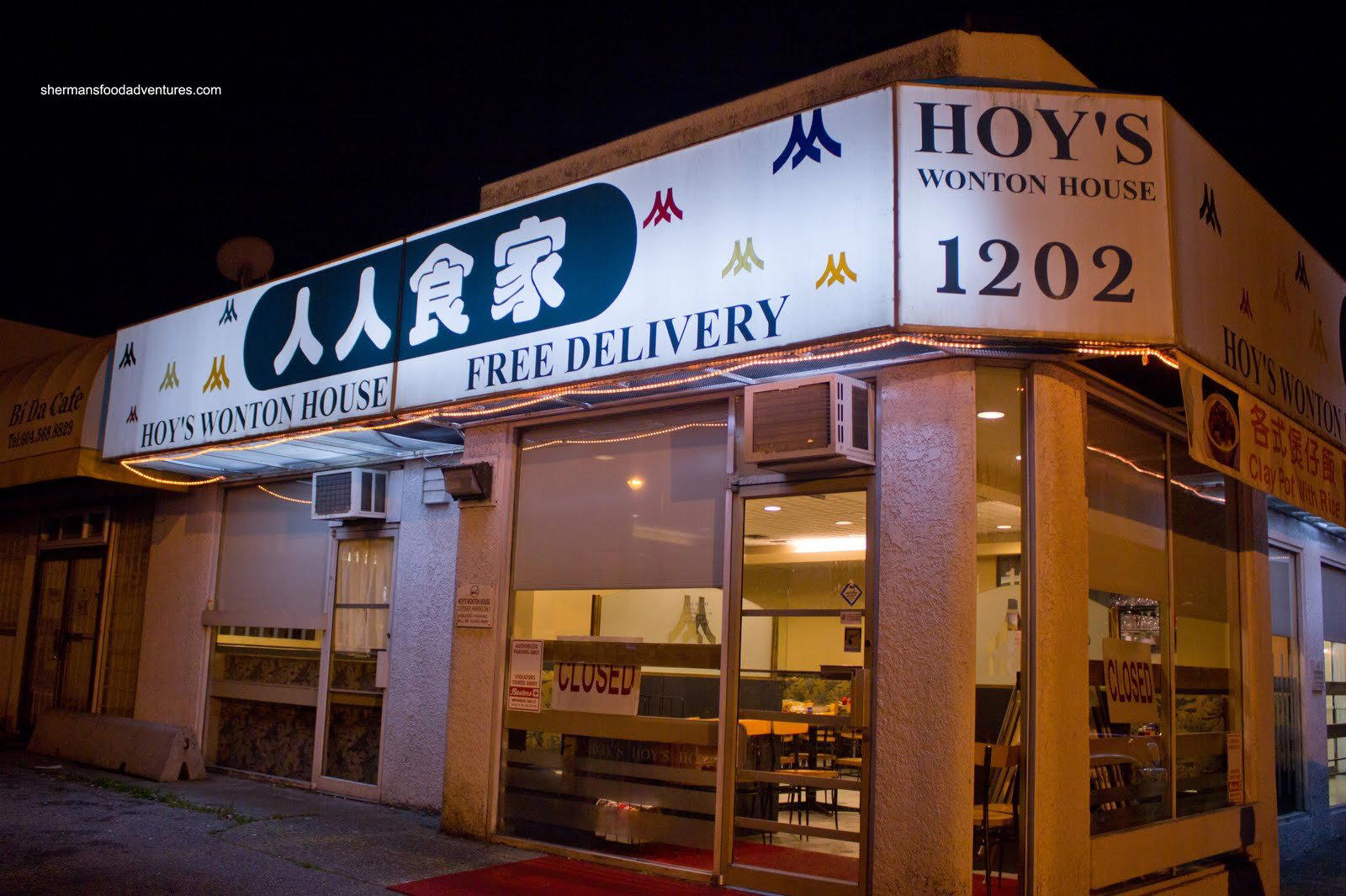
Wonton House is a Box Hill institution serving Hong Kong-style wonton noodles and congee in the heart of Melbourne's most concentrated Cantonese dining precinct. The kitchen keeps to a focused format — silky wontons in clear broth, rice porridge cooked low and slow — that mirrors the no-detour discipline of its Kowloon-style antecedents. Walk-ins are the norm; the regulars arrive early.

Pearl is the En Primeur Club membership app — saves, bookings, and concierge access live there. Same editors, same standards.
- Address
- Box Hill, Australia
- Directions
- Get directions
The menu
What to order
- Wonton Noodle
- Egg Noodles
- Lobster Noodle
- Spicy Pork
The Cantonese Morning Ritual, Practised Seriously
Box Hill's main strip operates on a different clock to the rest of Melbourne. By 8am on a weekend, the tables along Whitehorse Road and the side streets feeding into the town centre are already cycling through their second and third sittings. This is a precinct shaped by successive waves of Cantonese, Teochew, and Hong Kong-origin immigration, and the food culture it has produced is less a recreation of something lost than a continuation of something ongoing. Wonton House sits inside that continuum, offering a focused menu of Hong Kong-style wonton noodles and congee that draws directly from the dai pai dong tradition — the open-air cooked-food stalls that defined street-level eating in mid-century Kowloon and are now increasingly scarce in Hong Kong itself.
The editorial angle worth noting here is not nostalgia but discipline. Hong Kong-style wonton noodle soup is a format that resists elaboration. The canon is narrow: thin egg noodles cooked al dente, wontons filled with whole shrimp and pork, a clear pork-and-shrimp-roe broth. Deviation from that structure is not celebrated. The leading versions in Hong Kong — at counters like Mak's Noodle in Central, operating since the 1960s, are evaluated on precision, not invention. Box Hill's Cantonese restaurants, including Wonton House, operate within the same evaluative logic. The question a regular asks is not whether the menu is creative, but whether the execution holds.
Where Box Hill Sits in Melbourne's Cantonese Picture
Melbourne's Cantonese dining divides roughly into two registers. The first is represented by venues like Attica in Melbourne and Brae in Birregurra, fine-dining institutions working with Australian produce and modern technique, occupying a completely separate conversation. The second, and the one relevant here, is the neighbourhood-rooted Cantonese restaurant operating for a community audience, where authenticity is assessed by the community itself rather than by guide committees. Flower Drum in the CBD is the formal end of that second register, a Cantonese institution with decades of critical recognition. Wonton House is the informal end: no tablecloths, no ceremony, a menu built around a handful of dishes executed correctly and served quickly.
Box Hill as a suburb earns its reputation through density rather than any single address. The concentration of Cantonese, Vietnamese, Korean, and Burmese restaurants along and around Station Street and Whitehorse Road makes it a genuine dining precinct rather than a scatter of individual spots. Ka Gyi represents the Burmese side of that mix, and Seoul Bakery anchors the Korean end. Wonton House addresses the Cantonese core, specifically the noodle-and-congee category that remains the most purely Hong Kong-inflected part of the suburb's food offer. Our full Box Hill restaurants guide maps the broader precinct in detail.
The Format: Congee, Noodles, and the Logic of Restraint
Congee, jook in Cantonese, is one of those preparations that reveals technique through simplicity. The base requires extended cooking time, usually several hours at low heat with a high water-to-rice ratio, to achieve the smooth, almost silken texture that distinguishes a properly made version from a rushed one. Toppings are secondary to the porridge itself: century egg, salted pork, preserved vegetables, or fresh fish are additions to a base that must hold its own. In Hong Kong, congee houses are typically open from pre-dawn through to mid-morning and again late at night, serving as both morning meal and late supper. Box Hill's version of that culture runs through the weekend morning service, when the suburb's Chinese-Australian population uses the precinct the way a neighbourhood in Kowloon City would use its local congee shop.
Wonton noodle soup operates under similarly strict internal logic. The wonton wrapper must be thin enough to allow the shrimp filling to be visible through it, a visual cue that signals proper wrapping technique. The noodles are typically springy and slightly alkaline, a result of the lye water used in traditional egg noodle production. Portion size in the Hong Kong tradition is deliberately small: a standard bowl at Mak's Noodle is sized for focus, not volume. Whether Wonton House mirrors that portion philosophy or scales to Australian appetite expectations is the kind of judgment call that separates a kitchen working from tradition from one simply referencing it.
Planning a Visit
Box Hill is accessible directly from the city by train on the Belgrave and Lilydale lines, with the station placing visitors within a short walk of the main dining precinct. Weekend mornings are the high-demand window, Cantonese breakfast and brunch culture concentrates here between roughly 8am and noon, and the most focused Cantonese kitchens in the suburb operate at their leading during that window. Wonton House, operating in the noodle-and-congee category, fits that timing pattern. No booking infrastructure is noted which follows the standard practice of the category: walk-in seating, high turnover, and a format that moves tables quickly. Arriving early on weekends is the practical approach. Diners looking for the full range of the suburb's Chinese-Australian offer will find it easier to allocate a morning rather than a single meal slot, given the proximity of multiple kitchens across the precinct.
For reference points elsewhere in Australia's dining scene, venues like Rockpool in Sydney represent the fine-dining end of Australian food culture, while neighbourhood restaurants like Bar Carolina in South Yarra, Barry Cafe in Northcote, and bills in Bondi Beach occupy the approachable, community-rooted register that Wonton House also inhabits, albeit in a completely different cuisine tradition. Regional comparisons across Australia's food cities can also be found at Jaani Street Food in Ballarat, Kulcha Restaurant Wollongong in Wollongong, Lenzerheide Restaurant in Adelaide, and Hungry Wolfs Italian Restaurant in Newcastle. Internationally, the craft-focused, precision-driven cooking philosophy that underlies Hong Kong noodle culture finds a different expression in venues like Le Bernardin in New York City and Atomix in New York City, where technique is equally non-negotiable. Closer to home, Akasiro in Collingwood, Johnny Bird in Crows Nest, and Bayly's Bistro in Kirribilli round out the neighbourhood-dining conversation across Australia's east coast.
Frequently asked questions
How does Wonton House compare to other Cantonese options in Box Hill?
Box Hill holds one of Melbourne's most concentrated pockets of Cantonese cooking, with a focus on Hong Kong-style preparations rather than the banquet-hall format found closer to the CBD. Wonton House sits in the everyday register of that scene — congee and noodles rather than yum cha trolleys or roast meats — which reflects a specific Hong Kong street-food tradition that prioritises repetition and refinement over range.
What's the signature dish at Wonton House?
The kitchen is built around two Cantonese cornerstones: wonton noodle soup and congee (jook). Hong Kong-style wonton noodles are the clearest measure of a kitchen's precision here — the broth, noodle texture, and wonton filling each carry weight independently. Congee rounds out the offering as a longer-cooked preparation that rewards patience rather than speed.
Can I walk in to Wonton House?
Box Hill's Cantonese breakfast spots operate on high turnover, particularly on weekend mornings when the main strip fills early. Arriving before the mid-morning rush is the practical approach. No booking policy is documented for Wonton House, so walking in is the standard method — though timing matters more than at a venue where reservations manage the flow.
Budget Reality Check
Comparable venues nearby, for context on price, style, and recognition.
| Venue | Cuisine | Price | Notes |
|---|---|---|---|
| Wonton HouseThis venue — the venue you are viewing | Traditional Chinese Noodle House | $10–20 | Not listed |
| Seoul Bakery | Box Hill, Korean Bakery | $10–20 | Not listed |
| Ka Gyi | Burmese Fusion | Not listed | Box Hill North, Burmese Fusion |
| Henry's Kitchen | Chinese | $20–30 | Midland, Chinese |
| THE DOLAR SHOP | Chinese Hot Pot | $50–100 | Haymarket, Chinese Hot Pot |
| Lilong by Tastes of Shanghai | Shanghainese Street Food | $20–30 | Mascot, Shanghainese Street Food |
Continue exploring
More in Box Hill
Restaurants in Box Hill
Browse all →
Bars in Box Hill
Browse all →
Hotels in Box Hill
Browse all →

Details
- Casual
- Lively
- Casual Hangout
- After Work
- A La Carte
- Family Style
- Milk Tea
Casual neighborhood dining environment with a focus on quick, authentic meals in a relaxed setting.