Seoul Bakery brings Korean bakery culture to the heart of Box Hill, Melbourne's most concentrated East Asian dining precinct. Known for salt bread, bingsu, and Korean sweets, it sits within a suburb where Cantonese roast houses, Burmese kitchens, and Korean cafes compete for the same stretch of pavement. For anyone tracing the fermented and baked edges of Korean food culture in Australia, it earns a visit.
 Discover on Pearl
Pearl is the En Primeur Club membership app — saves, bookings, and concierge access live there. Same editors, same standards.
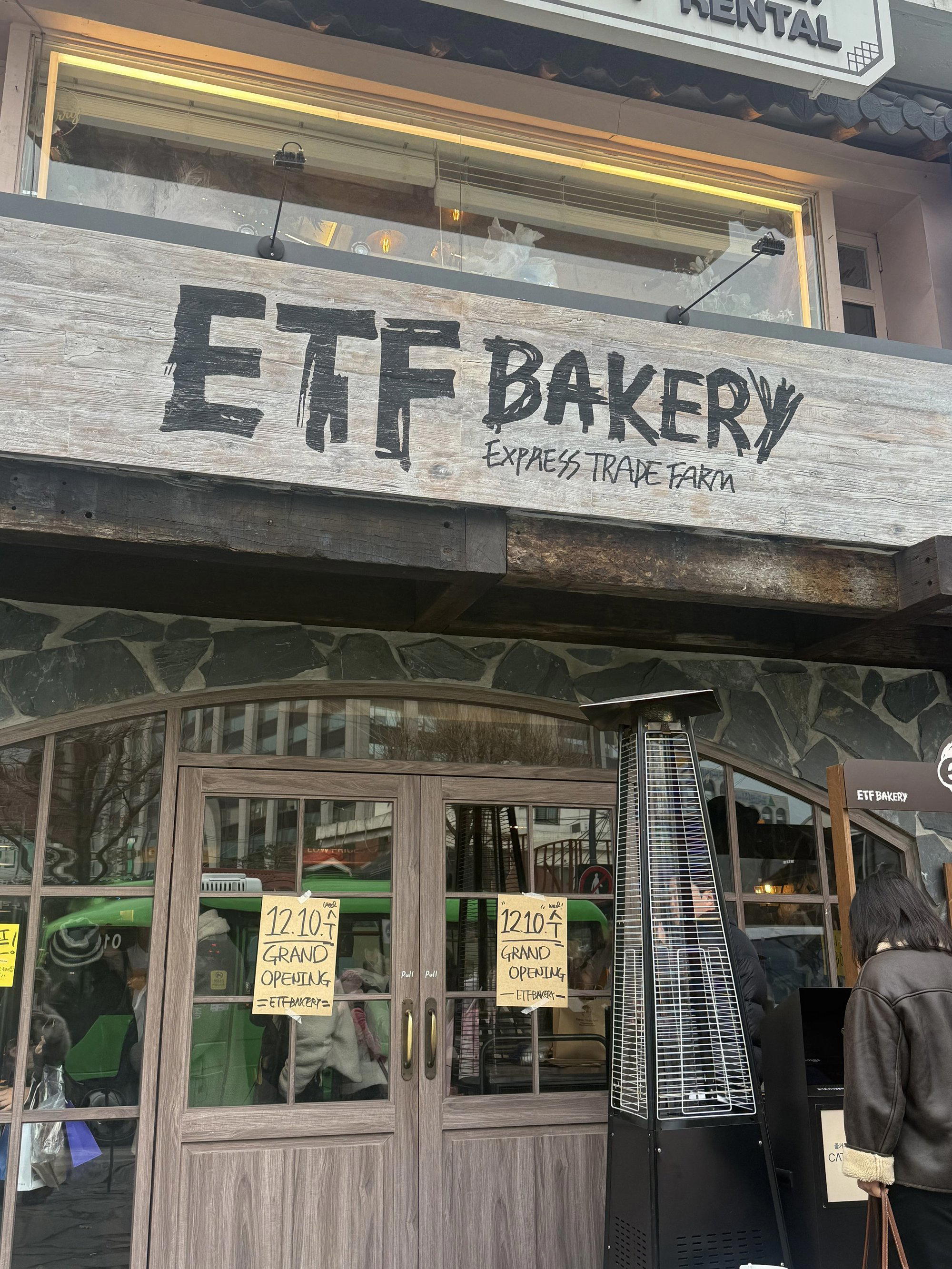
Where Korean Baking Culture Lands in Box Hill
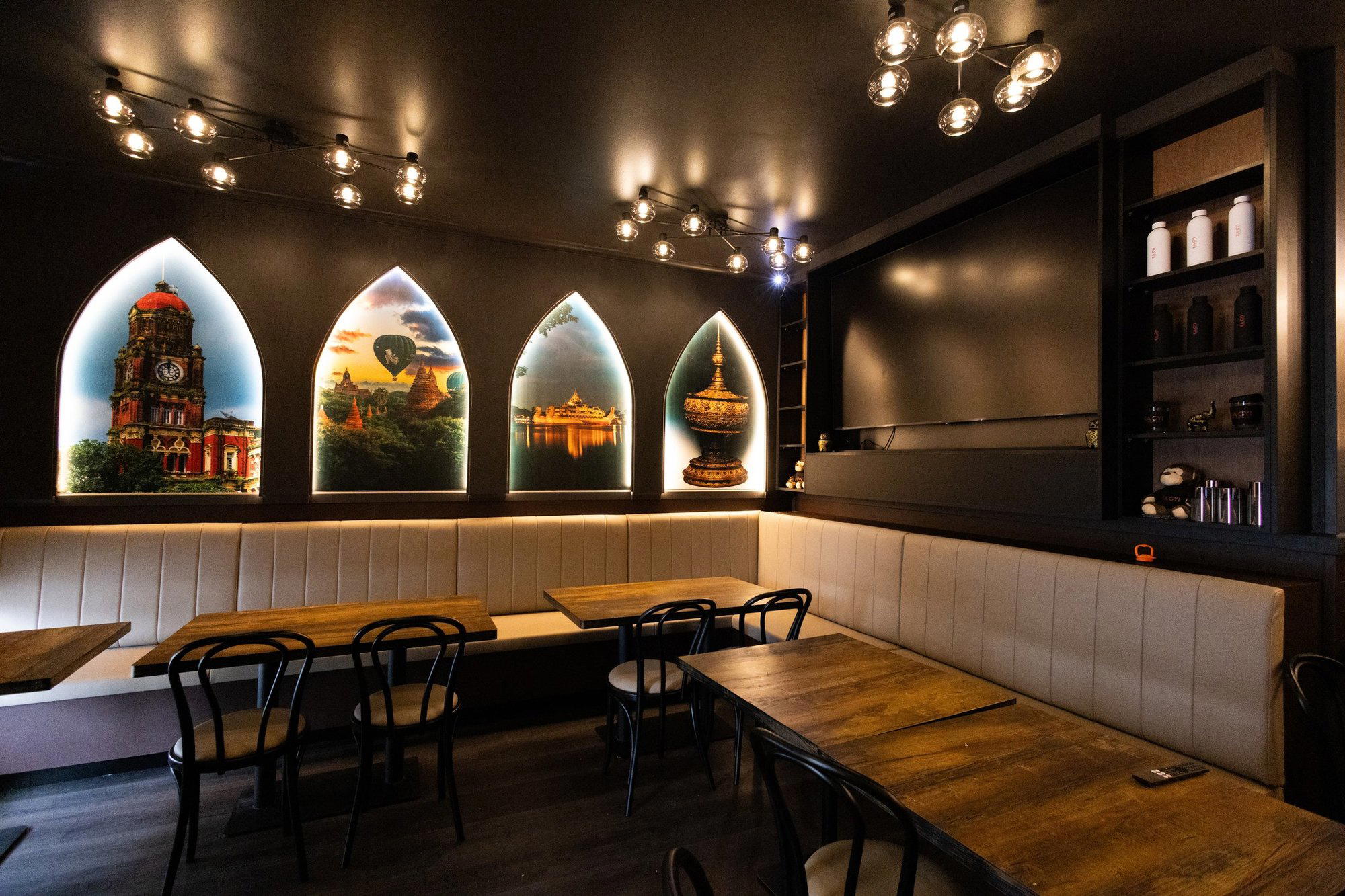
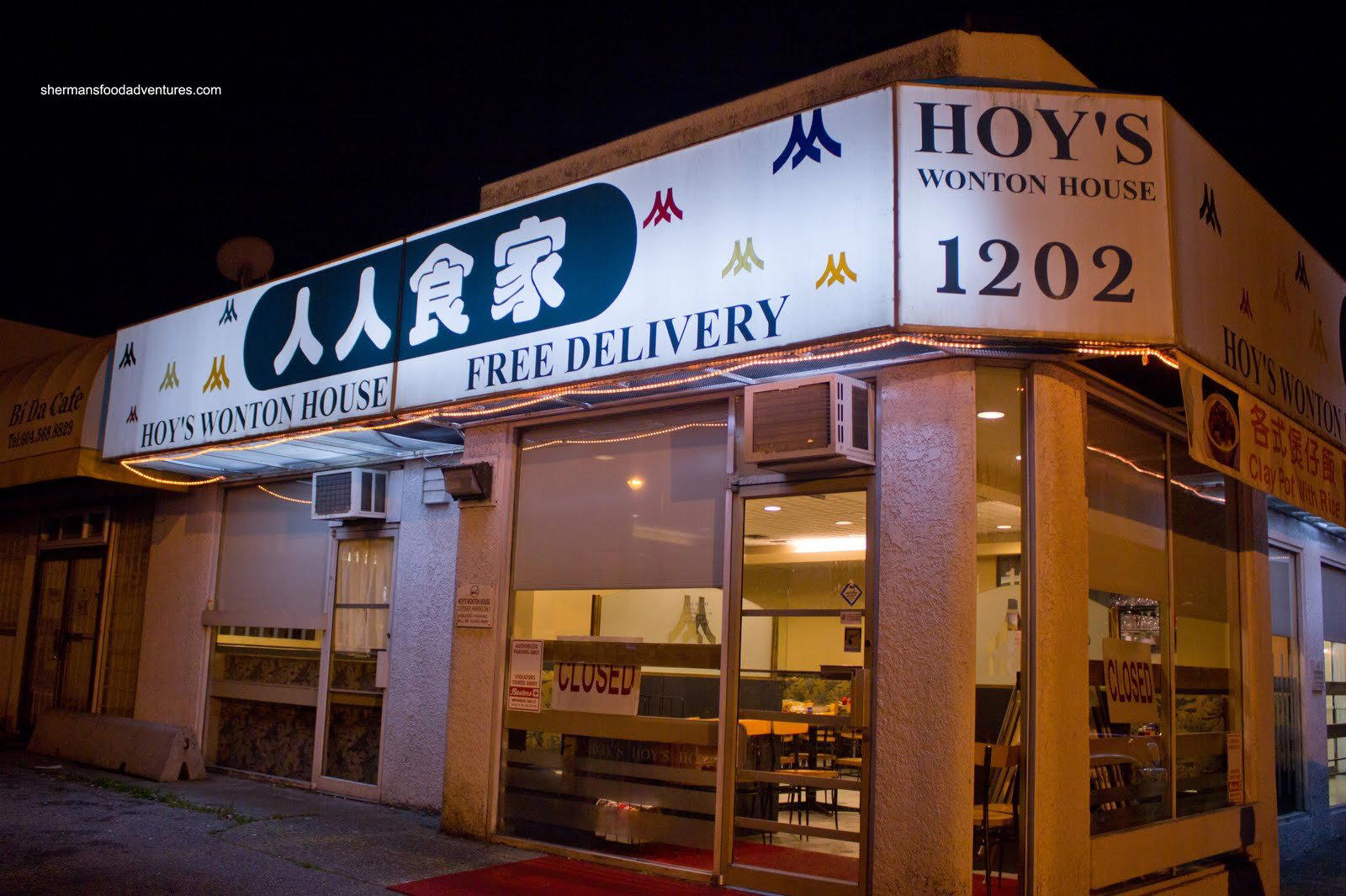
Box Hill's main commercial strip does not ease you in gradually. Step off the tram and you are immediately inside one of Melbourne's most concentrated pockets of East Asian food culture: roast duck hanging in Cantonese windows, steaming congee counters, Burmese curry houses, and, woven between them, a growing number of Korean cafes operating in a format that has become increasingly visible across Australian cities over the past decade. Seoul Bakery is part of that pattern, bringing salt bread, bingsu, and Korean sweets to a suburb that already handles serious culinary volume from operations like Wonton House, where Hong Kong-style wonton noodles and congee define the Cantonese end of the precinct, and Ka Gyi, which holds down Burmese fusion on the same stretch.
The Korean bakery format itself deserves some context, because it is not simply a coffee shop that happens to sell bread. It sits at the intersection of two distinct Korean food traditions: the modern beopang and artisan bread culture that spread rapidly through Seoul's Yeonnam-dong and Mangwon neighbourhoods in the late 2010s, and the older Korean confectionery tradition that produced rice cakes, red bean pastes, and grain-based sweets long before Western-style baking arrived. What Australian cities are now seeing is the exported version of that synthesis, shaped partly by diaspora tastes and partly by the broader global appetite for Korean food formats that has gathered pace since Korean cuisine entered international consciousness through fine dining channels like Atomix in New York City, where Korean technique operates at the highest tier of contemporary dining.
Salt Bread, Bingsu, and the Logic of the Menu
Salt bread, sogeum ppang in Korean, has become the single most recognisable product of the Korean artisan bakery wave. Its appeal is textural: a pull-apart softness inside, a lightly salted, slightly crisp shell, made with enriched dough that sits between a brioche and a milk bread in density. It is not complicated food, which is precisely why it has travelled so well. The format requires consistent lamination and timing rather than elaborate flavour layering, making it replicable without heavy localisation.
Bingsu, shaved ice desserts, often served with sweetened red bean, condensed milk, fruit, or rice cake, occupies the other end of Seoul Bakery's offer. In Seoul, dedicated bingsu shops operate as a summer institution, with queues that stretch well into the street during August. In Box Hill, the format finds a receptive audience in part because the suburb's East Asian dining community is already familiar with shaved ice traditions from Chinese, Taiwanese, and Japanese variants, but Korean bingsu has enough distinguishing character, particularly in its use of injeolmi (roasted soybean flour-dusted rice cake) and red bean toppings, to hold its own identity within that broader category.
Korean sweets round out the offer. This is the category most directly connected to Korea's fermentation tradition, even if that connection is not always visible in the finished product. Many traditional Korean confections use meju-based ingredients, fermented grain syrups like jocheong (rice malt syrup), or aged doenjang-adjacent pastes in their base preparation. The pantry behind Korean pastry is, in other words, partly a living pantry: one shaped by time and microbial activity rather than purely by heat and sugar. That tradition sits a considerable distance from the more visible fermentation markers of kimchi or gochujang, but it is connected to the same underlying food culture, where preservation and transformation through fermentation have historically been as important as cooking itself.
Box Hill as a Dining Precinct: What the Context Means
Understanding why a Korean bakery thrives in Box Hill requires acknowledging what the suburb actually is in Melbourne's dining geography. Box Hill is not a neighbourhood that attracts visitors primarily for atmosphere or design. It attracts them for density and authenticity: a concentration of East Asian food culture that has few equivalents in the city. The comparison set is not South Yarra's wine-list-forward dining rooms, not the tasting menu tier occupied by venues like Attica or Brae in Birregurra, and not the Australian seafood or produce-led tradition that runs through venues from Rockpool in Sydney to the coastal tables further out. Box Hill's register is different: community-driven, format-specific, value-oriented, and shaped by diaspora food culture rather than restaurant industry trends.
Within that register, a Korean bakery cafe operates in a format that Melbourne has seen expand steadily across the inner suburbs and now further east. Operations like Barry Cafe in Northcote demonstrate how Melbourne's cafe culture absorbs and contextualises international formats, while suburban precincts like Box Hill allow those formats to exist in a more culturally continuous setting, surrounded by the communities that originally generated them. The dynamic is different from the inner-city transplant model, and for Korean food specifically, that difference matters: dishes like bingsu and injeolmi-topped sweets land differently when the surrounding precinct already has a Korean grocery, a Korean supermarket, and a Korean restaurant three doors down.
For a broader map of what Box Hill currently offers across cuisines and formats, our full Box Hill restaurants guide covers the precinct in detail, from Cantonese roast houses to Burmese kitchens and the growing Korean cafe presence.
Planning a Visit
Box Hill is direct to reach from central Melbourne via the Belgrave or Lilydale train lines, with Box Hill station placing visitors within easy walking distance of the main commercial strip. The suburb rewards visits that combine multiple stops: a Korean bakery visit pairs naturally with the broader eating circuit that includes roast duck, noodle soups, and Burmese curries across the same block. Korean bakery cafes in this format tend to draw peak traffic on weekend mornings and early afternoons, when bingsu and salt bread both move quickly, so earlier visits generally mean better product availability. Given the suburb's walkability and the density of options, Box Hill suits an unhurried exploration rather than a single-destination trip. Those coming specifically for Korean food may also want to cross-reference the Korean cafe and restaurant options in Melbourne's inner east, where the category has deepened considerably since 2020.
Category Peers
Comparable venues nearby, for context on price, style, and recognition.
| Venue | Cuisine | Price | Awards | Notes |
|---|---|---|---|---|
| Seoul BakeryThis venue — the venue you are viewing | Korean Bakery | $$ | , | |
| Ka Gyi | Burmese Fusion | $$ | , | Box Hill North |
| Wonton House | Traditional Chinese Noodle House | $$ | , | Box Hill |
| Kong BBQ | Korean-Japanese BBQ Fusion | $$ | , | Richmond |
| Mandoo | Korean Dumplings | $$ | , | Adelaide City Centre |
| Sang by Mabasa | Modern Korean | $$ | , | Surry Hills |
At a Glance
- Cozy
- Casual Hangout
Cozy bakery atmosphere focused on baked treats.