Witloof
Our verdict
On Sint Bernardusstraat in Maastricht's medieval core, Witloof occupies a neighbourhood that rewards those who prefer depth over spectacle. The address places it among a small cluster of serious dining options in a city that punches above its weight for Dutch fine dining. Compared to the €€€€ creative formats nearby, Witloof offers a distinct register worth understanding before you book.

Pearl is the En Primeur Club membership app, where members save venues, book tables and use the concierge.
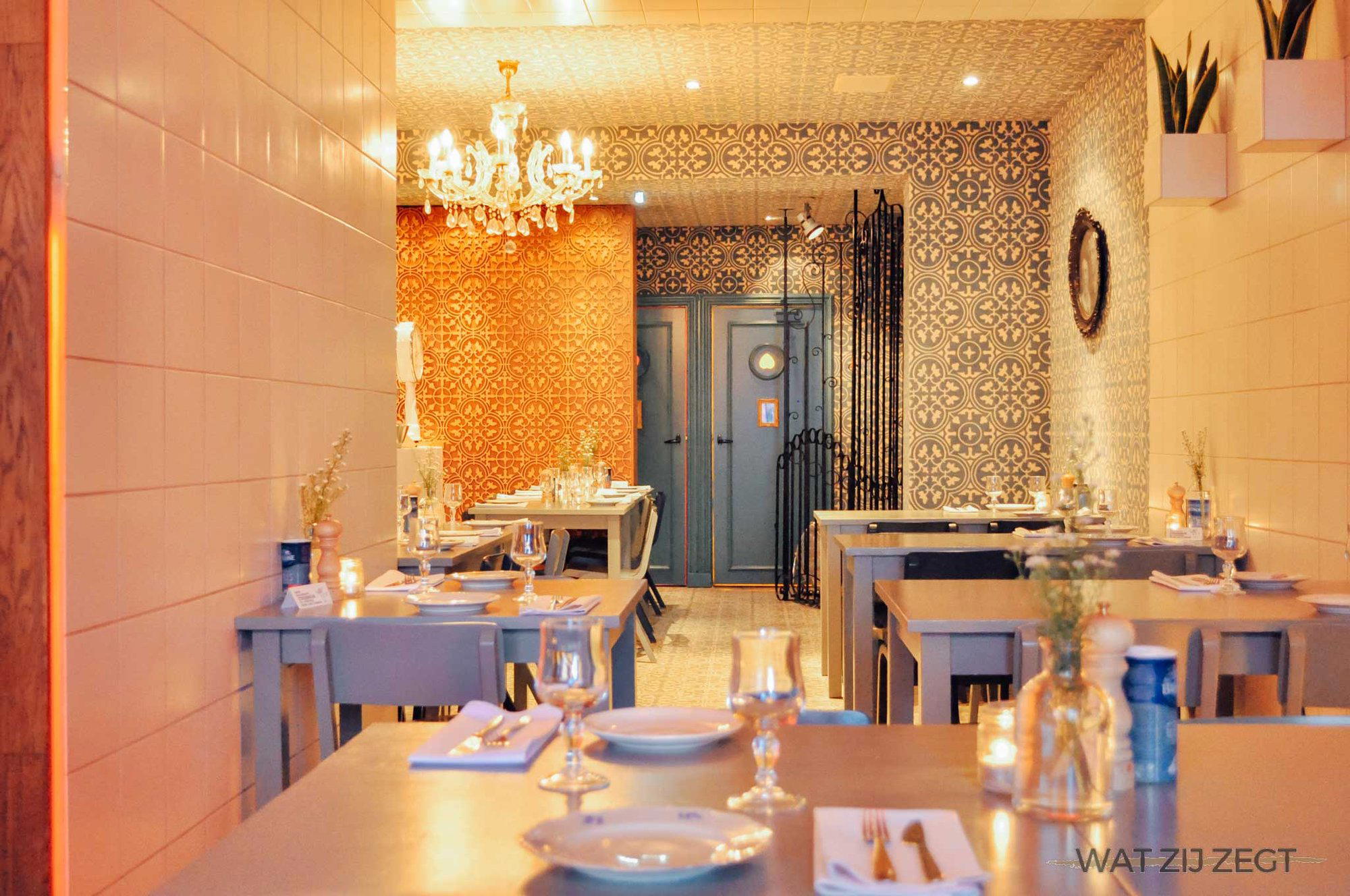
A Street That Tells You Where You Are
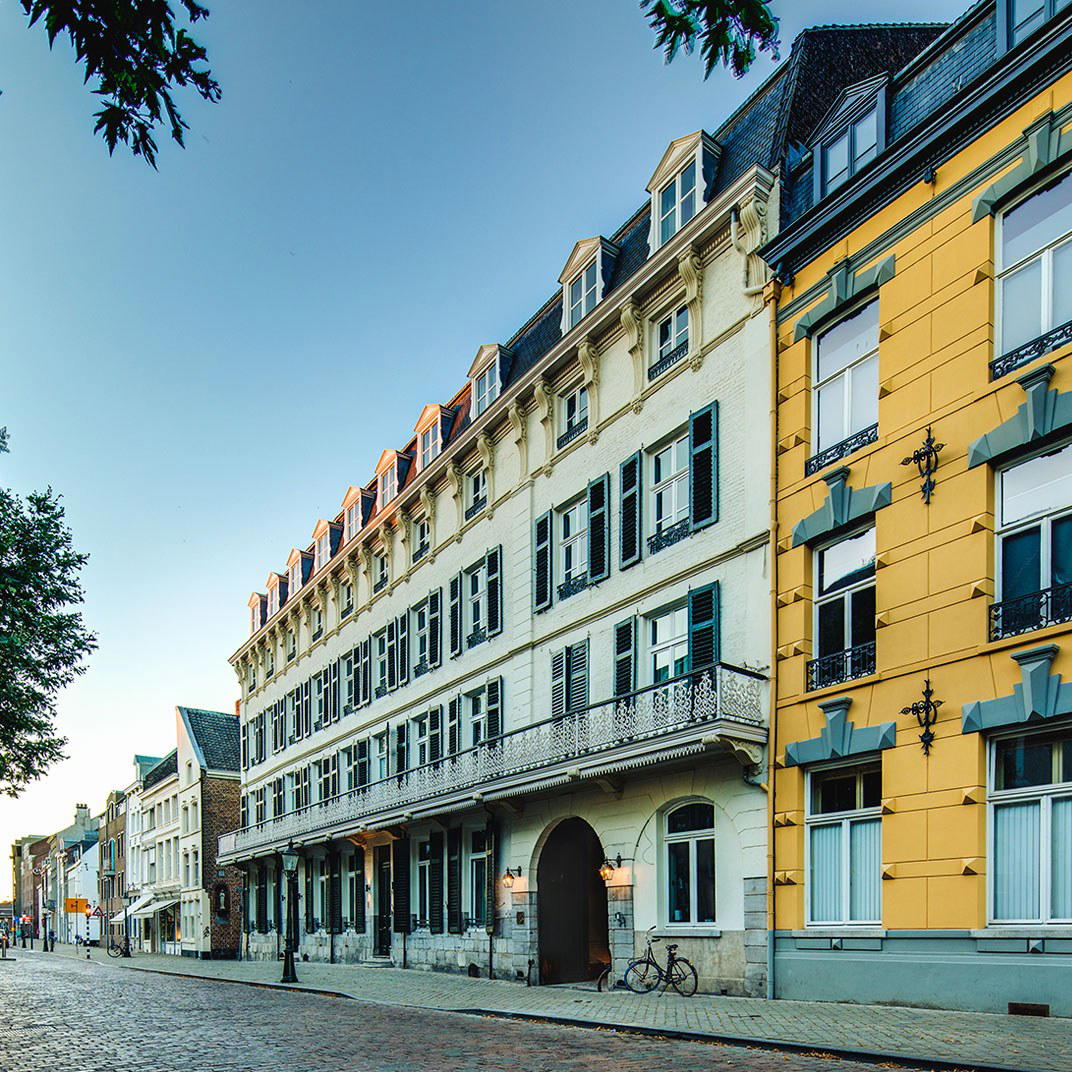
Sint Bernardusstraat sits in the older residential and commercial fabric of Maastricht's city centre, a short distance from the Vrijthof square but removed enough from the tourist circuit to attract a predominantly local crowd. This is not a dining strip designed for foot traffic. The streets here narrow, the buildings carry centuries of civic history, and the restaurants that survive in this part of the city tend to do so because the neighbourhood selects for repeat visitors rather than one-time browsers. Witloof, at number 12, fits that pattern.
Maastricht holds a specific position in the Dutch dining hierarchy. It sits closer to the Belgian border than to Amsterdam, and that geography shows up on the plate across the city's better restaurants. Walloon and Flemish culinary traditions have long pressed into South Limburg cooking, producing a local register that is richer, more produce-anchored, and more comfortable with classical technique than what you typically find in the Randstad. The €€€€-tier restaurants that define the city's upper bracket, including Beluga Loves You with its creative format and Au Coin des Bons Enfants on the Modern French end, reflect this cross-border influence in different ways. Witloof operates within the same city context, on a street where the built environment reinforces the sense that eating here is a considered act rather than an impulse decision.
The Name as a Clue
Witloof is the Dutch and Flemish word for chicory, the forced endive that is one of Belgium's most distinctive agricultural products. The crop is grown in darkness to produce its characteristic pale, slightly bitter heads, and it appears across the Low Countries in preparations ranging from raw salads to braised gratin dishes. As a name choice, it signals something about where the kitchen is looking for reference points: towards the Belgian side of South Limburg's culinary inheritance, towards produce with a definite character, towards a tradition that values technique applied to specific local ingredients rather than the kind of global ingredient scatter that defines some of the more internationally oriented rooms in Maastricht.
This matters because Maastricht's dining scene, for all its quality, is a small one. The city has a population of roughly 120,000, and its restaurant concentration is dense relative to that size, partly because it attracts day visitors from Belgium and Germany and partly because Maastricht University brings a significant international community. The result is that individual restaurants occupy defined niches more clearly than they might in a larger market. Studio and its Asian-influenced format occupies one position; Tout à Fait another on the Modern French axis. A kitchen operating under the Witloof name is staking a position in the local and regional tradition, which is a different competitive bet.
Maastricht in the Dutch Fine Dining Context
To understand what dining in Maastricht means, it helps to place the city against the broader Dutch scene. The Netherlands' most recognised restaurants are clustered in the west and centre: Ciel Bleu in Amsterdam and De Librije in Zwolle represent the kind of sustained recognition that tends to attract international visitors specifically for the meal. Further out, places like Aan de Poel in Amstelveen, De Bokkedoorns in Overveen, and De Lindehof in Nuenen serve regional audiences with serious kitchens. South Limburg adds its own cluster: Brut172 in Reijmerstok is a reference point for the region's capacity to produce serious food in genuinely rural settings.
Maastricht itself functions differently from these peers. It is a walkable city where multiple strong restaurants sit within fifteen minutes of each other on foot, making it more practical to plan a trip around several meals than most Dutch destinations. A visitor staying in the city centre can reasonably book at Bar Beurre for a lighter €€ French format one evening and move to a more ambitious room the next without needing a car. Witloof on Sint Bernardusstraat is part of that walkable cluster. For visitors building an itinerary, this concentration is one of Maastricht's structural advantages over destinations where comparable quality is spread across a wider geography.
For context from outside the Netherlands entirely, the kind of produce-rooted regional European cooking that Witloof's name gestures toward has international comparators: Le Bernardin in New York represents what sustained focus on a single tradition can produce over decades, while Atomix shows how a kitchen can occupy a specific cultural niche in a city full of options. The dynamic is different in scale but the underlying logic, of defining your position clearly and holding it, applies across markets.
Planning a Visit
Sint Bernardusstraat 12 is accessible on foot from the main train station in under fifteen minutes, or by taxi in a few minutes. Maastricht Aachen Airport serves limited European routes; most visitors arrive by train from Amsterdam Centraal in roughly two and a half hours, or from Brussels-Midi in just over an hour, making this one of the few Dutch cities that is genuinely convenient from two different European capitals. For anyone building a South Limburg itinerary, the address is central enough to anchor an evening without a car. Specific booking requirements, in, so we recommend checking directly or consulting our full Maastricht restaurants guide for the most current practical details alongside comparable rooms in the same part of the city.
Frequently asked questions
Can I bring kids to Witloof?
Witloof's address on Sint Bernardusstraat 12 places it in a quieter residential and commercial stretch of Maastricht's centre, away from the busiest tourist crowds around Vrijthof. That setting tends to suit a relaxed, neighbourhood-style meal rather than a high-energy family environment.
What's the overall feel of Witloof?
The name itself points to the restaurant's identity: witloof is the Dutch and Flemish word for chicory, signalling a connection to Belgian-Dutch agricultural tradition rather than international fusion trends. Sint Bernardusstraat sits in the older fabric of Maastricht's centre, which gives the address a neighbourhood character distinct from the more tourist-facing streets near Vrijthof. The overall feel reads as rooted and specific rather than occasion-neutral.
Why is Witloof named after chicory, and what does that say about the restaurant's cooking approach in Maastricht?
Witloof is the Dutch and Flemish word for chicory, a crop with deep roots in Belgian and Limburg agricultural practice, and choosing it as a restaurant name in Maastricht signals a deliberate positioning within that cross-border culinary tradition. Maastricht sits at the junction of Dutch, Belgian, and German food cultures, making it one of the few Dutch cities where that Flemish ingredient heritage carries genuine local meaning. The name functions as a statement of provenance rather than a branding exercise.
What do people recommend at Witloof?
The venue's name references chicory, a forced endive deeply associated with Belgian culinary identity and grown in the broader Limburg and Flemish agricultural belt, so dishes built around that ingredient are likely central to the offer.
How do I find Witloof?
Witloof is located at Sint Bernardusstraat 12, 6211 HL Maastricht, Netherlands, Maastricht.
Is Witloof reservation-only?
Given the address in a quieter residential stretch of the city centre, walk-in availability may exist, but for certainty it is worth contacting the venue directly before visiting, particularly on weekends when Maastricht draws visitors from across the Dutch-Belgian border region.
At a Glance
Comparable venues nearby, for context on price, style, and recognition.
| Venue | Cuisine | Price | Notes |
|---|---|---|---|
| WitloofThis venue (the venue you are viewing) | Traditional Belgian | $30–50 | Not listed |
| Wall-Stock | Burgers & Beer Gastropub | $30–50 | Stokstraatkwartier, Burgers & Beer Gastropub |
| Le Fernand | French Bistro | $30–50 | Jeker Quarter, French Bistro |
| Mes Amis | French Fine Dining with Limburg Wine Pairings | $50–100 | Jeker Quarter, French Fine Dining with Limburg Wine Pairings |
| Brandsøn | Modern Seafood & International Fine Dining | $50–100 | Stokstraat Quarter, Modern Seafood & International Fine Dining |
| Petit Bonheur | Classic French Bistro | $50–100 | Jekerkwartier, Classic French Bistro |
Continue exploring
More in Maastricht
Restaurants in Maastricht
All restaurants in Maastricht →
Bars in Maastricht
Browse all →
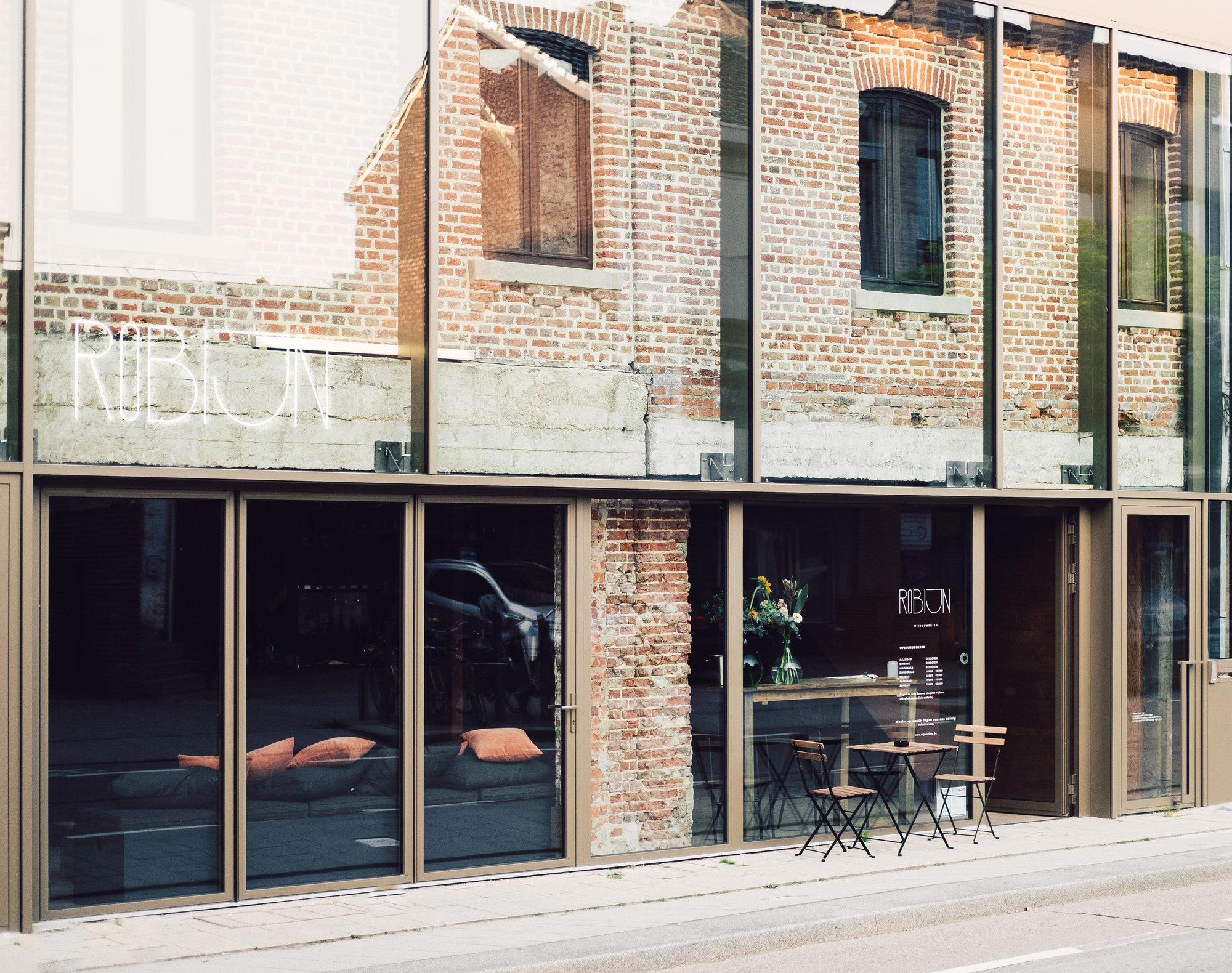
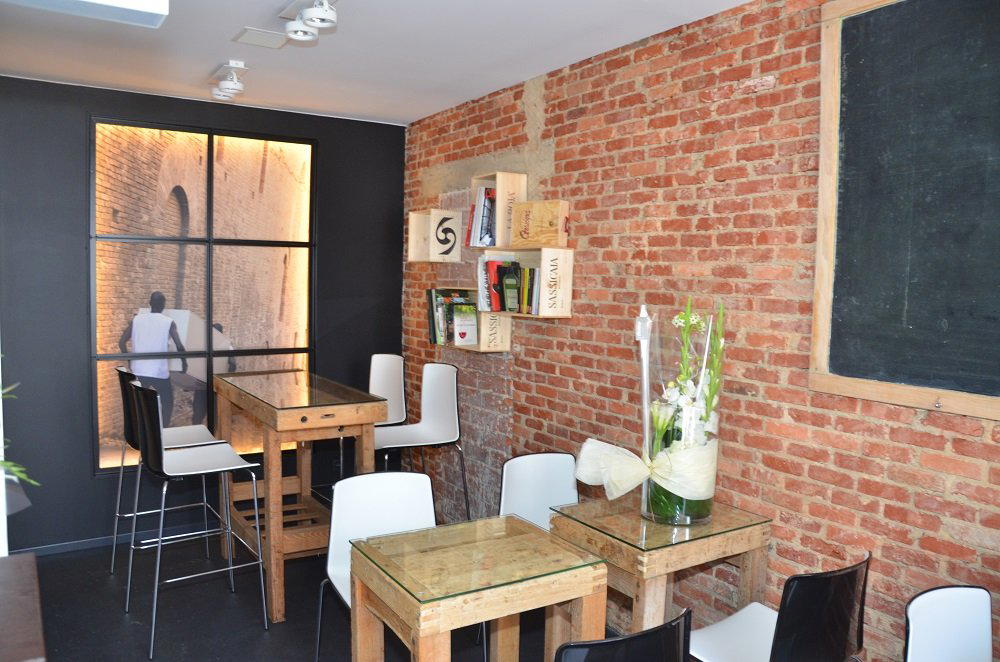
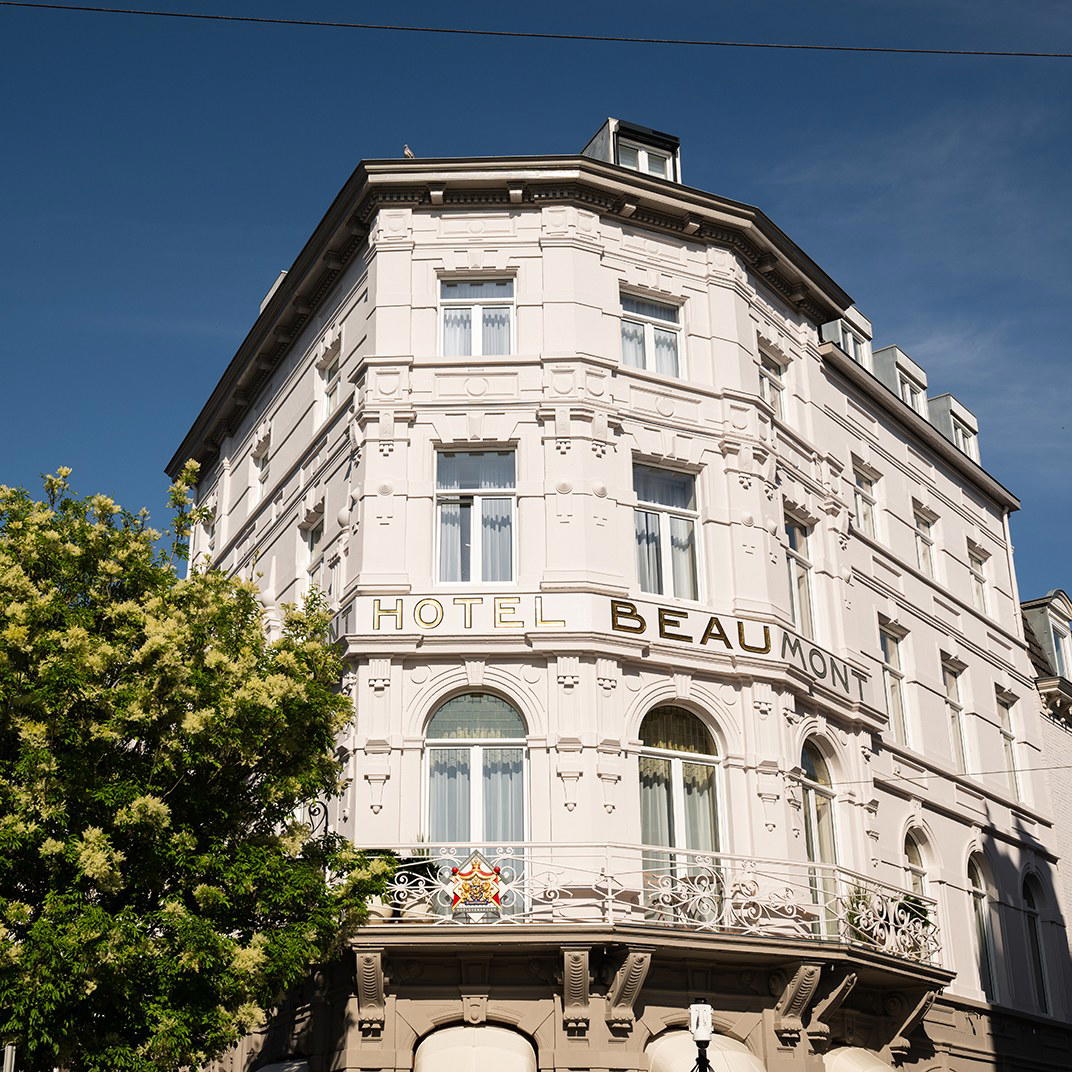
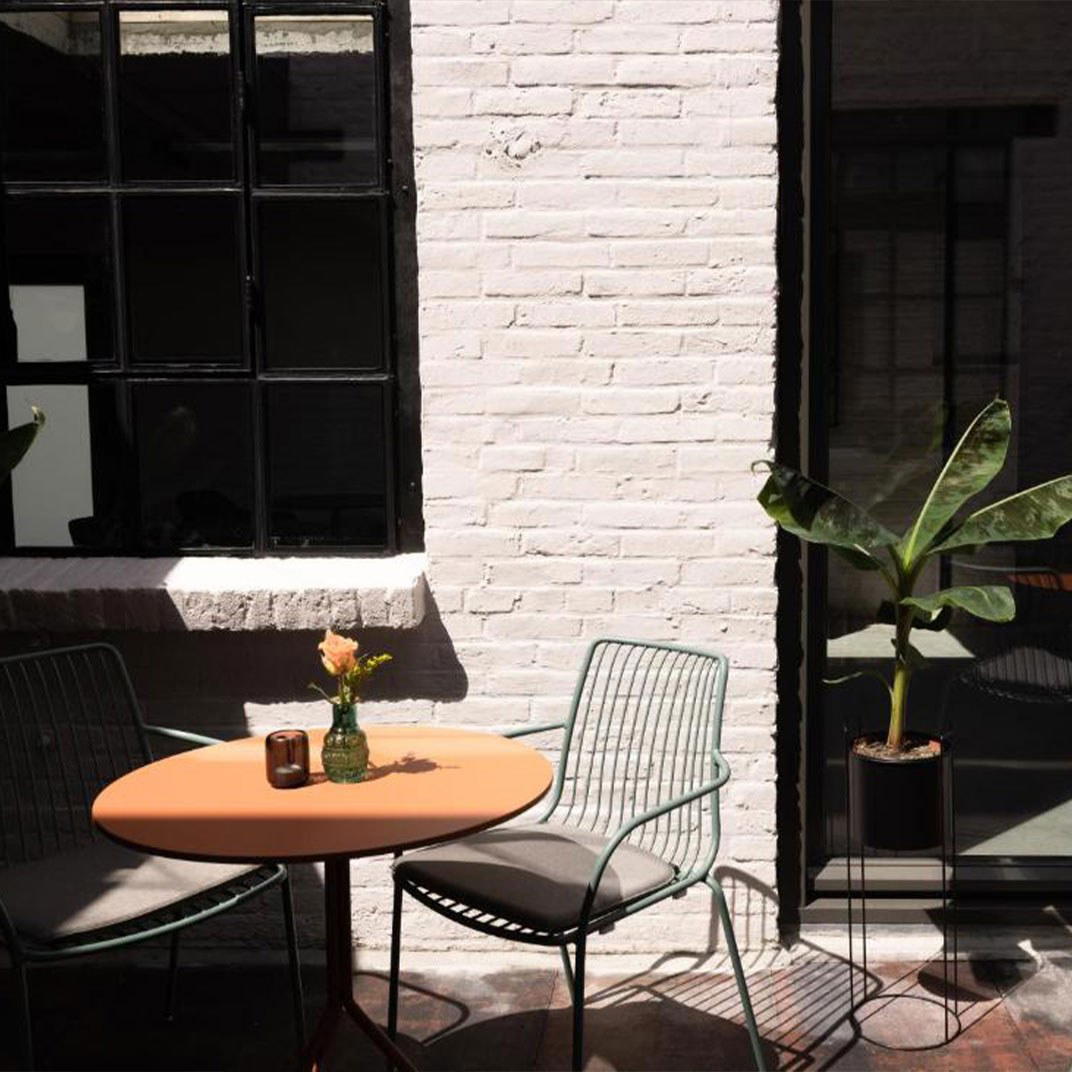

Details
- Cozy
- Intimate
- Date Night
- Casual Hangout
- Open Kitchen
- Beer Program
- A La Carte
- Belgian Beer
- Vegetarian Friendly
- Vegan Options
- Gluten Free Options
Current opening hours
- Monday
- Closed
- Tuesday
- Closed
- Wednesday
- 5–10:30 PM
- Thursday
- 5–10:30 PM
- Friday
- 5–10:30 PM
- Saturday
- 5–10:30 PM
- Sunday
- 5–10:30 PM
Hours can change for holidays and private events. Hours as of .
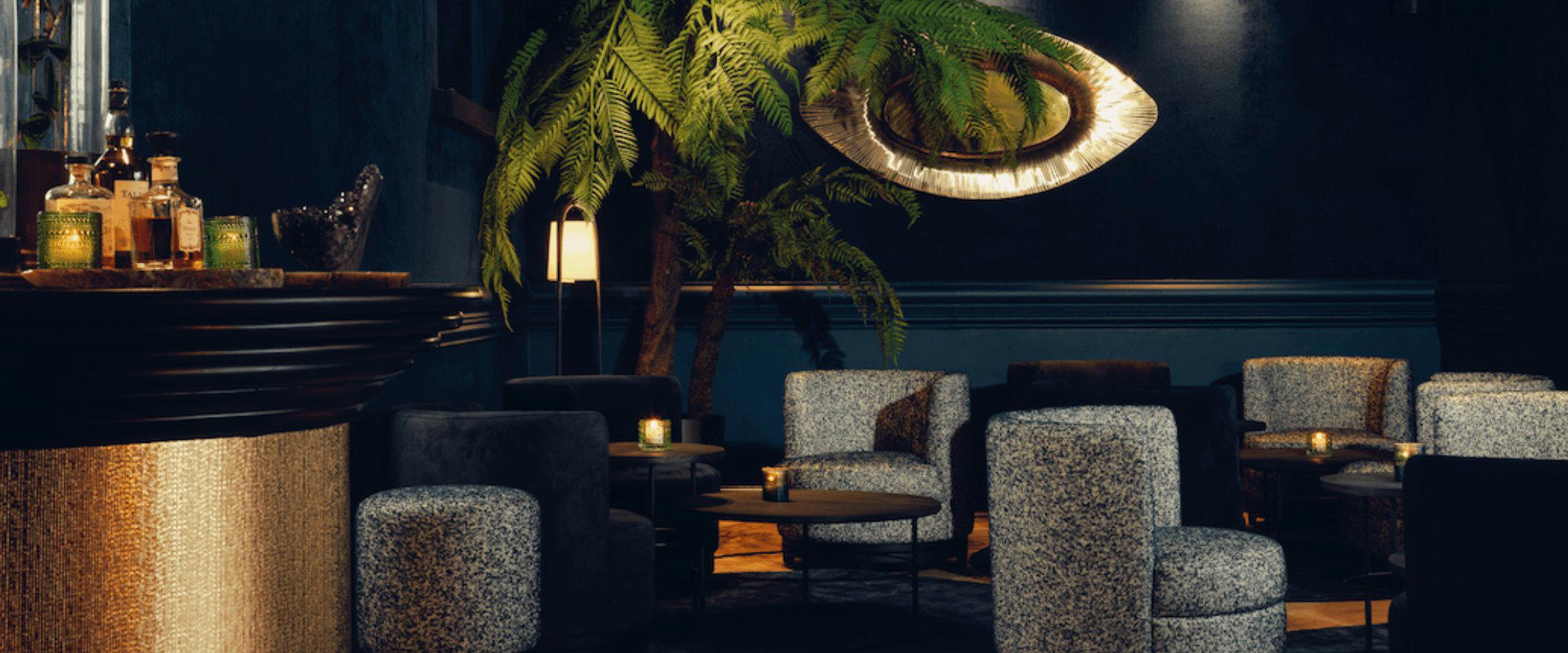
Cozy and warm with positive energy, quirky Flemish-inspired decor including Rubens prints in the basement.