Wirt z'Bierbaum sits in the Upper Austrian village of Bierbaum, a hamlet outside Gampern where the rhythms of rural Salzkammergut life remain the organizing principle of the kitchen. This is the kind of address that rewards visitors who understand Austrian regional cooking on its own terms: ingredient-driven, season-bound, and rooted in the agricultural landscape that surrounds it. Book ahead; places like this do not broadcast themselves loudly.
Pearl is the En Primeur Club membership app — saves, bookings, and concierge access live there. Same editors, same standards.
- Address
- Bierbaum 1, 4851 Bierbaum, Austria
- Phone
- +434376828031
- Website
- gasthof-muhr.at
- Directions
- Get directions
 Saves & bookings on Pearl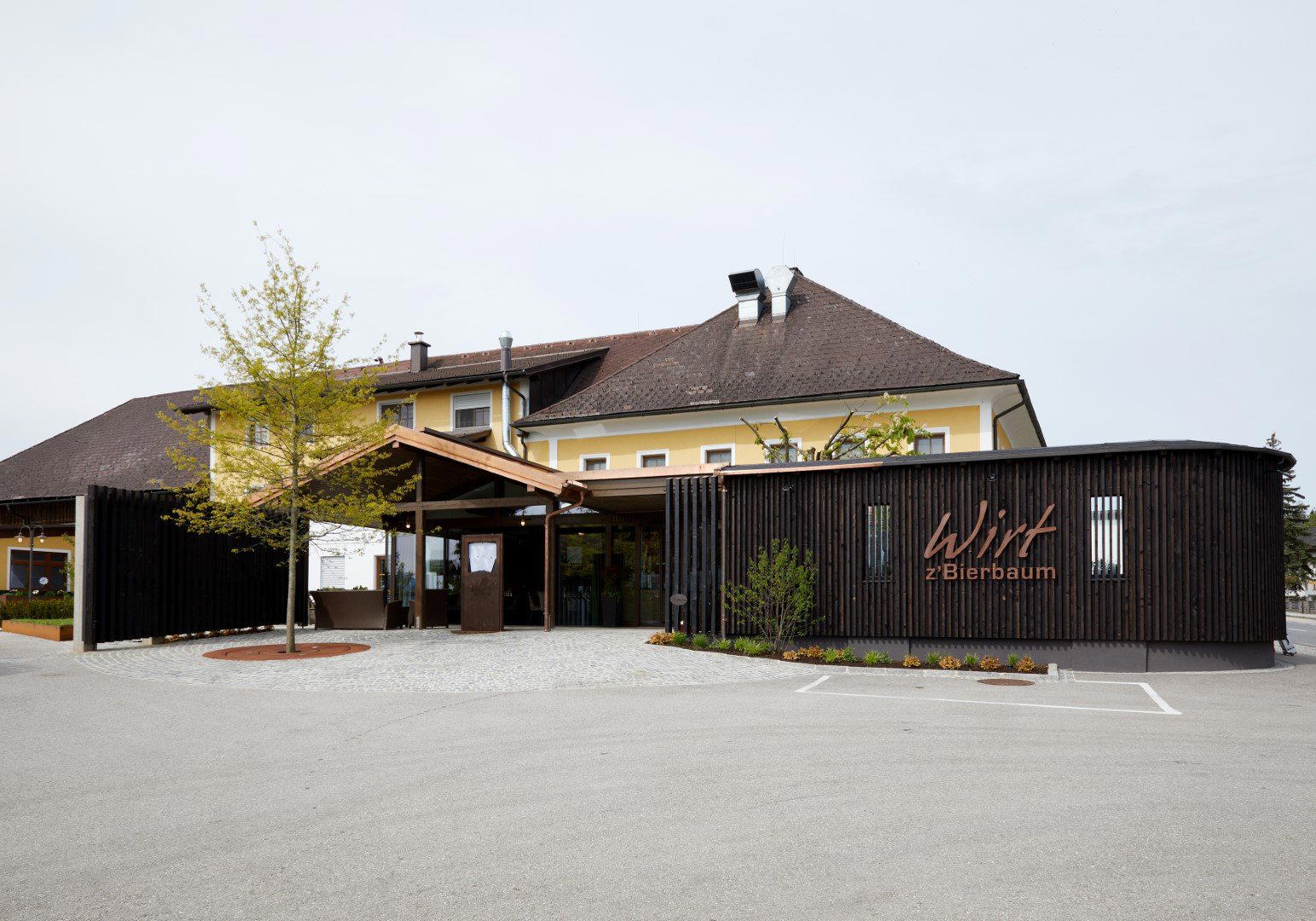
Where the Salzkammergut Kitchen Begins: At the Source
Upper Austria's Salzkammergut region has long supported a style of cooking that urban Austrian fine dining has periodically borrowed from and then dressed up for export. The logic runs in reverse at addresses like Wirt z'Bierbaum in Bierbaum, a hamlet attached to the municipality of Gampern roughly between Vöcklabruck and Attersee. Here, proximity to the source is not a marketing concept, it is a structural fact. The fields, forests, and lake systems of the Salzkammergut produce ingredients that travel short distances to reach the kitchen, and that compression of supply chain is what defines the cooking tradition this address belongs to.
Rural Gasthäuser of this type occupy a distinct tier in Austrian dining. They are neither the destination fine-dining operations of the Alpine resort towns, think Griggeler Stuba in Lech or Stüva in Ischgl, nor the stripped-down urban bistro format gaining ground in Graz and Vienna. They operate in a register closer to what the French call cuisine du terroir: food that expresses place through the specificity of its raw materials rather than through technique as spectacle. That mode of cooking is harder to find than it sounds, because it requires genuine agricultural infrastructure around the restaurant, not just a commitment stated on a menu.
The Ingredient Logic of Upper Austria
The Salzkammergut's culinary geography gives kitchens in this corridor real options. The region's lake systems, Attersee, Mondsee, Traunsee, supply freshwater fish including pike-perch, trout, and char that have defined Upper Austrian cooking for centuries. The surrounding uplands produce game in season, alongside wild herbs and mushrooms that shift the kitchen's vocabulary from month to month. The dairy tradition here is substantive: Upper Austria's cattle-farming density means cream, butter, and aged cheeses are produced close enough to the restaurant that the supply relationship can be direct rather than brokered through a distributor.
This matters because ingredient provenance functions differently at regional Gasthäuser than at celebrated destination restaurants. At a place like Döllerer in Golling an der Salzach, the Alpine ingredient story is part of a consciously articulated creative programme, placed inside a context of international culinary references. The cooking at rural addresses in the Salzkammergut is less curated in that sense, and more honest for it. The seasonal ingredient is the menu driver, not the other way around.
The broader Austrian trend reinforces this reading. Across the country, kitchens working in the regional Gasthof tradition, from Landhaus Bacher in Mautern an der Donau to Taubenkobel in Schützen am Gebirge, have been reasserting the primacy of Austrian raw materials rather than framing them as supporting characters in a pan-European narrative. Wirt z'Bierbaum belongs to that current, operating in a corner of Upper Austria where the ingredient supply is genuinely local rather than aspirationally so.
The Scene at Bierbaum
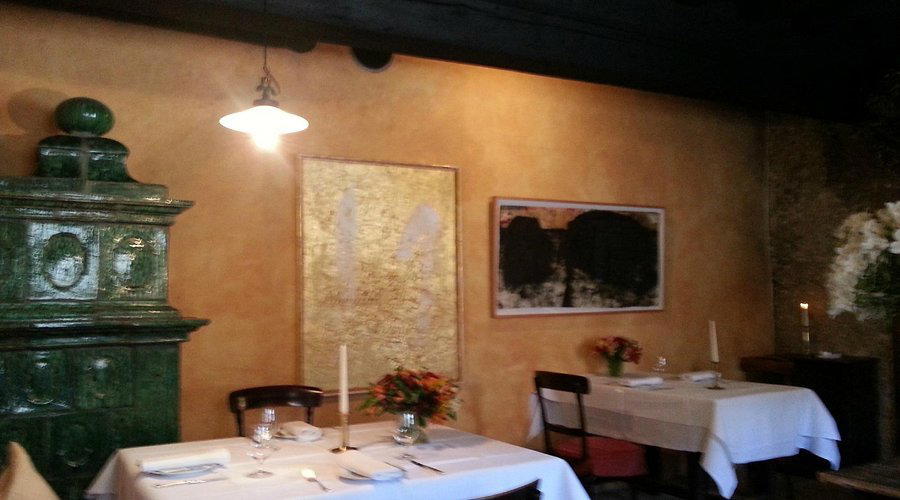
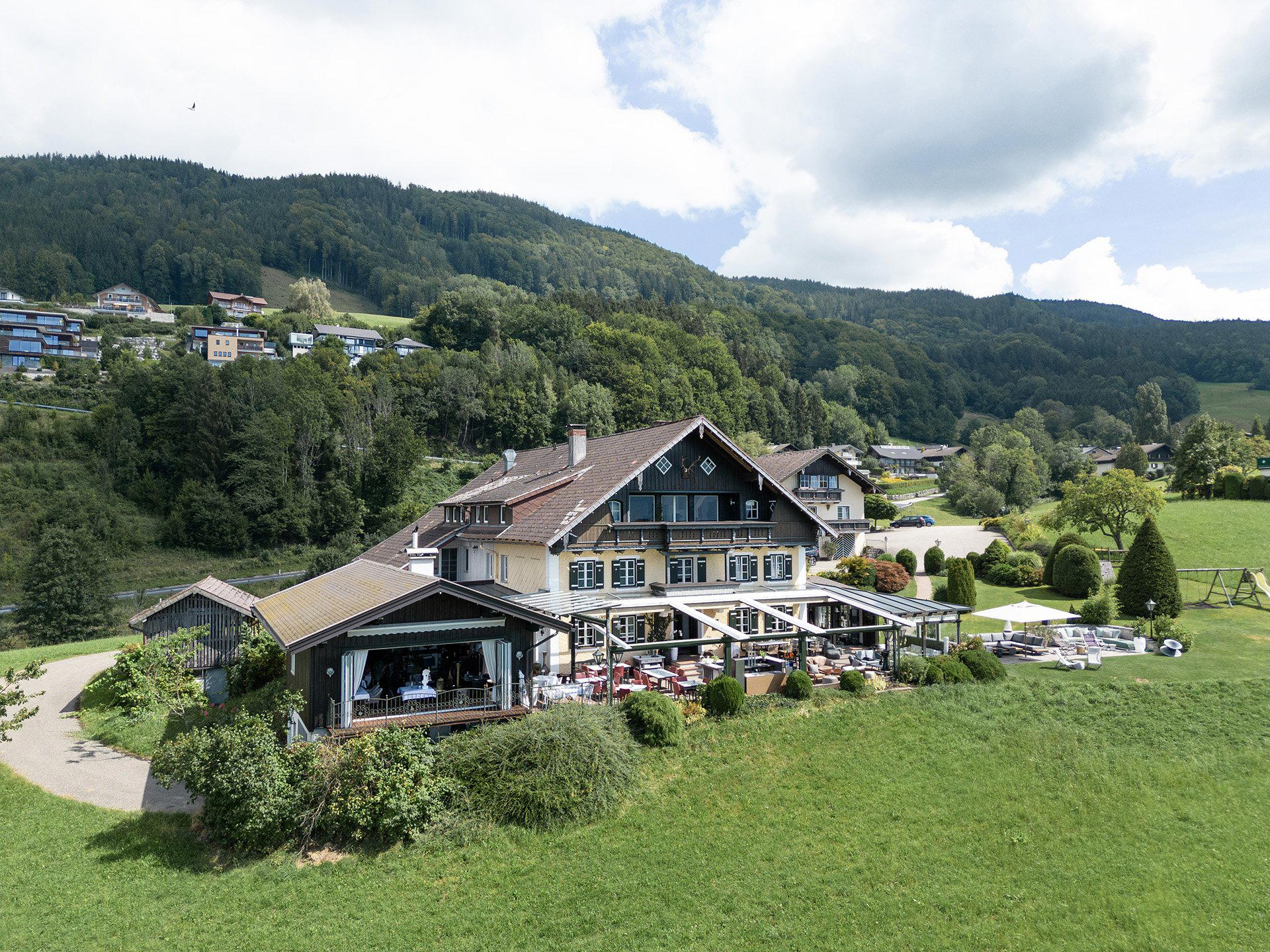
Arriving at Bierbaum 1, the address reads as agricultural Austria before it reads as a restaurant destination. The hamlet sits outside Gampern's main settlement, which itself is a small market town in the Vöcklabruck district. The approach is rural: the kind of road that passes fields before delivering you to a Gasthof building whose exterior carries the functional plainness of a working inn rather than the dressed-up rusticity of a tourist property.
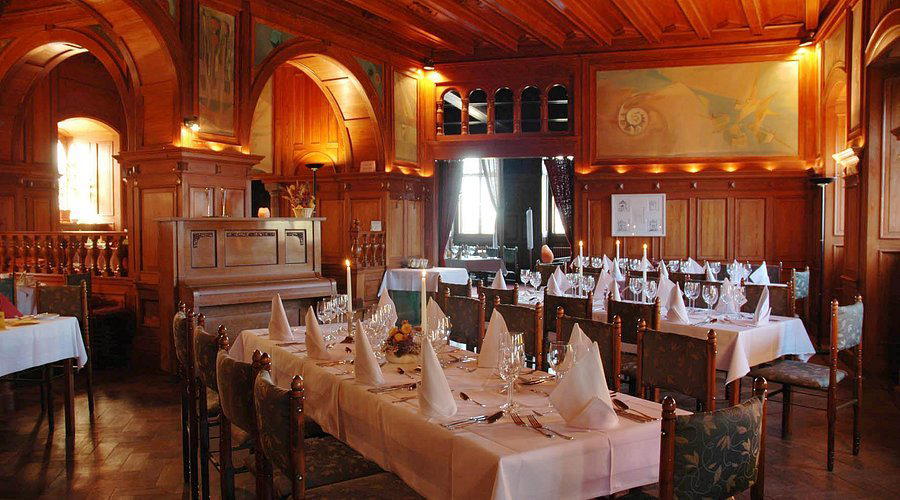
This physical context matters for calibrating expectations. The dining tradition in rural Upper Austrian Gasthäuser favours substance over staging. You are not in the territory of Ikarus in Salzburg, where the guest experience is assembled around international creative programming. The register here is closer to a serious Austrian inn: a room that reflects the agricultural community it was built to serve, now cooking at a level that warrants attention from visitors willing to travel to find it. For context on what that level of cooking looks like at its most refined in the region, Steirereck im Stadtpark in Vienna represents the ceiling of Austrian ingredient-led cooking, a useful reference point for understanding how far the tradition extends.
The seasonal rhythm at a place like this is not decorative. When the Salzkammergut mushroom season peaks in early autumn, that shift appears in the kitchen. When the lake fishing is at its strongest, the fish preparations become the reason to visit. The menu follows the seasons.
Planning Your Visit
Gampern sits approximately 40 kilometres east of Salzburg and around 55 kilometres southwest of Linz, which makes it accessible from both cities by car in under an hour. Public transport reaches Vöcklabruck, the nearest significant rail hub, from which Gampern is a short drive. The address at Bierbaum 1 is outside the main village cluster, so a car is the practical choice for the final stretch.
Addresses in this category in Upper Austria operate on tighter seasonal and weekly schedules than urban restaurants, and Obauer in Werfen, Atelier Fischer in Sankt Gilgen, and Ois in Neufelden offer reference points in the same regional dining culture. Schwarzer Adler in Hall in Tirol, Gourmetrestaurant Tannenhof in Sankt Anton am Arlberg, Restaurant 141 by Joachim Jaud in Mieming, Kräuterreich by Vitus Winkler in Sankt Veit im Pongau, and Artis in Graz.
Le Bernardin in New York City and Atomix in New York City illustrate how sourcing discipline translates into a different cultural register entirely, useful context for understanding how far the same underlying principle can travel.
How It Stacks Up
Comparable venues nearby, for context on price, style, and recognition.
| Venue | Cuisine | Price | Notes |
|---|---|---|---|
| Wirt z'BierbaumThis venue — the venue you are viewing | Traditional Austrian | $$ | Not listed |
| Waldschenke Ramsau | Traditional Austrian | $$ | Ramsau Ort |
| Gasthof Süss | Traditional Austrian Mühlviertel Cuisine | $$ | Oberkappel |
| Thalstube | Traditional Austrian | $$ | Thal |
| da SEPP | Modern Austrian Alpine Cuisine | $$ | Rohrmoos-Untertal |
| In's Haas | Austrian Bistro with International Specialties | $$ | Stadtplatz |


At a Glance
- Rustic
- Cozy
- Classic
- Intimate
- Casual Hangout
- Family
- Group Dining
- Standalone
- Local Sourcing
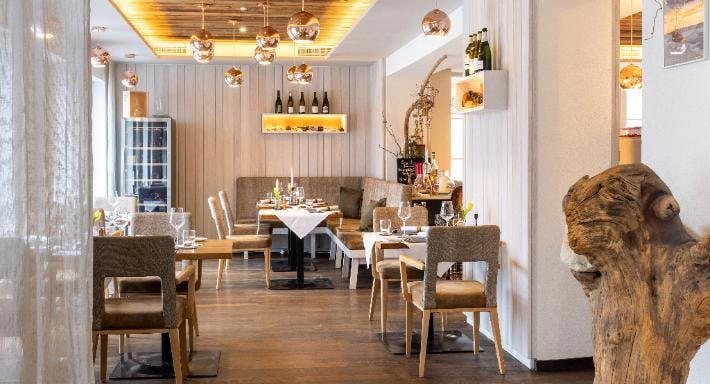
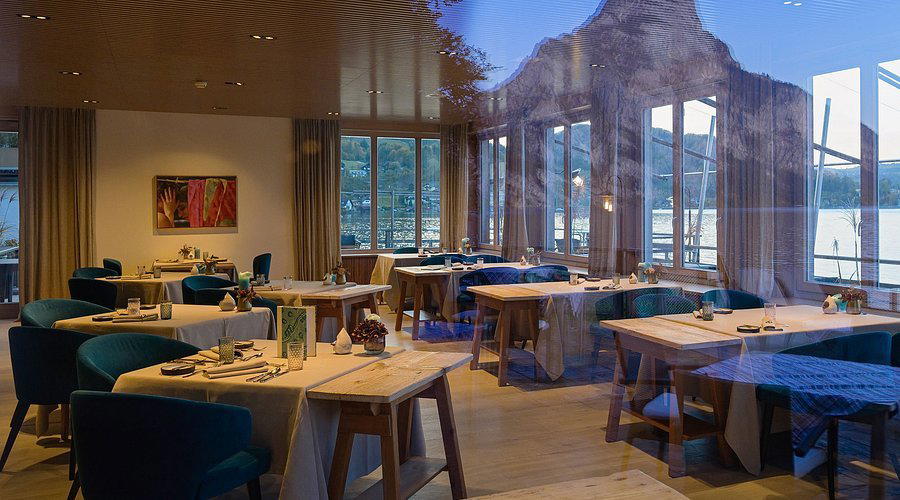
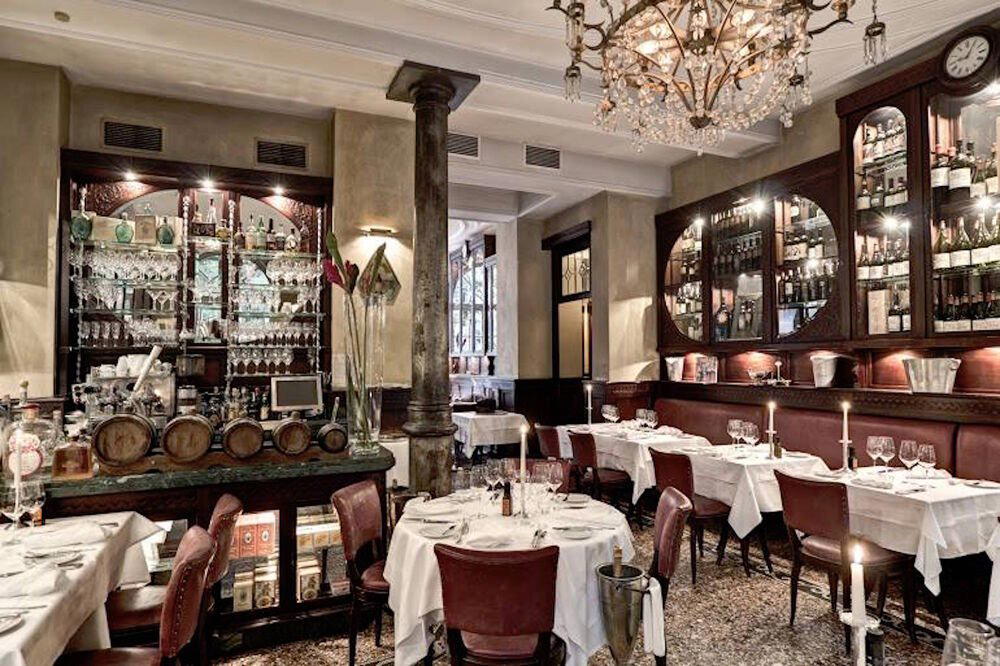
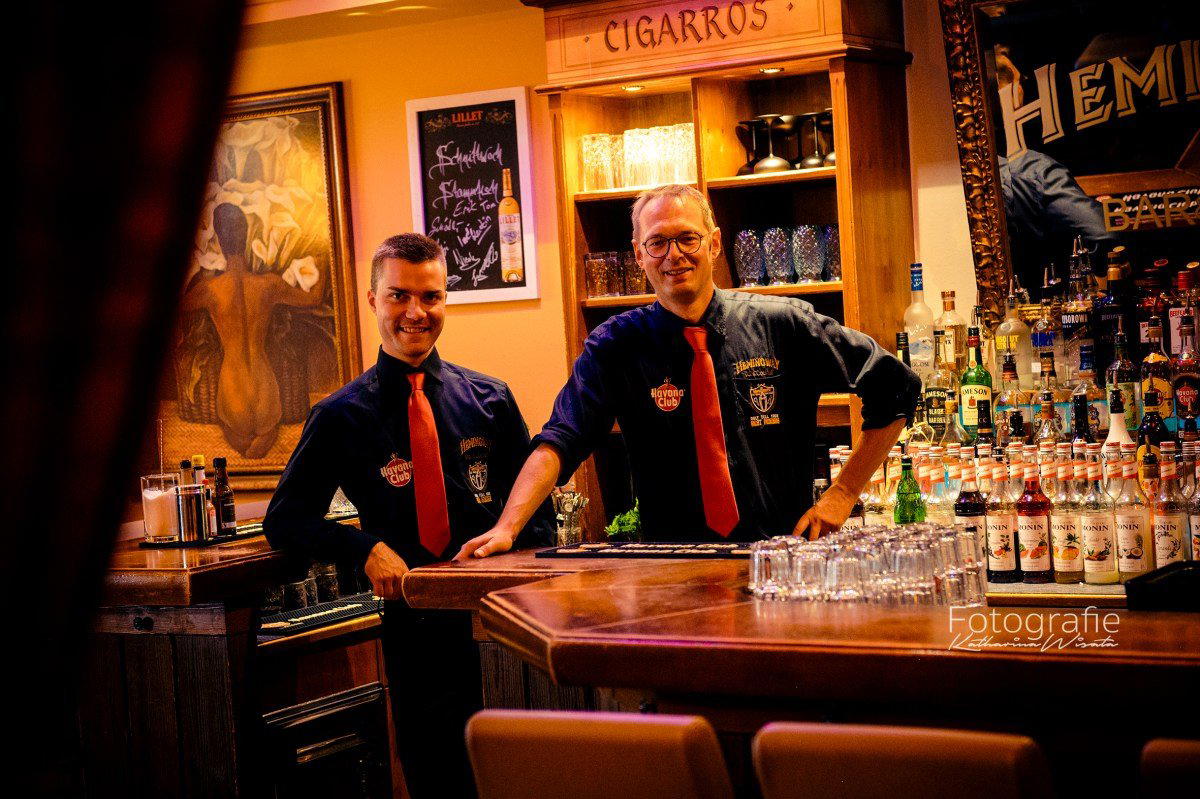
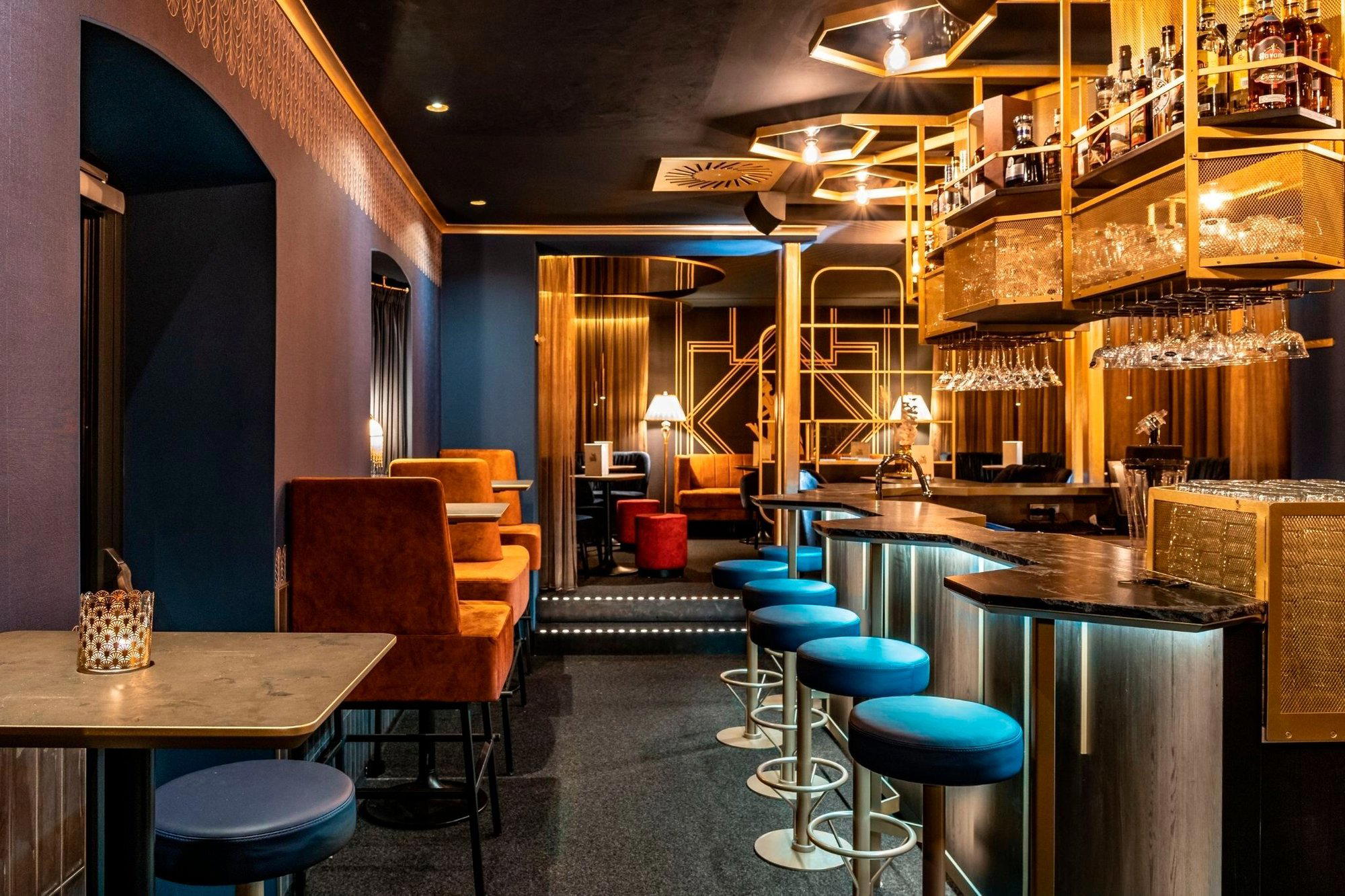
Quaint and intimate atmosphere with clean, well-maintained spaces that allow guests to relax; described as good bourgeois in the clearest sense.