Winstub Arnold

A Michelin Plate-recognised winstub on Alsace's Route des Vins, Winstub Arnold delivers regional cooking anchored in the produce and wine traditions of the Bas-Rhin. The €€ price point. It reads as a reliable address for Alsatian cooking in its natural setting.
Pearl is the En Primeur Club membership app — saves, bookings, and concierge access live there. Same editors, same standards.
- Address
- 98 Rte des Vins, 67140 Itterswiller, France
- Phone
- +33 3 88 85 99 30
- Website
- hotel-arnold.com
- Directions
- Get directions
 Saves & bookings on Pearl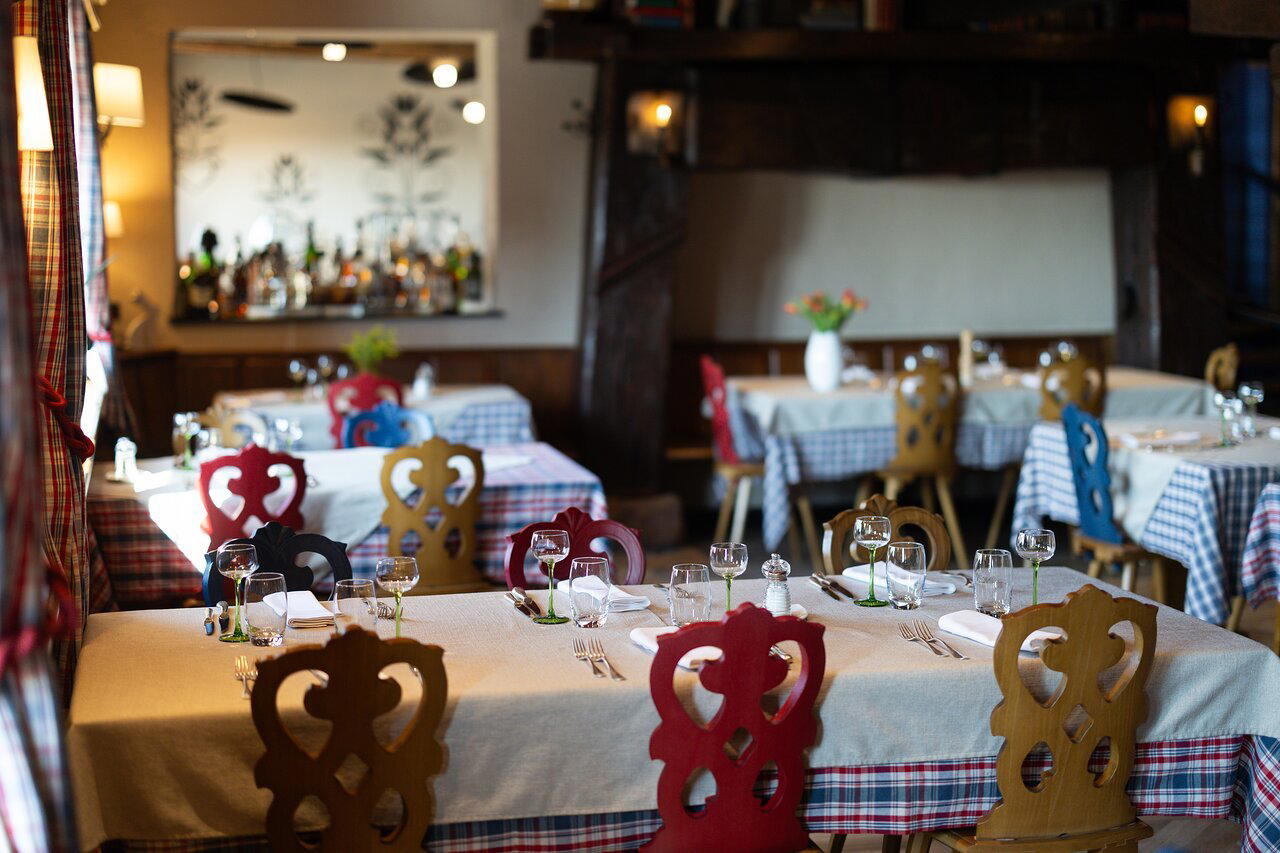
A Village Table on the Wine Road
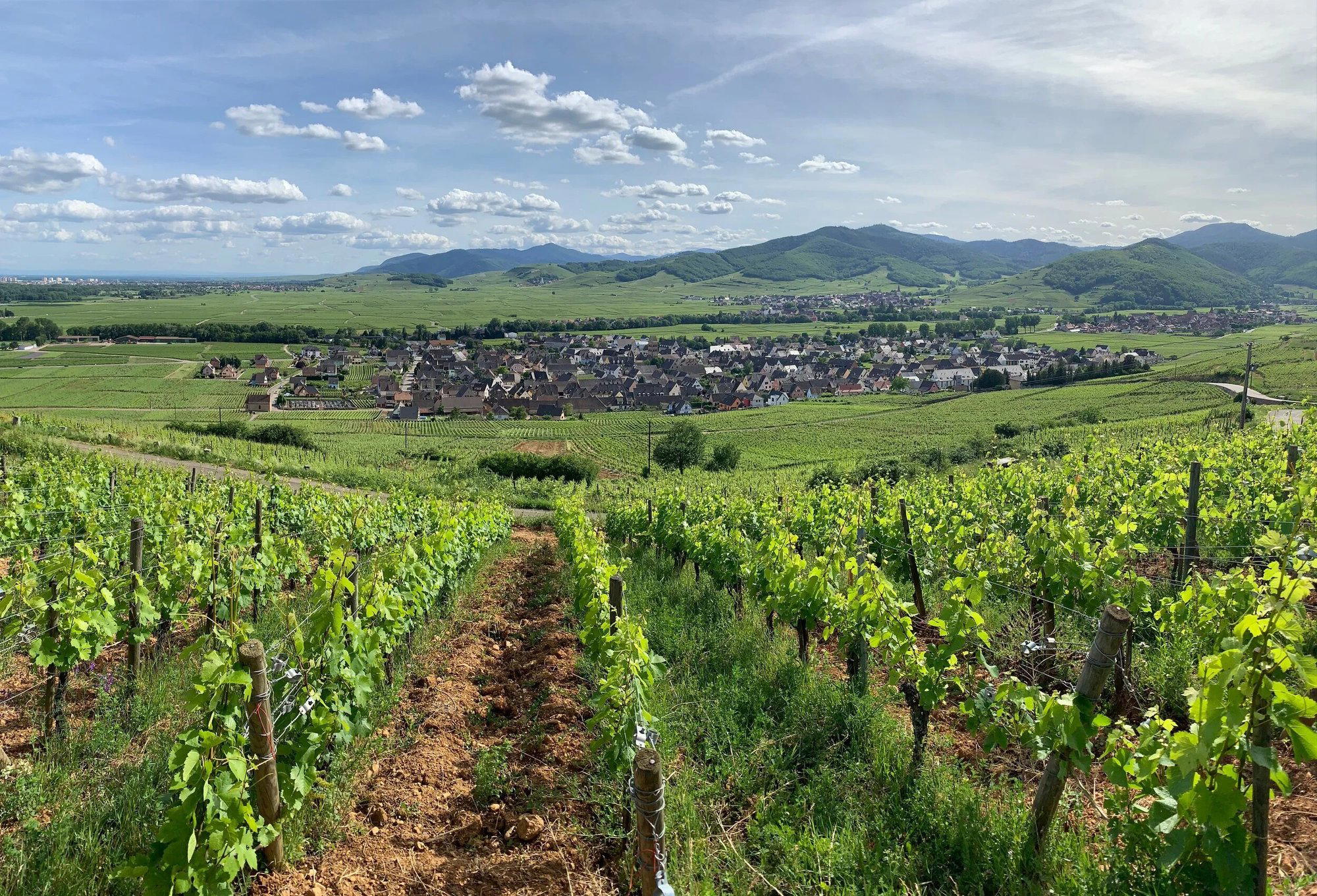
The Route des Vins du Alsace runs south from Marlenheim through a sequence of villages so compact they feel less like towns than long pauses in the vineyard. Itterswiller sits in this corridor, a handful of streets wide, with the Vosges rising behind it and rows of Riesling and Pinot Gris descending to the plain. In places like this, the winstub is not a restaurant concept, it is the civic institution. It predates the star system, the tasting menu era, and the idea that regional cooking needs reinvention to justify itself. Winstub Arnold, at 98 Rte des Vins, occupies that role in Itterswiller: a timber-framed dining room where the architecture and the cooking belong to the same cultural logic.
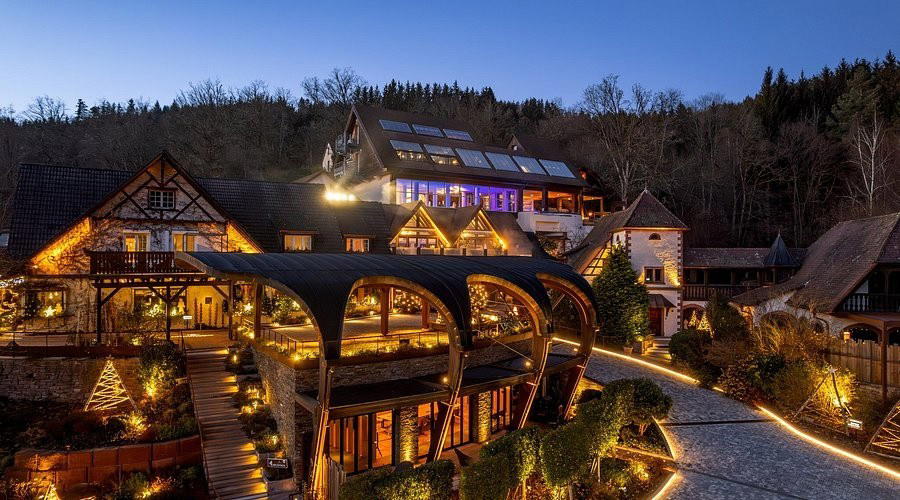
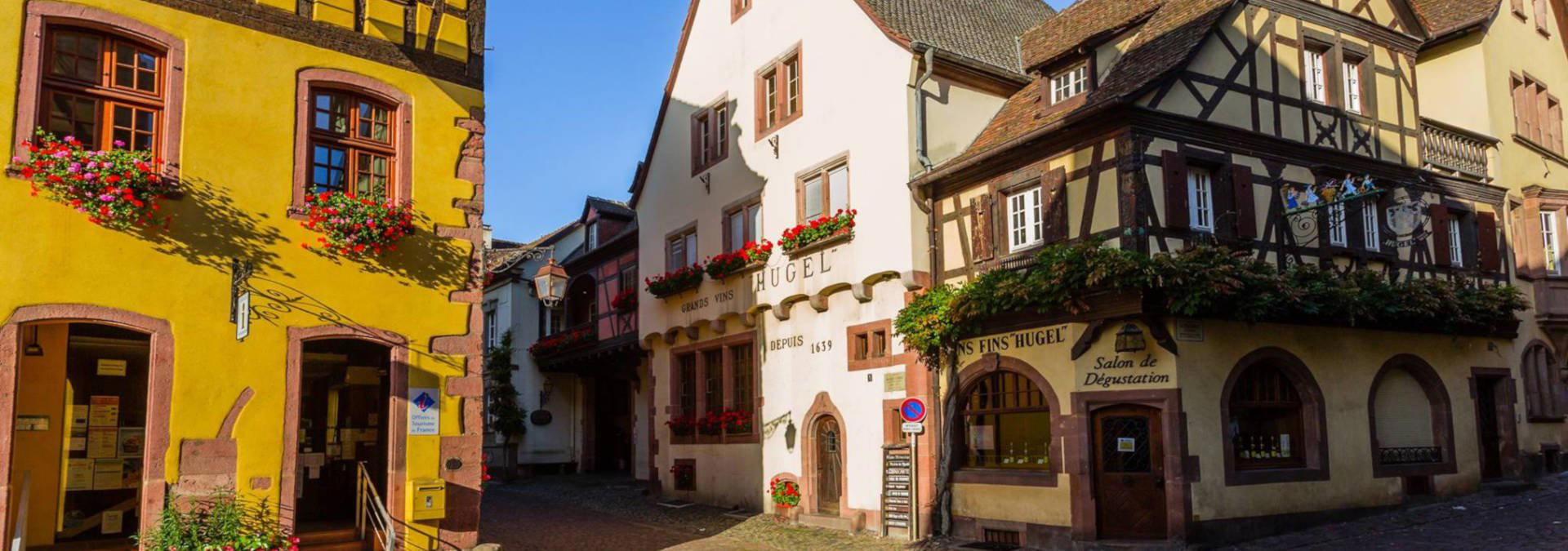
Approaching from the road, the building announces itself through form rather than signage. Low ceilings, carved woodwork, ceramic tilework in warm ochres and greens, this is the Alsatian interior at its most deliberate, a domestic aesthetic scaled up just enough to feed a village. The effect, on a grey autumn afternoon or a summer evening when the light holds late across the vineyards, is less of entering a restaurant and more of entering a category of meal. For visitors following our full Itterswiller restaurants guide, it functions as the clearest expression of what the winstub tradition actually means at table level.
What the Kitchen Is Drawing On
Alsatian cuisine is one of the more geographically determined food cultures in France. The Vosges to the west channel rainfall and produce the forested terrain that historically supplied game, mushrooms, and river fish. The Rhine plain to the east supports market gardening: cabbages, onions, potatoes, and the beets that anchor so much cold-weather cooking here. The vineyards in between provide the wines that season the cooking directly, Riesling reduced into sauces, Pinot Gris used in braises, Gewurztraminer appearing in choucroute preparations in some kitchens. This is not metaphor; wine is a cooking ingredient in the Alsatian tradition as much as it is a pairing.
The Michelin Plate recognition in both 2024 and 2025 signals a kitchen delivering food that meets a quality threshold without seeking a starred identity. In the Michelin framework, the Plate denotes good cooking, it is awarded to restaurants where the inspectors found the food worth recommending but not at the level of distinction that stars require. For a winstub at the €€ tier on the wine road, this is an honest credential: it confirms the kitchen is doing what it should, with care and consistency, rather than chasing a different kind of ambition. The comparison is useful: Auberge de l'Ill in Illhaeusern sits at the starred end of Alsatian cooking, where classical French technique overlays the regional tradition. Winstub Arnold operates at the other end of the same spectrum, the cooking is regional in the direct sense, where the tradition is the point, not the platform.
Across Alsace, the winstub category has come under different pressures in recent decades. Some have modernised their menus to reach wine-road tourists who arrive expecting novelty; others have held to the established repertoire and competed on execution and sourcing. The ones that sustain Michelin recognition at the Plate level tend to belong to the second group, they are not doing something new, but they are doing something specific well. which is exactly what a well-run winstub should achieve.
The Sourcing Logic of the Region
The editorial angle that matters most in Itterswiller is where the food comes from and why the geography makes that answerable. The Alsatian kitchen's strength lies in its proximity to its own larder. Local charcutiers supply the cured pork and smoked meats that anchor dishes like baeckeoffe and flammekueche. Market gardens on the plain provide the cabbages for choucroute, fermented on-site or sourced from producers in villages nearby. River trout and pike from the Ill and its tributaries appear in the more delicate preparations. Cheese, Munster, aged in the valley of the same name, arrives from farms forty minutes away.
This sourcing density is not a marketing position; it reflects how the cuisine was built. Before refrigerated logistics, Alsatian cooks worked with what was within a day's reach, and the cuisine still carries that constraint as a virtue. A winstub on the Route des Vins that draws on this supply network is not doing farm-to-table as a concept; it is practising the regional cooking as it was designed to operate. Visitors who have eaten at the starred end of French regional cooking, at places like Bras in Laguiole or Flocons de Sel in Megève, will recognise in Winstub Arnold a different register: less architectural in its presentation, but rooted in the same insistence on place as the starting point for what appears on the plate.
For broader context on how Alsace fits within France's wider fine dining geography, the starred addresses in the region, including Au Crocodile in Strasbourg, show how the same ingredient culture can be worked into more technically ambitious formats. Arnold makes the case that the regional tradition holds its own value without that upward ambition.
Planning a Visit
Winstub Arnold sits at 98 Route des Vins in Itterswiller, in the Bas-Rhin department of Alsace. The village is most easily reached by car from Obernai, roughly ten kilometres south, or from Sélestat to the north. The Route des Vins runs through the village and connects to À l'Ami Fritz in Ottrott and À l'Agneau d'Or in Obernai, both Alsatian addresses that allow for a sensible two or three-stop day along the wine road. The price bracket sits at €€, placing a full meal at about $22 per person, this is a lunch destination as much as an evening one. Those extending the stay into Itterswiller itself should consult our full Itterswiller hotels guide, and visitors interested in the wine culture that surrounds the table will find the Itterswiller wineries guide useful for pairing a cellar visit with the meal. For a complete picture of what else the village offers, the Itterswiller experiences guide and bars guide cover the remaining options.
Quick Comparison
Comparable venues nearby, for context on price, style, and recognition.
| Venue | Cuisine | Price | Awards | Notes |
|---|---|---|---|---|
| Winstub ArnoldThis venue — the venue you are viewing | Traditional Alsatian Winstub | $$ | Michelin Plate | Not listed |
| À l'Agneau d'Or | Traditional Alsatian Winstub | $$ | Michelin Plate | centre ville |
| Wistub Brenner | Traditional Alsatian | $$ | Michelin Plate | Petite Venise |
| Les Lilas | Modern French | $$ | Michelin Plate | Vagney |
| Lucas et Chris | Modern Alsatian Bistronomic | $$$ | Michelin Plate | Old Colmar / Historic Center |
| Léonor | Modern French Alsatian | $$$ | Michelin Plate | Centre |
Recognition history
Dated appearances from independent guides and award organizations, with the underlying list record or original source where available.
Michelin Plate
Michelin
Michelin Plate
Michelin
Michelin Plate
Michelin
Continue exploring
More in Itterswiller
Restaurants in Itterswiller
Browse all →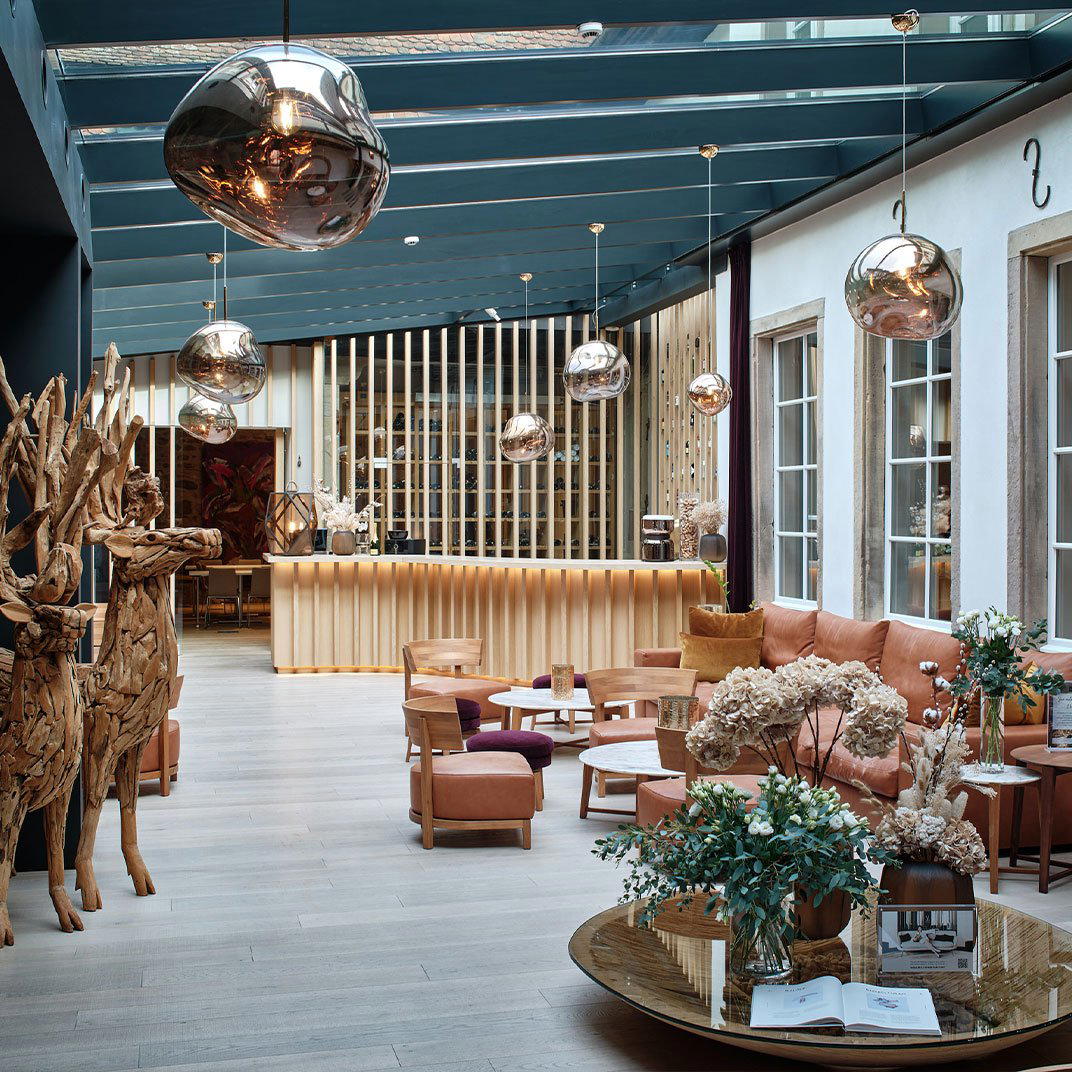
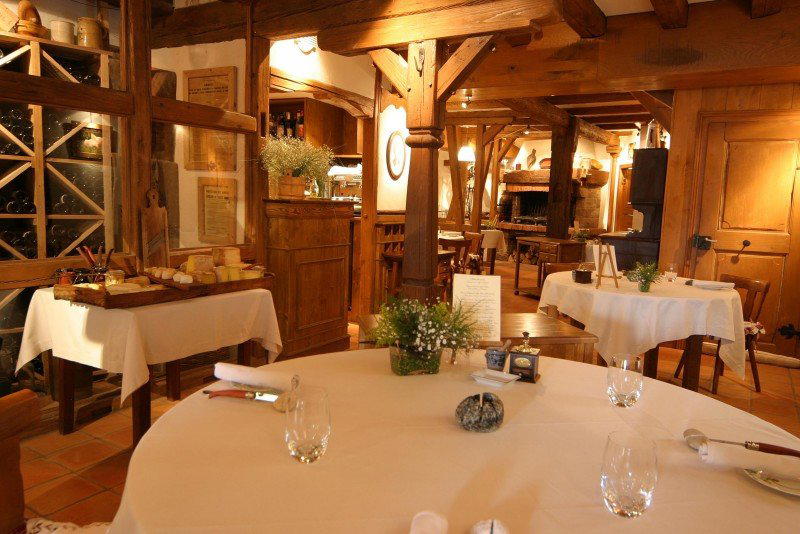

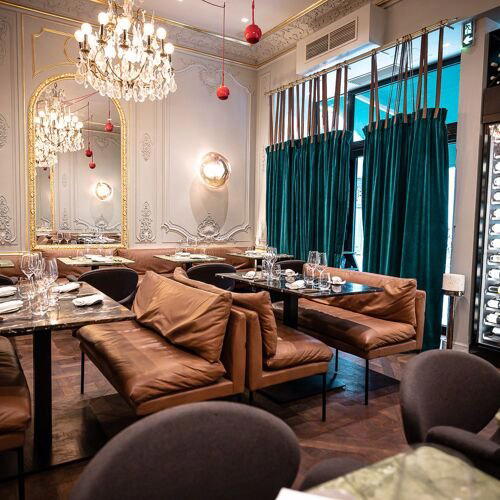
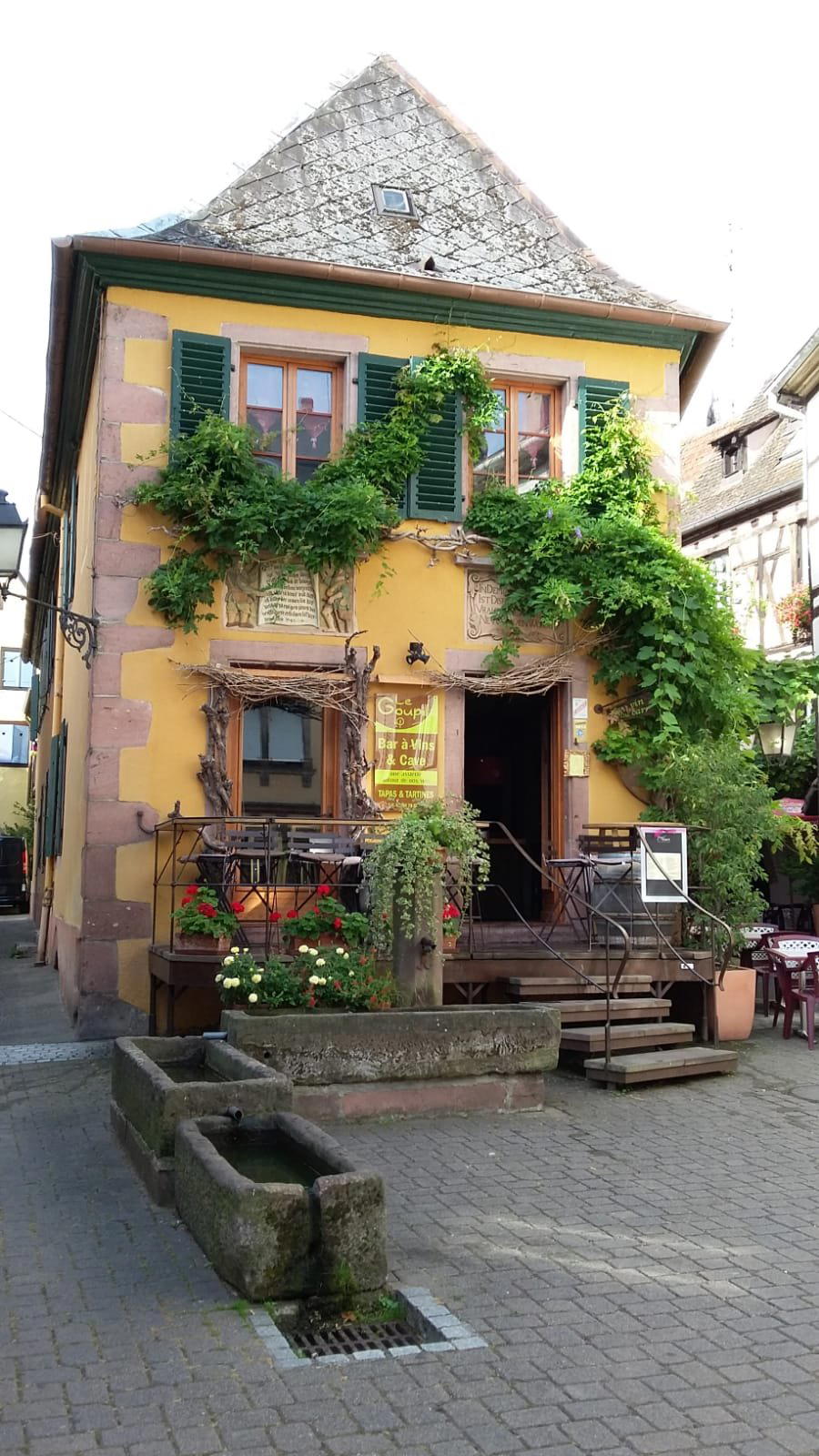
Bars in Itterswiller
Browse all →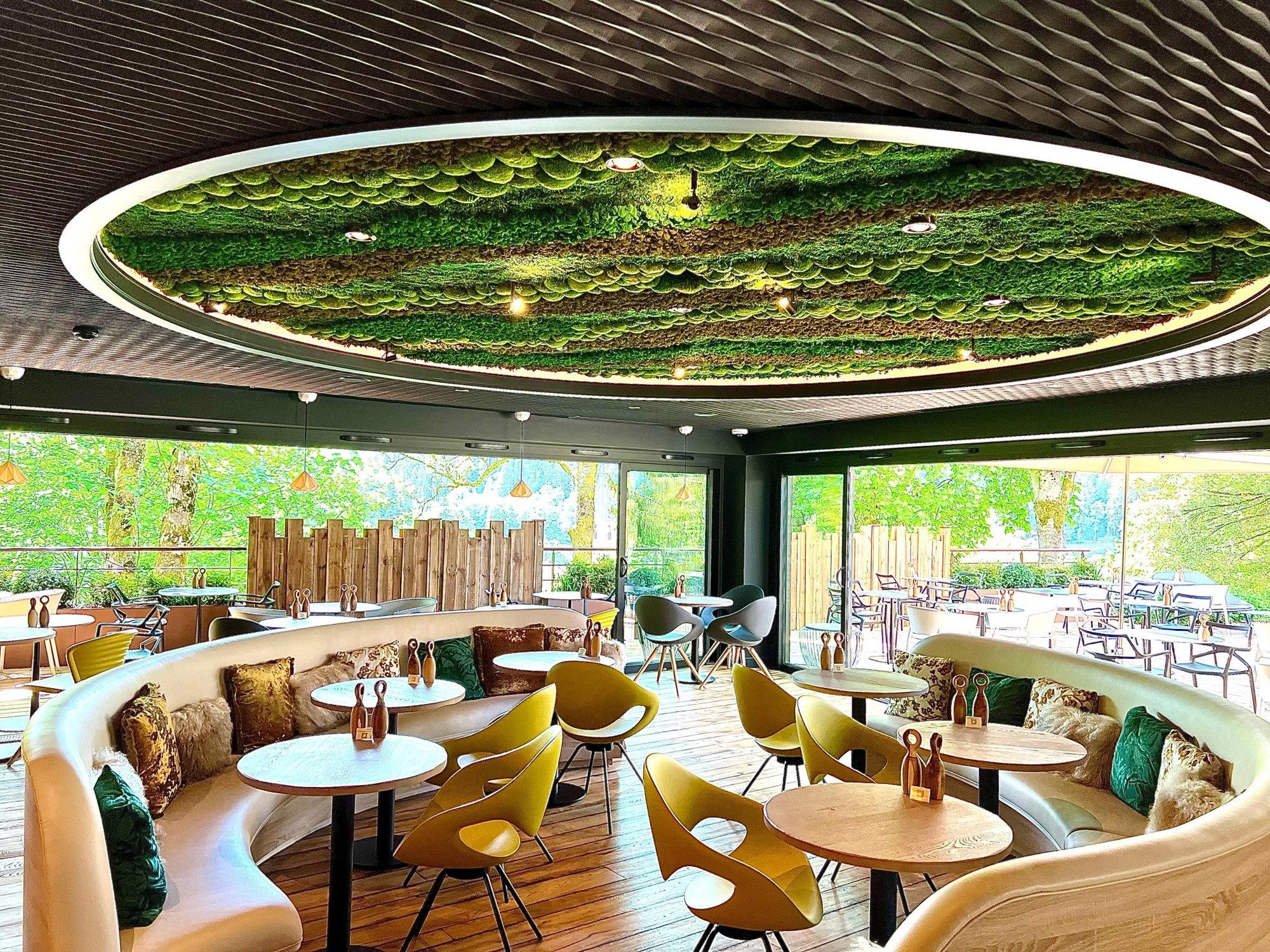


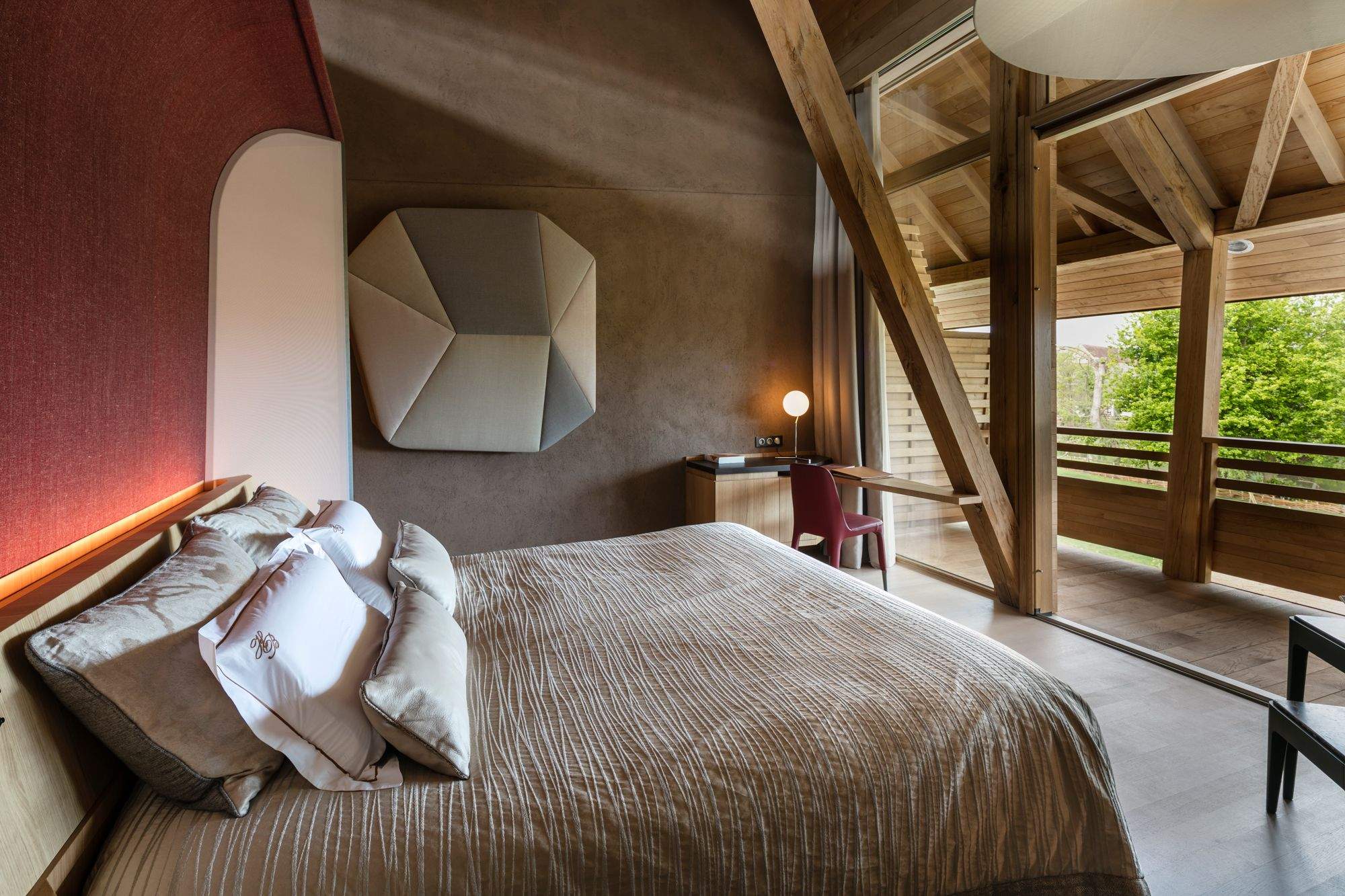
Hotels in Itterswiller
Browse all →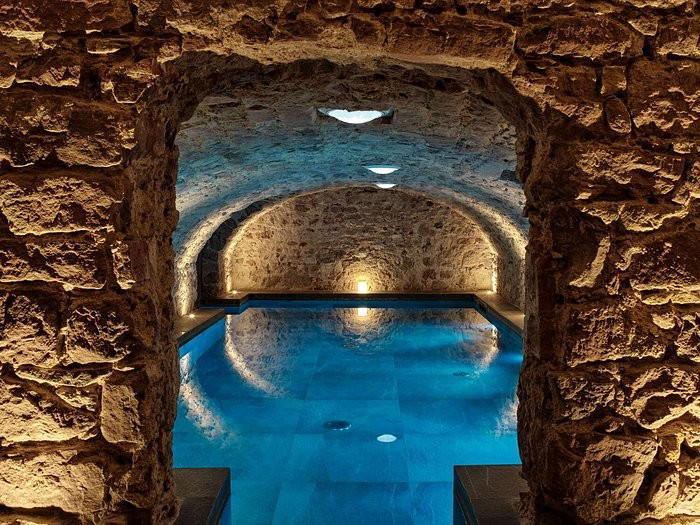
At a Glance
- Cozy
- Rustic
- Classic
- Scenic
- Family
- Casual Hangout
- Special Occasion
- Terrace
- Historic Building
- Extensive Wine List
- Local Sourcing
- Vineyard
Current opening hours
- Monday
- 12–1:30 PM, 7–9 PM
- Tuesday
- 12–1:30 PM, 7–9 PM
- Wednesday
- 12–1:30 PM, 7–9 PM
- Thursday
- 12–1:30 PM, 7–9 PM
- Friday
- 12–1:30 PM, 7–9 PM
- Saturday
- 12–1:30 PM, 7–9 PM
- Sunday
- 12–1:30 PM, 7–9 PM
Hours can change for holidays and private events. Last verified .
Warm and convivial atmosphere in a redesigned old wine cellar or on a shaded terrace with vineyard vistas.