Willow Street Wood-Fired Pizza
Our verdict
Wood-fired pizza on Willow Street sits inside San Jose's Willow Glen neighborhood, where the casual dining strip runs counter to the city's tech-campus eating culture. The format is straightforward: live-fire ovens, a neighborhood crowd, and the kind of meal that sequences naturally from appetizer to pie to a last glass of something red. A reliable address in a city still finding its restaurant identity.

Pearl is the En Primeur Club membership app — saves, bookings, and concierge access live there. Same editors, same standards.
- Address
- 1072 Willow St, San Jose, CA 95125
- Phone
- (408) 971-7080
- Hours
- Mon–Thu 4–8:30 PMFri–Sat 11:30 AM–9 PMSun 11:30 AM–8:30 PM
- Website
- willowstreet.com
- Directions
- Get directions
- Booking
- Book on OpenTable
The menu
What to order
- Italian Pizza
- Margherita
- BBQ Chicken Pizza
Fire, Dough, and the Neighborhood That Built the Format
San Jose's dining scene has long operated in the shadow of San Francisco's restaurant press, but the city's residential neighborhoods have quietly produced a tier of casual, ingredient-driven addresses that serve a genuinely local audience rather than a tourist circuit. Willow Glen, the tree-lined district running south of downtown, exemplifies that pattern. The neighborhood's commercial strip along Lincoln Avenue and its surrounding blocks attracts working residents who want a dependable meal over spectacle, and the cooking formats that thrive here — wood-fired, ingredient-forward, portion-generous — reflect that expectation. Willow Street Wood-Fired Pizza, at 1072 Willow St, sits inside this context rather than apart from it.
Wood-fired pizza occupies a specific position in American casual dining that is worth understanding before you arrive. The format descends from Neapolitan tradition but has been reinterpreted across the United States to the point where the wood or gas flame is sometimes more aesthetic than functional. The venues that take the format seriously use it to achieve something specific: char patterns that a conveyor oven cannot produce, a crust that carries the faint mineral flavor of high-heat stone, and a cook time measured in seconds rather than minutes at the high end of the temperature range. When the format works, the pizza arrives as a coherent whole, crust, sauce, and topping fused by heat rather than layered on top of each other.
How the Meal Moves
The logic of a wood-fired pizza meal tends to sequence itself naturally, and that sequencing is worth thinking about before you order. The format rewards a particular kind of pacing: something lighter first, the pizza as a central act, and enough restraint on the front end to let the main event land properly.
In Italian-American casual formats of this type, the first phase typically involves shared starters, something acidic or cured to prime the palate, perhaps a salad that provides contrast to what follows. The role of the appetizer here is structural: it gives the table time to settle, orders a second round of drinks, and makes the arrival of the pie feel like a proper second act rather than an immediate endpoint. Venues that do this well tend to offer starters that don't compete with the pizza's weight, lighter plates, sharper flavors, smaller portions.
The pizza itself, when wood-fired correctly, needs no ceremony beyond being eaten while hot. The window between optimal and merely good is narrow in this format. Toppings that continue cooking from residual heat, cheese that shifts from molten to rubbery in minutes, crust that loses its structural spring as steam escapes, these are the reasons wood-fired pizza works well eaten at the table rather than boxed and transported. The format is fundamentally present-tense.
The final phase, if the meal has been paced correctly, is the simplest: something sweet or a glass of wine that extends the table time without demanding attention. Italian casual formats often close this way, not with a formal dessert sequence but with the kind of unhurried end that characterizes neighborhood eating at its most functional.
Where This Sits in San Jose's Dining Pattern
San Jose's restaurant scene distributes unevenly. The upper tier is anchored by a small number of serious addresses: Adega (Portuguese), which holds Michelin recognition and operates at a different price point and ambition level entirely, and newer arrivals like Augustine and Alma de Amón, which have expanded the city's range. Below that tier, the mid-range is populated by neighborhood-specific addresses serving cuisines that reflect the city's demographic breadth, places like Back A Yard Caribbean Grill and Antipastos by DeRose, which operate closer to the community-serving end of the spectrum.
Casual Italian fits naturally into that mid-tier, and wood-fired pizza specifically has found a stable audience in neighborhoods like Willow Glen where the demographic skews toward families and residents who prioritize reliability over novelty. The comparison set for Willow Street is not the Michelin-tracked upper tier of American dining, not The French Laundry in Napa, not Lazy Bear in San Francisco, not the tasting-menu format represented nationally by Alinea in Chicago, Le Bernardin in New York City, or Atomix in New York City.
Consistency across visits matters more than peak performance on a single occasion. The quality of ingredients relative to price point signals whether a venue is genuinely committed to the format or treating the wood-fired label as marketing. The room's atmosphere, whether it feels like a place where people actually live nearby rather than a concept assembled for an audience, tells you something about how the kitchen thinks about its role.
For context on what the top end of American dining looks like in different formats and cities, the gap between neighborhood pizza and, say, Single Thread Farm in Healdsburg, Blue Hill at Stone Barns in Tarrytown, Providence in Los Angeles, Addison in San Diego, Emeril's in New Orleans, or The Inn at Little Washington in Washington is structural rather than merely one of degree. The wood-fired casual format is not trying to compete on that axis, and shouldn't be evaluated as if it were. 8 1/2 Otto e Mezzo Bombana in Hong Kong represents Italian fine dining at its most rarified international expression, a different category entirely.
Planning the Visit
Willow Glen is a walkable neighborhood by San Jose standards, with street parking generally accessible along Willow Street and surrounding blocks. The area sees consistent weekday evening traffic from local residents, and weekend evenings in neighborhood pizza formats like this one can fill quickly without advance planning. The format doesn't typically require formal reservations in the way that tasting-menu restaurants do, but arriving early or calling ahead on busy evenings is sensible given the neighborhood's limited seating patterns in casual formats. For a broader sense of where this address fits among San Jose's dining options across price points and cuisine types, our full San Jose restaurants guide maps the city's range in more detail.
Frequently asked questions
What's the address for Willow Street Wood-Fired Pizza?
Willow Street Wood-Fired Pizza is located at 1072 Willow St, San Jose, CA 95125, San Jose.
How does Willow Street Wood-Fired Pizza fit into San Jose's broader dining scene?
San Jose's upper dining tier is anchored by a handful of formally recognized addresses, but the city's residential neighborhoods have developed a parallel track of craft-focused, format-driven spots that draw consistent local followings without Michelin attention. Willow Street Wood-Fired Pizza sits within Willow Glen, one of San Jose's more walkable and food-active districts, where wood-fire technique at the neighborhood scale fills a gap that the city's downtown restaurant corridor doesn't address.
What should I order at Willow Street Wood-Fired Pizza?
Wood-fired pizza is the organizing principle of the menu at 1072 Willow St, so that's where to anchor your order. The live-fire format tends to reward simplicity: fewer toppings allow the char and dough structure to register rather than compete. Specific menu items aren't publicly listed, so checking current offerings directly with the restaurant is the most reliable approach before visiting.
Should I book Willow Street Wood-Fired Pizza in advance?
Willow Glen operates as a walkable, residential pocket of San Jose, and neighborhood pizza spots in that format tend to draw consistent local traffic on weekends. Calling ahead or checking availability before a Friday or Saturday visit is a reasonable precaution.
Standing Among Peers
Comparable venues nearby, for context on price, style, and recognition.
| Venue | Cuisine | Price | Notes |
|---|---|---|---|
| Willow Street Wood-Fired PizzaThis venue — the venue you are viewing | Wood-Fired Pizza | $20–30 | Not listed |
| Original Joe's | Classic Italian-American | $30–50 | Paseo de San Antonio |
| Vito's Trattoria | Authentic Sicilian Trattoria | $30–50 | Metro/Airport |
| Blowfish Sushi to Die For | Fusion Japanese Sushi | $30–50 | Santana Row |
| Hokkaido Ramen Santouka らーめん山頭火 | Hokkaido-Style Tonkotsu Ramen | $10–20 | Strawberry Park |
| Sino | Asian Fusion with Dim Sum | $30–50 | Santana Row |
Continue exploring
More in San Jose
Restaurants in San Jose
Browse all →
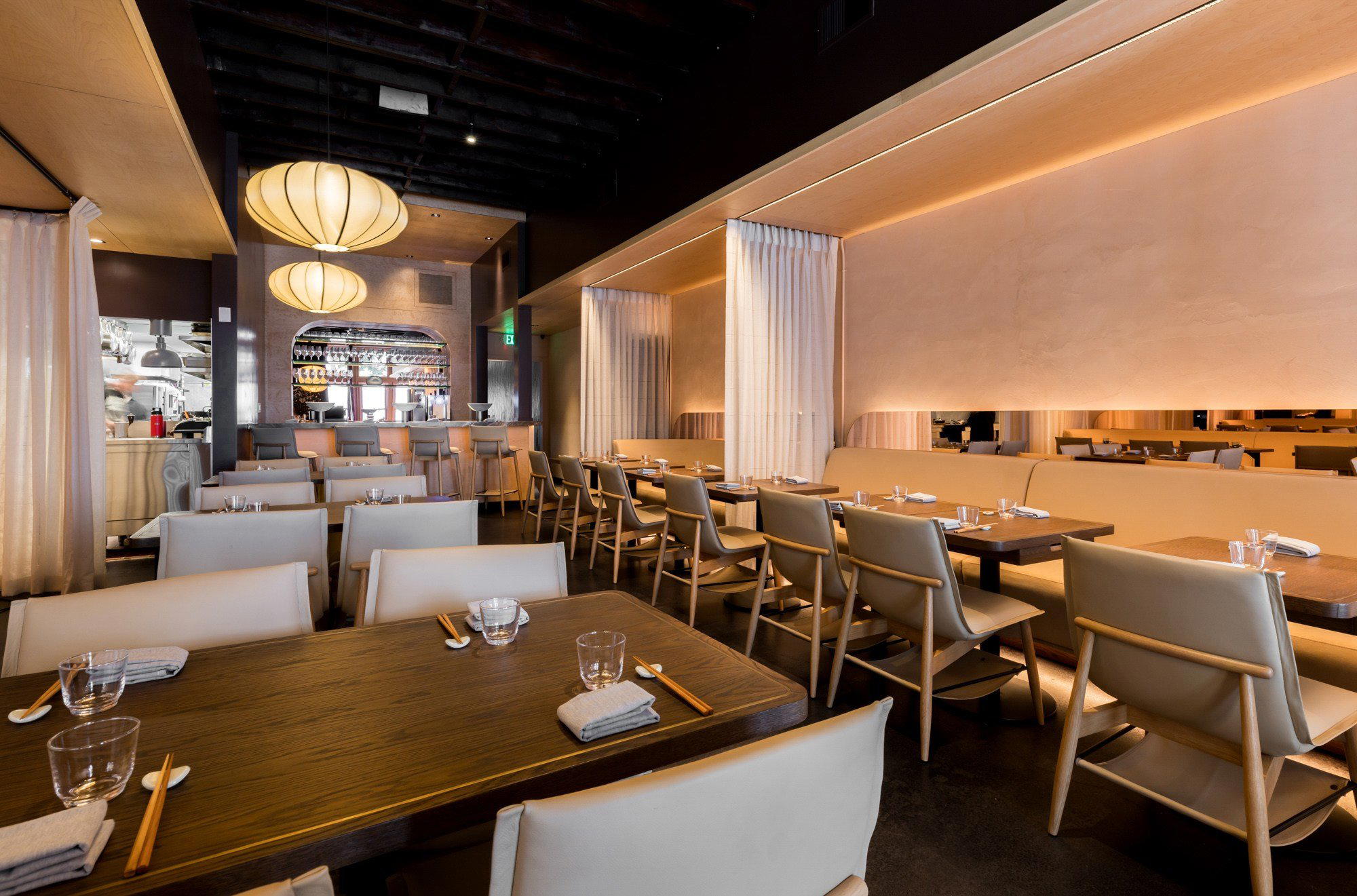
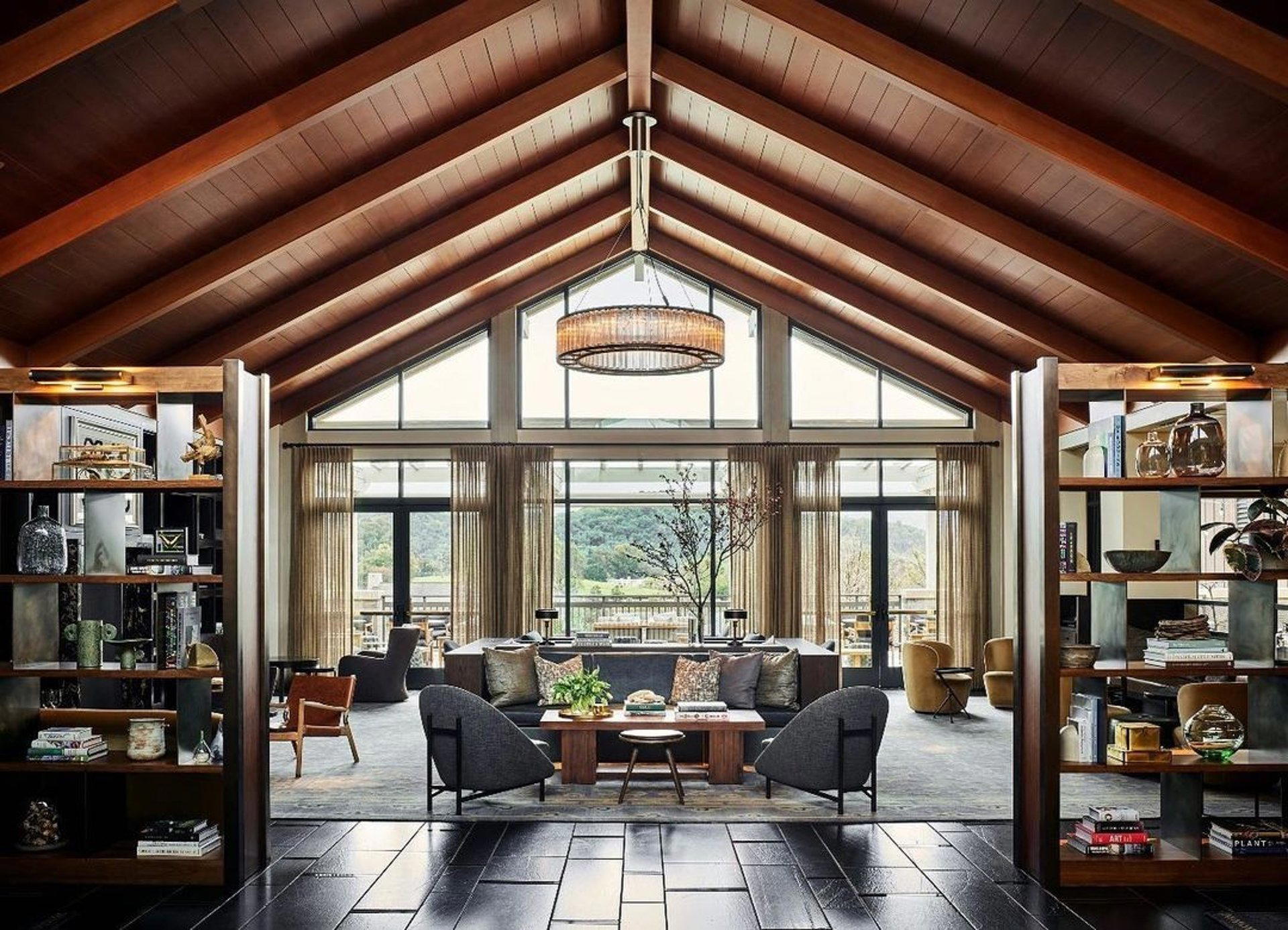
Bars in San Jose
Browse all →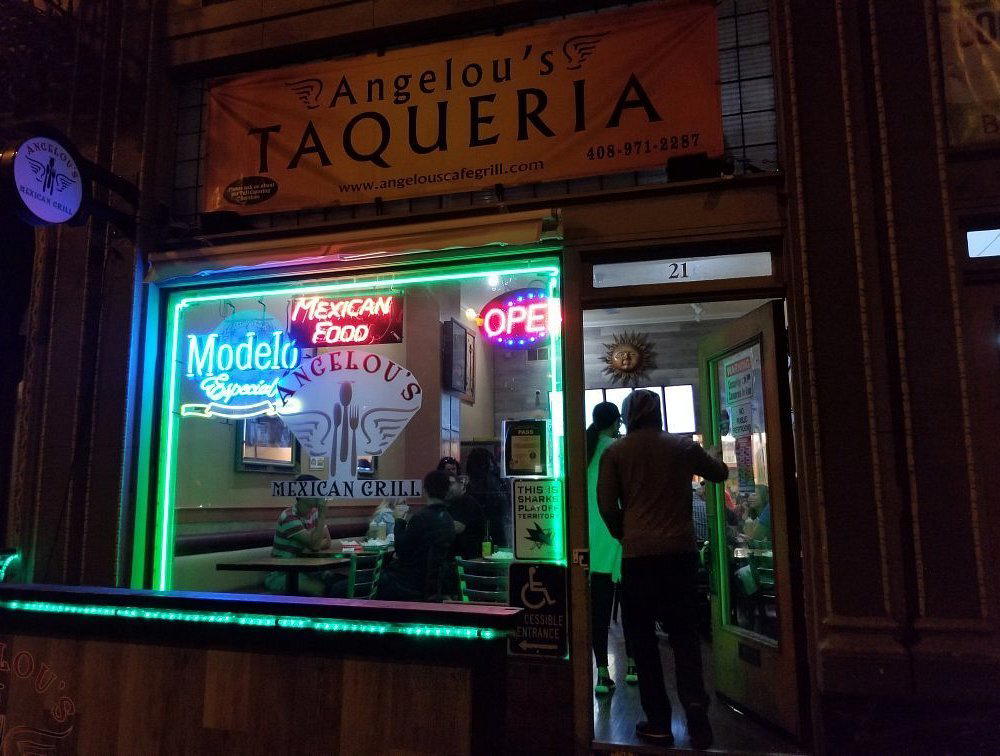

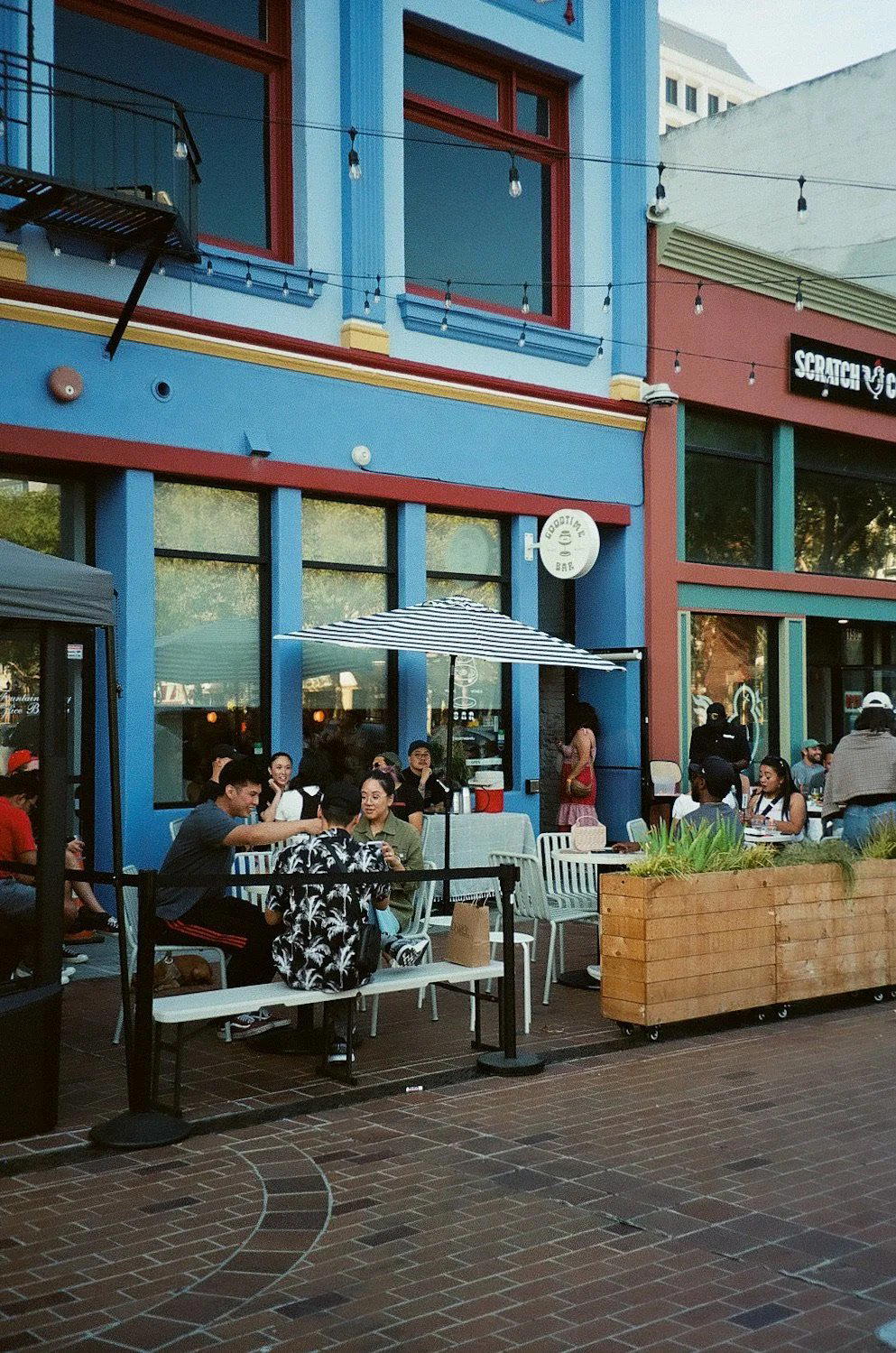
Hotels in San Jose
Browse all →



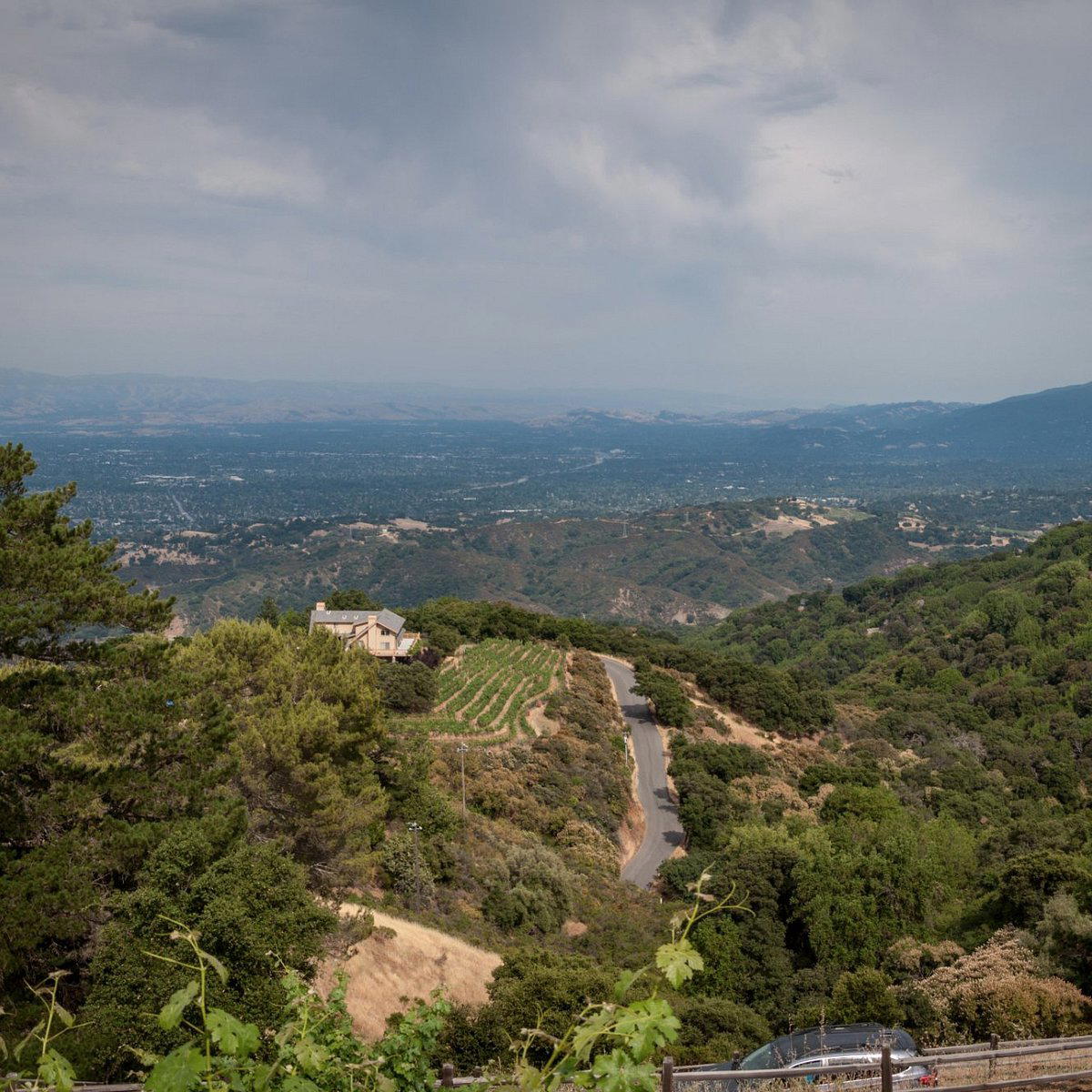
Willow Street Wood-Fired Pizza
The wine
- Wine program
- Curated wine list
- Craft cocktails
- Beer program
Details
- Rustic
- Cozy
- Casual Hangout
- Group Dining
- Family
- Open Kitchen
- Terrace
- Craft Cocktails
- Beer Program
- Local Sourcing
- Organic
- A La Carte
- Beer Program
- Wine
- Vegetarian Friendly
Current opening hours
- Monday
- 4–8:30 PM
- Tuesday
- 4–8:30 PM
- Wednesday
- 4–8:30 PM
- Thursday
- 4–8:30 PM
- Friday
- 11:30 AM–9 PM
- Saturday
- 11:30 AM–9 PM
- Sunday
- 11:30 AM–8:30 PM
Hours can change for holidays and private events. Last verified .
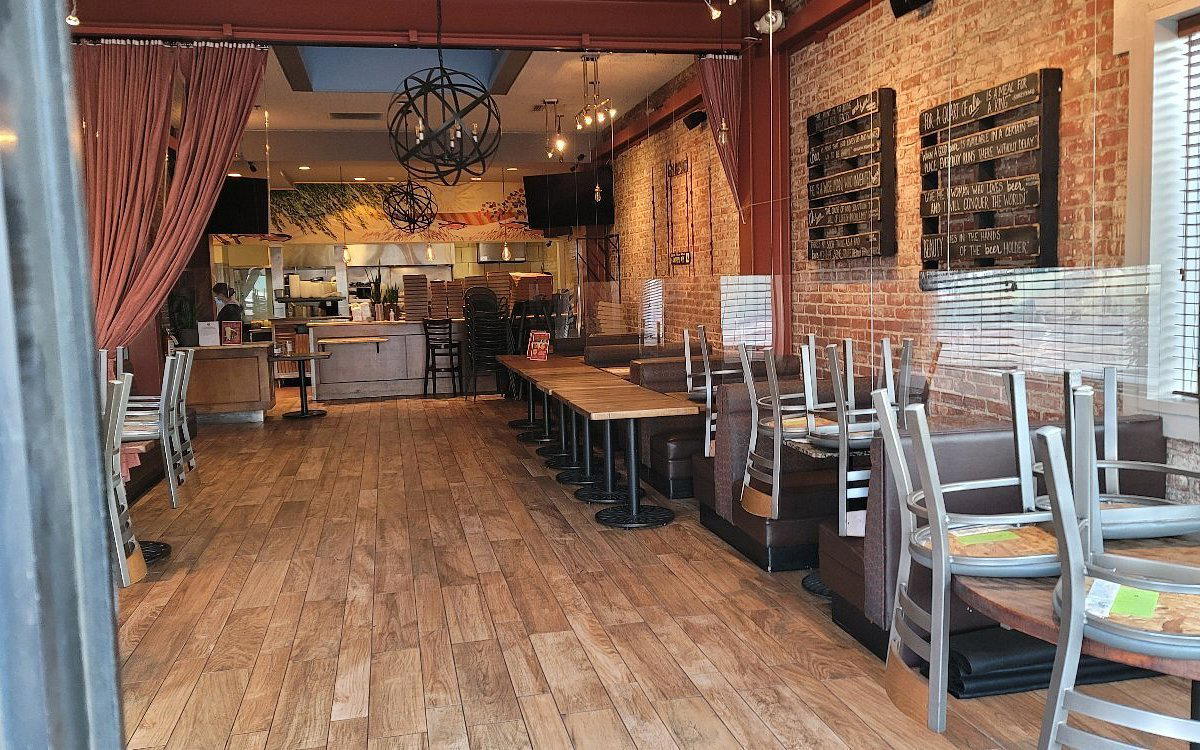
Casual and welcoming with a rustic pizza parlor atmosphere, featuring happy hour vibes and lively patio seating.