Wijn bij Stijn

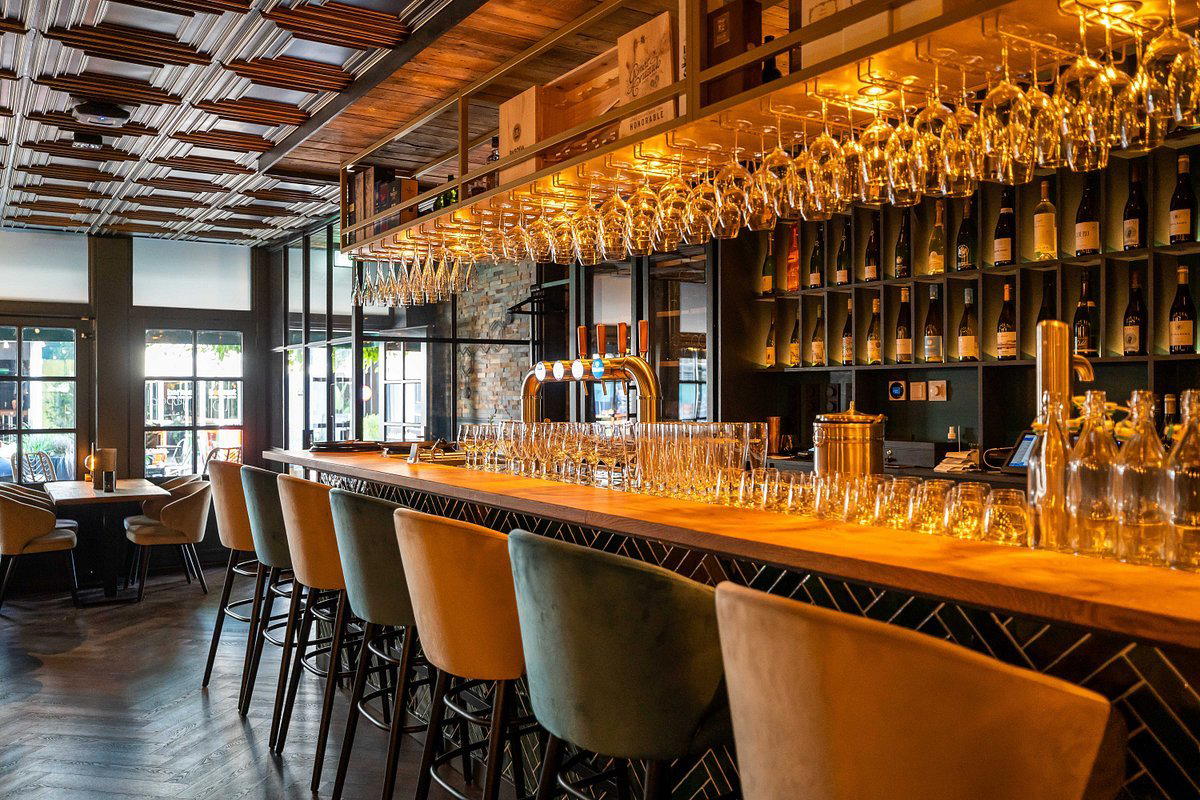
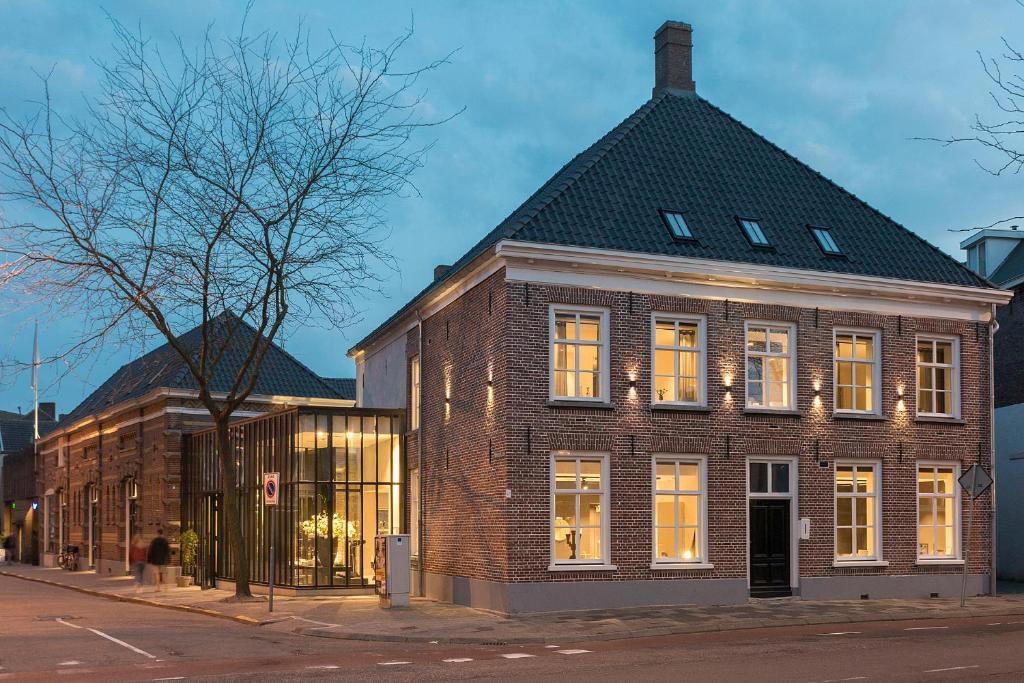
's-Hertogenbosch's original wine bar, Wijn bij Stijn on Kruisstraat has spent years deepening both its wine list and its kitchen output since opening as the city's first dedicated wine-bar format. The result is a address where serious bottles and considered small plates occupy the same conversation, positioned firmly within Den Bosch's growing confidence as a dining destination worth tracking.
 Discover on Pearl
Pearl is the En Primeur Club membership app — saves, bookings, and concierge access live there. Same editors, same standards.
- Address
- Kruisstraat 35, 5211 DT 's-Hertogenbosch, Netherlands
- Phone
- +31 73 737 0219
- Website
- wijnbijstijn.nl
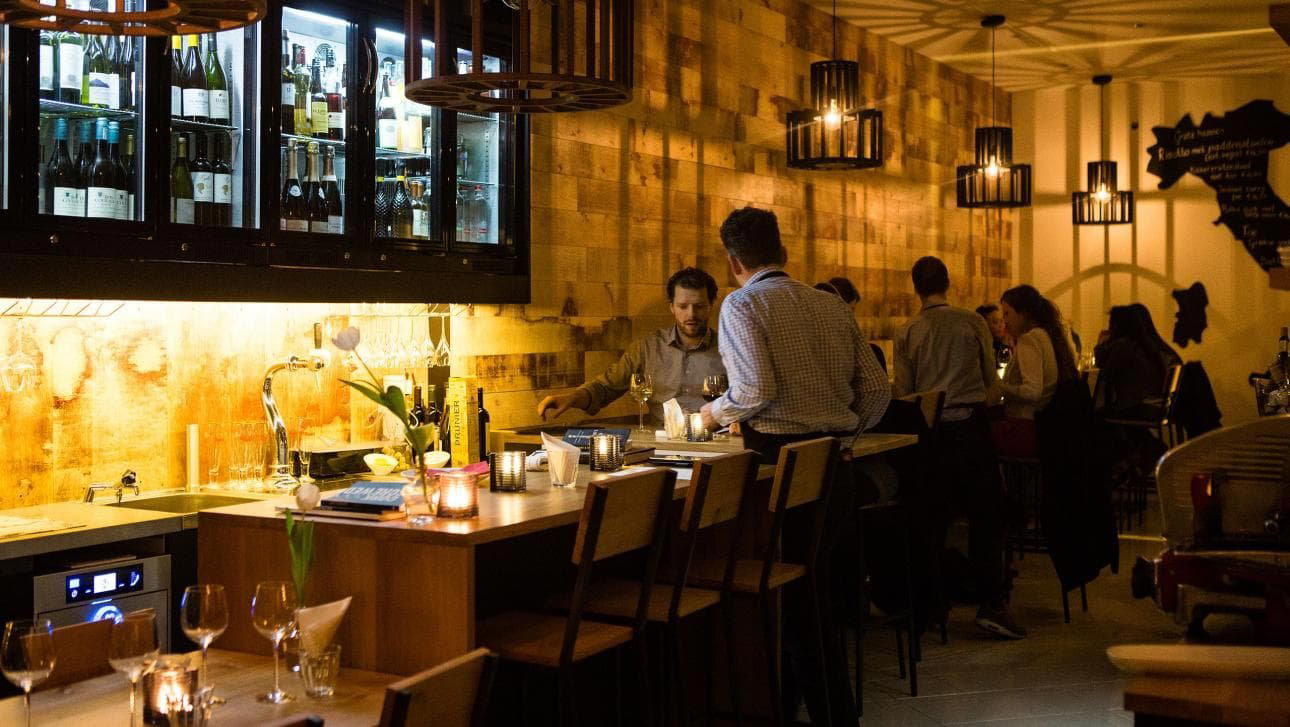
Den Bosch and the Wine Bar Format
The wine bar as a dining format has a complicated relationship with Dutch city culture. In cities like Amsterdam, the category arrived early and fragmented quickly into tourist-facing wine shops with a few bar stools and genuinely serious operations with deep cellar lists and kitchen programs that could hold their own against full-service restaurants. In smaller provincial cities, the format took longer to establish roots. 's-Hertogenbosch, known locally as Den Bosch and better known internationally for the Hieronymus Bosch art trail and its annual carnival, has built a restaurant scene that punches above what its population size might suggest. The city sits in Noord-Brabant, a province with a stronger food culture than the Netherlands' northern provinces, and that regional backdrop matters when reading how wine bars have developed here.
Wijn bij Stijn holds a specific position in that story: it opened as the first true wine bar in Den Bosch. That founding fact is not merely historical colour. It means the bar has shaped the expectations that every wine-focused venue in the city has subsequently had to meet or argue against. For a city now generating serious restaurant attention, including fine-dining addresses that sit alongside Michelin-recognised operations like Benjamin, having an anchor wine bar with this kind of tenure matters for how the broader scene reads to visitors.
What the Wine Bar Format Means in This Context
Across the Netherlands, wine bar culture has evolved through roughly two phases. The first was retail-adjacent: bars that doubled as bottle shops, where the drinking-in offer felt secondary to the take-home list. The second phase, which accelerated through the 2010s, produced venues where the wine list and the food program were developed in parallel, with neither treated as an afterthought. This second model is closer to the Parisian cave à manger tradition, where natural and low-intervention producers share shelf space with more classical appellations, and the kitchen turns out plates designed to extend the drinking rather than simply justify the licence. Den Bosch's emergence as a city worth a dedicated food trip, covered in depth in our full 's-Hertogenbosch restaurants guide, runs parallel to this maturing of its wine culture.
Wijn bij Stijn's development over time reflects that broader shift. The record notes that both the food and the wine list have developed considerably since opening, which is consistent with how the stronger wine bars in provincial Dutch cities have responded to rising guest expectations. The venue sits on Kruisstraat, a street in the city's old centre, which places it within walking distance of the cathedral quarter and the pedestrian shopping core. That address means it draws both a local regular crowd and visitors making their way through the city's cultural and culinary itinerary.
Wine Lists in Provincial Dutch Cities: The Peer Context
Understanding what a wine list in this tier and city should contain requires some comparative framing. The Netherlands' highest-profile wine programs tend to cluster around the Michelin-starred dining rooms, places like Ciel Bleu in Amsterdam, De Librije in Zwolle, or Aan de Poel in Amstelveen. These are purpose-built cellars with sommelier teams and budgets that reflect multi-course tasting menu pricing. A wine bar like Wijn bij Stijn operates in a different register: the list needs to be serious enough to reward guests who know their way around Burgundy or the Loire while remaining accessible enough that someone ordering a single glass between a museum visit and dinner is not made to feel out of place.
This is genuinely difficult to execute. Wine bars that skew too far toward the collector tier lose the casual drop-in trade that keeps the lights on; those that skew too populist lose the credibility that makes the format worth seeking out over a restaurant wine list. The better provincial wine bars in the Netherlands, and across Belgium and northern Germany, have found a middle path by combining a well-curated glass program with a bottle list that rewards return visits. From the available record, Wijn bij Stijn's sustained position as Den Bosch's foundational wine bar suggests it has maintained something close to that balance across its lifespan.
Food as a Structural Commitment
The development of the food program alongside the wine list is the detail that moves Wijn bij Stijn out of the pure bottle-shop-with-seating category. In wine bar terms, this is a meaningful distinction. Some of the Netherlands' more ambitious food-focused venues, including tasting-menu operations like De Nieuwe Winkel in Nijmegen or De Lindehof in Nuenen, have built international recognition on the premise that Dutch regional cooking can anchor a high-end plate. At a wine bar, the kitchen's job is different: plates need to work as companions to glass pours rather than as complete gastronomic statements. The record's note that the food program has developed alongside the wine list is consistent with a venue that has thought about this relationship rather than treating the kitchen as a liability to be minimised. For comparison, operations like Brut172 in Reijmerstok or De Bokkedoorns in Overveen illustrate how seriously Dutch venues have started treating the kitchen-cellar relationship.
Planning a Visit
Kruisstraat 35 places Wijn bij Stijn at the centre of the old city, accessible on foot from the main train station in under fifteen minutes. Den Bosch is on direct rail connections from Amsterdam, Utrecht, and Eindhoven, making it a viable day or weekend destination from any of those cities. Visitors building a broader itinerary around the city's food scene should cross-reference our full 's-Hertogenbosch bars guide and our full 's-Hertogenbosch hotels guide for overnight options. Those with an interest in the broader Dutch fine-dining circuit can use the city as a base, given its proximity to De Lindenhof in Giethoorn and 't Nonnetje in Harderwijk for longer excursions. For those thinking beyond the Netherlands entirely, the wine bar format has global reference points worth knowing: Le Bernardin in New York City and Emeril's in New Orleans represent different ends of the American spectrum, while the Dutch model sits closer to the European cave à manger tradition in its ambitions.
Booking and Cost Snapshot
Comparable venues nearby, for context on price, style, and recognition.
| Venue | Cuisine | Price | Awards | Notes |
|---|---|---|---|---|
| Wijn bij StijnThis venue — the venue you are viewing | Den Bosch, Mediterranean Wine Bar | $$$ | 1 recognition | |
| Benjamin | $$$ | 1 recognition | city center, French Seafood with Wine Focus | |
| Café Restaurant Flora | $$$ | 1 recognition | Den Haag (The Hague), Seasonal Modern European | |
| Ruby Rose | $$$ | , | Binnenstad, Mediterranean Shared Dining & Wine Bar | |
| Ottolenghi Amsterdam | $$$ | , | P.C. Hooftbuurt, Modern Vegetable-Centric Mediterranean | |
| BARBOUNIA | $$$ | , | P.C. Hooftbuurt, Mediterranean with Levantine Spices |
Continue exploring
More in 's-Hertogenbosch
Restaurants in 's-Hertogenbosch
Browse all →
Bars in 's-Hertogenbosch
Browse all →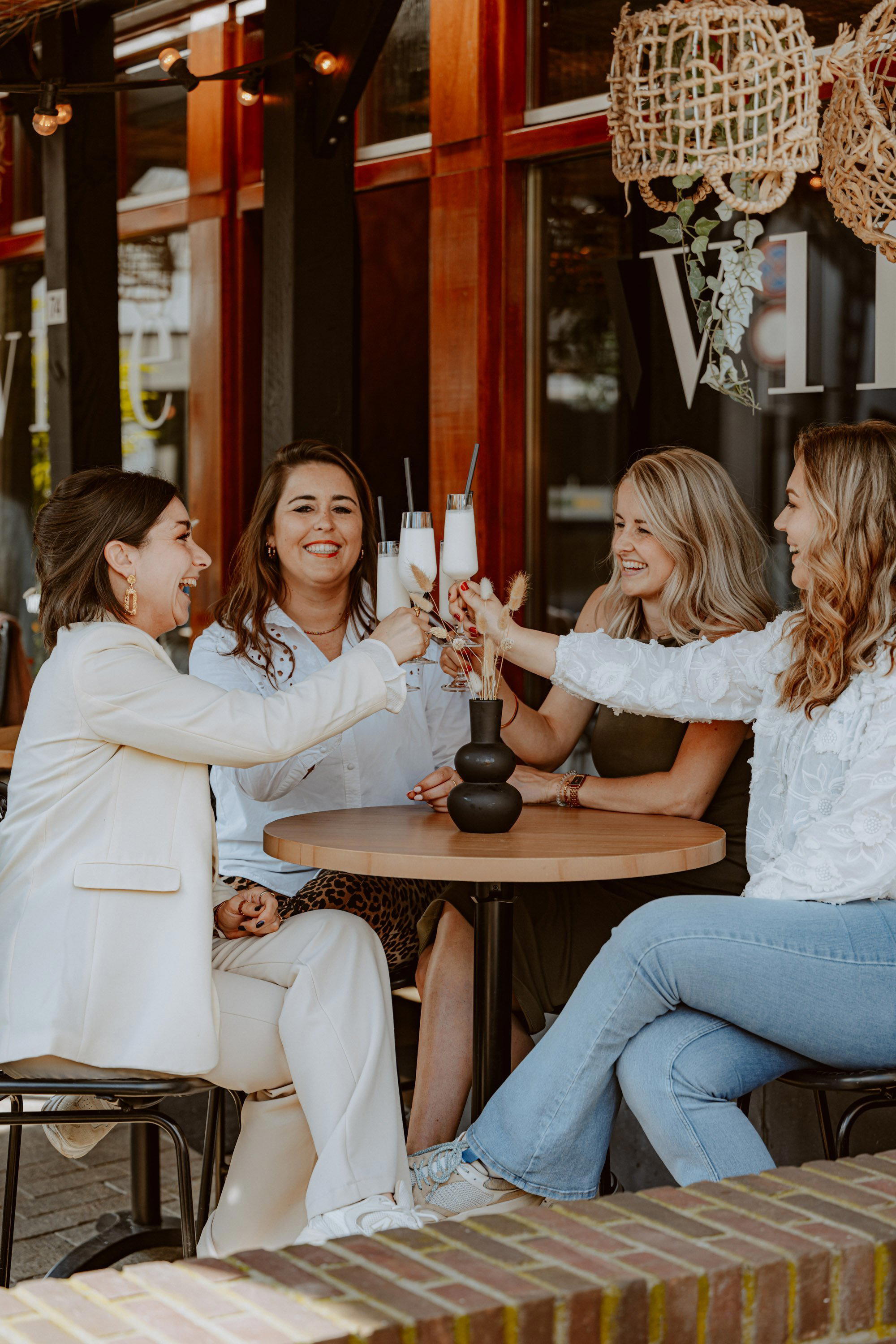
At a Glance
- Cozy
- Intimate
- Elegant
- Date Night
- Casual Hangout
- Wine Cellar
- Extensive Wine List
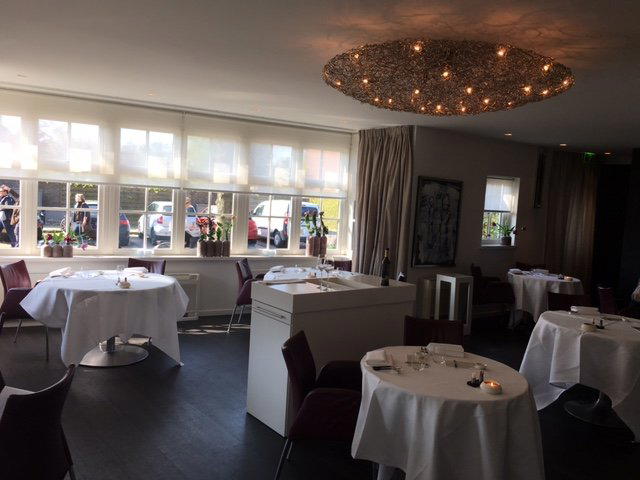
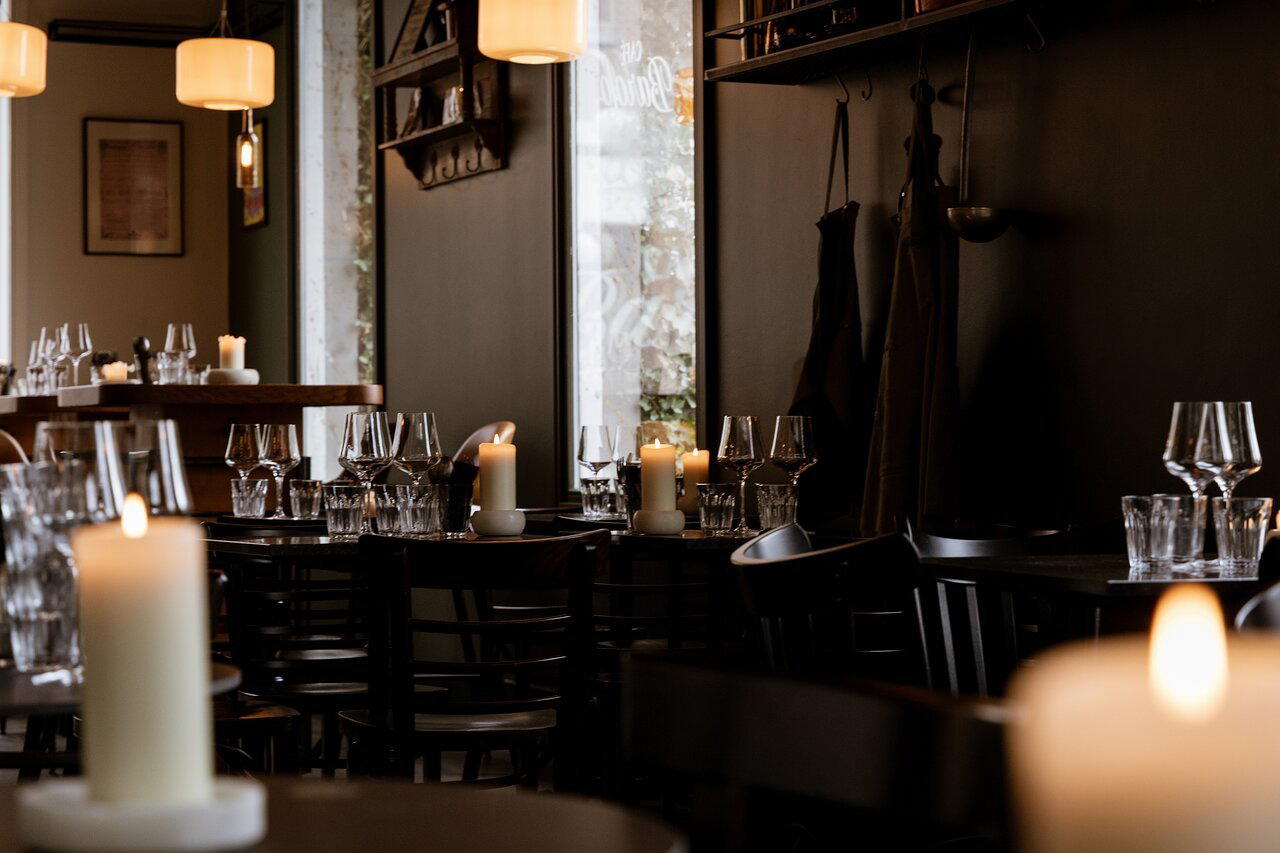
Gemoedelijke, relaxed sfeer with friendly service and knowledgeable wine advice.