Benjamin

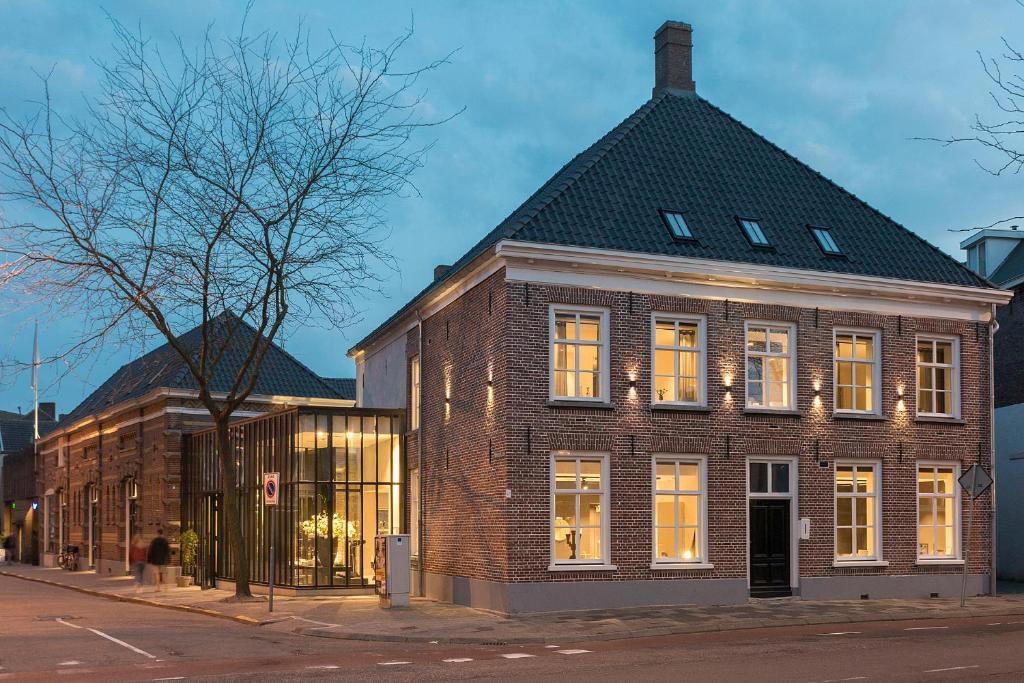
Benjamin arrived on Kerkstraat after years of planning, and it carries the weight of that deliberation. Set in 's-Hertogenbosch, a city whose dining scene has matured well beyond its provincial scale, the restaurant represents a personal project executed with the rigour of a long-considered project. Details on format and menu remain closely held, which makes an early visit the most reliable form of research.
 Discover on Pearl
Pearl is the En Primeur Club membership app — saves, bookings, and concierge access live there. Same editors, same standards.
- Address
- Kerkstraat 77, 5211 KE 's-Hertogenbosch, Netherlands
- Phone
- +31 073 203 2638
- Website
- benjamin-denbosch.nl
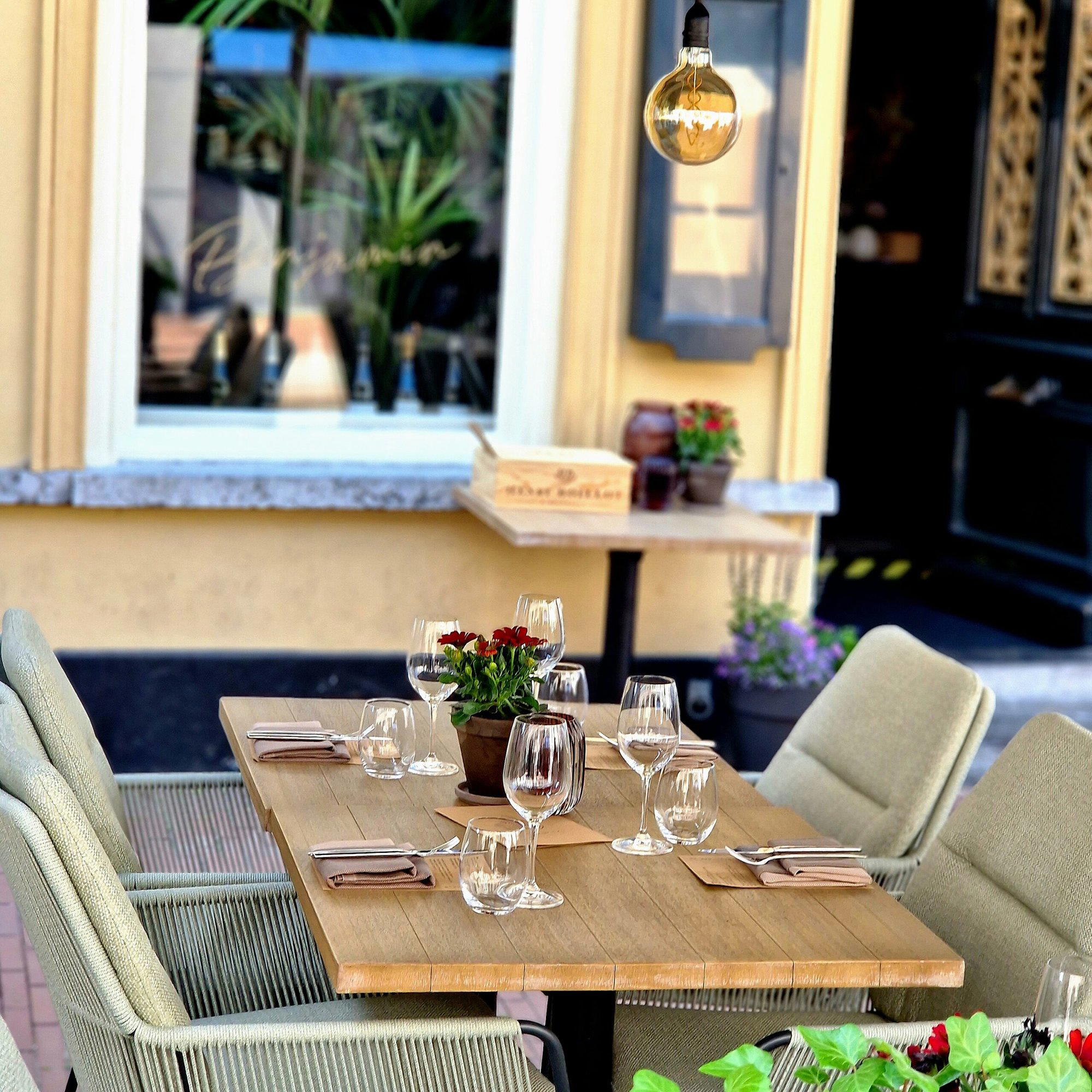
A Street, a City, and a Long Time Coming
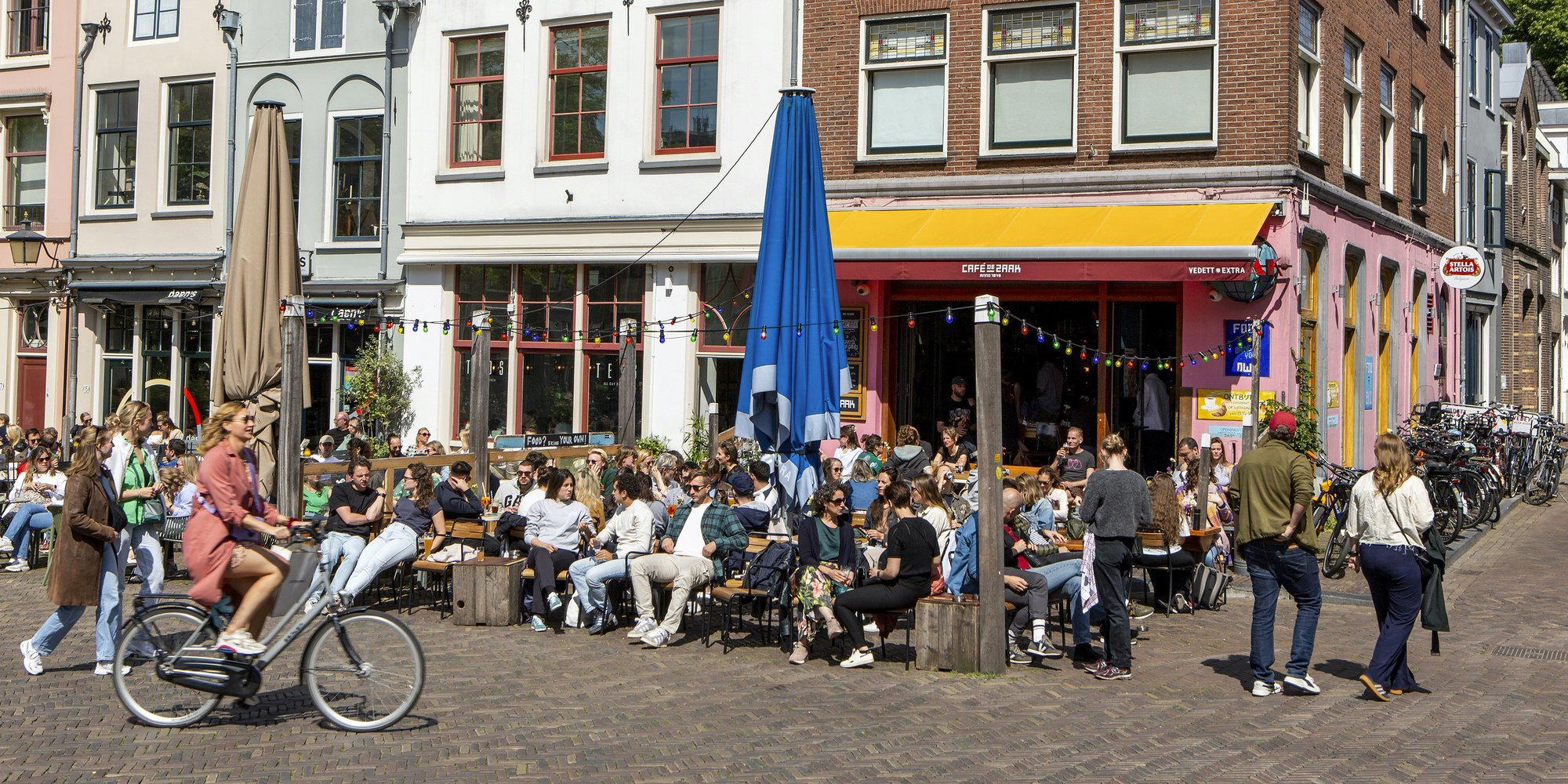
Kerkstraat runs through the older fabric of 's-Hertogenbosch, a city in North Brabant that has quietly developed one of the more serious restaurant cultures in the Netherlands outside the Randstad. The street itself is the kind of address that rewards slow walking: narrow frontages, buildings that predate the twentieth century by some distance, and the particular quality of light that comes off old stone in the late afternoon. It is into this setting that Benjamin arrived.
North Brabant has positioned itself as a region of serious food and drink over the past two decades. The province that gave the Netherlands much of its artisan food production, its carnival tradition, and its particular strain of conviviality also produced a dining culture that rewards sourcing discipline. Restaurants here have long maintained relationships with regional producers, and the finest of them treat ingredient provenance not as a marketing position but as a structural constraint. That context matters when reading a new opening on Kerkstraat.
What the Wine Cellar Signals
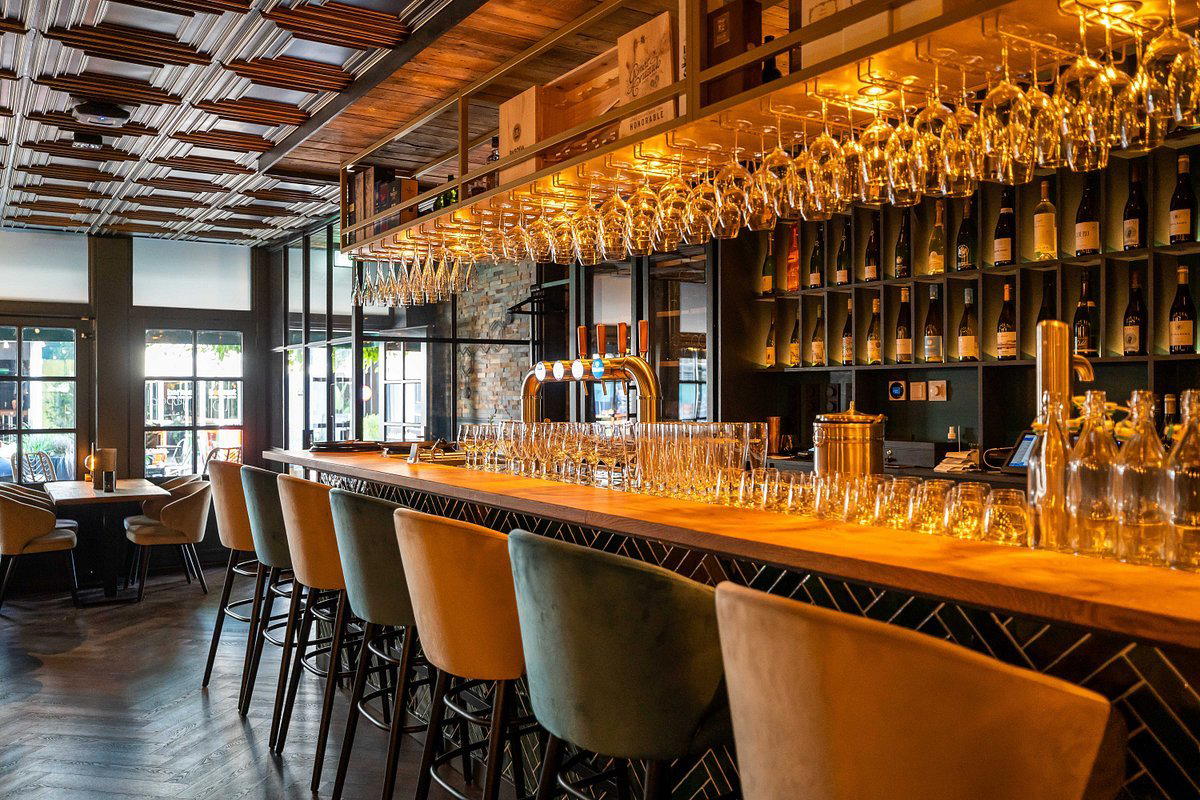
Operations like Wijn bij Stijn, also in 's-Hertogenbosch, have built their identity around the intersection of serious wine and serious food. Temperature stability, horizontal storage, sufficient depth to hold bottles across multiple vintages: these are commitments that shape what a restaurant can offer a guest who arrives with real expectations.
Across the Netherlands, the restaurants that have sustained the most consistent critical attention share this characteristic. De Librije in Zwolle has long maintained a cellar that functions as a working argument about Dutch fine dining ambition. 't Nonnetje in Harderwijk and Aan de Poel in Amstelveen operate in the same register.
Sourcing as Structure, Not Story
North Brabant sits at the intersection of Dutch agricultural production and Belgian influence, with access to dairy, game, freshwater fish, and market garden produce that gives a kitchen real material to work with. Restaurants that take sourcing seriously in this region are not making a virtue of scarcity; they are working with genuine abundance and making choices about which producers deserve sustained relationships.
The leading Dutch restaurants in this tier tend to operate with a small, stable supplier base rather than a long, rotating list. De Nieuwe Winkel in Nijmegen has built an entire identity around organic sourcing depth, holding it to a standard that shapes the menu rather than decorates it. Brut172 in Reijmerstok and De Lindehof in Nuenen work within regional ingredient logic to produce menus that could not simply be transplanted to Amsterdam or Rotterdam and remain coherent. That rootedness in place is what distinguishes a restaurant with genuine sourcing ambition from one that lists provenance as decoration on the menu.
The 's-Hertogenbosch Context
's-Hertogenbosch is a city that does not require a hook to justify serious restaurant ambition. It has a historic centre dense enough to support evening foot traffic, a population with real spending capacity, and proximity to both Belgium and the Dutch agricultural heartland. It also has the advantage of not being Amsterdam, which means rents, staffing costs, and competitive noise operate at a different register. For a new restaurant with a long gestation period and a clear sense of what it wants to be, it is a more forgiving environment than the capital while still offering sufficient audience.
The Dutch fine dining circuit has expanded well beyond its historic concentration in Amsterdam and the immediate Randstad. De Bokkedoorns in Overveen, De Groene Lantaarn in Staphorst, and De Lindenhof in Giethoorn are all evidence that serious kitchens with serious wine programs can sustain themselves in mid-sized or provincial locations. Benjamin joins that wider pattern. Internationally, the question of what a restaurant owes to its location has been answered differently by operations as different as Le Bernardin in New York City and Emeril's in New Orleans, both of which built identity around a specific sense of place and product. Ciel Bleu in Amsterdam represents the metropolitan pole of Dutch fine dining; Benjamin, if it fulfils its stated ambitions, represents something more grounded in the province it occupies.
Planning a Visit
Benjamin is located at Kerkstraat 77 in the historic centre of 's-Hertogenbosch, which is accessible by train from Amsterdam Centraal in under an hour. Reservations are recommended. The address itself is walkable from the main station, and the surrounding streets offer enough to justify an extended evening in the city.
How It Stacks Up
Comparable venues nearby, for context on price, style, and recognition.
| Venue | Cuisine | Price | Awards | Notes |
|---|---|---|---|---|
| BenjaminThis venue — the venue you are viewing | French Seafood with Wine Focus | $$$ | 1 recognition | |
| Wijn bij Stijn | Mediterranean Wine Bar | $$$ | 1 recognition | Den Bosch |
| De Vrijstad | French Fine Dining with Asian Influences | $$$ | , | Vianen historic centre |
| De Swaen | Classic French Fine Dining | $$$ | , | Oisterwijk |
| Avalon Wijn & Spijs | Wine-Paired Fine Dining | $$$ | 1 recognition | Schinkelbuurt Zuid |
| Brasserie Bruis | Seasonal French Brasserie | $$$ | , | Haarlem city centre |
Continue exploring
More in 's-Hertogenbosch
Restaurants in 's-Hertogenbosch
Browse all →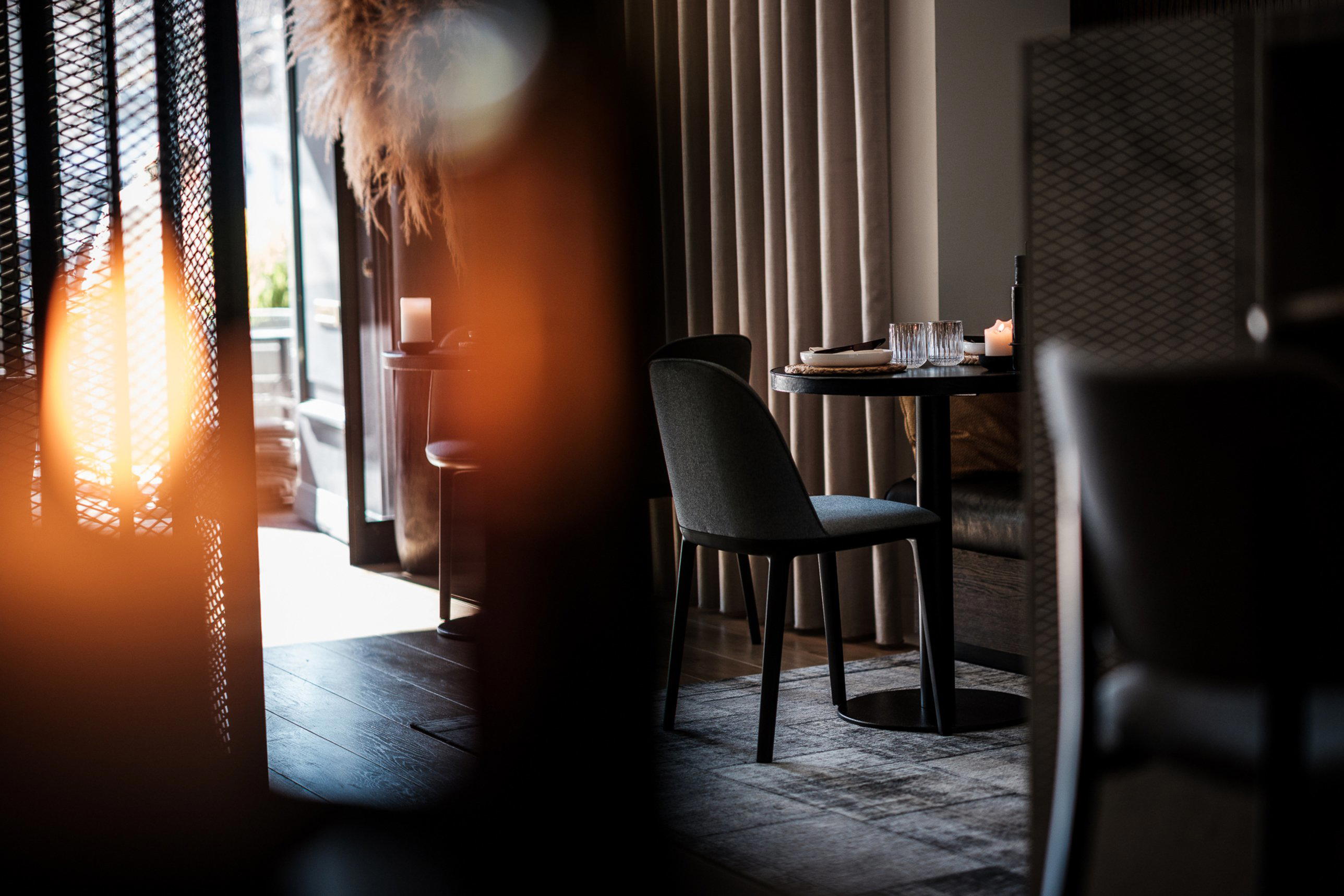
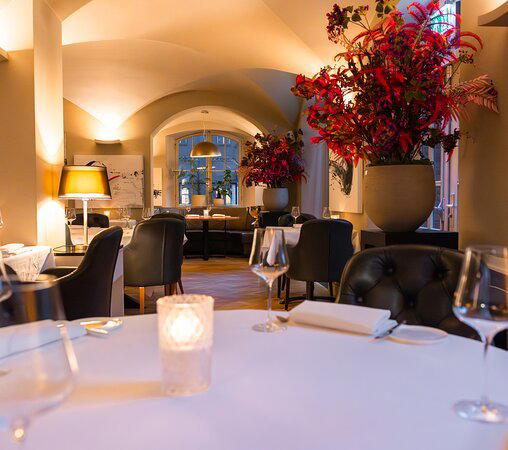
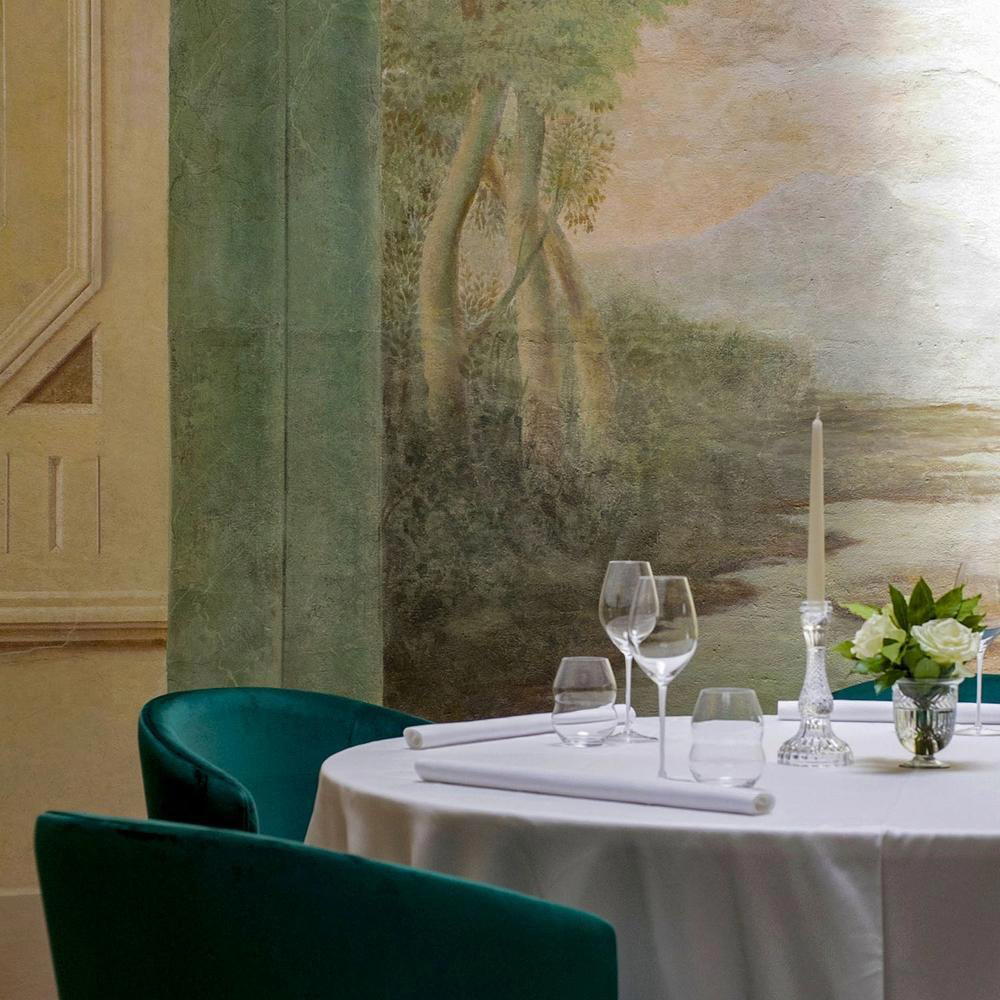
Bars in 's-Hertogenbosch
Browse all →
At a Glance
- Cozy
- Elegant
- Intimate
- Sophisticated
- Date Night
- Special Occasion
- Wine Cellar
- Extensive Wine List
- Street Scene
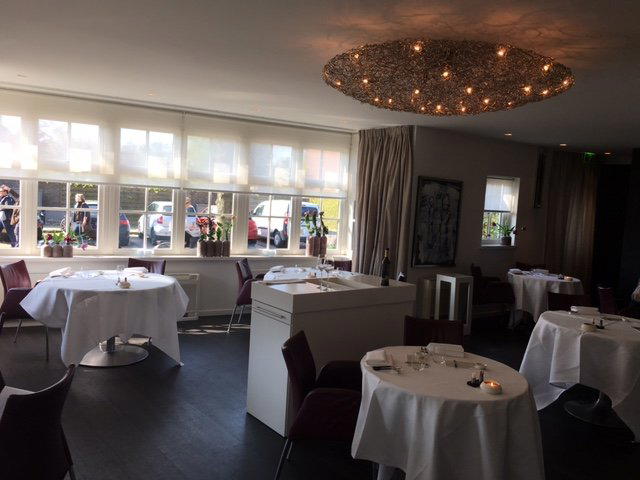
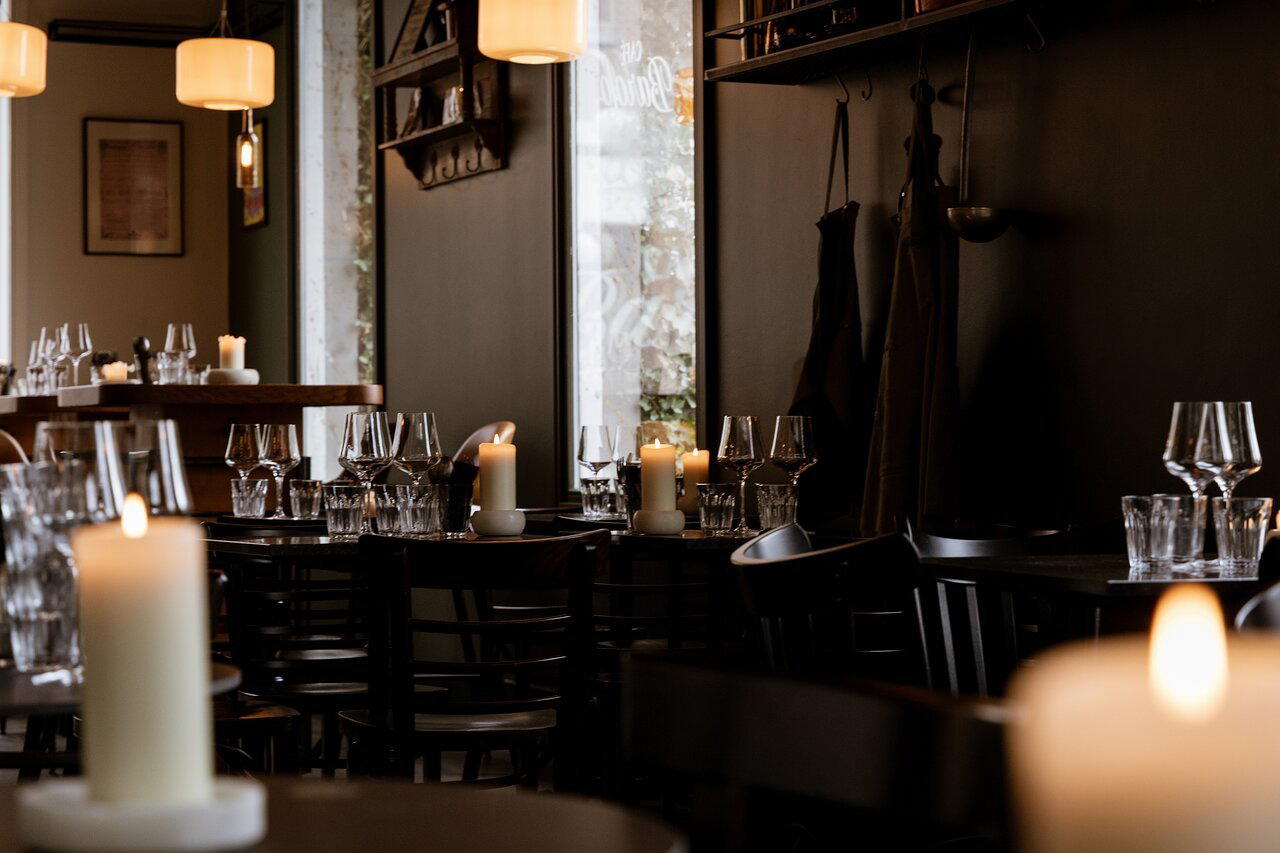
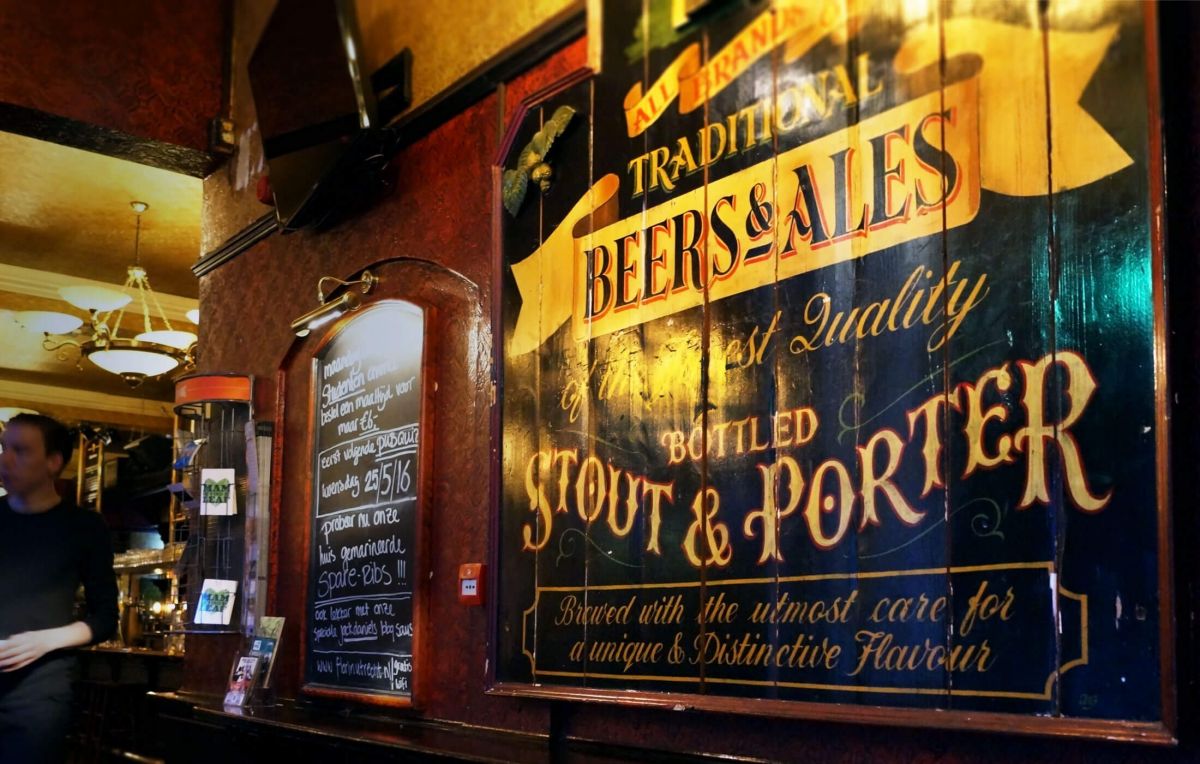
Cosy, warm, and hospitable with a spectacular atmosphere noted by guests.