Whisper Creek Farm
Our verdict
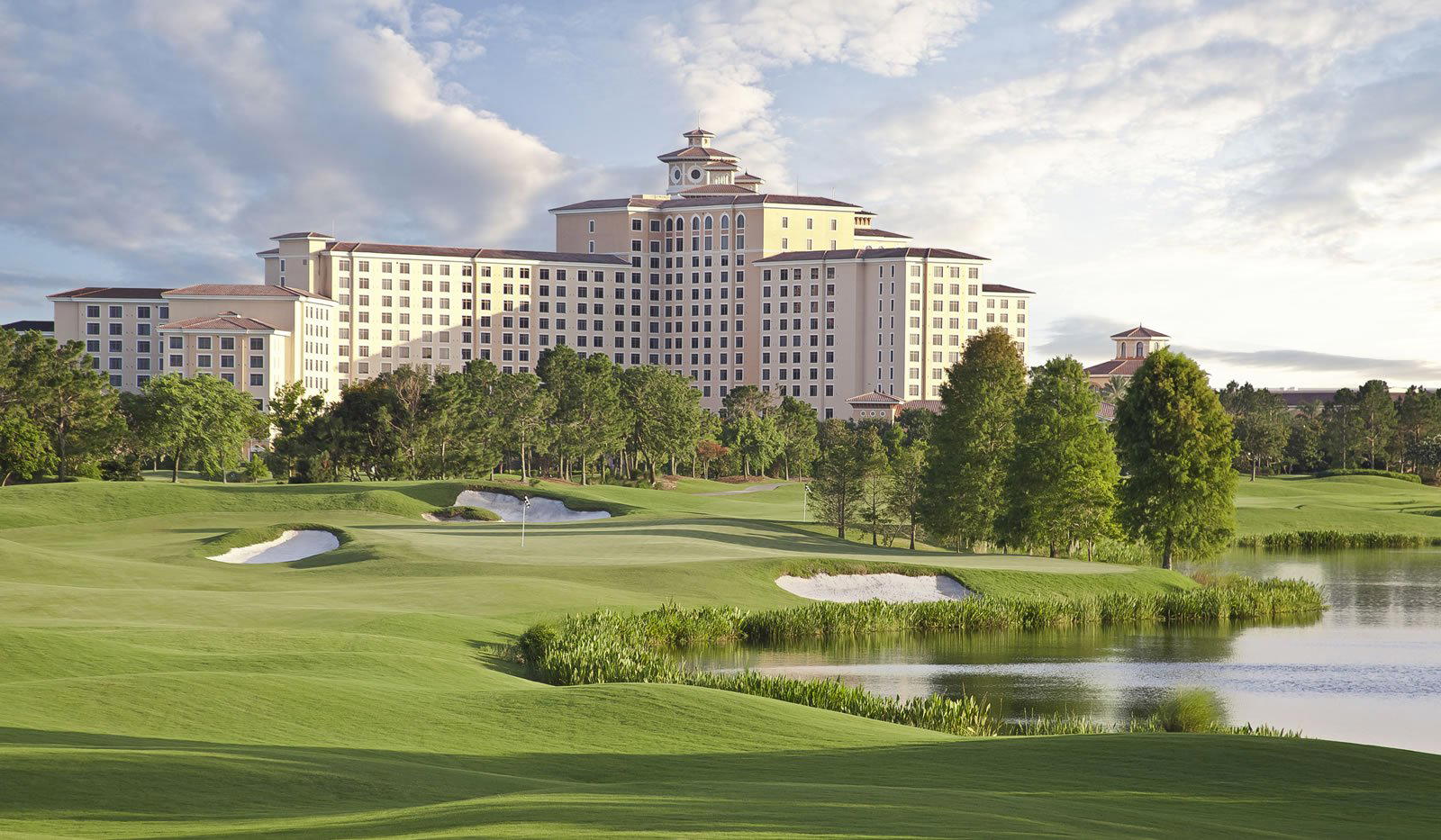
Whisper Creek Farm sits at the intersection of Florida's farm-to-table movement and Orlando's evolving dining ambitions, offering a pastoral counterpoint to the theme-park corridor that dominates the address. Where most dining options along Central Florida Parkway default to volume and spectacle, this property operates at a quieter register — one that positions it closer to agrarian-concept restaurants than to resort buffet culture.

Pearl is the En Primeur Club membership app — saves, bookings, and concierge access live there. Same editors, same standards.
- Address
- 4040 Central Florida Pkwy, Orlando, FL 32837
- Phone
- (407) 393-4755
- Hours
- Daily 5–10 PM
- Directions
- Get directions
- Booking
- Book on OpenTable
The menu
What to order
- Hop-salted house pretzels
- Seasonal flatbreads
- Mac & cheese with brisket
A Different Register on the Resort Corridor
Central Florida Parkway runs through one of the densest hospitality corridors in North America, where dining options are measured in covers-per-hour and menus are engineered for maximum throughput. The farm-to-table category has been a countercurrent to that logic for years, and Whisper Creek Farm occupies that countercurrent position in Orlando with unusual geographic specificity: it sits on the same stretch of road as convention-scale resorts, yet operates at a pace and format that belongs to a different tradition entirely. The contrast is not incidental — it is the entire editorial point of the place.
Florida's farm-to-table movement arrived later than those in California or the Pacific Northwest, partly because the state's subtropical climate resists the romantic seasons-and-harvest narrative that anchors agrarian dining elsewhere. What grew instead was a more pragmatic version of the concept: sourcing tied to local citrus, heirloom tomatoes, and Gulf-adjacent proteins, with the "farm" element functioning as both a genuine supply chain and an aesthetic signal. Whisper Creek Farm fits that pattern, and its position along a resort-dense corridor means it addresses an audience that is largely transient — visitors for whom this may be the one meal of the trip not eaten inside a theme-park gate or a hotel all-inclusive.
The Evolution of the Concept
Farm-concept restaurants in American hospitality have gone through several distinct phases since the mid-2000s. The first wave was ideological: chefs with Chez Panisse lineage or farmers-market credibility opening destination-scale rooms and asking diners to accept longer waits, shorter menus, and the occasional imperfect vegetable as the price of principle. The second wave commercialized the format, attaching "farm-to-table" language to hotel restaurants without fundamentally changing procurement. The third wave, where the more interesting operations now sit, involves properties that use an actual agricultural footprint to differentiate the experience in ways that go beyond the menu description. Blue Hill at Stone Barns in Tarrytown remains the most cited example of the format at its most committed, where the farm is the restaurant and the menu changes with what the land produces. Single Thread Farm in Healdsburg applies a similarly integrated model with Japanese kaiseki structure. Whisper Creek Farm operates at a smaller scale and without those properties' award profiles, but the underlying logic, that the physical setting and sourcing model should be legible to the diner, is the same.
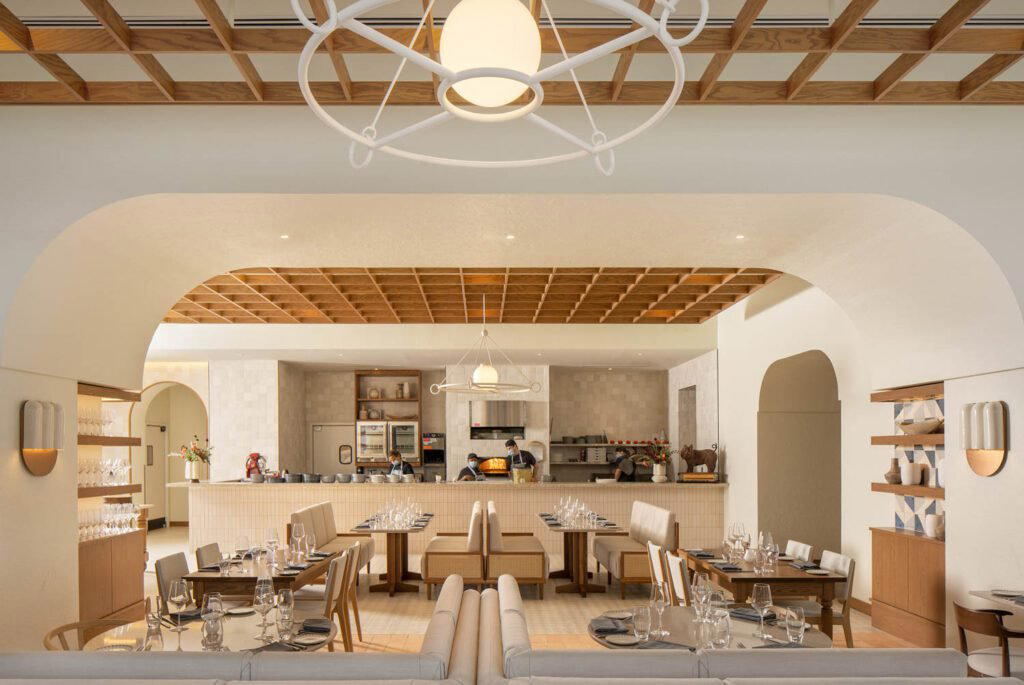
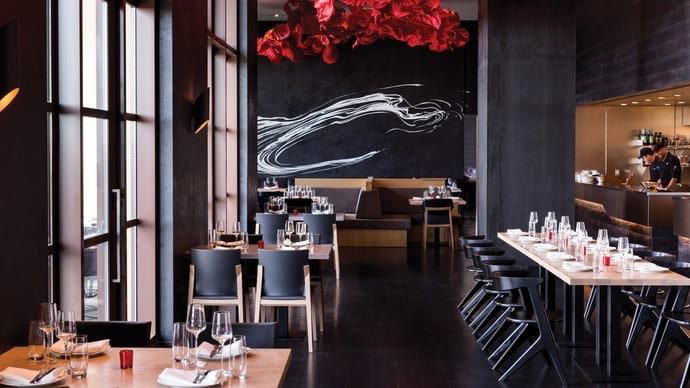
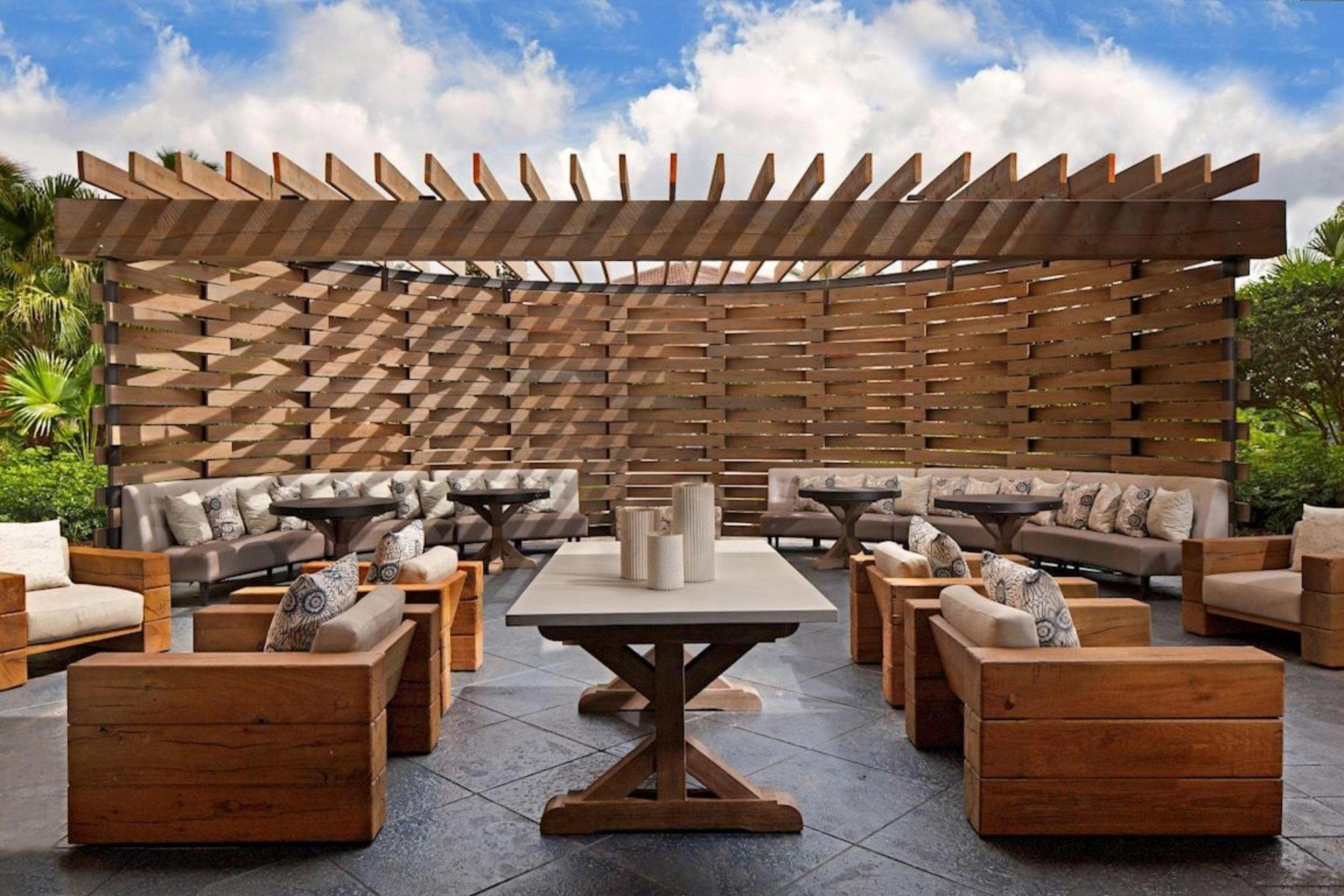
What has changed at properties in this category over the past decade is the ambition of the setting itself. Early farm-concept restaurants accepted rusticity as an inevitability; the newer cohort treats the physical environment as a deliberate design element. Rough timber, open kitchens, herb gardens visible from the dining room, and preserved-food displays are now as much a part of the format as the menu language. Whether Whisper Creek Farm has evolved along those lines is worth attention from anyone arriving with those reference points in mind.
Orlando's Dining Context
Orlando's fine-dining scene is smaller than its hospitality economy would suggest. The city generates enormous food-and-beverage revenue, but much of it flows through resort-controlled operations rather than independent restaurants. The addresses that have broken through to genuine critical recognition, Kadence and Sorekara in Japanese formats, Camille in Vietnamese, Capa at the steakhouse end, occupy a different tier from the resort-corridor offer, both in format and in the kind of diner they attract. Natsu represents another entry in the city's growing Japanese canon. Whisper Creek Farm does not compete directly with those rooms. Its competitive set is closer to hotel-adjacent casual dining with a sourcing story, a category that in other cities includes properties with more developed press profiles. For a fuller map of where Orlando's dining sits across price points and formats, our full Orlando restaurants guide covers the scene with neighbourhood-level specificity.
The farm-to-table format in resort markets nationally has a mixed record. Operations tied to branded hotel groups sometimes struggle to maintain sourcing integrity when occupancy spikes and the kitchen needs volume. The properties that hold the concept most convincingly tend to be smaller and more independent in their procurement decisions. For comparison, The French Laundry in Napa and Providence in Los Angeles demonstrate what happens when sourcing philosophy is codified into the kitchen's daily operating logic rather than treated as a marketing position. At the more theatrical end of American tasting-menu culture, Alinea in Chicago and Lazy Bear in San Francisco show how the format can evolve into something with a distinct performance dimension. Addison in San Diego, The Inn at Little Washington, and Atomix in New York City each represent how regional identity can be encoded into a tasting format. Even internationally, operations like 8 1/2 Otto e Mezzo Bombana in Hong Kong show how sourcing narratives travel across culinary cultures. Closer to Whisper Creek Farm's register, Emeril's in New Orleans and Le Bernardin in New York City illustrate different models for maintaining a sourcing identity under sustained commercial pressure.
Planning a Visit
Whisper Creek Farm is located at 4040 Central Florida Parkway, Orlando, FL 32837, which places it firmly in the resort district south of downtown. Visitors arriving from International Drive or the theme-park cluster will find it accessible without committing to the full resort ecosystem. Because the venue sits within a corridor that sees significant seasonal and event-driven traffic, timing around convention weeks and school holiday periods will affect both access and the character of the room. Diners who have found the farm-concept format rewarding at properties with more established press records, those who have made the case for agrarian dining as a counterpoint to resort saturation, will find the geographic positioning here particularly legible. As with most properties in this category, the experience is calibrated to a pace that resists rushing, which makes it a poor fit for anyone working to a strict pre-show schedule, but a reasonable anchor for an evening built around the meal.
Frequently asked questions
Is Whisper Creek Farm suitable for children?
Farm-concept venues along the Central Florida Parkway corridor, which serves one of the highest concentrations of family visitors in North America, tend to be built with multigenerational groups in mind. Whisper Creek Farm's agricultural setting at 4040 Central Florida Parkway suggests an environment where the farm format itself provides contextual interest for younger guests. For specific age-appropriate menu options or high-chair availability, contacting the venue directly before visiting is advisable.
What kind of setting is Whisper Creek Farm?
Whisper Creek Farm sits at 4040 Central Florida Parkway within Orlando's resort district, a corridor otherwise defined by large-scale hospitality infrastructure. The farm-concept format positions it as a counterpoint to that environment, trading convention-center scale for an agricultural aesthetic. Expect a setting oriented around farm imagery and produce-focused presentation rather than the branded theming typical of the surrounding area.
How does Whisper Creek Farm differ from other dining options in Orlando's resort district?
Most restaurants along the Central Florida Parkway corridor are engineered for high-volume resort traffic, optimizing for speed and breadth of covers. Whisper Creek Farm operates within a farm-concept format, a model that prioritizes agricultural context and produce-driven cooking over the standardized efficiency of resort dining. That distinction makes it one of the few addresses at 4040 Central Florida Pkwy, Orlando oriented around a defined culinary identity rather than hospitality throughput.
What do people recommend at Whisper Creek Farm?
Visitors to the Orlando location tend to note the contrast the farm format offers relative to the resort-standard dining options along Central Florida Parkway.
The Quick Read
Comparable venues nearby, for context on price, style, and recognition.
| Venue | Cuisine | Price | Notes |
|---|---|---|---|
| Whisper Creek FarmThis venue — the venue you are viewing | Farm-to-Table American Small Plates | $30–50 | Not listed |
| The Fountain Eats and Sweets | Not listed | Not listed | Epcot Resort Area, Classic American Diner |
| The Bistro & Bar | Urban International Gastropub | Not listed | Florida Center, Urban International Gastropub |
| Kona Cafe | American with Asian-Pacific Fusion | $30–50 | Polynesian Village Resort, American with Asian-Pacific Fusion |
| BarkHaven | American Comfort Food | $20–30 | Ivanhoe Village, American Comfort Food |
| Café Gauguin | American Buffet with Global Influences | Not listed | International Drive, American Buffet with Global Influences |